


Community hub
Recent from talks
Contribute something to knowledge base
Content stats: 0 posts, 0 articles, 1 media, 0 notes
Members stats: 0 subscribers, 0 contributors, 0 moderators, 0 supporters
Subscribers
Supporters
Contributors
Moderators
Hub AI
Loznica AI simulator
(@Loznica_simulator)
Hub AI
Loznica AI simulator
(@Loznica_simulator)
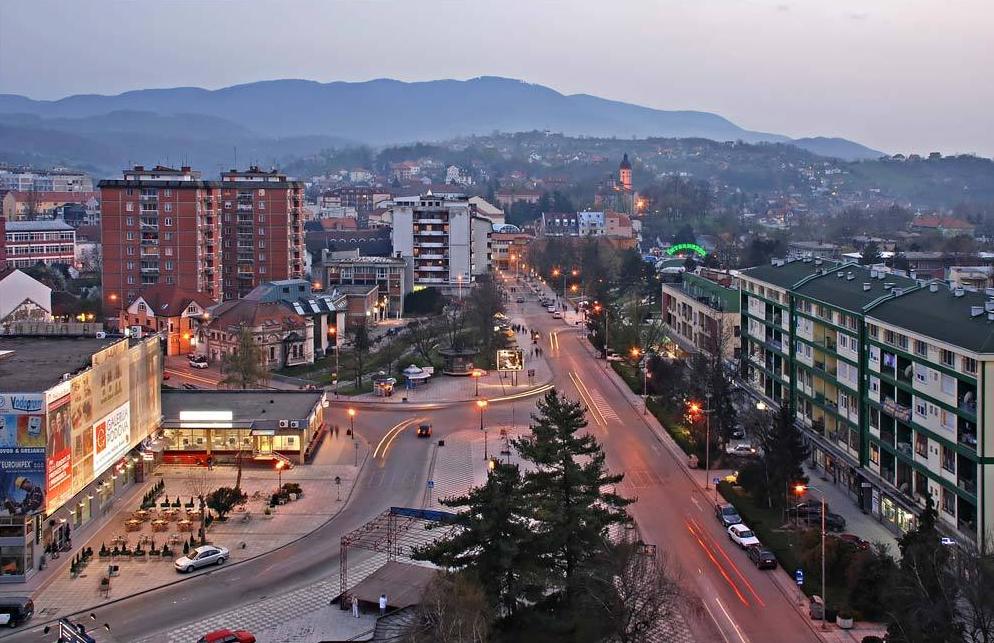
Loznica
Loznica (Serbian Cyrillic: Лозница, pronounced [lǒznitsa]) is a city located in the Mačva District of western Serbia, on the right bank of the Drina river. In 2022 the city had a total population of 19,515, while the administrative area had a population of 72,062.
Its name stems from the word "loza" (the Serbian word for vine). Originally, its name was Lozica (Serbian for small vine), but it later became Loznica.
The oldest settlements on the territory of Jadar and Loznica can be traced to the Neolithic period when the Starčevo culture flourished from 4500–3000 BC. Illyrian and Celtic tribes inhabited the region prior to the Roman conquest in 75 BC. Roman conquest of the Balkan peninsula brought huge changes: the territory became part of the Roman province of Dalmatia.
The most important settlement in Jadar was Genzis, located near Lešnica, while the Roman settlement in present-day Loznica was called Ad Drinum. Legend tells that Loznica was named after the grape vines that were grown in this region, starting from the 3rd century AD in the time of Roman Emperor Probus. The first reference to the town as Loznica dates back to the reign of Serbian King Stefan Milutin, when Catherine, the wife of Milutin's brother Dragutin, founded the nearby monastery of Tronoša (1317). Loznica received little notice for the next two hundred years. By 1533, Loznica had been conquered from the Serbian Despotate by the Ottoman Empire and was then populated by Muslims; according to the tax registry, out of 37 houses, 26 houses were Muslim and 11 were Christian.
In 1600, Loznica became an officially Muslim (Bosniak) settlement with 55 houses. In this period Loznica and Jadar were part of the region administered from Zvornik. The Zvornik region itself was ruled by the pasha in Bosnia. Striving toward liberation from Ottoman rule, the population of Loznica was actively involved in the common fight of the Serbian people, beginning with the First Serbian Uprising of 1804. The uprising was very important since the Ottomans did not easily give up on the border part of their territory from which they could harvest taxes and supply their army as well as break through towards the central part of the rebellious Serbia.
During the whole period of the First Uprising (1804–13), numerous and heavy battles against the Ottomans were fought in Loznica and its vicinity. In 1813 the Serbs managed to drive the Ottomans across the river Drina, at which time the Ottomans reoccupied Loznica. In November 1833, Loznica and Jadar officially became part of the Principality of Serbia, during the rule of Miloš Obrenović, when Sultan Mahmud II ceded six seized regions to Serbia. This resulted in the abolition of Ottoman ownership over the land and it was declared a free peasant state, which meant that the feudal system was revoked.
Jadar became part of the Podrinje region, while Loznica became the seat of the region, remaining in this role until the end of the 19th century, when the capital was moved to Šabac. During the 1830s, Loznica had 295 houses with 1203 people and became the centre of the administrative and political power of Podrinje. The education system started to develop and a hospital was set up (1882), construction of industrial buildings started, craftsmen, trade and banking started to develop. Construction of the railway between Šabac, Loznica and Banja Koviljaca started by the beginning of the 20th century. The First Balkan War and First World War halted economic development and significantly reduced the number of people in Loznica and vicinity.
Upon completion of the First World War, Loznica remained a regional centre with about 5000 people. There was a short period of reconstruction and economic development, followed by the Great Depression, which saw a decline in the prices of agricultural products. By the mid-1930s, craft and trade shops had been established, bringing some relief to the economy. Later, the antimony mines were acquired by German industrialists which further strengthened the economy. This growth was, however, brought to an abrupt halt at the beginning of World War II. Loznica became the first city in Europe to be liberated from German occupation when Chetnik units entered on 31 August 1941.
Loznica
Loznica (Serbian Cyrillic: Лозница, pronounced [lǒznitsa]) is a city located in the Mačva District of western Serbia, on the right bank of the Drina river. In 2022 the city had a total population of 19,515, while the administrative area had a population of 72,062.
Its name stems from the word "loza" (the Serbian word for vine). Originally, its name was Lozica (Serbian for small vine), but it later became Loznica.
The oldest settlements on the territory of Jadar and Loznica can be traced to the Neolithic period when the Starčevo culture flourished from 4500–3000 BC. Illyrian and Celtic tribes inhabited the region prior to the Roman conquest in 75 BC. Roman conquest of the Balkan peninsula brought huge changes: the territory became part of the Roman province of Dalmatia.
The most important settlement in Jadar was Genzis, located near Lešnica, while the Roman settlement in present-day Loznica was called Ad Drinum. Legend tells that Loznica was named after the grape vines that were grown in this region, starting from the 3rd century AD in the time of Roman Emperor Probus. The first reference to the town as Loznica dates back to the reign of Serbian King Stefan Milutin, when Catherine, the wife of Milutin's brother Dragutin, founded the nearby monastery of Tronoša (1317). Loznica received little notice for the next two hundred years. By 1533, Loznica had been conquered from the Serbian Despotate by the Ottoman Empire and was then populated by Muslims; according to the tax registry, out of 37 houses, 26 houses were Muslim and 11 were Christian.
In 1600, Loznica became an officially Muslim (Bosniak) settlement with 55 houses. In this period Loznica and Jadar were part of the region administered from Zvornik. The Zvornik region itself was ruled by the pasha in Bosnia. Striving toward liberation from Ottoman rule, the population of Loznica was actively involved in the common fight of the Serbian people, beginning with the First Serbian Uprising of 1804. The uprising was very important since the Ottomans did not easily give up on the border part of their territory from which they could harvest taxes and supply their army as well as break through towards the central part of the rebellious Serbia.
During the whole period of the First Uprising (1804–13), numerous and heavy battles against the Ottomans were fought in Loznica and its vicinity. In 1813 the Serbs managed to drive the Ottomans across the river Drina, at which time the Ottomans reoccupied Loznica. In November 1833, Loznica and Jadar officially became part of the Principality of Serbia, during the rule of Miloš Obrenović, when Sultan Mahmud II ceded six seized regions to Serbia. This resulted in the abolition of Ottoman ownership over the land and it was declared a free peasant state, which meant that the feudal system was revoked.
Jadar became part of the Podrinje region, while Loznica became the seat of the region, remaining in this role until the end of the 19th century, when the capital was moved to Šabac. During the 1830s, Loznica had 295 houses with 1203 people and became the centre of the administrative and political power of Podrinje. The education system started to develop and a hospital was set up (1882), construction of industrial buildings started, craftsmen, trade and banking started to develop. Construction of the railway between Šabac, Loznica and Banja Koviljaca started by the beginning of the 20th century. The First Balkan War and First World War halted economic development and significantly reduced the number of people in Loznica and vicinity.
Upon completion of the First World War, Loznica remained a regional centre with about 5000 people. There was a short period of reconstruction and economic development, followed by the Great Depression, which saw a decline in the prices of agricultural products. By the mid-1930s, craft and trade shops had been established, bringing some relief to the economy. Later, the antimony mines were acquired by German industrialists which further strengthened the economy. This growth was, however, brought to an abrupt halt at the beginning of World War II. Loznica became the first city in Europe to be liberated from German occupation when Chetnik units entered on 31 August 1941.
Recent media
Recent media