
Recent from talks
Malacology
Knowledge base stats:
Talk channels stats:
Members stats:
Malacology
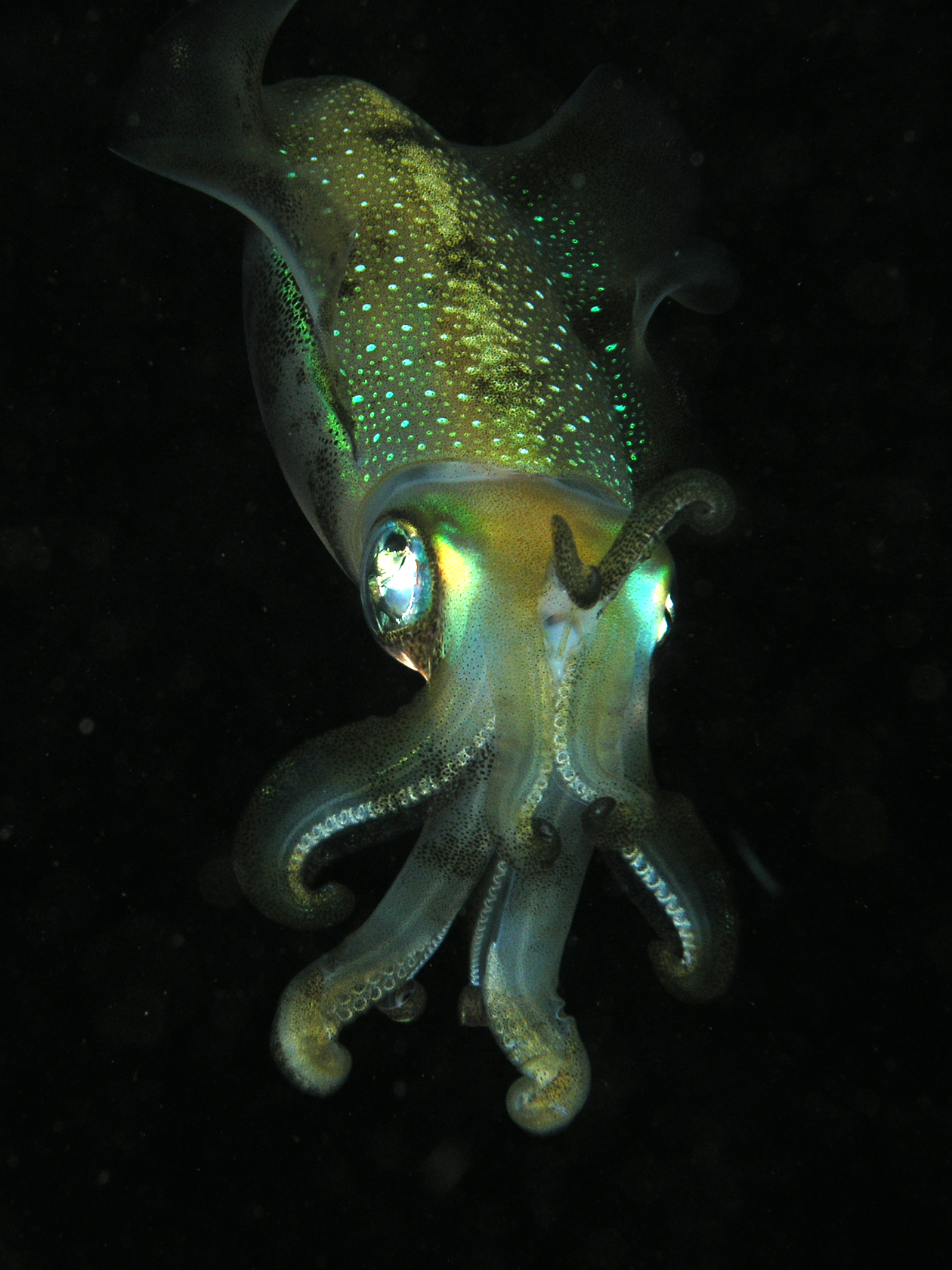
Malacology, from Ancient Greek μαλακός (malakós), meaning 'soft', and λόγος (lógos), meaning 'study', is the branch of invertebrate zoology that deals with the study of the Mollusca (molluscs or mollusks), the second-largest phylum of animals in terms of described species after the arthropods. Mollusks include snails and slugs, clams, and cephalopods, along with numerous other kinds, many of which have shells.
Fields within malacological research include studies of mollusk taxonomy, ecology and evolution. Several subdivisions of malacology exist, including conchology, devoted to the study of mollusk shells, and teuthology, the study of cephalopods such as octopus, squid, and cuttlefish. Applied malacology studies medical, veterinary, and agricultural applications, for example the study of mollusks as vectors of schistosomiasis and other diseases.
Archaeology employs malacology to understand the evolution of the climate, the biota of the area, and the usage of the site.[citation needed]
Zoological methods are used in malacological research. Malacological field methods and laboratory methods (such as collecting, documenting and archiving, and molecular techniques) were summarized by Sturm et al. (2006).
Malacology evolved from the earlier discipline of conchology, which focused solely on the collection and classification of shells. The transformation into a comprehensive field of biological study occurred over several key historical milestones.
Before the late 18th century, the study of mollusks was limited to conchology, emphasizing the aesthetic and taxonomic value of shells. During this time, the term "mollusks" referred only to shell-less species such as cephalopods and slugs. Organisms with shells were classified under "Testacea", reflecting a limited understanding of their broader biological characteristics.
In 1795, French naturalist Georges Cuvier introduced a new classification system for invertebrates based on anatomical observations. He proposed that mollusks represented a distinct group of organisms unified by common morphological traits. This approach laid the groundwork for the transition from conchology to malacology, as it highlighted the importance of internal anatomy over external shell features.
Following Cuvier’s work, the early 19th century saw an expansion of the field’s focus. Scientists began studying not only the external shells of mollusks but also their internal anatomy, physiological functions, and ecological roles. This marked a shift toward viewing mollusks as complete organisms, rather than merely as shell producers. The term "malacology" was officially introduced in 1825 by French zoologist and anatomist Henri-Marie Ducrotay de Blainville. Derived from the Greek word "malakos" (meaning "soft"), it reflected a broader interest in the biological and ecological characteristics of mollusks, including their soft body structures. This moment is considered the formal establishment of malacology as a distinct scientific discipline.
Hub AI
Malacology AI simulator
(@Malacology_simulator)
Malacology
Malacology, from Ancient Greek μαλακός (malakós), meaning 'soft', and λόγος (lógos), meaning 'study', is the branch of invertebrate zoology that deals with the study of the Mollusca (molluscs or mollusks), the second-largest phylum of animals in terms of described species after the arthropods. Mollusks include snails and slugs, clams, and cephalopods, along with numerous other kinds, many of which have shells.
Fields within malacological research include studies of mollusk taxonomy, ecology and evolution. Several subdivisions of malacology exist, including conchology, devoted to the study of mollusk shells, and teuthology, the study of cephalopods such as octopus, squid, and cuttlefish. Applied malacology studies medical, veterinary, and agricultural applications, for example the study of mollusks as vectors of schistosomiasis and other diseases.
Archaeology employs malacology to understand the evolution of the climate, the biota of the area, and the usage of the site.[citation needed]
Zoological methods are used in malacological research. Malacological field methods and laboratory methods (such as collecting, documenting and archiving, and molecular techniques) were summarized by Sturm et al. (2006).
Malacology evolved from the earlier discipline of conchology, which focused solely on the collection and classification of shells. The transformation into a comprehensive field of biological study occurred over several key historical milestones.
Before the late 18th century, the study of mollusks was limited to conchology, emphasizing the aesthetic and taxonomic value of shells. During this time, the term "mollusks" referred only to shell-less species such as cephalopods and slugs. Organisms with shells were classified under "Testacea", reflecting a limited understanding of their broader biological characteristics.
In 1795, French naturalist Georges Cuvier introduced a new classification system for invertebrates based on anatomical observations. He proposed that mollusks represented a distinct group of organisms unified by common morphological traits. This approach laid the groundwork for the transition from conchology to malacology, as it highlighted the importance of internal anatomy over external shell features.
Following Cuvier’s work, the early 19th century saw an expansion of the field’s focus. Scientists began studying not only the external shells of mollusks but also their internal anatomy, physiological functions, and ecological roles. This marked a shift toward viewing mollusks as complete organisms, rather than merely as shell producers. The term "malacology" was officially introduced in 1825 by French zoologist and anatomist Henri-Marie Ducrotay de Blainville. Derived from the Greek word "malakos" (meaning "soft"), it reflected a broader interest in the biological and ecological characteristics of mollusks, including their soft body structures. This moment is considered the formal establishment of malacology as a distinct scientific discipline.
Recent media