
Recent from talks
Malagasy Uprising
Knowledge base stats:
Talk channels stats:
Members stats:
Malagasy Uprising
The Malagasy Uprising (French: Insurrection malgache; Malagasy: Tolom-bahoaka tamin' ny 1947) was a Malagasy nationalist rebellion against French colonial rule in Madagascar, lasting from March 1947 to February 1949. Starting in late 1945, Madagascar's first French National Assembly deputies, Joseph Raseta, Joseph Ravoahangy, and Jacques Rabemananjara of the Mouvement démocratique de la rénovation malgache (MDRM) political party, led an effort to achieve independence for Madagascar through legal channels. The failure of this initiative and the harsh response it drew from the Socialist Ramadier administration radicalized elements of the Malagasy population, including leaders of several militant nationalist secret societies.
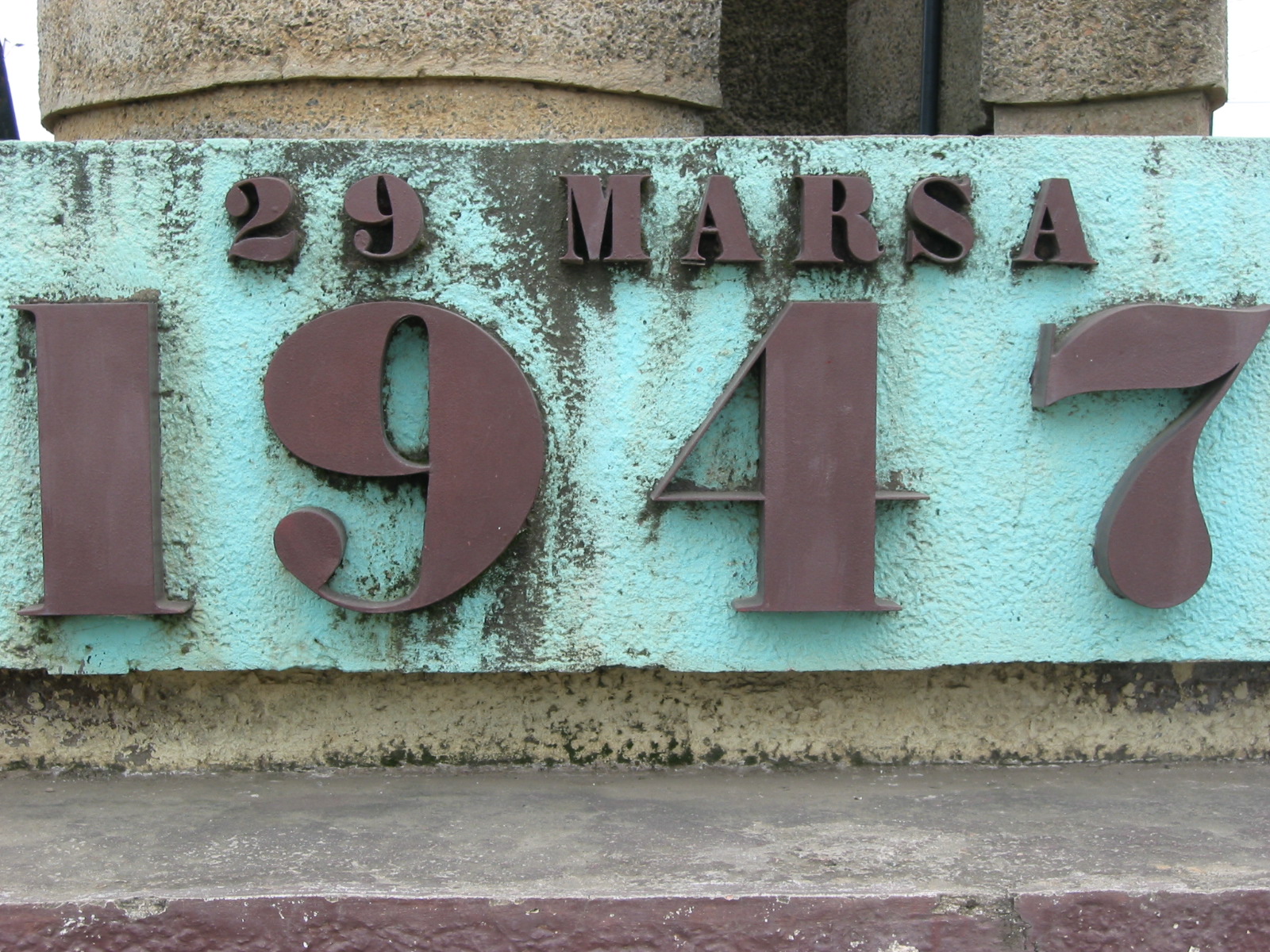
On the evening of 29 March 1947, coordinated surprise attacks were launched by Malagasy nationalists, armed mainly with spears, against military bases and French-owned plantations in the eastern part of the island concentrated around Moramanga and Manakara. The nationalist cause was rapidly adopted in the south and spread to the central highlands and the capital of Antananarivo by the following month, with the number of Malagasy nationalist fighters estimated at over one million.
By May 1947, the French began to counter the nationalists. The French tripled the number of troops on the island to 18,000, primarily by transferring soldiers from French colonies elsewhere in Africa. The colonial authorities sought to fight on the physical and psychological fronts and engaged in a variety of terror tactics designed to demoralize the population. The French military force carried out mass execution, torture, war rape, torching of entire villages, collective punishment, and other atrocities such as throwing live Malagasy prisoners out of airplanes (death flights).
The estimated number of Malagasy casualties varies from a low of 11,000 to a high of over 100,000. The nationalists killed approximately 550 French nationals, as well as 1,900 Malagasy auxiliary men of the French army. By August 1948, the majority of the nationalist leaders were killed or captured, and the Uprising was effectively put down by December 1948, though the last armed resistance was only defeated in February 1949.
The violent repression of the nationalist insurgency left deep scars in Malagasy society. A generation of the managerial class was wiped out, creating challenges for the country when it achieved independence in 1960. Madagascar's first three deputies were arrested, tortured and kept in prison until they were given amnesty in 1958. Another leader who survived the conflict, Monja Jaona, was also jailed for nine years and then founded the Madagascar for the Malagasy Party (MONIMA), which has had considerable influence on Malagasy politics. France classified most documents related to the Uprising, and the French government maintained silence on the subject until French president Jacques Chirac termed it "unacceptable" during an official visit to Madagascar in 2005. Several Malagasy directors have set films in the period of the Uprising. In 1967, the Malagasy government declared 29 March an annual holiday, and in 2012, a museum dedicated to the Uprising was inaugurated in Moramanga.
By the close of the 19th century, Madagascar was largely under the control of the Kingdom of Imerina, with its royal palaces at its capital in Antananarivo. Although the kingdom had existed since the early 16th century, it expanded its control beyond its traditional borders in the 1820s under King Radama I, who the British government officially recognized as the sovereign over the entire island of Madagascar. After several failed attempts to impose its authority over the island, France used military force to capture the royal palace in September 1894 and exiled Prime Minister Rainilaiarivony upon officially colonizing the island in February 1895. Queen Ranavalona III was allowed to remain as a figurehead until the emergence of a popular uprising, termed the Menalamba rebellion, for which the queen was held responsible. The rebellion was harshly crushed, and the queen was exiled in 1897.
The Menalamba rebellion was only the first manifestation of ongoing opposition to French rule that occasionally erupted in violent clashes between the Malagasy and the colonial authorities in Madagascar. Secret nationalist societies began to form in the 1910s. Conscription of Malagasy soldiers to fight for France in World War I strengthened resentment of foreign rule, and in the interwar period these nationalist organizations proliferated. Germany's defeat of the French Army and occupation of France in 1940, the imposition of a Vichy regime in Madagascar and the subsequent capture of the island by the British in 1942 further tarnished the colonial government's image. Popular anger was especially aroused by its policies of forced labor in lieu of taxes, involuntary conscription into the army to fight in World War II, and the required contribution of large quantities of rice per head annually.
Malagasy hopes for greater sovereignty were stirred by remarks given by General Charles de Gaulle at the Brazzaville Conference in 1944, where de Gaulle announced all colonies were thereafter French overseas territories entitled to representation in the French National Assembly, and promised citizenship rights to residents of its overseas colonies. Despite the partial implementation of these reforms, forced labor on French-owned plantations and other rights abuses in Madagascar continued unabated. The nationalist secret society Panama (Patriotes nationalistes malgaches) was founded in 1941, followed in 1943 by another called Jiny after a type of local red bird. Both organizations, which sought to achieve independence by force if necessary, saw their membership swell during this period.
Hub AI
Malagasy Uprising AI simulator
(@Malagasy Uprising_simulator)
Malagasy Uprising
The Malagasy Uprising (French: Insurrection malgache; Malagasy: Tolom-bahoaka tamin' ny 1947) was a Malagasy nationalist rebellion against French colonial rule in Madagascar, lasting from March 1947 to February 1949. Starting in late 1945, Madagascar's first French National Assembly deputies, Joseph Raseta, Joseph Ravoahangy, and Jacques Rabemananjara of the Mouvement démocratique de la rénovation malgache (MDRM) political party, led an effort to achieve independence for Madagascar through legal channels. The failure of this initiative and the harsh response it drew from the Socialist Ramadier administration radicalized elements of the Malagasy population, including leaders of several militant nationalist secret societies.
On the evening of 29 March 1947, coordinated surprise attacks were launched by Malagasy nationalists, armed mainly with spears, against military bases and French-owned plantations in the eastern part of the island concentrated around Moramanga and Manakara. The nationalist cause was rapidly adopted in the south and spread to the central highlands and the capital of Antananarivo by the following month, with the number of Malagasy nationalist fighters estimated at over one million.
By May 1947, the French began to counter the nationalists. The French tripled the number of troops on the island to 18,000, primarily by transferring soldiers from French colonies elsewhere in Africa. The colonial authorities sought to fight on the physical and psychological fronts and engaged in a variety of terror tactics designed to demoralize the population. The French military force carried out mass execution, torture, war rape, torching of entire villages, collective punishment, and other atrocities such as throwing live Malagasy prisoners out of airplanes (death flights).
The estimated number of Malagasy casualties varies from a low of 11,000 to a high of over 100,000. The nationalists killed approximately 550 French nationals, as well as 1,900 Malagasy auxiliary men of the French army. By August 1948, the majority of the nationalist leaders were killed or captured, and the Uprising was effectively put down by December 1948, though the last armed resistance was only defeated in February 1949.
The violent repression of the nationalist insurgency left deep scars in Malagasy society. A generation of the managerial class was wiped out, creating challenges for the country when it achieved independence in 1960. Madagascar's first three deputies were arrested, tortured and kept in prison until they were given amnesty in 1958. Another leader who survived the conflict, Monja Jaona, was also jailed for nine years and then founded the Madagascar for the Malagasy Party (MONIMA), which has had considerable influence on Malagasy politics. France classified most documents related to the Uprising, and the French government maintained silence on the subject until French president Jacques Chirac termed it "unacceptable" during an official visit to Madagascar in 2005. Several Malagasy directors have set films in the period of the Uprising. In 1967, the Malagasy government declared 29 March an annual holiday, and in 2012, a museum dedicated to the Uprising was inaugurated in Moramanga.
By the close of the 19th century, Madagascar was largely under the control of the Kingdom of Imerina, with its royal palaces at its capital in Antananarivo. Although the kingdom had existed since the early 16th century, it expanded its control beyond its traditional borders in the 1820s under King Radama I, who the British government officially recognized as the sovereign over the entire island of Madagascar. After several failed attempts to impose its authority over the island, France used military force to capture the royal palace in September 1894 and exiled Prime Minister Rainilaiarivony upon officially colonizing the island in February 1895. Queen Ranavalona III was allowed to remain as a figurehead until the emergence of a popular uprising, termed the Menalamba rebellion, for which the queen was held responsible. The rebellion was harshly crushed, and the queen was exiled in 1897.
The Menalamba rebellion was only the first manifestation of ongoing opposition to French rule that occasionally erupted in violent clashes between the Malagasy and the colonial authorities in Madagascar. Secret nationalist societies began to form in the 1910s. Conscription of Malagasy soldiers to fight for France in World War I strengthened resentment of foreign rule, and in the interwar period these nationalist organizations proliferated. Germany's defeat of the French Army and occupation of France in 1940, the imposition of a Vichy regime in Madagascar and the subsequent capture of the island by the British in 1942 further tarnished the colonial government's image. Popular anger was especially aroused by its policies of forced labor in lieu of taxes, involuntary conscription into the army to fight in World War II, and the required contribution of large quantities of rice per head annually.
Malagasy hopes for greater sovereignty were stirred by remarks given by General Charles de Gaulle at the Brazzaville Conference in 1944, where de Gaulle announced all colonies were thereafter French overseas territories entitled to representation in the French National Assembly, and promised citizenship rights to residents of its overseas colonies. Despite the partial implementation of these reforms, forced labor on French-owned plantations and other rights abuses in Madagascar continued unabated. The nationalist secret society Panama (Patriotes nationalistes malgaches) was founded in 1941, followed in 1943 by another called Jiny after a type of local red bird. Both organizations, which sought to achieve independence by force if necessary, saw their membership swell during this period.
Recent media