


Community hub
Recent from talks
Contribute something to knowledge base
Content stats: 0 posts, 0 articles, 1 media, 0 notes
Members stats: 0 subscribers, 0 contributors, 0 moderators, 0 supporters
Subscribers
Supporters
Contributors
Moderators
Hub AI
Marcel Pagnol AI simulator
(@Marcel Pagnol_simulator)
Hub AI
Marcel Pagnol AI simulator
(@Marcel Pagnol_simulator)
Marcel Pagnol
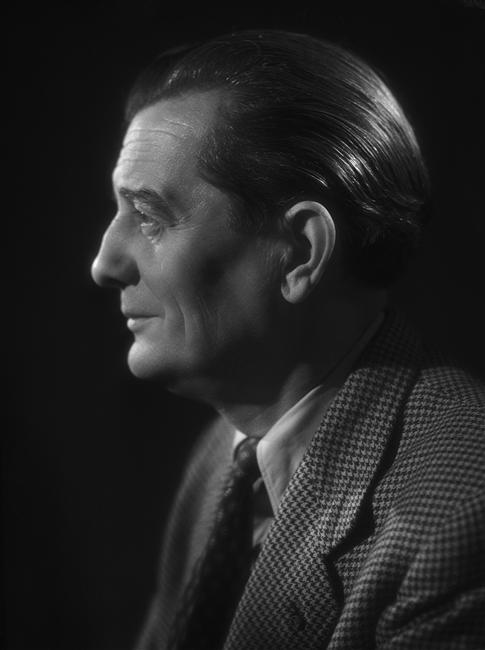
Marcel Paul Pagnol (/pəˈnjɒl, pæ-/, also US: /pɑːˈnjɔːl/ pah-NYAWL; French: [maʁsɛl pɔl paɲɔl]; 28 February 1895 – 18 April 1974) was a French novelist, playwright, and filmmaker. Regarded as an auteur, in 1946, he became the first filmmaker elected to the Académie française. Pagnol is generally regarded as one of France's greatest 20th-century writers and is notable for his prominence in multiple eminent mediums—memoir, novel, theatre and film.
Pagnol was born on 28 February 1895 in Aubagne, Bouches-du-Rhône department, in southern France near Marseille, the eldest son of schoolteacher Joseph PagnolA and seamstress Augustine Lansot.B He was secretly baptised at the Église Saint-Charles in Marseilles. Marcel Pagnol grew up in Marseille with his younger brothers Paul and René, and younger sister Germaine.
In July 1904, the family rented the Bastide Neuve, – a house in the sleepy Provençal village of La Treille – for the summer holidays, the first of many spent in the hilly countryside between Aubagne and Marseille. About the same time, Augustine's health, which had never been robust, began to noticeably decline and on 16 June 1910 she succumbed to a chest infection ("mal de poitrine") and died, aged 36. Joseph remarried in 1912.
In 1913, at the age of 18, Marcel passed his baccalaureate in philosophy and started studying literature at the university in Aix-en-Provence. When World War I broke out, he was called up into the infantry at Nice but in January 1915 he was discharged because of his poor constitution ("faiblesse de constitution''). On 2 March 1916, he married Simone Colin in Marseille and in November graduated in English. He became an English teacher, teaching in various local colleges and at a lycée in Marseille.
In 1922, he moved to Paris, where he taught English until 1927, when he decided instead to devote his life to playwriting. During this time, he belonged to a group of young writers, in collaboration with one of whom, Paul Nivoix, he wrote the play, Merchants of Glory, which was produced in 1924. This was followed, in 1928, by Topaze, a satire based on ambition. Exiled in Paris, he returned nostalgically to his Provençal roots, taking this as his setting for his play Marius, which later became the first of his works to be adapted into a film in 1931.
Separated from Simone Collin since 1926 (though not divorced until 1941), he formed a relationship with the young English dancer Kitty Murphy. Their son Jacques Pagnol was born on 24 September 1930. (Jacques later became his father's assistant and subsequently a cameraman for France 3 Marseille.)
In 1929, on a visit to London, Pagnol attended a screening of one of the first talking films and he was so impressed that he decided to devote his efforts to cinema. He contacted Paramount Picture studios and suggested adapting his play Marius for cinema. The film was directed by Alexander Korda and released on 10 October 1931. It became one of the first successful French-language talking films.
In 1932, Pagnol founded his own film production studios in the countryside near Marseille. Over the next decade Pagnol produced his own films, taking many different roles in the production – financier, director, script writer, studio head, and foreign-language script translator – and employing the greatest French actors of the period, also owning film laboratories and several movie theaters in Marseille. Pagnol built a production system that was nearly unique as it allowed him to control all the aspects of his film's production, including distribution. His business came to a near-complete end during World War II as both the Nazi occupiers and the Vichy administration wanted to get hold of his film studio's equipment. Pagnol pretexted that his company was failing in order to sell it to Gaumont, and even destroyed the copies of his latest project, La Prière aux étoiles, so the German-controlled Continental Films could not get hold of it. He only kept one theater in Marseille. After the war, Pagnol created a new production company and rebuilt his filmmaking activity. On 4 April 1946, Pagnol was elected to the Académie française, taking his seat in March 1947, the first filmmaker to receive this honour.
Marcel Pagnol
Marcel Paul Pagnol (/pəˈnjɒl, pæ-/, also US: /pɑːˈnjɔːl/ pah-NYAWL; French: [maʁsɛl pɔl paɲɔl]; 28 February 1895 – 18 April 1974) was a French novelist, playwright, and filmmaker. Regarded as an auteur, in 1946, he became the first filmmaker elected to the Académie française. Pagnol is generally regarded as one of France's greatest 20th-century writers and is notable for his prominence in multiple eminent mediums—memoir, novel, theatre and film.
Pagnol was born on 28 February 1895 in Aubagne, Bouches-du-Rhône department, in southern France near Marseille, the eldest son of schoolteacher Joseph PagnolA and seamstress Augustine Lansot.B He was secretly baptised at the Église Saint-Charles in Marseilles. Marcel Pagnol grew up in Marseille with his younger brothers Paul and René, and younger sister Germaine.
In July 1904, the family rented the Bastide Neuve, – a house in the sleepy Provençal village of La Treille – for the summer holidays, the first of many spent in the hilly countryside between Aubagne and Marseille. About the same time, Augustine's health, which had never been robust, began to noticeably decline and on 16 June 1910 she succumbed to a chest infection ("mal de poitrine") and died, aged 36. Joseph remarried in 1912.
In 1913, at the age of 18, Marcel passed his baccalaureate in philosophy and started studying literature at the university in Aix-en-Provence. When World War I broke out, he was called up into the infantry at Nice but in January 1915 he was discharged because of his poor constitution ("faiblesse de constitution''). On 2 March 1916, he married Simone Colin in Marseille and in November graduated in English. He became an English teacher, teaching in various local colleges and at a lycée in Marseille.
In 1922, he moved to Paris, where he taught English until 1927, when he decided instead to devote his life to playwriting. During this time, he belonged to a group of young writers, in collaboration with one of whom, Paul Nivoix, he wrote the play, Merchants of Glory, which was produced in 1924. This was followed, in 1928, by Topaze, a satire based on ambition. Exiled in Paris, he returned nostalgically to his Provençal roots, taking this as his setting for his play Marius, which later became the first of his works to be adapted into a film in 1931.
Separated from Simone Collin since 1926 (though not divorced until 1941), he formed a relationship with the young English dancer Kitty Murphy. Their son Jacques Pagnol was born on 24 September 1930. (Jacques later became his father's assistant and subsequently a cameraman for France 3 Marseille.)
In 1929, on a visit to London, Pagnol attended a screening of one of the first talking films and he was so impressed that he decided to devote his efforts to cinema. He contacted Paramount Picture studios and suggested adapting his play Marius for cinema. The film was directed by Alexander Korda and released on 10 October 1931. It became one of the first successful French-language talking films.
In 1932, Pagnol founded his own film production studios in the countryside near Marseille. Over the next decade Pagnol produced his own films, taking many different roles in the production – financier, director, script writer, studio head, and foreign-language script translator – and employing the greatest French actors of the period, also owning film laboratories and several movie theaters in Marseille. Pagnol built a production system that was nearly unique as it allowed him to control all the aspects of his film's production, including distribution. His business came to a near-complete end during World War II as both the Nazi occupiers and the Vichy administration wanted to get hold of his film studio's equipment. Pagnol pretexted that his company was failing in order to sell it to Gaumont, and even destroyed the copies of his latest project, La Prière aux étoiles, so the German-controlled Continental Films could not get hold of it. He only kept one theater in Marseille. After the war, Pagnol created a new production company and rebuilt his filmmaking activity. On 4 April 1946, Pagnol was elected to the Académie française, taking his seat in March 1947, the first filmmaker to receive this honour.
Recent media
Recent media