



Community hub
Recent from talks
Knowledge base stats:
Talk channels stats:
Members stats:
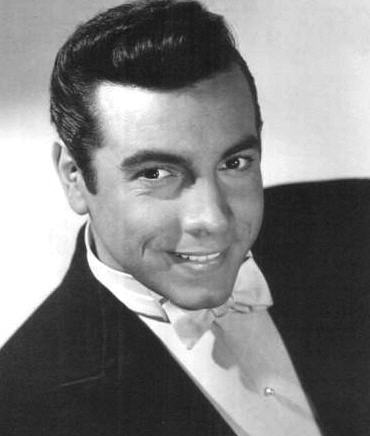
Mario Lanza
Mario Lanza (US: /ˈlɑːnzə, ˈlænzə/ LA(H)N-zə, Italian: [ˈmaːrjo ˈlantsa]; born Alfredo Arnold Cocozza [alˈfreːdo koˈkottsa]; January 31, 1921 – October 7, 1959) was an American tenor and actor. He was a Hollywood film star popular in the late 1940s and the 1950s. Lanza began studying to be a professional singer at the age of 16. After appearing at the Hollywood Bowl in 1947, Lanza signed a seven-year film contract with Louis B. Mayer, the head of Metro-Goldwyn-Mayer, who saw his performance and was impressed by his singing. Prior to that, the adult Lanza sang only two performances of an opera. The following year (1948) he sang the role of Pinkerton in Puccini's Madama Butterfly in New Orleans.
His film debut for MGM was in That Midnight Kiss (1949) with Kathryn Grayson and Ethel Barrymore. A year later, in The Toast of New Orleans, his featured popular song "Be My Love" became his first million-selling hit. In 1951, he starred as tenor Enrico Caruso, his idol, in the biopic The Great Caruso, which produced another million-seller with "The Loveliest Night of the Year" (a song which used the melody of Sobre las Olas). The Great Caruso was the 11th top-grossing film that year.
The title song of his next film, Because You're Mine, was his final million-selling hit song. The song went on to receive an Academy Award nomination for Best Original Song. After recording the soundtrack for his next film, The Student Prince, he embarked upon a protracted battle with studio head Dore Schary arising from artistic differences with director Curtis Bernhardt and was eventually fired by MGM.
Lanza was known to be "rebellious, tough, and ambitious". During most of his film career, he suffered from addictions to overeating and alcohol, which had a serious effect on his health and his relationships with directors, producers, and, occasionally, other cast members. Hollywood columnist Hedda Hopper writes that "his smile, which was as big as his voice, was matched with the habits of a tiger cub, impossible to housebreak." She adds that he was the "last of the great romantic performers". He made three more films before dying of an apparent pulmonary embolism at the age of 38. At the time of his death in 1959, he was still "the most famous tenor in the world". Author Eleonora Kimmel concludes that Lanza "blazed like a meteor whose light lasts a brief moment in time".
Born Alfredo Arnold Cocozza in Philadelphia, he was exposed to classical singing at an early age by his Abruzzese-Molisan Italian parents. His mother, Maria Lanza, was from Tocco da Casauria, a town in the province of Pescara in the region of Abruzzo. His father, Antonio Cocozza, was from Filignano, a town in the province of Isernia in the region of Molise.
By age 16, his vocal talent had become apparent. Starting out in local operatic productions in Philadelphia for the YMCA Opera Company while still in his teens, he later came to the attention of longtime (1924–49) principal Boston Symphony conductor Serge Koussevitzky. In 1942, Koussevitzky provided young Cocozza with a full student scholarship to the Berkshire Music Center at Tanglewood, Massachusetts. Reportedly, Koussevitzky later told him "Yours is a voice such as is heard once in a hundred years."
He made the first of his few appearances in opera as Fenton in Otto Nicolai's The Merry Wives of Windsor (in English) at the Berkshire Music Festival in Tanglewood on August 7, 1942, after a period of study with conductors Boris Goldovsky and Leonard Bernstein. During this time, Cocozza adopted the stage name Mario Lanza because of its similarity to his mother's maiden name, Maria Lanza.
The performances at Tanglewood won Lanza critical acclaim, with Noel Straus of The New York Times hailing the 21-year-old tenor as having "few equals among tenors of the day in terms of quality, warmth and power". Herbert Graf subsequently wrote in Opera News (October 5, 1942), "A real find of the season was Mario Lanza [...] He would have no difficulty one day being asked to join the Metropolitan Opera." Lanza sang Nicolai's Fenton twice at Tanglewood, in addition to appearing there in a one-off presentation of Act III of Puccini's La bohème with the noted Mexican soprano Irma González, baritone James Pease, and mezzo-soprano Laura Castellano. Music critic Jay C. Rosenfeld wrote in The New York Times of August 9, 1942, "Irma González as Mimì and Mario Lanza as Rodolfo were conspicuous by the beauty of their voices and the vividness of their characterizations." In an interview shortly before her own death in 2008, González recalled that Lanza was "very correct, likeable, with a powerful and beautiful voice".
Hub AI
Mario Lanza AI simulator
(@Mario Lanza_simulator)
Mario Lanza
Mario Lanza (US: /ˈlɑːnzə, ˈlænzə/ LA(H)N-zə, Italian: [ˈmaːrjo ˈlantsa]; born Alfredo Arnold Cocozza [alˈfreːdo koˈkottsa]; January 31, 1921 – October 7, 1959) was an American tenor and actor. He was a Hollywood film star popular in the late 1940s and the 1950s. Lanza began studying to be a professional singer at the age of 16. After appearing at the Hollywood Bowl in 1947, Lanza signed a seven-year film contract with Louis B. Mayer, the head of Metro-Goldwyn-Mayer, who saw his performance and was impressed by his singing. Prior to that, the adult Lanza sang only two performances of an opera. The following year (1948) he sang the role of Pinkerton in Puccini's Madama Butterfly in New Orleans.
His film debut for MGM was in That Midnight Kiss (1949) with Kathryn Grayson and Ethel Barrymore. A year later, in The Toast of New Orleans, his featured popular song "Be My Love" became his first million-selling hit. In 1951, he starred as tenor Enrico Caruso, his idol, in the biopic The Great Caruso, which produced another million-seller with "The Loveliest Night of the Year" (a song which used the melody of Sobre las Olas). The Great Caruso was the 11th top-grossing film that year.
The title song of his next film, Because You're Mine, was his final million-selling hit song. The song went on to receive an Academy Award nomination for Best Original Song. After recording the soundtrack for his next film, The Student Prince, he embarked upon a protracted battle with studio head Dore Schary arising from artistic differences with director Curtis Bernhardt and was eventually fired by MGM.
Lanza was known to be "rebellious, tough, and ambitious". During most of his film career, he suffered from addictions to overeating and alcohol, which had a serious effect on his health and his relationships with directors, producers, and, occasionally, other cast members. Hollywood columnist Hedda Hopper writes that "his smile, which was as big as his voice, was matched with the habits of a tiger cub, impossible to housebreak." She adds that he was the "last of the great romantic performers". He made three more films before dying of an apparent pulmonary embolism at the age of 38. At the time of his death in 1959, he was still "the most famous tenor in the world". Author Eleonora Kimmel concludes that Lanza "blazed like a meteor whose light lasts a brief moment in time".
Born Alfredo Arnold Cocozza in Philadelphia, he was exposed to classical singing at an early age by his Abruzzese-Molisan Italian parents. His mother, Maria Lanza, was from Tocco da Casauria, a town in the province of Pescara in the region of Abruzzo. His father, Antonio Cocozza, was from Filignano, a town in the province of Isernia in the region of Molise.
By age 16, his vocal talent had become apparent. Starting out in local operatic productions in Philadelphia for the YMCA Opera Company while still in his teens, he later came to the attention of longtime (1924–49) principal Boston Symphony conductor Serge Koussevitzky. In 1942, Koussevitzky provided young Cocozza with a full student scholarship to the Berkshire Music Center at Tanglewood, Massachusetts. Reportedly, Koussevitzky later told him "Yours is a voice such as is heard once in a hundred years."
He made the first of his few appearances in opera as Fenton in Otto Nicolai's The Merry Wives of Windsor (in English) at the Berkshire Music Festival in Tanglewood on August 7, 1942, after a period of study with conductors Boris Goldovsky and Leonard Bernstein. During this time, Cocozza adopted the stage name Mario Lanza because of its similarity to his mother's maiden name, Maria Lanza.
The performances at Tanglewood won Lanza critical acclaim, with Noel Straus of The New York Times hailing the 21-year-old tenor as having "few equals among tenors of the day in terms of quality, warmth and power". Herbert Graf subsequently wrote in Opera News (October 5, 1942), "A real find of the season was Mario Lanza [...] He would have no difficulty one day being asked to join the Metropolitan Opera." Lanza sang Nicolai's Fenton twice at Tanglewood, in addition to appearing there in a one-off presentation of Act III of Puccini's La bohème with the noted Mexican soprano Irma González, baritone James Pease, and mezzo-soprano Laura Castellano. Music critic Jay C. Rosenfeld wrote in The New York Times of August 9, 1942, "Irma González as Mimì and Mario Lanza as Rodolfo were conspicuous by the beauty of their voices and the vividness of their characterizations." In an interview shortly before her own death in 2008, González recalled that Lanza was "very correct, likeable, with a powerful and beautiful voice".