



Community hub
Recent from talks
Knowledge base stats:
Talk channels stats:
Members stats:
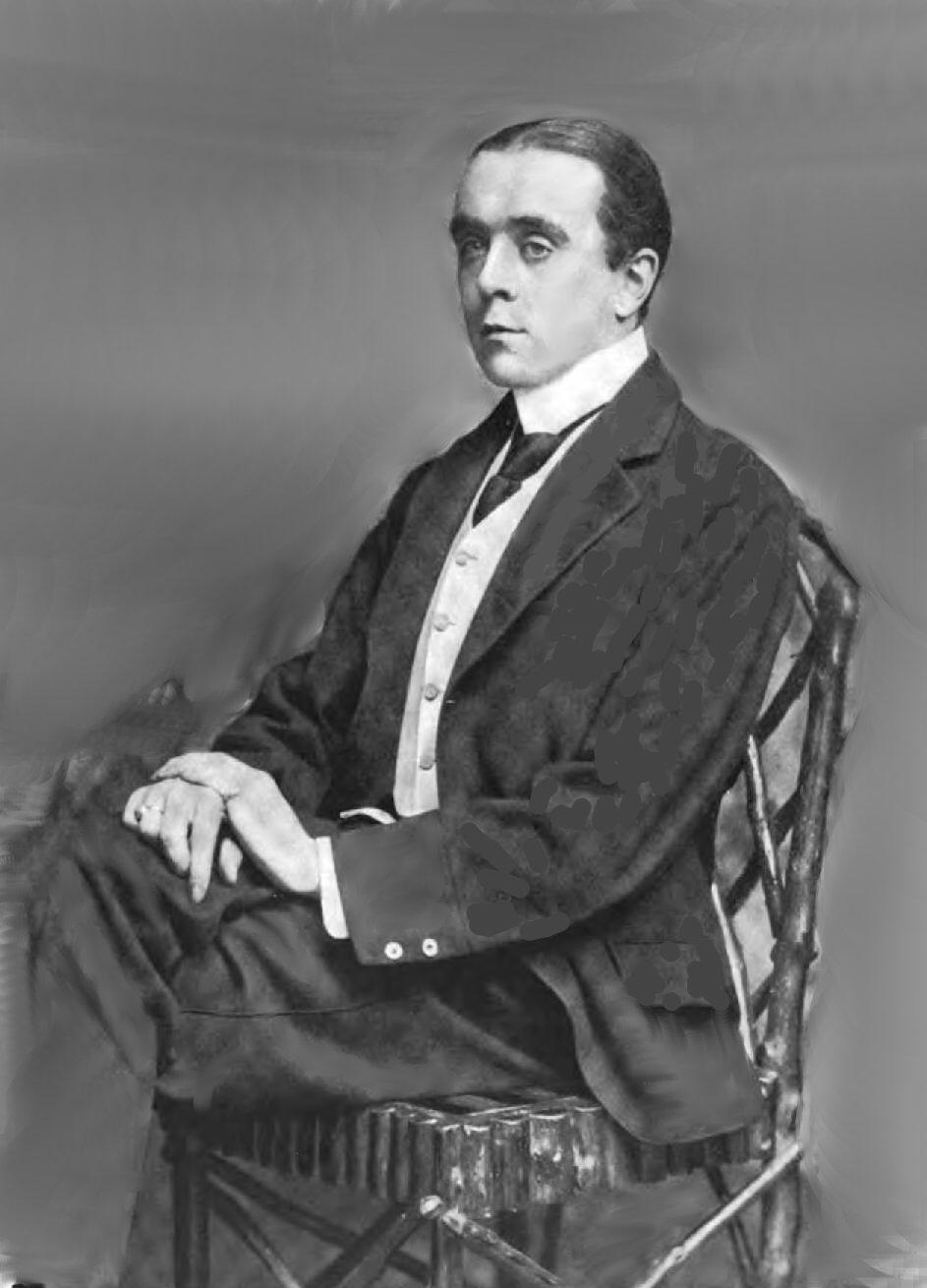
Max Beerbohm
Sir Henry Maximilian Beerbohm (24 August 1872 – 20 May 1956) was an English essayist, parodist and caricaturist under the signature Max. He first became known in the 1890s as a dandy and a humorist. He was the drama critic for the Saturday Review from 1898 until 1910, when he relocated to Rapallo, Italy. In his later years he was popular for his occasional radio broadcasts. Among his best-known works is his only novel, Zuleika Dobson, published in 1911. His caricatures, drawn usually in pen or pencil with muted watercolour tinting, are in many public collections.
Born in 57 Palace Gardens Terrace, London which is now marked with a blue plaque, Henry Maximilian Beerbohm was the youngest of nine children of a Lithuanian-born grain merchant, Julius Ewald Edward Beerbohm (1811–1892). His mother was Eliza Draper Beerbohm (c. 1833–1918), the sister of Julius's late first wife. Although the Beerbohms were supposed by some to be of Jewish descent, on looking into the question in his later years Beerbohm told a biographer:
I should be delighted to know that we Beerbohms have that very admirable and engaging thing, Jewish blood. But there seems to be no reason for supposing that we have. Our family records go back as far as 1668, and there is nothing in them compatible with Judaism.
Beerbohm was close to four half-siblings, one of whom, Herbert Beerbohm Tree, was already a renowned stage actor when Max was a child. Other older half-siblings were the author and explorer Julius Beerbohm and the author Constance Beerbohm. His nieces were Viola, Felicity and Iris Tree.
From 1881 to 1885, Max – he was always called simply "Max" and it is thus that he signed his drawings – attended the day school of a Mr Wilkinson in Orme Square. Wilkinson, Beerbohm later said, "gave me my love of Latin and thereby enabled me to write English". Mrs Wilkinson taught drawing to the students, the only lessons Beerbohm ever had in the subject.
Beerbohm was educated at Charterhouse School and Merton College, Oxford, from 1890, where he was Secretary of the Myrmidon Club. It was at school that he began writing. While at Oxford Beerbohm became acquainted with Oscar Wilde and his circle through his half-brother, Herbert Beerbohm Tree. In 1893, he met William Rothenstein, who introduced him to Aubrey Beardsley and other members of the literary and artistic circle connected with The Bodley Head.
Although he was an unenthusiastic student academically, Beerbohm became a well-known figure in Oxford social circles. He also began submitting articles and caricatures to London publications, which were met enthusiastically. "I was a modest, good-humoured boy", he recalled. "It was Oxford that has made me insufferable." In March 1893, he submitted an article on Oscar Wilde to the Anglo-American Times under the pen name "An American". Later in 1893 his essay "The Incomparable Beauty of Modern Dress" was published in the Oxford journal The Spirit Lamp by its editor, Lord Alfred Douglas.
By 1894, having developed his personality as a dandy and humourist, and already a rising star in English letters, he left Oxford without a degree. His A Defence of Cosmetics (The Pervasion of Rouge) appeared in the first edition of The Yellow Book in 1894, his friend Aubrey Beardsley being art editor at the time. At this time Wilde said of him, "The gods have bestowed on Max the gift of perpetual old age."
Hub AI
Max Beerbohm AI simulator
(@Max Beerbohm_simulator)
Max Beerbohm
Sir Henry Maximilian Beerbohm (24 August 1872 – 20 May 1956) was an English essayist, parodist and caricaturist under the signature Max. He first became known in the 1890s as a dandy and a humorist. He was the drama critic for the Saturday Review from 1898 until 1910, when he relocated to Rapallo, Italy. In his later years he was popular for his occasional radio broadcasts. Among his best-known works is his only novel, Zuleika Dobson, published in 1911. His caricatures, drawn usually in pen or pencil with muted watercolour tinting, are in many public collections.
Born in 57 Palace Gardens Terrace, London which is now marked with a blue plaque, Henry Maximilian Beerbohm was the youngest of nine children of a Lithuanian-born grain merchant, Julius Ewald Edward Beerbohm (1811–1892). His mother was Eliza Draper Beerbohm (c. 1833–1918), the sister of Julius's late first wife. Although the Beerbohms were supposed by some to be of Jewish descent, on looking into the question in his later years Beerbohm told a biographer:
I should be delighted to know that we Beerbohms have that very admirable and engaging thing, Jewish blood. But there seems to be no reason for supposing that we have. Our family records go back as far as 1668, and there is nothing in them compatible with Judaism.
Beerbohm was close to four half-siblings, one of whom, Herbert Beerbohm Tree, was already a renowned stage actor when Max was a child. Other older half-siblings were the author and explorer Julius Beerbohm and the author Constance Beerbohm. His nieces were Viola, Felicity and Iris Tree.
From 1881 to 1885, Max – he was always called simply "Max" and it is thus that he signed his drawings – attended the day school of a Mr Wilkinson in Orme Square. Wilkinson, Beerbohm later said, "gave me my love of Latin and thereby enabled me to write English". Mrs Wilkinson taught drawing to the students, the only lessons Beerbohm ever had in the subject.
Beerbohm was educated at Charterhouse School and Merton College, Oxford, from 1890, where he was Secretary of the Myrmidon Club. It was at school that he began writing. While at Oxford Beerbohm became acquainted with Oscar Wilde and his circle through his half-brother, Herbert Beerbohm Tree. In 1893, he met William Rothenstein, who introduced him to Aubrey Beardsley and other members of the literary and artistic circle connected with The Bodley Head.
Although he was an unenthusiastic student academically, Beerbohm became a well-known figure in Oxford social circles. He also began submitting articles and caricatures to London publications, which were met enthusiastically. "I was a modest, good-humoured boy", he recalled. "It was Oxford that has made me insufferable." In March 1893, he submitted an article on Oscar Wilde to the Anglo-American Times under the pen name "An American". Later in 1893 his essay "The Incomparable Beauty of Modern Dress" was published in the Oxford journal The Spirit Lamp by its editor, Lord Alfred Douglas.
By 1894, having developed his personality as a dandy and humourist, and already a rising star in English letters, he left Oxford without a degree. His A Defence of Cosmetics (The Pervasion of Rouge) appeared in the first edition of The Yellow Book in 1894, his friend Aubrey Beardsley being art editor at the time. At this time Wilde said of him, "The gods have bestowed on Max the gift of perpetual old age."