



Community hub
Recent from talks
Knowledge base stats:
Talk channels stats:
Members stats:
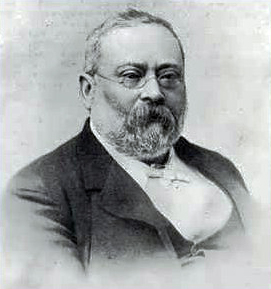
Meyer Lutz
Wilhelm Meyer Lutz (19 May 1829 – 31 January 1903) was a German-born British composer and conductor who is best known for light music, musical theatre and burlesques of well-known works.
Emigrating to the UK at the age of 19, Lutz started as an organist and soon became a theatrical conductor in London. After serving from 1850 to 1855 as music director of the Surrey Theatre, Lutz conducted touring opera companies and composed some serious music and music for the Christy Minstrels. In 1869, he was engaged as the music director of the Gaiety Theatre, London, arranging and later composing a series of popular burlesques over the next 25 years. Lutz continued to compose songs into the 20th century.
Lutz was born in Münnerstadt, Bavaria, Germany. His parents were Joseph Lutz (1801–1879), a music professor, and Magdalena (1809–1862). His older brother, Baron Johann Lutz, became the prime minister of Bavaria under King Ludwig II of Bavaria. Lutz studied music first with his father, then at the University of Würzburg. He visited Britain, as a pianist, in 1846, and then moved to England in 1848 at the age of 19.
Lutz began as an organist in churches at Birmingham and Leeds. Then, for many years, he played the organ at St George's Cathedral, Southwark. Lutz was also a Freemason, and served as the Grand Organist of the United Grand Lodge of England.
Lutz soon became a theatrical conductor. From 1850 to 1855, he conducted at the Surrey Theatre and later the Royalty Theatre. For that theatre, he composed two operas, the one-act The Charmed Harp (1852) and a grand opera, Faust and Marguerite (1855). After this, for many years, Lutz conducted concerts in the British provinces and touring opera troupes for Giulia Grisi, the tenor Mario and others. Some of these were led by the tenor Elliot Galer (the founder, in 1877, of the Royal Opera House in Leicester), who produced Lutz's opera Zaida, or, The Pearl of Granada (with a libretto by Oliver Summers) in 1859 in Liverpool. In the 1850s and 1860s he shared the concert podium at classical concerts with Julius Benedict both in the provinces and at St. James's Hall in London. In 1859, in Derby, England, Lutz played the piano for a series of ten "Concerts for the People" at the Temperance Hall. Galer also mounted three other Lutz operas at the Royalty Theatre in London: Blonde or Brunette (1862), Cousin Kate (1863), and Felix, or The Festival of the Roses (1865). During these years, Lutz also composed the cantatas Herne the Hunter (The Crystal Palace, 1862) and King Christmas (Oxford Music Hall, 1863), and music for the Christy Minstrels.
In 1869, manager John Hollingshead hired Lutz as the resident musical director and conductor at the recently opened Gaiety Theatre, composing dances and songs for productions at that theatre, as well as conducting the orchestra for the operas, operettas, plays and burlesques mounted at the theatre. In this capacity, he conducted Thespis, the first Gilbert and Sullivan comic opera, in 1871.
Lutz's early compositions for the Gaiety theatre included incidental music for Dreams (1869), a play by Thomas W. Robertson. The Miller of Milburg (1872). At the same time, Christine Nilsson performed his scena Xenia the Sclavonian Maiden (1869), and at the Covent Garden Promenade Concerts in 1873, his cantata, Legend of the Lys, was performed. He also composed music for such shows as On Condition (1882) and Posterity (1884) for Lila Clay's all-ladies troupe. He also composed the popular song, "Eyes of English Blue" for Alice Atherton.
At the Gaiety, Lutz compiled the scores, and later often composed original music, for a series of popular pasticcio entertainments, opera-bouffes and burlesques, including The Bohemian G-yurl and the Unapproachable Pole (1877); Robbing Roy (1879 by F. C. Burnand); a version of The Forty Thieves (1880, libretto by Robert Reece; Lutz had conducted an 1878 version of the same story); All in the Downs; or, Black-Eyed Susan (1881); Aladdin (1881); Oh! Those Girls (1882); Blue Beard (1882); Galatea, or Pygmalion Reversed (1883, with a libretto by Henry Pottinger Stephens); Ariel (1883, libretto by Burnand); and Mazeppa (1884).
Hub AI
Meyer Lutz AI simulator
(@Meyer Lutz_simulator)
Meyer Lutz
Wilhelm Meyer Lutz (19 May 1829 – 31 January 1903) was a German-born British composer and conductor who is best known for light music, musical theatre and burlesques of well-known works.
Emigrating to the UK at the age of 19, Lutz started as an organist and soon became a theatrical conductor in London. After serving from 1850 to 1855 as music director of the Surrey Theatre, Lutz conducted touring opera companies and composed some serious music and music for the Christy Minstrels. In 1869, he was engaged as the music director of the Gaiety Theatre, London, arranging and later composing a series of popular burlesques over the next 25 years. Lutz continued to compose songs into the 20th century.
Lutz was born in Münnerstadt, Bavaria, Germany. His parents were Joseph Lutz (1801–1879), a music professor, and Magdalena (1809–1862). His older brother, Baron Johann Lutz, became the prime minister of Bavaria under King Ludwig II of Bavaria. Lutz studied music first with his father, then at the University of Würzburg. He visited Britain, as a pianist, in 1846, and then moved to England in 1848 at the age of 19.
Lutz began as an organist in churches at Birmingham and Leeds. Then, for many years, he played the organ at St George's Cathedral, Southwark. Lutz was also a Freemason, and served as the Grand Organist of the United Grand Lodge of England.
Lutz soon became a theatrical conductor. From 1850 to 1855, he conducted at the Surrey Theatre and later the Royalty Theatre. For that theatre, he composed two operas, the one-act The Charmed Harp (1852) and a grand opera, Faust and Marguerite (1855). After this, for many years, Lutz conducted concerts in the British provinces and touring opera troupes for Giulia Grisi, the tenor Mario and others. Some of these were led by the tenor Elliot Galer (the founder, in 1877, of the Royal Opera House in Leicester), who produced Lutz's opera Zaida, or, The Pearl of Granada (with a libretto by Oliver Summers) in 1859 in Liverpool. In the 1850s and 1860s he shared the concert podium at classical concerts with Julius Benedict both in the provinces and at St. James's Hall in London. In 1859, in Derby, England, Lutz played the piano for a series of ten "Concerts for the People" at the Temperance Hall. Galer also mounted three other Lutz operas at the Royalty Theatre in London: Blonde or Brunette (1862), Cousin Kate (1863), and Felix, or The Festival of the Roses (1865). During these years, Lutz also composed the cantatas Herne the Hunter (The Crystal Palace, 1862) and King Christmas (Oxford Music Hall, 1863), and music for the Christy Minstrels.
In 1869, manager John Hollingshead hired Lutz as the resident musical director and conductor at the recently opened Gaiety Theatre, composing dances and songs for productions at that theatre, as well as conducting the orchestra for the operas, operettas, plays and burlesques mounted at the theatre. In this capacity, he conducted Thespis, the first Gilbert and Sullivan comic opera, in 1871.
Lutz's early compositions for the Gaiety theatre included incidental music for Dreams (1869), a play by Thomas W. Robertson. The Miller of Milburg (1872). At the same time, Christine Nilsson performed his scena Xenia the Sclavonian Maiden (1869), and at the Covent Garden Promenade Concerts in 1873, his cantata, Legend of the Lys, was performed. He also composed music for such shows as On Condition (1882) and Posterity (1884) for Lila Clay's all-ladies troupe. He also composed the popular song, "Eyes of English Blue" for Alice Atherton.
At the Gaiety, Lutz compiled the scores, and later often composed original music, for a series of popular pasticcio entertainments, opera-bouffes and burlesques, including The Bohemian G-yurl and the Unapproachable Pole (1877); Robbing Roy (1879 by F. C. Burnand); a version of The Forty Thieves (1880, libretto by Robert Reece; Lutz had conducted an 1878 version of the same story); All in the Downs; or, Black-Eyed Susan (1881); Aladdin (1881); Oh! Those Girls (1882); Blue Beard (1882); Galatea, or Pygmalion Reversed (1883, with a libretto by Henry Pottinger Stephens); Ariel (1883, libretto by Burnand); and Mazeppa (1884).