Hubbry Logo
MimalandMimalandMain
Open search
Mimaland
Community hub
Mimaland
logo
8 pages, 0 posts
0 subscribers
Be the first to start a discussion here.
Mimaland
Mimaland
from Wikipedia

Mimaland is an abandoned recreation water theme park in Gombak, Selangor, Malaysia. Regarded as Malaysia's first theme park, it opened in 1975 and closed down permanently in May 1994, after a landslide damaged the property.[1]

Key Information

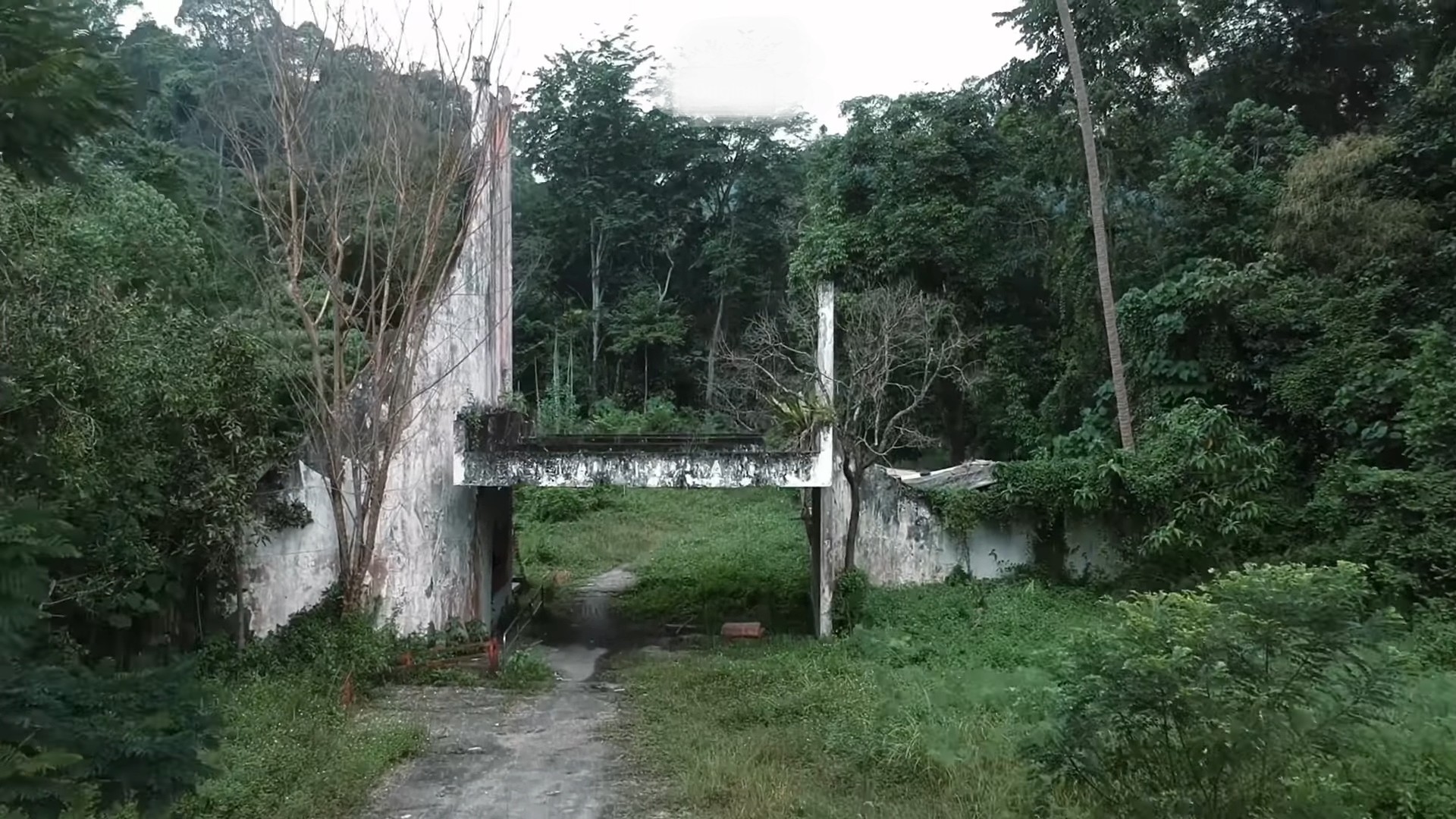
The entrance gate and remains of Mimaland still exist today.[2][3][4]

History

[edit]

Mimaland started operating in 1975. The name Mimaland is actually an acronym of the word combination Malaysia In Miniature Land. Mimaland was built on a hilly area of 300 acres (120 ha) in Ulu Gombak near Kuala Lumpur, served by an exit to the old Gombak-Bentong road. It was owned by Mimaland Berhad, a member of Magnum Group of Companies (now Magnum Corporation).

Mimaland's construction was done in phases and the theme park was opened in stages. Mimaland's first phase was completed in 1970, and consisted of 24 motels, 5 chalets and a swimming pool.

Among the main attractions, was the 'prehistoric animal park' containing dinosaur models of a very impressive size. Additionally, Mimaland also had a lake for boating and fishing activities, a 'giant maze', as well as a cross-forest area.

On 25 January 1993, a 27-year-old Singaporean technician who was on a Chinese New Year holiday was slammed by another rider while using the giant slide at the Mimaland pool.[5] He was left paralysed [5] and died due to spinal cord injuries.[6] The local authority, Gombak District Council, issued new safety measures to Mimaland on 5 February.[6]

The incident shocked the public and resulted in a temporary closure of Mimaland. After improvement was done to the giant slide, Mimaland was reopened. However, a minor landslide caused damage to the walls of the same pool in May 1994. This incident caused muddy water to seep into the pool, causing the area to close to the public.

Several parties, including government agencies, took the management of Mimaland to court on a number of offenses, among which were security control issues. As a result, the court barred Mimaland from continuing its operations. Mimaland was closed permanently in 1994. Mimaland relics still exist to this day.

References

[edit]
Revisions and contributorsEdit on WikipediaRead on Wikipedia
from Grokipedia
Mimaland was Malaysia's first theme park, a 120-hectare and miniature attraction complex in Ulu Gombak, , that operated from 1975 until its permanent closure in 1994 due to safety concerns including a fatal accident on the giant slide in 1993 and a 1994 . Owned by Mimaland Berhad, a of the Magnum Group, it was situated on hilly terrain approximately 20 kilometers from and drew crowds in the and with its innovative features blending education, entertainment, and leisure. The park's centerpiece was a prehistoric animal park featuring life-sized replicas of prehistoric animals, including dinosaurs, which captivated visitors seeking a mix of thrill and wonder. Complementing this were extensive water-based attractions such as towering slides, a man-made lake for and , a , and forested trails with a , all designed to provide escapism from urban life. Accommodation options included a 24-room , 10 lakefront chalets, and a lodge with four dormitories offering 100 beds, making it a popular spot for overnight stays and even filming locations for Malaysian movies like Mekanik (1983) and Gila-Gila Remaja (1986). Since its closure, Mimaland has lain abandoned, overtaken by lush vegetation and becoming a site of urban exploration, local ghost stories, and cultural intrigue, though it remains off-limits to the public due to structural decay and safety hazards. Efforts to redevelop the , including a 2011 proposal, were abandoned by 2015, leaving its legacy as a pioneering yet poignant chapter in Malaysia's entertainment history.

Overview

Location and Site

Mimaland is situated in Ulu Gombak, within the of , , approximately 20 km north of . This positioning along the old Gombak-Bentong road provided convenient access from the capital, making it an accessible destination for urban dwellers. The park occupied a site of 300 acres (120 hectares) on undulating hilly terrain, featuring natural hillsides, valleys, and waterways integrated with a man-made lake. Its geographic coordinates are approximately 3°17′06″N 101°43′22″E. Nestled amid mature and near settlements, the surrounding environment of forested hills offered a serene contrast to the nearby urban sprawl of , enhancing its role as a recreational getaway. The site's natural and lush contributed to its initial appeal as an eco-integrated leisure spot.

Founding and Ownership

Mimaland was established by Mimaland Berhad, a of Multi-Purpose Holdings Berhad (now known as ), part of the Magnum Group of Companies, which was incorporated in 1968 and focused on diversified investments. The development of the site in Ulu Gombak, , began in phases during the late 1960s, with the first phase completed by 1970 to lay the groundwork for what would become Malaysia's pioneering theme park venture. The first phase, completed in 1970, featured 24 motel rooms, chalets, and a . Subsequent phases culminated in the full park opening in 1975. The project's origins stemmed from the Magnum Group's expansion into recreational facilities, aiming to create a comprehensive destination on approximately 300 acres of hilly terrain. Early planning emphasized family-oriented amenities to attract visitors seeking affordable getaways near . This foundational phase represented an investment in basic hospitality infrastructure, setting the stage for subsequent attractions without immediate large-scale capital outlays for themed elements. Conceived as "Malaysia In Miniature Land," Mimaland's vision was to serve as a recreational hub that highlighted Malaysian culture through miniaturized representations and natural features, blending with to foster national pride and . As 's inaugural theme park, it sought to fill a gap in domestic leisure options by offering an accessible alternative to international destinations, with planning focused on phased rollouts to manage costs and test public interest. The full park opened in 1975, marking the realization of this ambitious corporate initiative by the Magnum Group.

Attractions

Water and Recreational Features

Mimaland's primary water attraction was a large , touted as one of the largest in during its operational years, equipped with a prominent giant slide that provided thrilling descents for visitors of various ages. This facility served as the centerpiece for aquatic recreation, allowing guests to swim, relax, and engage in water-based play in a controlled environment designed for family enjoyment. The pool's design emphasized accessibility and fun, drawing crowds seeking respite from the tropical heat. Complementing the pool, Mimaland featured a scenic lake dedicated to and activities, where visitors could rent pedal boats and rowboats to navigate its calm waters. These options promoted leisurely outings, with pedal boats offering a pedal-powered experience suitable for groups and families, while rowboats allowed for more traditional amid the park's natural surroundings. was a popular pastime, enabling guests to cast lines for local species in a recreational setting that blended leisure with light . Beyond aquatic elements, the park included a cross-forest area designated for nature walks and , providing trails through the surrounding for immersive hikes and exploration. These paths encouraged visitors to appreciate the local and , fostering a connection to the environment as part of the park's leisure offerings. The initial pool facilities, established in the mid-1970s as part of the site's early development phase, laid the foundation for these water-centric amenities, integrating them into the broader recreational landscape. Some water areas were positioned near themed prehistoric models, enhancing the visual appeal of these recreational zones.

Themed Exhibits and Land Attractions

Mimaland's themed exhibits and land attractions centered on educational and adventurous elements that highlighted 's and prehistoric wonders, aligning with its name, an for "Malaysia in Miniature Land." These land-based features complemented the park's overall concept by offering interactive and immersive experiences on its 300-acre hilly terrain in Ulu Gombak, drawing families and school groups for exploration beyond aquatic activities. A standout attraction was the prehistoric animal park, which showcased large-scale replicas of dinosaurs and other ancient creatures set amid a simulated rainforest environment. Visitors could walk among life-sized models, including Tyrannosaurus rex and , designed to educate on while evoking a sense of wonder; the park as a whole attracted 500,000 visitors in its first three years. The static figures, constructed from and , emphasized scale and detail to mimic Jurassic-era scenes, making it one of Mimaland's most iconic land features. The giant provided an interactive adventure, challenging guests to navigate its winding paths constructed from hedges and wooden barriers across a significant portion of the park grounds. This structure encouraged problem-solving and family bonding, with paths leading to scenic viewpoints or hidden surprises tied to the park's thematic elements. Embodying the "Miniature Land" ethos, the park included scaled-down replicas of Malaysian landmarks and cultural sites, allowing visitors to tour representations of national icons in a compact, accessible format. These exhibits highlighted architectural and historical aspects of , such as traditional buildings and monuments, fostering national pride through visual storytelling without requiring extensive travel. Amusement rides were scaled to fit the park's miniature and educational theme, featuring basic like a rocking ride and a circular spinner for younger visitors, alongside mechanical horses in dedicated play areas. These rides provided gentle thrills integrated with the surrounding exhibits, enhancing the exploratory nature of land visits.

Accommodations

Mimaland provided a variety of options to accommodate visitors seeking extended stays, allowing families, groups, and budget-conscious travelers to immerse themselves in the park's offerings without daily commutes. The accommodations were strategically located within the 300-acre site in Ulu Gombak, ensuring easy access to key recreational areas such as the water slides, pools, and themed exhibits. Central to the lodging facilities were 24 rooms, designed specifically for families and larger groups, featuring basic amenities like air-conditioned spaces and proximity to on-site dining and parking. These rooms formed part of the park's initial development phase completed in , emphasizing convenience for overnight guests arriving via the nearby Gombak-Bentong road. Complementing the motels were 10 chalets, constructed on stilts over the park's artificial lake to offer a more secluded and nature-oriented experience, blending rustic charm with views of the surrounding hilly terrain. For more economical options, Mimaland included four dormitories housed in a central lodge, providing a total of 100 beds tailored to budget travelers, school groups, and youth organizations. These shared facilities promoted a communal atmosphere, with shared bathrooms and lounges that facilitated group activities while maintaining close integration with the park's entrance and leisure zones. Overall, the accommodations underscored Mimaland's vision as a self-contained destination, operational from its 1975 opening until closure in 1994.

History

Establishment and Opening

The development of Mimaland, owned by Mimaland Berhad, involved a phased rollout beginning with the completion of its initial infrastructure in 1970, which featured a , 10 chalets, and a to accommodate early visitors. This foundational phase laid the groundwork on the 300-acre hilly site in Ulu Gombak, , approximately 20 km from , setting the stage for subsequent expansions that integrated recreational and themed elements. Construction progressed through additional stages, culminating in the official opening of Mimaland as Malaysia's first dedicated theme park in July 1975. The park debuted with a range of attractions, including water slides, a man-made lake for boating, and life-sized prehistoric animal replicas, transforming the site into a comprehensive leisure destination. Marketed as a family-oriented escape from urban life, Mimaland—short for Malaysia in Miniature Land—emphasized showcases of miniature Malaysian landmarks alongside its recreational facilities to highlight national heritage in an engaging format. Upon launch, the park received enthusiastic reception, drawing huge crowds and establishing itself as a popular spot for quick getaways, particularly among families seeking affordable entertainment near the capital.

Peak Operations and Incidents

During the and , Mimaland reached the height of its operations as Malaysia's premier theme park, drawing thousands of visitors annually and establishing itself as a popular weekend getaway for families and locals from and surrounding areas. The park's expansive 300-acre site, featuring water attractions, themed exhibits, and recreational facilities, capitalized on the era's growing and trends, with peak crowds flocking during holidays and weekends to enjoy features like Southeast Asia's largest and life-sized replicas. This period marked robust operational success, supported by on-site accommodations and diverse activities that catered to all ages, solidifying Mimaland's reputation as a groundbreaking entertainment hub in a time when such parks were novel in the region. However, the park encountered ongoing operational challenges, particularly in and crowd management amid surging during busy seasons. Throngs of visitors strained resources, leading to difficulties in overseeing large groups across the hilly terrain and water-based attractions, which occasionally resulted in minor injuries from rides, prompting reviews in the early . Government agencies issued early warnings about inadequate security and control measures, with multiple parties, including regulatory bodies, pursuing legal action against the management for operational lapses that compromised visitor . In , two boys drowned in the park, highlighting early deficiencies as it operated without proper approvals. The most significant incident occurred on January 25, 1993, when a 27-year-old Singaporean tourist on holiday suffered a fatal spinal injury after being struck by another rider on the giant slide at the park's main pool. The accident, which involved the victim being slammed mid-descent, shocked the public and prompted an immediate temporary closure of Mimaland for investigation. Authorities ordered enhancements to safety protocols, including modifications to the slide, after which the park reopened; this event highlighted broader technical and safety deficiencies that had been flagged in prior government oversight.

Closure and Aftermath

In May 1994, during ongoing renovations at the area, a minor occurred, damaging the pool walls and allowing muddy water to the facility, which prompted an immediate and indefinite closure of the park. Government agencies, including local authorities, initiated legal proceedings against Mimaland's management, citing violations related to safety standards, inadequate security measures, and from the site's operations on hilly terrain. The courts intervened, issuing an order to halt all activities pending resolution, which ultimately resulted in the permanent closure announcement later that year by Mimaland Berhad, the park's operating company. The shutdown led to the of certain assets by Mimaland Berhad as part of winding down operations, though much of the site's was left in place. In the short term, the closure disrupted the local economy in the Gombak area, where the park had been a key employer for hundreds of staff and a major draw for regional , contributing to a temporary decline in visitor-related businesses. This event also marked a pivotal shift in Malaysia's theme park landscape, paving the way for newer developments like to dominate the industry in the ensuing years.

Legacy

Current Status and Exploration

Since its permanent closure in 1994, Mimaland has remained abandoned, allowing nature to progressively reclaim the 300-acre site in Gombak, . Overgrown forests have enveloped the once-vibrant attractions, with dense foliage covering dilapidated structures such as crumbling villas, collapsed exhibition halls, and decaying life-sized models that now stand as rusted relics amid . More than three decades of neglect have led to significant structural decay, including rusted water slides and eroded pathways, transforming the area into an eerie, hazardous landscape. The site is privately owned and officially off-limits to the public due to safety risks from unstable buildings and , with an entrance gate and occasional presence deterring access. Despite these restrictions, Mimaland has gained popularity among urban explorers, who undertake a roughly 3-kilometer trek through hilly to document the site's natural reclamation and remnants. Reports highlight the challenges of navigating the dark, overgrown paths, where explorers capture photographs of the decayed features, often sharing experiences on social platforms while noting the site's appeal for and thrill-seeking. Trespassing remains illegal, yet informal guided tours have emerged, charging small fees for entry. Adding to its allure, Mimaland is steeped in rumors of hauntings, fueled by its tragic and isolated setting. Visitors have reported sightings of a solitary wandering the grounds, along with feelings of being watched, and encounters with entities like —mythical forest spirits in . These unverified tales, including ghostly apparitions tied to past incidents, contribute to the site's reputation as a hotspot among explorers.

Cultural Impact

Mimaland's abandoned status has profoundly influenced Malaysian popular culture, most notably through its inspiration for the 2020 horror film Miimaland, directed by Nevin Hiong and starring as a investigator exploring the site's eerie mysteries. The movie, which premiered on September 24, 2020, and won Best and Best Director awards at the Toronto International Alternative Film Festival in 2021, portrays the park as a haunted location tied to events, drawing directly from local and the site's post-closure reputation. This cinematic depiction has amplified Mimaland's allure, blending real historical elements with fictional to engage younger audiences unfamiliar with the park's operational era. As Malaysia's pioneering theme park, opened in 1975 as the nation's first dedicated entertainment complex, Mimaland holds significant nostalgic value, evoking fond family memories from the 1970s and 1980s when it served as a premier holiday destination for urban and rural visitors alike. Older generations often recall joyous outings amid its water slides, exhibits, and miniature landmarks, with shared photographs and personal anecdotes on platforms preserving these recollections as symbols of a simpler, pre-digital in Malaysian leisure. The park's closure in 1994, prompted by a , acted as a catalyst for these nostalgic narratives, transforming it into a cultural touchstone for lost innocence in Malaysia's rapid modernization. Mimaland has also embedded itself in Malaysia's rich tapestry of urban legends and ghost stories, contributing to the of haunted sites across the country. Local tales frequently describe apparitions such as a woman in white wandering the overgrown ruins and sightings of —mythical forest spirits from Malay tradition—lurking among the decayed structures, often linked to the spirits of alleged landslide victims. These narratives, perpetuated through oral histories and online forums, position Mimaland as a modern extension of Malaysia's lore, where abandoned places become vessels for collective fears and curiosities about the unseen. In broader comparisons to other defunct amusement parks worldwide, such as Japan's , which similarly succumbed to competition and safety lapses before demolition, Mimaland underscores vulnerabilities in early theme park models reliant on novelty without robust maintenance. For contemporary Malaysian tourism, the park's downfall—marked by recurring technical failures and environmental hazards—offers key lessons in prioritizing safety regulations, sustainable site selection, and to prevent similar abandonments amid growing regional competition from parks like . These insights have informed policy discussions on resilient infrastructure, ensuring that modern developments balance with operational longevity.
Add your contribution
Related Hubs
User Avatar
No comments yet.