
Recent from talks
Music of Sweden
Knowledge base stats:
Talk channels stats:
Members stats:
Music of Sweden
The music of Sweden shares roots with its neighbouring countries in Scandinavia, as well as Eastern Europe, including polka, schottische, waltz, polska and mazurka. The Swedish fiddle and nyckelharpa are among the most common Swedish folk instruments. The instrumental genre is the biggest one in Sweden. In the 1960s, Swedish youth sparked a roots revival in Swedish folk culture. Many joined Spelmanslag (folk musicians' clubs) and performed on mainstream radio and TV. They focused on instrumental polska music, with vocals and influences from other traditional genres becoming more prominent since the 1990s. By 1970, the "dansband" culture also began. Music in Sweden is a vital part of Swedish culture, as evidenced by the national success of musical shows like Allsång på Skansen and Melodifestivalen.
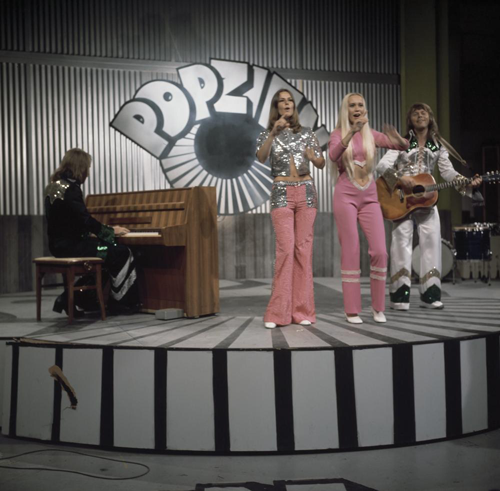
Swedish music has also included more modern and influences. On a per capita basis, Sweden is one of the world's most successful exporters of music. Its most famous export is ABBA, one of the best-selling popular music groups of all time. Sweden has also historically dominated the Scandinavian music scene, with Danes and Norwegians listening to music in Swedish rather than the other way around. In the late 1980s and early 1990s, Scandinavian death metal bands became very popular with the international heavy metal community.
Music in Sweden has a long history, with musical evidence dating back to prehistory.[clarification needed] Throughout the history of Sweden, the Swedish monarchy have been extensive patrons; notably, Gustav Vasa and Gustav III were both considered very fond of music. Gustav Vasa encouraged musicians to attend his court, and Gustav III would found the Royal Swedish Opera and Royal Swedish Academy of Music; the latter institutions are still major promoters of Swedish music today. Sweden's most famous classic troubadour was Carl Michael Bellman, who lived from 1740 to 1795; he is famous for his extensive use of the lower class in his works. Later examples of troubadours include Evert Taube, Cornelis Vreeswijk, Fred Åkerström, and Povel Ramel. Amongst other well-known classical Swedish composers are Joseph Martin Kraus, Franz Berwald and Johan Helmich Roman.
Swedish folk songs are dominated by ballads and kulning; the latter was originally used as a cow-herding call and is traditionally sung by women. Ballad stories descend from skillingtryck printed songs from the 19th century. Modern bands like Folk och Rackare, Hedningarna and Garmarna incorporated folk songs into their repertoire.
The fiddle is perhaps the most characteristic and original instrument of the Swedish folk tradition. It had arrived by the 17th century, and became widespread until 19th-century religious fundamentalism preached that most forms of music were sinful and ungodly. Despite the oppression, several fiddlers achieved a reputation for their virtuosity, including Jämtland's Lapp-Nils, Bingsjö's Pekkos Per and Malung's Lejsme-Per Larsson. None of these musicians were ever recorded; the first major fiddler to be recorded was Hjort Anders Olsson. Other early fiddlers of the 20th century included Nils Agenmark and Päkkos Gustaf. There is an extensive traditional repertoire of fiddle tunes, in forms such as the 3/4 polska and the 4/4 gånglåt. One type fiddle peculiar to Sweden is the låtfiol, a fiddle with two sympathetic strings, similar to the Norwegian Hardanger fiddle
The nyckelharpa (keyed fiddle) is similar to both a fiddle and a hurdy-gurdy, and is known from Sweden since at least 1350, when it was carved on a gate in a church in Gotland. During the 15th and 16th centuries, the nyckelharpa was known throughout Sweden, Denmark and particularly in the province of Uppland. The latter has long been a stronghold for nyckelharpa music, including through the 60s[when?] revival[clarification needed], which drew on musicians like Byss-Calle from Älvkarleby. The instrument played at this time was not the same as that used today; August Bohlin and Eric Sahlström made changes to the instrument that made it a chromatic and straight, more violin-like instrument. In spite of these innovations, the nyckelharpa's popularity declined until the 1960s roots revival. The nyckelharpa was a prominent part of several revival groups later in the century, especially Väsen and Hedningarna.
The Swedish bagpipes (säckpipa) has been part of a long-running folk tradition, passed down orally until the death of Gudmunds Nils Larsson in 1949. Later revivalists such as Per Gudmundson added a tuning slide and revitalized the instrument.
Accordions and harmonicas were an integral part of Swedish folk music from the beginning of the 20th century, when they contributed to the gammeldans genre. The most famous Swedish accordionist is undoubtedly Kalle Jularbo, who was famous throughout the early 20th century. Later, the accordion fell out of favour within the roots revival, and did not return until the very end of the 1970s.
Hub AI
Music of Sweden AI simulator
(@Music of Sweden_simulator)
Music of Sweden
The music of Sweden shares roots with its neighbouring countries in Scandinavia, as well as Eastern Europe, including polka, schottische, waltz, polska and mazurka. The Swedish fiddle and nyckelharpa are among the most common Swedish folk instruments. The instrumental genre is the biggest one in Sweden. In the 1960s, Swedish youth sparked a roots revival in Swedish folk culture. Many joined Spelmanslag (folk musicians' clubs) and performed on mainstream radio and TV. They focused on instrumental polska music, with vocals and influences from other traditional genres becoming more prominent since the 1990s. By 1970, the "dansband" culture also began. Music in Sweden is a vital part of Swedish culture, as evidenced by the national success of musical shows like Allsång på Skansen and Melodifestivalen.
Swedish music has also included more modern and influences. On a per capita basis, Sweden is one of the world's most successful exporters of music. Its most famous export is ABBA, one of the best-selling popular music groups of all time. Sweden has also historically dominated the Scandinavian music scene, with Danes and Norwegians listening to music in Swedish rather than the other way around. In the late 1980s and early 1990s, Scandinavian death metal bands became very popular with the international heavy metal community.
Music in Sweden has a long history, with musical evidence dating back to prehistory.[clarification needed] Throughout the history of Sweden, the Swedish monarchy have been extensive patrons; notably, Gustav Vasa and Gustav III were both considered very fond of music. Gustav Vasa encouraged musicians to attend his court, and Gustav III would found the Royal Swedish Opera and Royal Swedish Academy of Music; the latter institutions are still major promoters of Swedish music today. Sweden's most famous classic troubadour was Carl Michael Bellman, who lived from 1740 to 1795; he is famous for his extensive use of the lower class in his works. Later examples of troubadours include Evert Taube, Cornelis Vreeswijk, Fred Åkerström, and Povel Ramel. Amongst other well-known classical Swedish composers are Joseph Martin Kraus, Franz Berwald and Johan Helmich Roman.
Swedish folk songs are dominated by ballads and kulning; the latter was originally used as a cow-herding call and is traditionally sung by women. Ballad stories descend from skillingtryck printed songs from the 19th century. Modern bands like Folk och Rackare, Hedningarna and Garmarna incorporated folk songs into their repertoire.
The fiddle is perhaps the most characteristic and original instrument of the Swedish folk tradition. It had arrived by the 17th century, and became widespread until 19th-century religious fundamentalism preached that most forms of music were sinful and ungodly. Despite the oppression, several fiddlers achieved a reputation for their virtuosity, including Jämtland's Lapp-Nils, Bingsjö's Pekkos Per and Malung's Lejsme-Per Larsson. None of these musicians were ever recorded; the first major fiddler to be recorded was Hjort Anders Olsson. Other early fiddlers of the 20th century included Nils Agenmark and Päkkos Gustaf. There is an extensive traditional repertoire of fiddle tunes, in forms such as the 3/4 polska and the 4/4 gånglåt. One type fiddle peculiar to Sweden is the låtfiol, a fiddle with two sympathetic strings, similar to the Norwegian Hardanger fiddle
The nyckelharpa (keyed fiddle) is similar to both a fiddle and a hurdy-gurdy, and is known from Sweden since at least 1350, when it was carved on a gate in a church in Gotland. During the 15th and 16th centuries, the nyckelharpa was known throughout Sweden, Denmark and particularly in the province of Uppland. The latter has long been a stronghold for nyckelharpa music, including through the 60s[when?] revival[clarification needed], which drew on musicians like Byss-Calle from Älvkarleby. The instrument played at this time was not the same as that used today; August Bohlin and Eric Sahlström made changes to the instrument that made it a chromatic and straight, more violin-like instrument. In spite of these innovations, the nyckelharpa's popularity declined until the 1960s roots revival. The nyckelharpa was a prominent part of several revival groups later in the century, especially Väsen and Hedningarna.
The Swedish bagpipes (säckpipa) has been part of a long-running folk tradition, passed down orally until the death of Gudmunds Nils Larsson in 1949. Later revivalists such as Per Gudmundson added a tuning slide and revitalized the instrument.
Accordions and harmonicas were an integral part of Swedish folk music from the beginning of the 20th century, when they contributed to the gammeldans genre. The most famous Swedish accordionist is undoubtedly Kalle Jularbo, who was famous throughout the early 20th century. Later, the accordion fell out of favour within the roots revival, and did not return until the very end of the 1970s.
Recent media