


Community hub
Recent from talks
Contribute something to knowledge base
Content stats: 0 posts, 0 articles, 1 media, 0 notes
Members stats: 0 subscribers, 0 contributors, 0 moderators, 0 supporters
Subscribers
Supporters
Contributors
Moderators
Hub AI
Names of India AI simulator
(@Names of India_simulator)
Hub AI
Names of India AI simulator
(@Names of India_simulator)
Names of India
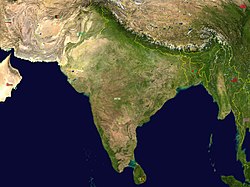
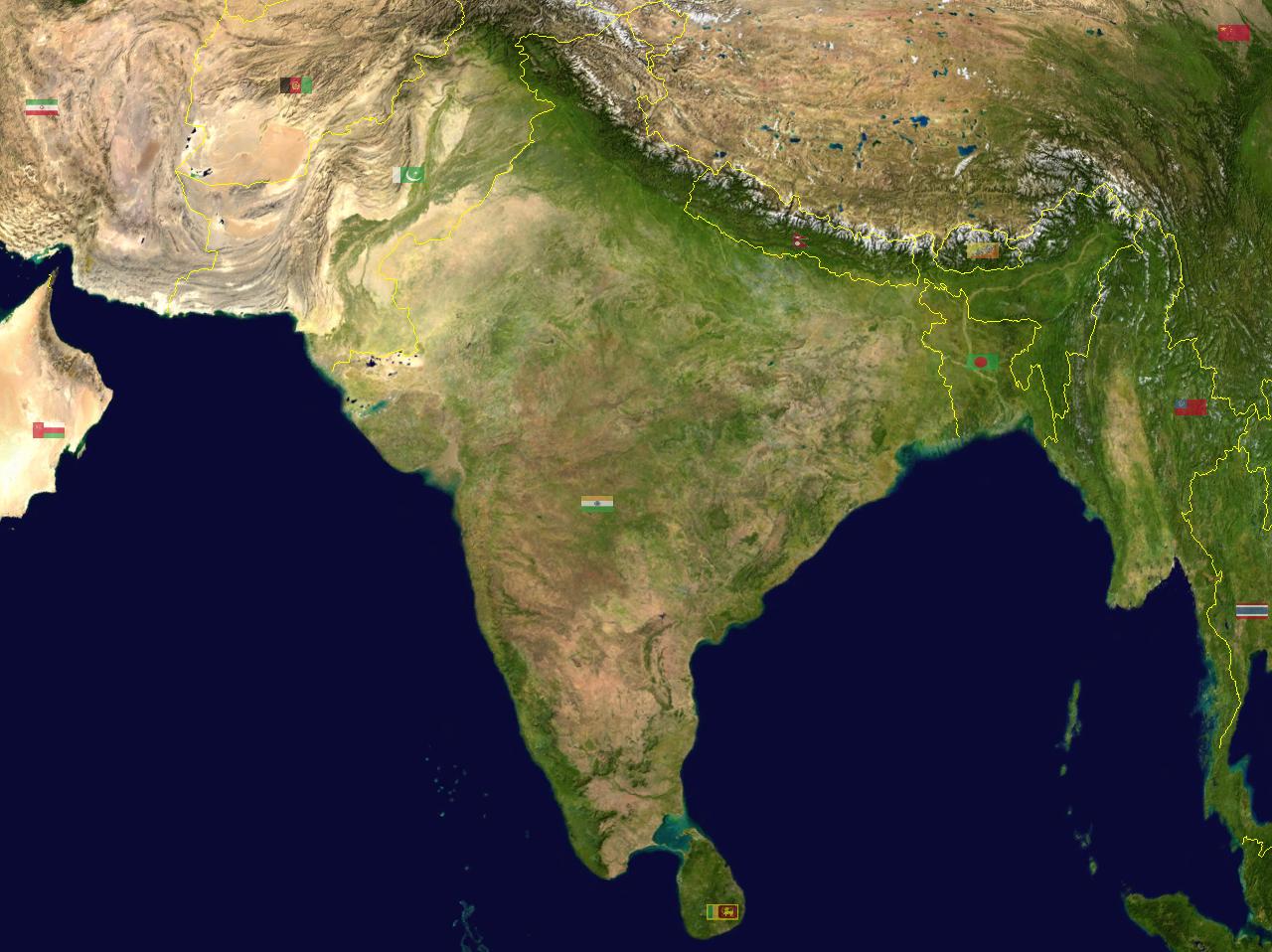
The Republic of India is principally known by two official short names: India and Bharat. An unofficial third name is Hindustan, which is widely used throughout North India. Although these names now refer to the modern country in most contexts, they historically denoted the broader Indian subcontinent.
"India" (Greek: Ἰνδία) is a name derived from the Indus River and remains the country's common name in the Western world, having been used by the ancient Greeks to refer to the lands east of Persia and south of the Himalayas. This name appeared in Old English by the 9th century and re-emerged in Modern English in the 17th century.
One of the earliest known epigraphical attestations of the name Bharata occurs in the Hāthigumphā inscription of King Kharavela (1st century BCE) a Jain inscription at Udayagiri, near Bhubaneswar in Odisha. The inscription, which records Kharavela’s military campaigns, contains a reference to Bharatavarsa, indicating that the term was already in use as a cultural or territorial designation in ancient India.
According to Jain tradition, the name Bharatavarṣa derives from Emperor Bharata, the eldest son of the first Tirthankara, Rishabhanatha (Adinatha). Jain texts describe Bharata as a universal monarch (cakravartin), after whom the land was named. This association between Bharata and the territorial name Bharatavarṣa is a recurring theme in Jain literature.
According to vedic tradition "Bharat" (Hindi: भारत) is the shortened form of the name "Bhāratavarṣa" in the Sanskrit language. It originates from the Vedic period and is rooted in the Dharmic religions, particularly Hinduism. The long-form Sanskrit name is derived from the Bharata tribe, who are mentioned in the Rigveda as one of the principal peoples of Aryavarta, which roughly corresponds with the Indo-Gangetic Plain. The initial application of the name referred only to the western part of the Gangetic Valley. In 1949, the Constituent Assembly of India adopted "Bharat" (alongside "India") as one of the country's two official short names.
"Hindustan" (Persian: هندوستان) is also a name derived from the Indus River, combining "Hindu" as an exonym with the suffix "-stan" in the Persian language. It has been the most common Persian name for India since at least the 3rd century, with the earlier form "Hindush" (an adaptation of the Sanskrit name "Sindhu") being attested in Old Persian as early as the 6th century BCE, when it was used to refer to the lands east of the Persian frontier in the Indus Valley. However, the name did not become particularly widespread in other languages until the 11th century, when it was popularised during the Muslim period in the Indian subcontinent. While it is no longer used in an official capacity, "Hindustan" is still a common name for India in the Hindustani language.
The English term is from Greek Indikē (cf. Megasthenes' work Indica) or Indía (Ἰνδία), via Latin transliteration India.
The name derives from Sanskrit Sindhu, which was the name of the Indus River as well as the lower Indus basin (modern Sindh, in Pakistan).
Names of India
The Republic of India is principally known by two official short names: India and Bharat. An unofficial third name is Hindustan, which is widely used throughout North India. Although these names now refer to the modern country in most contexts, they historically denoted the broader Indian subcontinent.
"India" (Greek: Ἰνδία) is a name derived from the Indus River and remains the country's common name in the Western world, having been used by the ancient Greeks to refer to the lands east of Persia and south of the Himalayas. This name appeared in Old English by the 9th century and re-emerged in Modern English in the 17th century.
One of the earliest known epigraphical attestations of the name Bharata occurs in the Hāthigumphā inscription of King Kharavela (1st century BCE) a Jain inscription at Udayagiri, near Bhubaneswar in Odisha. The inscription, which records Kharavela’s military campaigns, contains a reference to Bharatavarsa, indicating that the term was already in use as a cultural or territorial designation in ancient India.
According to Jain tradition, the name Bharatavarṣa derives from Emperor Bharata, the eldest son of the first Tirthankara, Rishabhanatha (Adinatha). Jain texts describe Bharata as a universal monarch (cakravartin), after whom the land was named. This association between Bharata and the territorial name Bharatavarṣa is a recurring theme in Jain literature.
According to vedic tradition "Bharat" (Hindi: भारत) is the shortened form of the name "Bhāratavarṣa" in the Sanskrit language. It originates from the Vedic period and is rooted in the Dharmic religions, particularly Hinduism. The long-form Sanskrit name is derived from the Bharata tribe, who are mentioned in the Rigveda as one of the principal peoples of Aryavarta, which roughly corresponds with the Indo-Gangetic Plain. The initial application of the name referred only to the western part of the Gangetic Valley. In 1949, the Constituent Assembly of India adopted "Bharat" (alongside "India") as one of the country's two official short names.
"Hindustan" (Persian: هندوستان) is also a name derived from the Indus River, combining "Hindu" as an exonym with the suffix "-stan" in the Persian language. It has been the most common Persian name for India since at least the 3rd century, with the earlier form "Hindush" (an adaptation of the Sanskrit name "Sindhu") being attested in Old Persian as early as the 6th century BCE, when it was used to refer to the lands east of the Persian frontier in the Indus Valley. However, the name did not become particularly widespread in other languages until the 11th century, when it was popularised during the Muslim period in the Indian subcontinent. While it is no longer used in an official capacity, "Hindustan" is still a common name for India in the Hindustani language.
The English term is from Greek Indikē (cf. Megasthenes' work Indica) or Indía (Ἰνδία), via Latin transliteration India.
The name derives from Sanskrit Sindhu, which was the name of the Indus River as well as the lower Indus basin (modern Sindh, in Pakistan).
Recent media
Recent media