Hubbry Logo
Neoteny in humansNeoteny in humansMain
Open search
Neoteny in humans
Community hub
Neoteny in humans
logo
8 pages, 0 posts
0 subscribers
Be the first to start a discussion here.
Neoteny in humans
Neoteny in humans
from Wikipedia
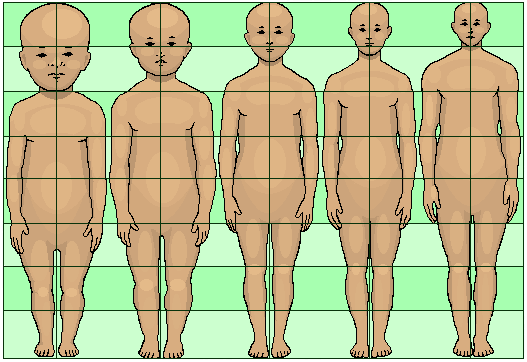
The human head becomes proportionately smaller and the legs become proportionately longer as humans mature. This implies that proportionately large heads and proportionately short legs would be neotenous features for adults.

Neoteny is the retention of juvenile traits well into adulthood. In humans, this trend is greatly amplified, especially when compared to non-human primates. Neotenic features of the head include the globular skull;[1] thinness of skull bones;[2] the reduction of the brow ridge;[3] the large brain;[3] the flattened[3] and broadened face;[2] the hairless face;[4] hair on (top of) the head;[1] larger eyes;[5] ear shape;[1] small nose;[4] small teeth;[3] and the small maxilla (upper jaw) and mandible (lower jaw).[3]

Neoteny of the human body is indicated by glabrousness (hairless body).[3] Neoteny of the genitals is marked by the absence of a baculum (penis bone);[1] the presence of a hymen;[1] and the forward-facing vagina.[1] Neoteny in humans is further indicated by the limbs and body posture, with the limbs proportionately short compared to torso length;[2] longer leg than arm length;[6] the structure of the foot;[1] and the upright stance.[7][8]

Humans also retain a plasticity of behavior that is generally found among animals only in the young. The emphasis on learned, rather than inherited, behavior requires the human brain to remain receptive much longer. These neotenic changes may have disparate roots. Some may have been brought about by sexual selection in human evolution. In turn, they may have permitted the development of human capacities such as emotional communication. However, humans also have relatively large noses and long legs, both peramorphic (not neotenic) traits, though these peramorphic traits separating modern humans from extant chimpanzees were present in Homo erectus to an even higher degree than in Homo sapiens, which means general neoteny is valid for the H. erectus to H. sapiens transition (although there were perimorphic changes separating H. erectus from even earlier hominins such as most Australopithecus).[9] Later research shows that some species of Australopithecus, including Australopithecus sediba, had the non-neotenic traits of H. erectus to at least the same extent which separate them from other Australopithecus, making it possible that general neoteny applies throughout the evolution of the genus Homo depending on what species of Australopithecus that Homo descended from. The type specimen of A. sediba had these non-neotenic traits, despite being a juvenile, suggesting that the adults may have been less neotenic in these regards than any H. erectus or other Homo.[10]

Neoteny and heterochrony

[edit]
Blue represents types of paedomorphosis and red represents types of peramorphosis

Heterochrony is defined as “a genetic shift in timing of the development of a tissue or anatomical part, or in the onset of a physiological process, relative to an ancestor”.[11] Heterochrony can lead to a modification in shape, size and/or behavior of an organism through a variety of different ways. With heterochrony being more of an umbrella term, there are two different types of heterochrony where development timing is altered: paedomorphosis and peramorphosis. These terms refer to deceleration and acceleration of development, respectively.[12] With neoteny (as described above) being defined as retention of juvenile features into adulthood, neoteny falls under paedomorphosis, as physical development of features is slowed.

Human evolution

[edit]

Many prominent evolutionary theorists propose that neoteny has been a key feature in human evolution. Stephen Jay Gould believed that the "evolutionary story" of humans is one where we have been "retaining to adulthood the originally juvenile features of our ancestors".[13] J. B. S. Haldane mirrors Gould's hypothesis by stating a "major evolutionary trend in human beings" is "greater prolongation of childhood and retardation of maturity."[3] Delbert D. Thiessen said that "neoteny becomes more apparent as early primates evolved into later forms" and that primates have been "evolving toward flat face."[14]

Doug Jones, a visiting scholar in anthropology at Cornell University, said that human evolution's trend toward neoteny may have been caused by sexual selection in human evolution for neotenous facial traits in women by men with the resulting neoteny in male faces being a "by-product" of sexual selection for neotenous female faces. Jones said that this type of sexual selection "likely" had a major role in human evolution once a larger proportion of women lived past the age of menopause. This increasing proportion of women who were too old to reproduce resulted in a greater variance in fecundity in the population of women, and it resulted in a greater sexual selection for indicators of youthful fecundity in women by men.[15]

The anthropologist Ashley Montagu said that the fetalized Homo erectus represented by the juvenile Mojokerto skull and the fetalized australopithecine represented by the juvenile Australopithecus africanus skull would have had skulls with a closer resemblance to those of modern humans than to those of the adult forms of their own species. Montagu further listed the roundness of the skull, thinness of the skull bones, lack of brow ridges, lack of sagittal crests, form of the teeth, relative size of the brain and form of the brain as ways in which the juvenile skulls of these human ancestors resemble the skulls of adult modern humans. Montagu said that the retention of these juvenile characteristics of the skull into adulthood by australopithecine or H. erectus could have been a way that a modern type of human could have evolved earlier than what actually happened in human evolution.[16]

The psychiatrist Stanley Greenspan and Stuart G. Shanker proposed a theory in The First Idea of psychological development in which neoteny is seen as crucial for the "development of species-typical capacities" that depend upon a long period of attachment to caregivers for the opportunities to engage in and develop their capacity for emotional communication. Because of the importance of facial expression in the process of interactive signaling, neotenous features, such as hair loss, allow for more efficient and rapid communication of socially important messages that are based on facially expressive emotional signaling.[17]

Other theorists have argued that neoteny has not been the main cause of human evolution, because humans only retain some juvenile traits, while relinquishing others.[18] For example, the high leg-to-body ratio (long legs) of adult humans as opposed to human infants shows that there is not a holistic trend in humans towards neoteny when compared to the other great apes.[18][19] Andrew Arthur Abbie agrees, citing the gerontomorphic fleshy human nose and long human legs as contradicting the neoteny hominid evolution hypothesis, although he does believe humans are generally neotenous.[7] Brian K. Hall also cites the long legs of humans as a peramorphic trait, which is in sharp contrast to neoteny.[20]

On the balance, an all or nothing approach could be regarded as pointless, with a combination of heterochronic processes being more likely and more reasonable (Vrba, 1996).

Cooked food and protective genome simplification

[edit]

Based on calculations that show that more complex gene networks are more vulnerable to mutations as more conditions that are necessary but not sufficient increases the risk of one of them being hit, there is a theory that mutagens in food were more likely to be formed when food was burned while being cooked by human ancestors lacking modern cooking technology or the greater intelligence of modern humans. These commonly present mutagens thus selected against complex gene networks because longer genomes present a larger target for mutation. This theory successfully predicts that the human genome is shorter than other Great Ape genomes and that there are significantly more defunct pseudogenes with functional homologs in the chimpanzee genome than vice versa. While the protein coding portion of the FOXP2 gene is identical to that in Neanderthals, there is one point mutation in the regulatory part thereof (modern humans having a T where Neanderthals and all nonhuman vertebrates have an A). The observation that the effect of that difference is that the modern human FOXP2 gene does not interact with RNA from other genes while all other vertebrate including Neanderthal varieties did agrees with the idea that modern human origin was marked by the elimination (not formation) of complex gene networks, as predicted by this model. The researchers behind the theory argue that neoteny is a side effect of the destruction of gene networks preventing the firing of genetic activity patterns that marked adulthood in prehuman ancestors.[21][22]

Growth pattern of children

[edit]
Change of head proportions (especially the relative size of the maxilla and mandible) as a function of age

In 1943 Konrad Lorenz noted that a newborn infant's rounded facial features might encourage guardians to show greater care for them, due to their perceived cuteness. He labeled this the Kewpie doll effect, because of their similarity to the eponymous doll.[23]

Desmond Collins who was an Extension Lecturer of Archaeology at London University[24] said that the lengthened youth period of humans is part of neoteny.

Physical anthropologist Barry Bogin said that the pattern of children's growth may intentionally increase the duration of their cuteness. Bogin said that the human brain reaches adult size when the body is only 40 percent complete, when "dental maturation is only 58 percent complete" and when "reproductive maturation is only 10 percent complete". Bogin said that this allometry of human growth allows children to have a "superficially infantile" appearance (large skull, small face, small body and sexual underdevelopment) longer than in other "mammalian species". Bogin said that this cute appearance causes a "nurturing" and "care-giving" response in "older individuals".[25]

Genetic diversity, relaxed sexual selection and immunity

[edit]

While upper body strength is on average more sexually dimorphic in humans than in most other primates, with the exception of gorillas, some fossil evidence suggests that male upper-body strength and muscular sexual dimorphism during human evolution peaked in Homo erectus and decreased, along with overall robustness, during the evolution of H. sapiens with its neotenic traits.[citation needed] The reduction in sexual dimorphism would suggest that taxa with high sexual dimorphism do not necessarily have an increased evolutionary advantage. This could be explained by the theory that sexual dimorphism could reduce genetic diversity in a population, i.e., if individuals are attracted to only highly masculine or highly feminine mates, then those without distinctly gendered features are excluded as potential partners, thus creating speciation.[citation needed]

Neoteny in H. sapiens is explained by this theory as a result of relaxed sexual selection shifting human evolution into a less speciation-prone but more intraspecies adaptable strategy, decreasing sexual dimorphism and making adults assume a more juvenile form. As a possible trigger of such a change, it has been cited[by whom?] that while the Neanderthal version of the FOXP2 gene differed on only one point from the modern human version (not two points as the difference between chimpanzees and modern humans) interacted strongly with other genes and was part of a gene regulatory network, the derived mutation that is unique to the modern human version of the gene knocked out the attachment to which RNA strains from other genes connected to it so that the gene was disconnected from its former genetic network.[citation needed]

It is suggested[by whom?] that since the FOXP2 gene controls synapses[citation needed], its disconnection from a formerly complex network of genes instantly removed many instincts[how?] including ones that drove sexual selection[citation needed]. It is also suggested[by whom?] that it allowed more genetic variants that affect the phenotype to accumulate in humans[citation needed][how?], which in combination with increased synaptic plasticity[non sequitur][citation needed] made modern humans more able to survive environmental change and to colonize new environments and innovate[citation needed]. The theory that the origin of complex language was the most recent step in human evolution[relevant?] is considered unlikely as storytelling about past environments would be of little use in droughts with novel distributions of water while individual ability to make correct predictions would be useful and allow for differential survival that could eliminate the archaic version altogether, as opposed to selection for language in which some primitives could use imitation as long as there were enough storytellers in the group to keep the knowledge alive for long times which predicts that some individuals would have retained the archaic version if the modern version was for language.[dubiousdiscuss][relevant?]

H. sapiens is known from fossils to have had a mix of modern neotenic traits and older non-neotenic traits from its origin some 300000 years ago to the transition to early agriculture when the non-neotenic traits disappeared[citation needed], which is theorized[by whom?] to be due to selection for the immune system adapting to survive a higher pathogen load caused by agriculture and men who retained more childlike traits being less burdened by weakening of the immune system from upper body musculature competing with the immune system over nutrients[citation needed][how?]. It is argued[by whom?] that the genetic evidence of only a small part of the male population of the time of early agriculture passing on their Y chromosomes[citation needed] can be explained by the heredity of non-neotenic traits causing the male descendants of the non-neotenic men who were not killed by diseases in one generation to die from them in subsequent generations, leaving no Y chromosome evidence of their short term continuation of paternal bloodlines in present humans[citation needed]. Sexual selection for stereotypic masculinity causing most men to fail to breed is ruled out as it would have selected against neoteny, not for as the archaeological evidence shows.[26][27]

Milder punishment as a survival advantage

[edit]

One hypothesis of the premise that Stone Age humans did not record birth date but instead assumed age based on appearance holds that if milder punishment to juvenile delinquents existed in Paleolithic times, it would have imparted milder punishment for longer on those retaining a more youthful appearance into adulthood. This hypothesis posits that those who got milder punishment for the same breach of rules had the evolutionary advantage, passing their genes on while those who got more severe punishment had more limited reproductive success due to either limiting their survival by following all rules or by being severely punished.[28][29][citation needed]

Neotenous features elicit help

[edit]

The Multiple Fitness Model proposes that the qualities that make babies appear cute to adults additionally look "desirable" to adults when they see other adults. Neotenous features in adult females may help elicit more resource investment and nurturing from adult males. Likewise, neotenous features in adult males may similarly help elicit more resource investment and nurturing from adult females in addition to possibly making neotenous adult males appear less threatening and possibly making neotenous adult males more able to elicit resources from "other resource-rich people". Therefore, it could be adaptive for adult females to be attracted to adult males that have "some" neotenous traits.[30]

Neotenous features elicits fitness benefits for mimickers. From the point of view of the mimicker, the neoteny expression signals appeasement or submissiveness. Thus, extra parental or alloparental care will more likely be administered because the mimicker appears to be more childlike and maybe ill-equipped to survive on its own. On the other hand, the recipient often faces aggression because of this signaled vulnerability.[31]

Caroline F. Keating et al. tested the hypothesis that adult male and female faces with more neotenous features would elicit more help than adult male and female faces with less neotenous features. Keating et al. digitally modified photographs of faces of African-Americans and European Americans to make them appear more or less neotenous by either enlarging or decreasing the size of their eyes and lips. Keating et al. said that the more neotenous white male, white female and black female faces elicited more help from people in the United States and Kenya, but the difference in help from people in the United States and Kenya for more neotenous black male faces was not significantly different from less neotenous black male faces.[32]

A 1987 study using 20 Caucasian subjects found that "babyfaced" individuals are assumed by both Korean and U.S. participants to possess more childlike psychological attributes than their mature-faced counterparts.[31]

In her dissertation from the University of Michigan, Sookyung Choi explained how perception of cuteness can contribute to perception of value. Different physical cues were shown to trigger protective feelings from their adult caregivers or other adults from which they engaged in interaction. Participants in the study were asked to design their own version of a cute rectangle. They were allowed to edit the rectangle in terms of shape roundedness, color, size, orientation, etc. Associational coefficients showed that shapes with a smaller area and rounder features were found to be cuter, and that lighter coloring and contrast playing a lesser but important role in predicting cuteness.[33]

As an additional part of the study, the asymmetric dominance paradigm was introduced, where a decoy option is presented to observe how it affects a person's decision on a certain matter. In the United States this asymmetric dominance paradigm induced a person to be more prone to a cuter item, whereas in Korea the opposite effect occurred. Cho concluded that this may be due to a different attitude toward cuteness, and so the advantages related to neoteny may be different in different countries.[33]

Brain

[edit]

The developmental psychologist Helmuth Nyborg said that a testable hypothesis can be made using his General Trait Covariance-Androgen/Estrogen (GTC-A/E) model with regards to "neoteny". Nyborg said that the hypothesis is that "feminized", slower maturing, "neotenic" "androtypes" will differ from "masculinized", faster maturing "androtypes" by having bigger brains, more fragile skulls, bigger hips, narrower shoulders, less physical strength, live in cities (as opposed to living in the countryside) and by receiving higher performance scores on ability tests. Nyborg said that if the predictions made by this hypothesis are true, then the "material basis" of the differences would be "explained". Nyborg said that some ecological situations would favor the survival and reproduction of the "masculinized," faster maturing "androtypes" due to their "sheer brutal force" while other ecological situations would favor the survival and reproduction of the "feminized," slower maturing, "neotenic" "androtypes" due to their "subtle tactics."[34]

Aldo Poiani, an evolutionary ecologist at Monash University, Australia,[35] said that he agrees that neoteny in humans may have become "accelerated" through "two-way sexual selection" whereby females have been choosing smart males as mates and males have been choosing smart females as mates.[36]

Somel et al. said that 48% of the genes that affect the development of the prefrontal cortex change with age differently between humans and chimpanzees. Somel et al. said that there is a "significant excess of genes" related to the development of the prefrontal cortex that show "neotenic expression in humans" relative to chimpanzees and rhesus macaques. Somel et al. said that this difference was in accordance with the neoteny hypothesis of human evolution.[37]

In terms of brain size differences, it has been noted that given the larger skull in neoteny humans, brain volume may be larger than an average human brain. It has been hypothesized that this is one mode of which the brains of Homo sapiens grew as a species, as the prolonged development of neurons may have led to hypermorphosis, or excessive neuronal growth. Especially in the prefrontal cortex, brain pruning from childhood may be slower than usual, allowing for more time for neuronal maturation. This prolongs the transformation of otherwise very juvenile features.

Bruce Charlton, a Newcastle University psychology professor, said what looks like immaturity — or in his terms, the "retention of youthful attitudes and behaviors into later adulthood" — is actually a valuable developmental characteristic, which he calls psychological neoteny.[38] The ability of an adult human to learn is considered a neotenous trait.[39] However, some studies may suggest the opposite of this idea of neoteny being beneficial. In general, the process of learning and developing new skills can be attributed to plasticity of neurons in the brain, especially in the prefrontal cortex for higher order decisions and activity. As neurons go through ontogeny and maturity, it becomes more difficult to make new neuronal connections and change already present pathways and connections. However, during juvenile periods, cortical neurons are described to have higher plasticity and metabolic activity. In cases with neoteny, neurons are lingering in their more juvenile states since development is decelerated.[40] On the surface this seems beneficial for the increased potential of younger cells. However, this may not be the case, as the consequences of the increased cellular activity must be taken into account.[40]

In general, oxidative phosphorylation is the process used to supply energy for neuronal processes in the brain. When resources for oxidative phosphorylation are exhausted, neurons turn to aerobic glycolysis in the place of oxygen. However, this can be taxing on a cell. Given that the neurons in question retain juvenile characteristics, they may not be entirely myelinated. Bufill, Agusti, Blesa et al. note how “The increase of the aerobic metabolism in these neurons may lead, however, to higher levels of oxidative stress, therefore, favoring the development of neurodegenerative diseases which are exclusive, or almost exclusive, to humans, such as Alzheimer's disease.”[40] Specifically through various studies of the brain, aerobic glycolysis activity has been detected at high levels in the dorsolateral prefrontal cortex, which has functionality regarding the working memory.[40] Stress on these working memory cells may support conditions related to neurodegenerative diseases such as Alzheimer's Disease.

Physical attractiveness

[edit]

Women

[edit]

Montagu said that the following neotenous traits are notable in women when compared to men: more delicate skeleton, smoother ligament attachments, smaller mastoid processes, reduced brow ridges, more forward tilt of the head, narrower joints, less body hair, retention of fetal body hair, smaller body size, more backward tilt of pelvis, greater longevity, lower basal metabolism, faster heartbeat, higher pitched voice and larger tear ducts.[3]

In a cross-cultural study, more neotenized female faces were the most attractive to men while less neotenized female faces were the least attractive to men, regardless of the females' actual age.[15] Using a panel of East Asian, Hispanic and White judges, one study found that the female faces tended to be judged as more attractive if they had a mixture of youthful and sexually mature features.[41] Hispanic and East Asian women were judged as more attractive than White and Black women,[42] and they happened to possess more of the attributes defined as attractive, however the authors noted that it would be inaccurate to conclude that any ethnic group was more attractive than the other, based on their sample. Using a panel of African Americans and whites as judges, Cunningham found more neotenous faces were perceived as having both higher "femininity" and "sociability". The authors found no evidence of ethnocentric bias in the Asian or White samples, as Asians and Whites did not differ significantly in preference for neonate cues, and positive ratings of white women did not increase with exposure to Western media.[43]

In contrast, Cunningham said that faces that were "low in neoteny" were judged as "intimidating". Upon analyzing the results of his study Cunningham concluded that preference for "neonate features may display the least cross-cultural variability" in terms of "attractiveness ratings".[44]

In a study of Italian women who have won beauty competitions, the study said that the women had faces characterized by more "babyness" traits compared to the "normal" women used as a reference.[45] In a study of sixty Caucasian female faces, the average facial composite of the fifteen faces considered most attractive differed from the facial composite of the whole by having a reduced lower facial region, a thinner jaw, and a higher forehead.[46]

In a solely Westernized study, it was recorded that the high ratio of neurocranial to lower facial features, signified by a small nose and ears, and full lips, is viewed interchangeably as both youthful and or neotenous.[15] This interchangeability between neotenous features and youth leads to the idea that male attraction to youth may also apply to females that display exaggerated age-related cues. For example, if a female was much older but retained these “youthful” features, males may find her more favorable over other females who look their biological age. Beyond the face value of what males find physically attractive, secondary sexual characteristics related to body shape are factored in so adults may be able to recognize other adults from juveniles. A major part of the cosmetic world is built around capitalizing on enhancing these neonate features. Making eyes and lips appear larger as well as reducing the appearance of any age-related blemishes such as wrinkles or skin discoloration are some of the key target areas of this industry.[47]

Doug Jones, a visiting scholar in anthropology at Cornell University, said that there is cross-cultural evidence for preference for facial neoteny in women, because of sexual selection for the appearance of youthful fecundity in women by men. Jones said that men are more concerned about women's sexual attractiveness than women are concerned about men's sexual attractiveness. Jones said that this greater concern over female attractiveness is unusual among animals, because it is usually the females that are more concerned with the male's sexual attractiveness in other species. Jones said that this anomalous case in humans is due to women living past their reproductive years and due to women having their reproductive capacity diminish with age, resulting in the adaption in men to be selective against physical traits of age that indicate lessening female fecundity. Jones said that the neoteny in men's faces may be a "by-product" of men's attraction to indicators of "youthful fecundity" in "adult females". [15]

Likewise, neotenous features have also been loosely linked to providing information about levels of ovarian function, which is another integral part of sexual selection. Both of these factors, seeming like extra help is needed as well as neotenous features expression, being tied to optimal ovarian function, lead to a fitness advantage because males respond positively. However, it was noted that neotenous face structures are not the only thing to be taken into consideration when thinking about attractiveness and mate selection. Once again, secondary sex characteristics come into play because they are dominated by the endocrine system and appear only when sexual maturity is reached. The facial features are ever present and may not be the strongest case for sexual selection.[31]

Other scientists, noting that other primates have not evolved neoteny to the same extent as humans despite fertility being as reproductively significant for them, argue that if human children need more parental investment than nonhuman primate young, that would have selected for a preference for more experienced females more capable of providing parental care. As this would make experience more relevant for effective reproductive success (producing offspring that survive to reproductive age, as opposed to simply the number of births) and therefore more able to compensate for a slight to moderate decrease in biological fertility from recent sexual maturity to late pre-menopausal life, these scientists argue that the sexual selection model of neoteny makes the false prediction that primates that need less parental investment than humans should display more neoteny than humans.[48][49]

Men

[edit]

A study was conducted on the attractiveness of males with the subject of the skull and its application in human morphology, using psychology and evolutionary biology to understand selection on facial features. It found that averageness was the result of stabilizing selection, whereas facial paedomorphosis or juvenile traits had been caused by directional selection.[50] In directional selection, a single phenotypic trait is driven by selection toward fixation in a population. In contrast, in stabilizing selection both alleles are driven toward fixation (or polymorphism) in a population.[51] To compare the effects of directional and stabilizing selection on facial paedomorphosis, Wehr used graphic morphing to alter appearances to make faces appear more or less juvenile. The results concluded that the effect of averageness was preferred nearly twice over juvenile trait characteristics which indicates that stabilizing selection influences facial preference, and averageness was found more attractive than the retention of juvenile facial characteristics. It was perplexing to find that women tend to prefer the average facial features over the juvenile, because in animals the females tend to drive sexual selection by female choice and the Red Queen hypothesis.[50]

Because men generally exhibit uniform preference for neotenous women's faces, Elia (2013) questioned if women's varying preferences for neotenous men's faces could "help determine" the range of facial neoteny in humans.[52]

Neoteny and its connection with human specialization features

[edit]

Neoteny is not a ubiquitous trait of the human phenotype. Human expression timing, compared to chimpanzee, has a completely different trajectory uncovering that there is no uniform shift in developmental timing. Humans undergo this neotenous shift once sexual maturity is reached. A question prompted by the Mehmet Somel et al. study, is whether or not human-specific neotenic changes are indicative of human-specific cognitive traits. The tracking of where developmental landmarks occur in humans and other primates is a step towards a better understanding of how neoteny manifests specifically in our species and how it may contribute to our specialized features, such as smaller jaws. In humans, the neotenic shift is concentrated around a group of gray matter genes. This shift in neotenic genes also coincides with cortical reorganization that is related to synaptic elimination and is at a much more rapid pace over others during adolescence. It is also linked to the development of linguistic skills and the development of certain neurological disorders like ADHD.[37]

Among primates and early humans

[edit]
Ashley Montagu said that modern human skulls (left) are more neotenized than Neanderthal skulls (right).[3]

Delbert D. Thiessen said that Homo sapiens are more neotenized than Homo erectus, Homo erectus were more neotenized than Australopithecus, Great Apes are more neotenized than Old World monkeys, and Old World monkeys are more neotenized than New World monkeys.[14]

Nancy Lynn Barrickman said that Brian T. Shea concluded by multivariate analysis that Bonobos are more neotenized than the common chimpanzee, taking into account such features as the proportionately long torso length of the Bonobo.[53] Montagu said that part of the differences seen in the morphology of "modernlike types of man" can be attributed to different rates of "neotenous mutations" in their early populations.[16]

Regarding behavioral neoteny, Mathieu Alemany Oliver says that neoteny partly (and theoretically) explains stimulus seeking, reality conflict, escapism, and control of aggression in consumer behavior.[54] However, if these characteristics are more or less visible among people, Alemany Oliver argues, it is more the fact of cultural variables than the result of different levels of neoteny. Such a view makes behavioral neoteny play a non-significant role in gender and race differences, and puts an emphasis on culture.

Specific neotenies

[edit]

Populations with a history of dairy farming have evolved to be lactose tolerant in adulthood, whereas other populations generally lose the ability to break down lactose as they grow into adults.[55]

Down syndrome neotenizes the brain and body.[56] The syndrome is characterized by decelerated maturation (neoteny), incomplete morphogenesis (vestigia) and atavisms.[56]

Dwarfism and achondroplasia also neotenize the size of the human height as well as the limbs. This is due to dwarfing in the growth hormone deficiency.

See also

[edit]

References

[edit]
Revisions and contributorsEdit on WikipediaRead on Wikipedia
from Grokipedia
Neoteny in humans refers to the retention of juvenile or infantile traits into adulthood, a form of where sexual maturation occurs before full somatic development, distinguishing humans from other by preserving childlike physical, behavioral, and cognitive features throughout life. This evolutionary phenomenon manifests in several key areas. Physically, humans exhibit traits reminiscent of juvenile chimpanzees, such as a globular , vertical face, flattened , reduced , and smaller jaws relative to , which contrast with the more prognathic profiles of adult non-human apes. Neurologically, transcriptional neoteny involves delayed expression of age-related genes in the , particularly in gray matter regions associated with higher , enabling prolonged and an extended period of learning that correlates with larger volumes and enhanced . Behaviorally, neoteny contributes to extended childhood dependency, playfulness, and social bonding, as evidenced by the infant-like Kindchenschema (baby schema) features—such as large eyes and round faces—that elicit caregiving responses from adults, supporting the prolonged immaturity essential for human social complexity. The role of in remains a subject of debate, with proponents arguing it facilitated adaptations like increased and through delayed maturation, while critics suggest alternative heterochronic processes, such as peramorphosis in certain skeletal elements, better explain the full of human development. Regardless, neoteny underscores the prolongation of in highly social, long-lived mammals like humans, linking extended juvenility to survival advantages in complex environments.

Definitions and Concepts

Neoteny

is a form of paedomorphosis in which an retains larval or juvenile morphological and physiological traits into , often resulting from a retardation in the rate of somatic development relative to reproductive maturation. This process contrasts with other heterochronic mechanisms by emphasizing delayed growth in non-reproductive structures while allowing adulthood to proceed. The term "" was introduced by the German zoologist Julius Kollmann in 1885 to describe the retention of juvenile traits into sexual maturity, such as in the . In 1977, further clarified and popularized the distinction in Ontogeny and Phylogeny, defining neoteny specifically as paedomorphosis arising from retarded somatic development—such as slowed maturation of or organs—separate from progenesis, which involves precocious sexual maturation with juvenile somatic features. Gould's framework highlighted neoteny's role in producing adaptive juvenilized adults without truncating overall . In humans, is amplified to an extreme degree compared to other mammals, manifesting as the prolonged retention of embryonic and juvenile features well into adulthood, including a disproportionately large cranium, flattened profile, and minimal distribution. Representative neotenous traits include a prominent , diminutive nasal , and eyes that occupy a larger proportion of the area relative to body size, contributing to the ' distinctive morphology. These characteristics underscore neoteny's significance in human biological distinctiveness.

Heterochrony

Heterochrony refers to evolutionary changes in the timing, rate, or duration of developmental events in an relative to its , serving as a key mechanism for morphological evolution. This concept, which highlights how shifts in developmental schedules can produce phylogenetic parallels with ontogenetic patterns, was systematically explored by in his seminal 1977 work Ontogeny and Phylogeny. Gould emphasized that such changes allow for the decoupling of growth processes, enabling novel forms to arise without requiring entirely new genetic innovations. Heterochrony is broadly classified into two opposing categories: paedomorphosis and peramorphosis. Paedomorphosis results in the retention of ancestral juvenile traits into the descendant's adulthood, often through slowed or truncated development, while peramorphosis produces exaggerated adult features by accelerating or prolonging developmental processes beyond the ancestral condition. A detailed framework for these processes was provided by Alberch et al. (1979), who outlined specific subtypes based on alterations in growth rate, duration, and onset relative to sexual maturation. Within paedomorphosis, specifically involves a retardation of somatic development, where the rate of body growth slows while reproductive maturity occurs at a more juvenile morphological stage. In contrast, progenesis achieves paedomorphosis via early sexual maturation that prematurely halts somatic growth. Peramorphosis, on the other hand, includes hypermorphosis (extension of growth duration), acceleration (increased growth rate), and predisplacement (delayed initiation of a developmental phase). These heterochronic shifts drive morphological by altering the sequence and coordination of developmental events during . For instance, perturbations in the timing of —such as delayed activation or prolonged repression of regulatory genes—can redirect entire developmental trajectories, leading to significant phenotypic changes with minimal genetic overhaul. Recent studies have shown that functional often manifests as stage-specific alterations in patterns, rather than absolute temporal differences, allowing for adaptive responses to environmental or selective pressures. In the context of , provides the developmental framework for neotenic traits, such as the persistence of juvenile facial proportions, while also accounting for peramorphic innovations like the protracted postnatal growth that extends well beyond . This mosaic of heterochronic changes—combining paedomorphic retention in some systems with peramorphic extension in others—has been linked to neural progenitor dynamics that sustain accelerated cortical expansion in humans compared to other .

Evolutionary Origins

In Non-Human Primates

In non-human , juvenile ontogeny commonly features paedomorphic traits such as proportionally large eyes relative to body size, rounded crania with minimal , and high levels of playful , which generally attenuate with maturation into adulthood; however, the degree of retention varies across , with some exhibiting prolonged expression of these characteristics. These traits serve adaptive roles in learning and social during development but are typically overshadowed by peramorphic changes, such as elongation of the face and robust skeletal features, in most adult . For instance, in chimpanzees (Pan troglodytes) and gorillas (Gorilla gorilla), juveniles display relatively flat faces and smaller muzzles, but adults undergo significant heterochronic shifts, developing pronounced prognathic snouts and sagittal crests as part of accelerated somatic maturation. In contrast, bonobos (Pan paniscus) retain more juvenile cranial proportions and playful behaviors into adulthood, reflecting a neotenic tendency that distinguishes them from their closer relatives. Among cercopithecoid monkeys, species (e.g., macaques and baboons) exhibit more neoteny overall compared to (e.g., capuchins and howler monkeys), with the former showing greater retention of paedomorphic and facial features, aligning with a broader phylogenetic of increasing neoteny from prosimians to apes. Evolutionary patterns in suggest that correlates with social complexity, as species with more intricate tend to prolong juvenile-like traits; for example, bonobos maintain high frequencies of social play into maturity, which facilitates affiliation, , and cooperative behaviors within their female-dominated societies. This retention of playfulness contrasts with the more aggressive, less playful adult interactions in chimpanzees, highlighting how may enhance prosociality in complex social environments. Fossil evidence from early hominoids, such as (approximately 23–14 million years ago), indicates moderate neoteny in cranial and dental morphology compared to later, more derived hominoids, with Proconsul retaining some primitive, less specialized juvenile-like features in its relatively rounded skull and reduced relative to contemporaneous Old World monkeys. These patterns in non-human primates provide a foundational context for understanding the exaggerated retention of juvenile traits observed in the human lineage.

In Early Hominins

The divergence of the human lineage from chimpanzees, dated to approximately 5.5–6.3 million years ago, marks the onset of neotenous trends in early hominins, with initial evidence appearing in the fossil record shortly thereafter. In , dated to between 3.9 and 2.9 million years ago, neoteny is evident through prolonged neurodevelopment and retention of juvenile-like cranial features into adulthood, as seen in the famous specimen (AL 288-1), whose reveals an ape-like brain organization alongside extended childhood growth phases comparable to later hominins. This species represents an early escalation of paedomorphosis beyond the baseline observed in non-human , where juvenile traits are typically lost earlier in . Key evolutionary transitions toward intensified neoteny occur with the emergence of the genus Homo around 2.8–2.3 million years ago. exhibits reduced facial and expanded braincases relative to earlier australopiths, reflecting paedomorphic shifts in cranial that prioritize neurocranial growth over splanchnocranial development. These changes intensify in , beginning approximately 1.9 million years ago, with further paedomorphosis manifested in flatter facial profiles and overall juvenilized skull shapes, as documented in specimens like those from , Georgia. Fossil indicators of neoteny in early hominins include the prolonged retention of juvenile dental development patterns into adulthood, particularly in early , where incremental enamel analyses from fossils reveal extended growth phases starting at least 1.77 million years ago, exceeding those typical in australopiths and apes. Cranial fossils further support this through metrics of , such as delayed maturation in braincase expansion, observed across to transitions. Early hominins demonstrate a progressive degree of surpassing that in non-human , with these developmental shifts correlated to functional adaptations like , which altered locomotor demands and facilitated the retention of more flexible, juvenile-like body plans, and the advent of tool use around 2.6 million years ago that may have selected for extended learning periods.

Mechanisms Driving Neoteny in Humans

Dietary Shifts and Genomic Simplification

The adoption of cooking by early hominins around 1.8 million years ago, coinciding with the emergence of , markedly reduced the mechanical demands on the masticatory apparatus by softening food and decreasing the need for extensive . This dietary shift alleviated selective pressures favoring robust jaws and teeth, enabling evolutionary relaxation and neotenic simplification of craniofacial genes and structures, as hypothesized by Lieberman in his analysis of human evolutionary adaptations. A key genomic consequence of this reduced masticatory demand is the human-specific inactivation of the , which encodes a myosin heavy chain protein essential for jaw muscle development. A two-nucleotide deletion in exon 18 of MYH16 creates a , rendering the gene a and preventing functional , a change estimated to have occurred approximately 2.4 million years ago. This loss of function results in smaller masticatory muscles and associated craniofacial remodeling, including flatter faces and reduced , traits that reflect paedomorphic retention of juvenile morphology compared to other . Comparative genomics supports this through evidence of human-specific deletions in non-coding regulatory regions, which disrupt adult-specific repressors and sustain juvenile patterns of gene expression, particularly in neural and developmental pathways.

Paedomorphic Growth in Children

Paedomorphic growth in human children manifests as an extended juvenile phase that distinguishes Homo sapiens from other primates, particularly chimpanzees. Unlike chimpanzees, which reach physical and sexual maturity around 11 years of age, humans exhibit a prolonged trajectory to maturity spanning approximately 19 years, encompassing extended infancy, childhood, and adolescence. This retardation in somatic development, a form of neoteny, allows for sustained growth in brain size and cognitive capacities well into adolescence. For instance, while chimpanzee brain growth slows significantly after birth and reaches adult proportions by about 5 years, human brain development continues at a slower pace, with significant expansion persisting through puberty. The key phases of this paedomorphic growth begin with an altricial birth, where human infants are born in a highly helpless state, characterized by a large head-to-body ratio that echoes juvenile proportions seen in ape newborns. This infantile helplessness extends neotenic traits, such as a disproportionately large cranium relative to the body, which supports the initial rapid but decelerating growth in the first 3 years of infancy. Following infancy, the distinct childhood phase—unique to humans and lasting from about 3 to 7 years—involves stable, linear growth with continued dependence on caregivers, fostering plasticity in learning and social behaviors. In contrast, chimpanzees lack this dedicated childhood stage, transitioning more directly from infancy to juvenile independence. Physiologically, this extended juvenile period is driven by delayed onset of puberty and somatic maturation, typically beginning around 12–14 years in humans compared to 8–9 years in female chimpanzees. This delay permits prolonged , including and myelination that extend beyond , enabling advanced neural plasticity absent in faster-maturing . The retention of these juvenile growth patterns is facilitated by underlying genomic simplifications that slow developmental timing. Cross-species comparisons provide robust evidence for these paedomorphic traits, revealing that human children maintain ape-like juvenile body proportions—such as rounded skulls, flatter faces, and less pronounced brow ridges—far longer than their primate counterparts. Chimpanzee juveniles rapidly develop adult-like skeletal features by mid-childhood, whereas humans retain these neotenic forms through much of , underscoring the heterochronic shift toward prolonged juvenility in .

Genetic Diversity and Selection Dynamics

In , relaxed pressures, arising from reduced male-male competition through the adoption of tools, cooperative hunting, and structures, facilitated the retention of energetically costly neotenic traits such as enlarged . This shift toward more monogamous pair-bonding and biparental care diminished the intensity of intrasexual competition observed in other , allowing for the persistence of juvenile-like features into adulthood without the typical selective penalties associated with vulnerability. For instance, comparative analyses of in body size, canine teeth, and muscle mass reveal a marked reduction in humans compared to monkeys and apes, correlating with these social adaptations that buffered against the high metabolic demands of prolonged growth. High genetic diversity, particularly in immune-related loci like the (MHC), has enabled humans to tolerate the immunological vulnerabilities inherent in neotenic development, such as an extended juvenile period with immature immune responses. Humans exhibit exceptional MHC polymorphism, with over 30,000 documented alleles across HLA genes, which enhances resistance and for complementary immunity, thereby supporting the survival of with delayed maturation. This diversity is thought to mitigate risks during the prolonged dependency phase characteristic of , and it aligns with reduced , as lower competition pressures preserved rather than favoring extreme traits. 's association with decreased dimorphism is evident in genomic comparisons showing less in sex-biased in humans versus chimpanzees. Key evolutionary theories posit that Fisherian runaway selection initially amplified neotenic traits through mutual reinforcement of preferences for juvenile-like features in both sexes, before subsequent relaxation of selection stabilized them. Under this model, exaggerated neoteny—such as smoother skin and larger eyes—could have arisen via a positive feedback loop where such traits signaled youth and fertility, driving their fixation until social changes curbed further escalation. Recent genetic studies reinforce this by identifying human-specific enhancers that prolong neotenic expression in brain development genes, notably SYNGAP1, which regulates synaptic maturation. For example, human-specific paralogs SRGAP2B and SRGAP2C inhibit SRGAP2A, delaying spine formation and extending synaptic plasticity into adulthood, a mechanism absent in other primates. Genome-wide association studies (GWAS) and selection scans provide evidence of positive selection on neotenic loci following the Out-of-Africa migration around 60,000 years ago, particularly in regulatory elements influencing craniofacial and neural development. These analyses detect elevated frequencies in human-specific gained enhancers linked to paedomorphic traits, with signatures of adaptive sweeps in genes affecting brain volume and facial morphology. Such post-dispersal selection likely fine-tuned to diverse environments, enhancing while leveraging existing .

Social Behaviors and Survival Advantages

Neotenous traits in humans, such as rounded faces and large eyes, contribute to the milder punishment hypothesis by reducing perceived levels, thereby leading to less severe social sanctions and fostering more societies. Experimental studies have shown that individuals with babyfaced, neotenous features are viewed as less aggressive and more submissive, prompting observers to impose milder responses to transgressions compared to those with mature facial structures. This perception aligns with broader patterns in , where selection against reactive aggression promoted tolerance and group harmony, as evidenced by reduced aggression in domesticated animals and analogous human evolutionary trends. In early populations, provided a survival advantage by extending childhood dependency, which facilitated pair- and systems essential for rearing highly altricial offspring. The retention of juvenile traits supported prolonged and communal care, enhancing offspring survival rates in resource-scarce environments through networks involving non-biological caregivers. This extended juvenile phase, linked to neotenous growth patterns, allowed for greater social learning and bonding, strengthening pair relationships and alloparental contributions that were critical for evolutionary success. Behavioral evidence further illustrates how retained juvenile characteristics like playfulness and submissiveness promote group harmony and elicit prosocial responses. Observations in and human analogs reveal that neotenous expressions, evoking , encourage and by signaling non-threat, as demonstrated in studies where babyfaced individuals receive more and leniency in social conflicts. These traits reduce intergroup and enhance , contributing to larger, more stable social structures in human societies. Genetic diversity underlying neoteny likely amplified these behaviors by enabling adaptive flexibility in social interactions. In contemporary contexts, cultural amplification of neotenous traits is evident in leadership preferences, where such features signal approachability and trustworthiness, rewarding individuals who embody youthful . on status cues indicates that neotenous appearances in leaders convey warmth and submissiveness, facilitating follower engagement and reducing perceived dominance, which aligns with evolutionary legacies of over . This pattern underscores how continues to confer social advantages in modern hierarchical structures.

Neotenous Traits

Physical Morphology

Neoteny in humans manifests in the retention of juvenile physical traits into adulthood, particularly evident in that differ markedly from those of adult non-human . Adult humans exhibit a globular shape, reduced or absent brow ridges, and minimal , features characteristic of juvenile stages in other such as chimpanzees. These traits contribute to a less robust overall morphology, emphasizing paedomorphic (juvenile-like) development over the more pronounced skeletal projections and dense pelage seen in mature forms. In terms of limb and torso structure, humans display shorter limbs relative to trunk length, a proportion that aligns with juvenile anatomy rather than the elongated limbs of adult apes. The pelvis is notably flatter and broader, facilitating bipedal locomotion while retaining a less robust configuration compared to the more curved and sturdy pelvic basins of adult australopithecines, such as , which exhibit greater skeletal massiveness adapted to varied locomotor demands. This neotenic patterning in the and appendages supports an extended period of growth and flexibility, contrasting with the accelerated maturation toward robusticity in early hominin adults. Skin and hair characteristics further illustrate neotenic retention, with humans possessing smooth, relatively hairless skin and fine, elongated scalp hair—traits reminiscent of juveniles. The evolutionary loss of , estimated to have occurred around 2 million years ago, likely coincided with adaptations for in open environments, reducing the dense cover typical of adult and preserving a more infantile dermal profile. These features enhance sensory detection of ectoparasites and promote efficient heat dissipation, underscoring the prolongation of youthful integumentary qualities. Sexual dimorphism in neoteny is pronounced, with females exhibiting stronger retention of these juvenile traits, such as smoother , finer distribution, and less robust skeletal proportions, while males display a moderated version alongside secondary like increased muscularity. Nonetheless, both sexes maintain core neotenic elements, including reduced and paedomorphic limb-trunk ratios, reflecting a genome-wide shift toward delayed maturation across the .

Craniofacial and Brain Features

Human craniofacial morphology is characterized by several neotenous traits that persist from juvenile stages into adulthood, including a high forehead, small upturned nose, reduced chin and jaw size, and proportionally large orbits. These features contribute to a more rounded and vertically oriented face, contrasting with the prognathic profiles typical of other and earlier hominins. Louis Bolk's seminal 1926 hypothesis on human neoteny identified these as key paedomorphic retentions, specifically noting the high , large orbits, small , and orthognathia (aligned without forward projection) as hallmarks of delayed maturation in the craniofacial region. A defining aspect of human craniofacial neoteny is the expansion of the braincase accompanied by minimal growth in the facial muzzle, resulting in a globular skull with thin bones and a flattened profile. This braincase enlargement supports the accommodation of a larger brain while the face remains relatively small and juvenile-like, reducing overall prognathism. In terms of brain features, human neoteny manifests through prolonged postnatal neurogenesis in regions like the hippocampus and extended synaptic pruning, particularly in the prefrontal cortex, which continues into early adulthood. This extended developmental window allows for greater neural plasticity and remodeling, with synaptic spine density in the prefrontal cortex remaining elevated—two to threefold higher than in adults—until late adolescence before significant pruning occurs. MRI studies confirm this retention of juvenile plasticity, demonstrating slower maturation of cortical layers and higher variability in prefrontal connectivity during adolescence compared to other primates, facilitating advanced cognitive flexibility. The also exhibits via a disproportionately large relative to overall body size, which supports and . Postnatal growth in humans proceeds over a longer period than in nonhuman , with only about 25-30% of volume achieved at birth, enabling extended environmental adaptation and learning. Transcriptional analyses further reveal neotenic patterns in the human , delaying maturity relative to chimpanzees and aligning with the fossil record of braincase expansion observed in endocasts.

Specific Physiological Adaptations

One prominent physiological associated with neoteny in humans is the retention of higher-pitched vocal traits into adulthood, which contrasts with the deeper voices typical of mature non-human . This juvenile-like pitch facilitates clearer communication in social groups by reducing perceived threat and enhancing prosodic expressiveness, as seen in the self-domestication syndrome where elevated correlates with reduced aggression. Sensory adaptations in humans include the retention of proportionally large eyes, which enhance and expressiveness while preserving juvenile proportions that integrate with craniofacial . Skin remains relatively smooth and less keratinized than in other adult , contributing to heightened tactile sensitivity through reduced coverage and thinner epidermal layers. Metabolic processes show neotenic prolongation, with higher basal metabolic rates per unit body mass than other of similar size, supporting extended developmental phases and energy allocation to growth. Additional neotenic traits encompass greater joint flexibility due to delayed , allowing enhanced mobility and postural adaptability in adults, and reduced in body size, where male-female differences in stature and mass are minimized compared to ancestral hominoids. These features promote behaviors without extreme size disparities.

Sociocultural and Functional Implications

Neotenous features, such as baby-facedness characterized by large eyes relative to the face, a small nose, and full lips, are widely perceived as enhancing by signaling youth, health, and fertility across diverse populations. Cross-cultural studies involving participants from the , , , and indigenous groups like the Ache and Hiwi have demonstrated consistent male preferences for these traits in faces, with explaining a significant portion of attractiveness ratings even after controlling for age and other variables. These features evoke positive responses because they mimic infantile proportions that suggest reproductive viability and genetic quality, as evidenced by correlational analyses showing higher attractiveness scores for more neotenized faces in experimental ratings. In women, neotenous traits are particularly emphasized and linked to estrogen-influenced paedomorphosis, which promotes softer, more rounded facial contours during and adulthood. Traits like large eyes, full lips, and a small are consistently rated higher in attractiveness by men in cross-cultural experiments. Elevated levels correlate with enhanced and neoteny, such as smoother skin and fuller lips, which are perceived as indicators of peak and health, as demonstrated in hormonal assays and perceptual judgments where high-estrogen faces received significantly higher attractiveness scores. This estrogen-driven retention of juvenile traits underscores their role in , with experimental data from the 1990s confirming their universal appeal in scenarios. For men, manifests more subtly, with traits like and a balancing approachability and to boost attractiveness, though preferences vary by . Women in quasi-experimental studies rated male faces with large eyes and as more nurturing and desirable for long-term , while a less angular contributed to perceptions of kindness without diminishing dominance, particularly in Western samples. Cultural differences emerge, as Asian participants showed stronger preferences for neotenous smoothness over pronounced mature features compared to Western or Latin American groups, highlighting how neoteny tempers to signal reliability. These subtle traits enhance overall appeal by suggesting vitality and emotional expressiveness, as quantified in attractiveness scales where combined neotenous-mature profiles scored highest. From an evolutionary perspective, neotenous attractiveness elicits greater by advertising reproductive potential, with experimental from the showing that individuals with pronounced baby-faced features receive more positive social and romantic responses, including higher willingness for commitment in hypothetical scenarios. Cross-cultural quantification reveals that boosts perceived in rating scales, driving pressures that favor these traits for their role in attracting partners and resources. This basis aligns with broader patterns where neotenized appearances correlate with increased mating success across societies.

Eliciting Social Care

Neotenous traits in humans, characterized by the retention of juvenile features such as large eyes, rounded faces, and prominent foreheads, serve as potent triggers for nurturing responses in others, extending beyond infancy into adulthood. This phenomenon is rooted in the baby schema, or Kindchenschema, first described by ethologist , which posits that specific infantile physical configurations innately elicit caregiving instincts across observers, promoting prosocial aid and protection. In human adults, these features exploit the same mechanism, fostering and reducing perceived threat, thereby eliciting in interpersonal interactions. Such neotenous expressions significantly influence by diminishing and enhancing behaviors. Individuals with babyfaced appearances are often perceived as warmer and less dominant, leading to decreased confrontational responses and increased willingness to provide help from others. Empirical studies demonstrate that babyfaced adults receive greater leniency in legal and social judgments; for instance, they are attributed lower levels of legal responsibility for intentional acts, resulting in milder sanctions compared to those with more mature facial structures. This overgeneralization effect underscores how neoteny facilitates in conflicts and bolsters mutual assistance within groups. On a broader scale, contributes to group-level advantages by promoting in expansive societies, where reduced — a hallmark of the self-domestication syndrome—enables stable alliances and collective survival strategies. This is particularly evident in the context of allomaternal care among populations, where extended juvenile dependency periods, amplified by neotenous traits, rely on non-parental caregivers to provision and protect offspring, thereby enhancing and social cohesion. The elicitation of caregiving through baby schema features supports this system, as it motivates communal investment in vulnerable young, facilitating the of large, interdependent communities. In contemporary settings, the exploitative use of exemplifies its role in evoking for social gain. Advertisers frequently incorporate baby elements, such as exaggerated infantile features in imagery, to heighten emotional engagement and donation rates in charitable campaigns, outperforming adult-oriented designs in eliciting supportive actions. Similarly, in domesticated animals has amplified neotenous traits—large heads, floppy ears, and youthful expressions—to invoke caregiving instincts, transforming wild predators into affectionate companions that thrive on alloparental attention. Neoteny in humans, characterized by the retention of juvenile neural traits into adulthood, contributes to by extending periods of high , which facilitates prolonged learning and the acquisition of complex skills such as and abstract reasoning. This extended developmental window allows cortical neurons to maintain immature synaptic structures longer than in other , supporting adaptive responses to novel environments and enhancing overall cognitive adaptability. For instance, prefrontal cortex neurons exhibit neotenous spine densities that remain elevated into adolescence and beyond, correlating with superior capacities for executive function and problem-solving compared to chimpanzees. The neotenous retention of brain plasticity underpins key human cognitive specializations, including the development of cumulative culture and . Prolonged synaptic immaturity enables iterative social learning, where individuals build upon prior knowledge across generations, a hallmark of human absent in other . Additionally, neoteny sustains juvenile social play behaviors into adulthood, fostering advanced such as —the ability to attribute mental states to others—which emerges from extended face-to-face interactions and prefrontal reorganization during infancy. These traits, supported by neotenous features like delayed neuronal maturation, promote cooperative knowledge transmission essential for complex societies. Recent genetic studies from 2023 to 2024 highlight human-specific mechanisms driving neotenous cortical expansion. For example, human-specific paralogs of the SRGAP2 gene, such as SRGAP2B and SRGAP2C, regulate synaptic neoteny by prolonging dendritic spine maturation in cortical pyramidal neurons, a process that enhances plasticity and distinguishes human brain development from that of chimpanzees. Similarly, investigations into enhancers of genes like ARHGAP11B reveal their role in amplifying basal progenitors during neocortical development, contributing to the protracted, neotenous growth that underlies expanded cognitive capacities. These findings underscore how human-specific genetic innovations sustain juvenile-like neural dynamics, enabling greater cortical complexity. As functional byproducts of within the framework, humans exhibit reduced reactive and heightened , which facilitate large-scale and the stability of civilizations. This neotenous profile selects for emotional control and prosocial behaviors, diminishing impulsive violence while amplifying social emotions like guilt and , as evidenced by comparative analyses of human and social dynamics. Such adaptations, intertwined with neotenous plasticity, have enabled the formation of expansive, culturally rich communities by prioritizing affiliation over conflict.

References

Add your contribution
Related Hubs
User Avatar
No comments yet.