



Community hub
Recent from talks
Knowledge base stats:
Talk channels stats:
Members stats:
Neutrality Patrol
On September 3, 1939, the British and French declarations of war on Germany initiated the Battle of the Atlantic. The United States Navy Chief of Naval Operations (CNO) established a combined air and ship patrol of the United States Atlantic coast, including the Caribbean, on 4 September, President Franklin D. Roosevelt declared the United States' neutrality on 5 September, and declared the naval patrol a Neutrality Patrol. Roosevelt's initiation of the Neutrality Patrol, which in fact also escorted British ships, as well as orders to U.S. Navy destroyers first to actively report U-boats, then "shoot on sight", meant American neutrality was honored more in the breach than observance.[failed verification]
Upon declaration of war, the United Kingdom, France, and Germany attempted to restrict their adversaries' ability to import raw materials and manufactured goods. The belligerent navies were deployed to intercept ships capable of carrying such imports. Ships evading enemy naval patrols in the open ocean faced a final gauntlet nearing the European Atlantic coast where belligerent warships and patrolling aircraft congregated around the United Kingdom adjacent to Germany's oceanic trade routes. The United Kingdom and France controlled extensive overseas territories in 1939, while Germany had lost its colonial empire as war reparations in 1919. French and British empire seaports and airfields allowed Allied warships and aircraft to patrol around the world, while German warships controlled very few locations where they might safely refuel and resupply, and German military aircraft operations were effectively limited to occupied territory. The United Kingdom and France had more warships than Germany; so German warships relied upon concealment, speed, or disguise to avoid destruction. U-boats were most numerous and active in European coastal areas, while a few German cruisers, battleships, and merchant raiders intercepted Allied shipping on ocean trade routes.
During World War I, outnumbered German warships had shifted patrol areas away from the United Kingdom into the Atlantic to disperse opposing Allied naval forces. After refueling at Newport, Rhode Island on 7 October 1916, U-53 sank five Allied merchant ships the following day in international waters off the coast of the United States. Although K/L Hans Rose scrupulously followed international law, the loss of American export cargoes incensed Americans as neutral United States Navy destroyers were obliged to stand aside while observing nearby merchant ships being sunk, and taking aboard seamen from the sunken ships.
On 4 September 1939, the Chief of Naval Operations (CNO) ordered the Atlantic Squadron to establish a combined air and ship patrol to observe and report the movements of ships of warring nations within a line extending east from Boston to 65 degrees west and thence south to the 19th parallel and seaward around the Leeward and Windward Islands. The concept of a naval Neutrality Patrol within that zone was presented to a Conference of Foreign Ministers of the American Republics convened in Panama on 25 September. After considerable debate, the conference agreed the Declaration of Panama on 2 October 1939, to extend the neutrality zone southwesterly parallel to the northeastern coast of South America approximately 300 miles (480 km) offshore.
The initial CNO orders of September 4 directed the patrols to report the movements of ships of warring nations in cipher. U.S. Navy ships were instructed to avoid making any report while in the vicinity of such ships to avoid performance of unneutral radio direction finding service or the impression that an unneutral service was being performed. However, on October 9, after discussion about delays in the process, President Roosevelt instructed the navy to transmit reports promptly in plain English; and the Neutrality Patrol began to do so on October 20.
The reporting of vessels by US forces gave a benefit to the British. While the Germans, operating out of European bases, could take little advantage of information on shipping in the Americas, the Royal Navy had far greater access to the Atlantic and could send vessels from the UK, Canada or its overseas possessions to intercept.[citation needed]
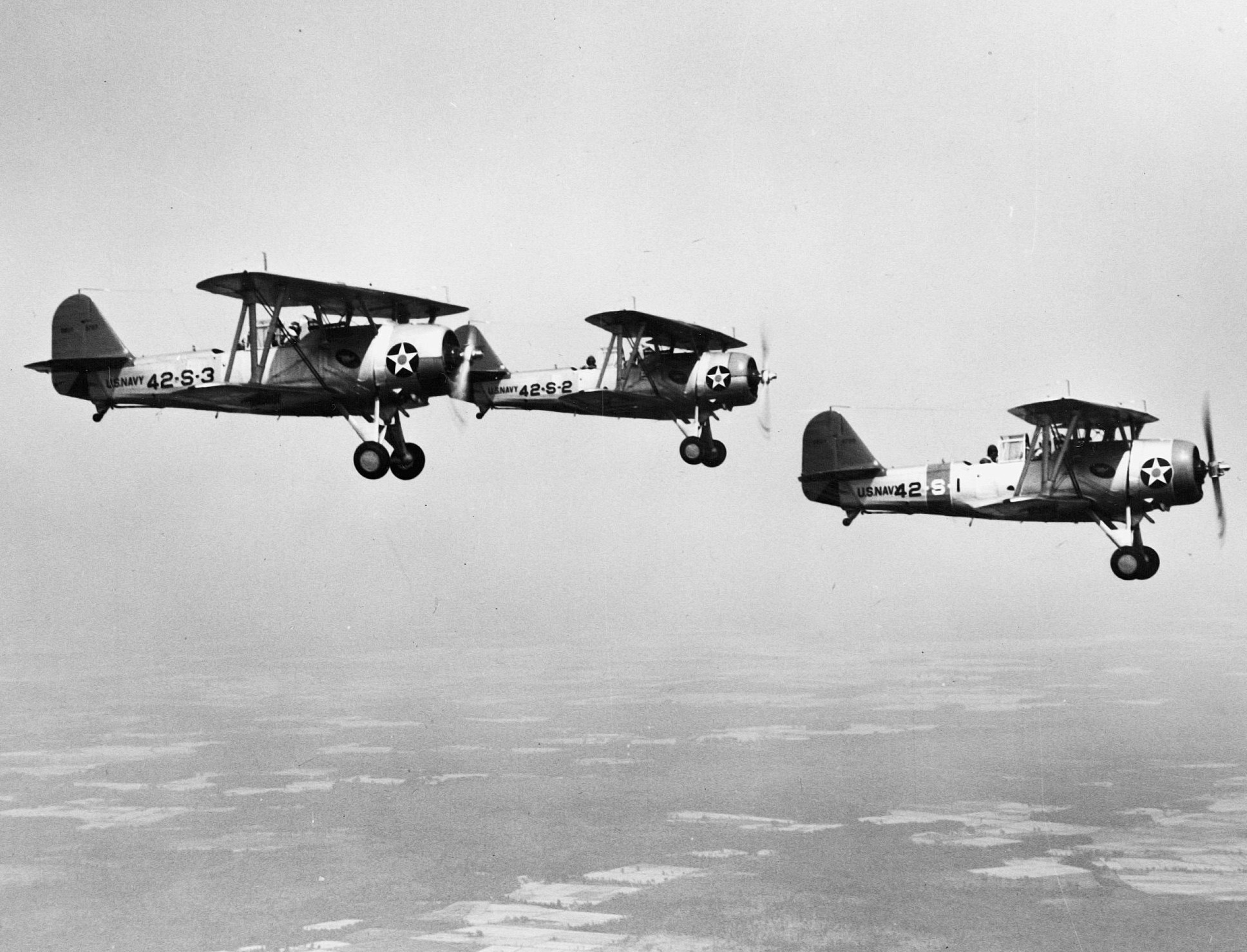
Battleships USS Arkansas, Texas, and New York with the aircraft carrier USS Ranger (with aircraft squadrons VB-4, VF-4, VS-41, and VS-42 embarked) formed a reserve force at Hampton Roads to support the following patrols:
Neutrality Patrols began operating from Bermuda following the Destroyers for Bases Agreement. The base was commissioned on April 7, 1941; and Carrier Division 3 (USS Ranger, Wasp, and Yorktown) began using the base the following day. By mid-June cruisers USS Memphis, Milwaukee, Cincinnati and Omaha were patrolling from Trinidad south along the coast of Brazil.
Hub AI
Neutrality Patrol AI simulator
(@Neutrality Patrol_simulator)
Neutrality Patrol
On September 3, 1939, the British and French declarations of war on Germany initiated the Battle of the Atlantic. The United States Navy Chief of Naval Operations (CNO) established a combined air and ship patrol of the United States Atlantic coast, including the Caribbean, on 4 September, President Franklin D. Roosevelt declared the United States' neutrality on 5 September, and declared the naval patrol a Neutrality Patrol. Roosevelt's initiation of the Neutrality Patrol, which in fact also escorted British ships, as well as orders to U.S. Navy destroyers first to actively report U-boats, then "shoot on sight", meant American neutrality was honored more in the breach than observance.[failed verification]
Upon declaration of war, the United Kingdom, France, and Germany attempted to restrict their adversaries' ability to import raw materials and manufactured goods. The belligerent navies were deployed to intercept ships capable of carrying such imports. Ships evading enemy naval patrols in the open ocean faced a final gauntlet nearing the European Atlantic coast where belligerent warships and patrolling aircraft congregated around the United Kingdom adjacent to Germany's oceanic trade routes. The United Kingdom and France controlled extensive overseas territories in 1939, while Germany had lost its colonial empire as war reparations in 1919. French and British empire seaports and airfields allowed Allied warships and aircraft to patrol around the world, while German warships controlled very few locations where they might safely refuel and resupply, and German military aircraft operations were effectively limited to occupied territory. The United Kingdom and France had more warships than Germany; so German warships relied upon concealment, speed, or disguise to avoid destruction. U-boats were most numerous and active in European coastal areas, while a few German cruisers, battleships, and merchant raiders intercepted Allied shipping on ocean trade routes.
During World War I, outnumbered German warships had shifted patrol areas away from the United Kingdom into the Atlantic to disperse opposing Allied naval forces. After refueling at Newport, Rhode Island on 7 October 1916, U-53 sank five Allied merchant ships the following day in international waters off the coast of the United States. Although K/L Hans Rose scrupulously followed international law, the loss of American export cargoes incensed Americans as neutral United States Navy destroyers were obliged to stand aside while observing nearby merchant ships being sunk, and taking aboard seamen from the sunken ships.
On 4 September 1939, the Chief of Naval Operations (CNO) ordered the Atlantic Squadron to establish a combined air and ship patrol to observe and report the movements of ships of warring nations within a line extending east from Boston to 65 degrees west and thence south to the 19th parallel and seaward around the Leeward and Windward Islands. The concept of a naval Neutrality Patrol within that zone was presented to a Conference of Foreign Ministers of the American Republics convened in Panama on 25 September. After considerable debate, the conference agreed the Declaration of Panama on 2 October 1939, to extend the neutrality zone southwesterly parallel to the northeastern coast of South America approximately 300 miles (480 km) offshore.
The initial CNO orders of September 4 directed the patrols to report the movements of ships of warring nations in cipher. U.S. Navy ships were instructed to avoid making any report while in the vicinity of such ships to avoid performance of unneutral radio direction finding service or the impression that an unneutral service was being performed. However, on October 9, after discussion about delays in the process, President Roosevelt instructed the navy to transmit reports promptly in plain English; and the Neutrality Patrol began to do so on October 20.
The reporting of vessels by US forces gave a benefit to the British. While the Germans, operating out of European bases, could take little advantage of information on shipping in the Americas, the Royal Navy had far greater access to the Atlantic and could send vessels from the UK, Canada or its overseas possessions to intercept.[citation needed]
Battleships USS Arkansas, Texas, and New York with the aircraft carrier USS Ranger (with aircraft squadrons VB-4, VF-4, VS-41, and VS-42 embarked) formed a reserve force at Hampton Roads to support the following patrols:
Neutrality Patrols began operating from Bermuda following the Destroyers for Bases Agreement. The base was commissioned on April 7, 1941; and Carrier Division 3 (USS Ranger, Wasp, and Yorktown) began using the base the following day. By mid-June cruisers USS Memphis, Milwaukee, Cincinnati and Omaha were patrolling from Trinidad south along the coast of Brazil.