
Recent from talks
No. 6 Commando
Knowledge base stats:
Talk channels stats:
Members stats:
No. 6 Commando
No. 6 Commando was a battalion-sized British Army commando unit of the Second World War. Although it was raised to conduct small-scale raids and harass garrisons along the coast of German-occupied France, it was mainly employed as a highly trained infantry assault unit.
Formed in July 1940, No. 6 Commando's first involvement in operations came in late 1941 when it contributed small forces to raids in Norway. In April 1942 the whole unit was scheduled to take part in Operation Myrmidon, in France, but this raid was eventually cancelled. As a result, the first full-scale operation that No. 6 Commando took part in was Operation Torch, the Allied landings in Algeria in November 1942. Later, it joined the advance into Tunisia in 1943. On 6 June 1944, it participated in the D-Day landings in France as part of Operation Overlord, coming ashore with the 1st Special Service Brigade which was tasked with linking up with the troops from the 6th Airborne Division on the eastern flank of Sword.
Following this, No. 6 Commando were used in the defence of the beachhead and the subsequent operations to break out from Normandy before being withdrawn with the rest of the brigade back to the United Kingdom in September 1944. In January 1945, they took part in the Allied counterattack during the Ardennes Offensive before joining the advance into Germany as part of Operation Plunder. With the end of hostilities, the unit was disbanded in 1946.
In early June 1940 following the lightning advance of the Germans through France and the subsequent Dunkirk evacuation, the British prime minister, Winston Churchill, realised the need for Britain to maintain some form of offensive action and directed his chief staff officer and military adviser, General Hastings Ismay, to begin organising a force which could conduct raids along the coast of German-occupied Europe. Shortly after this, even before the concept had been fully developed, the War Office put out a request for volunteers among the troops in Britain to join a force they would be known as the Commandos. At this stage it was decided to create 12 commando units, each with an establishment of roughly 500 men.
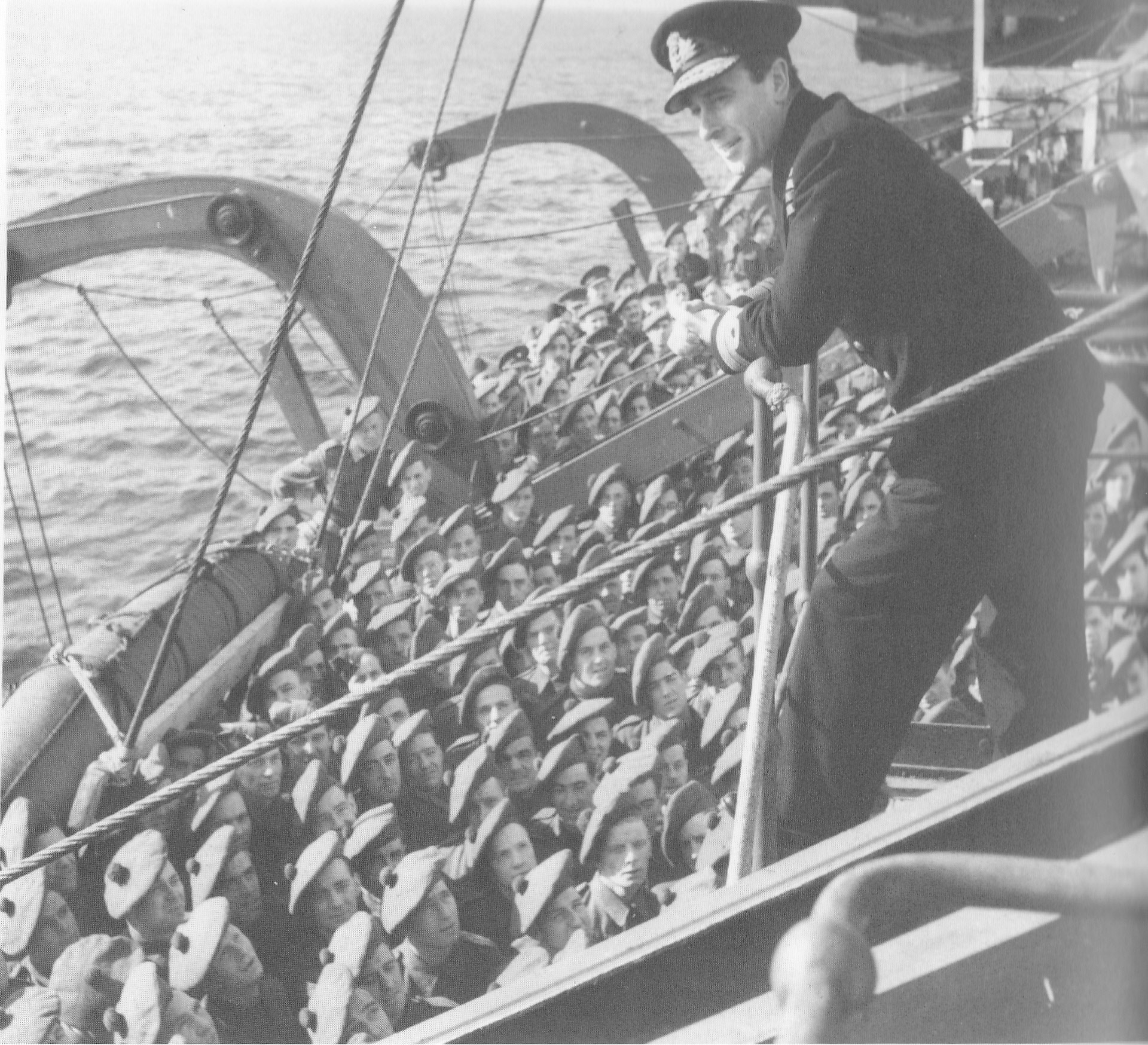
No. 6 Commando was one of the units formed at this time. Raised at Scarborough on 26 July 1940, it was placed under the command of Lieutenant Colonel Timothy Fetherstonhaugh, who was a Territorial officer holding the substantive rank of captain in the Queen’s Royal Regiment. Initially, the unit's personnel were mainly drawn from the British Army's Western Command although later personnel were drawn from all commands and branches of the army. Garrison duties were undertaken at Romney Marsh and Brightlingsea, before the unit moved to Milford Haven where they undertook amphibious training. Around this time, the commando adopted the Scottish tam o'shanter as their official headdress.
In October, when the commandos were reorganised into "Special Service" battalions underneath the overarching Special Service Brigade, No. 6 Commando was amalgamated with No. 5 Commando and became a company-sized element in the 5th Special Service Battalion under Fetherstonhaugh's command and based at Helensburgh in Scotland. In March 1941, following a reversal in War Office thinking, the battalion was broken up again into its constituent parts and No. 6 Commando was reorganised as a battalion equivalent unit, albeit with six troops instead of the original 10.
Following the failures of the hastily planned commando operations undertaken in June and July 1940, there was a period of inactivity in which the concept was refined and detailed planning was undertaken while individual units carried out extensive and specialised training. In early 1941 a number of raids were undertaken but No. 6 Commando did not conduct its first operation until later in the year.
On 9 December 1941, No. 6 Commando, along with a detachment from No. 12 Commando and some Norwegian soldiers, took part in Operation Kitbag, a raid on the town of Florø in Norway. Embarking on HMS Prince Charles, an infantry landing ship, they set out from Scapa Flow. During the voyage an incident occurred while some of the men were priming grenades for the raid which resulted in six men being killed and another 11 seriously wounded. Nevertheless, the decision was made to continue with the raid, although it was eventually called off when the naval commander was unable to locate the fjord upon which Florø was located due to navigational difficulties.
Hub AI
No. 6 Commando AI simulator
(@No. 6 Commando_simulator)
No. 6 Commando
No. 6 Commando was a battalion-sized British Army commando unit of the Second World War. Although it was raised to conduct small-scale raids and harass garrisons along the coast of German-occupied France, it was mainly employed as a highly trained infantry assault unit.
Formed in July 1940, No. 6 Commando's first involvement in operations came in late 1941 when it contributed small forces to raids in Norway. In April 1942 the whole unit was scheduled to take part in Operation Myrmidon, in France, but this raid was eventually cancelled. As a result, the first full-scale operation that No. 6 Commando took part in was Operation Torch, the Allied landings in Algeria in November 1942. Later, it joined the advance into Tunisia in 1943. On 6 June 1944, it participated in the D-Day landings in France as part of Operation Overlord, coming ashore with the 1st Special Service Brigade which was tasked with linking up with the troops from the 6th Airborne Division on the eastern flank of Sword.
Following this, No. 6 Commando were used in the defence of the beachhead and the subsequent operations to break out from Normandy before being withdrawn with the rest of the brigade back to the United Kingdom in September 1944. In January 1945, they took part in the Allied counterattack during the Ardennes Offensive before joining the advance into Germany as part of Operation Plunder. With the end of hostilities, the unit was disbanded in 1946.
In early June 1940 following the lightning advance of the Germans through France and the subsequent Dunkirk evacuation, the British prime minister, Winston Churchill, realised the need for Britain to maintain some form of offensive action and directed his chief staff officer and military adviser, General Hastings Ismay, to begin organising a force which could conduct raids along the coast of German-occupied Europe. Shortly after this, even before the concept had been fully developed, the War Office put out a request for volunteers among the troops in Britain to join a force they would be known as the Commandos. At this stage it was decided to create 12 commando units, each with an establishment of roughly 500 men.
No. 6 Commando was one of the units formed at this time. Raised at Scarborough on 26 July 1940, it was placed under the command of Lieutenant Colonel Timothy Fetherstonhaugh, who was a Territorial officer holding the substantive rank of captain in the Queen’s Royal Regiment. Initially, the unit's personnel were mainly drawn from the British Army's Western Command although later personnel were drawn from all commands and branches of the army. Garrison duties were undertaken at Romney Marsh and Brightlingsea, before the unit moved to Milford Haven where they undertook amphibious training. Around this time, the commando adopted the Scottish tam o'shanter as their official headdress.
In October, when the commandos were reorganised into "Special Service" battalions underneath the overarching Special Service Brigade, No. 6 Commando was amalgamated with No. 5 Commando and became a company-sized element in the 5th Special Service Battalion under Fetherstonhaugh's command and based at Helensburgh in Scotland. In March 1941, following a reversal in War Office thinking, the battalion was broken up again into its constituent parts and No. 6 Commando was reorganised as a battalion equivalent unit, albeit with six troops instead of the original 10.
Following the failures of the hastily planned commando operations undertaken in June and July 1940, there was a period of inactivity in which the concept was refined and detailed planning was undertaken while individual units carried out extensive and specialised training. In early 1941 a number of raids were undertaken but No. 6 Commando did not conduct its first operation until later in the year.
On 9 December 1941, No. 6 Commando, along with a detachment from No. 12 Commando and some Norwegian soldiers, took part in Operation Kitbag, a raid on the town of Florø in Norway. Embarking on HMS Prince Charles, an infantry landing ship, they set out from Scapa Flow. During the voyage an incident occurred while some of the men were priming grenades for the raid which resulted in six men being killed and another 11 seriously wounded. Nevertheless, the decision was made to continue with the raid, although it was eventually called off when the naval commander was unable to locate the fjord upon which Florø was located due to navigational difficulties.
Recent media