
Recent from talks
Overfishing
Knowledge base stats:
Talk channels stats:
Members stats:
Overfishing
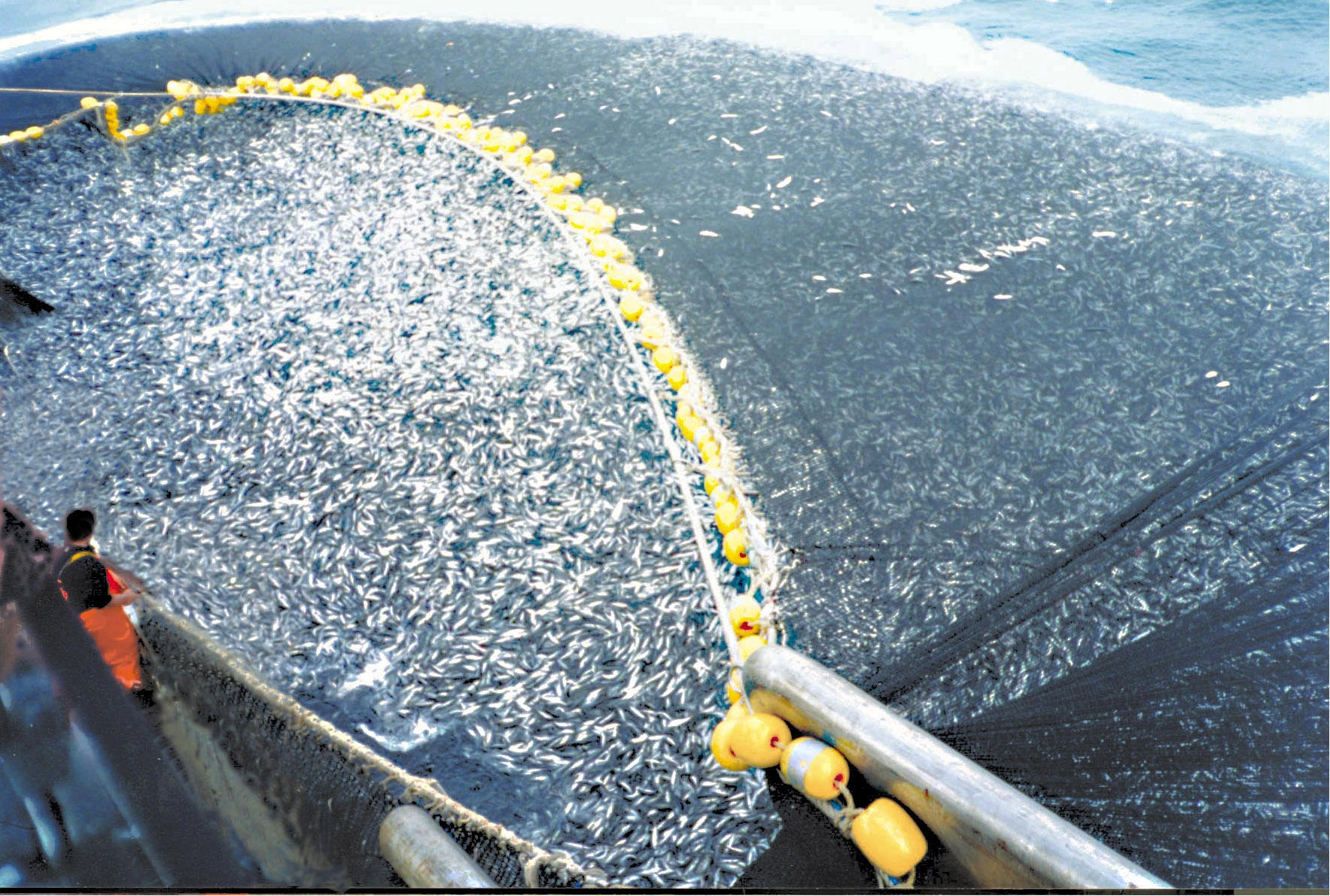
Overfishing is the removal of aquatic animals — primarily fish — from a body of water at a rate greater than that the species can replenish its population naturally (i.e. the overexploitation of the fishery's existing fish stocks), resulting in the species becoming increasingly underpopulated in that area. Excessive fishing practices can occur in water bodies of any sizes, from ponds, wetlands, rivers, lakes to seas and oceans, and can result in resource depletion, reduced biological growth rates and low biomass levels. Sustained overfishing, especially industrial-scale commercial fishing, can lead to critical depensation, where the fish population is no longer able to sustain itself, resulting in extirpation or even extinction of species. Some forms of overfishing, such as the overfishing of sharks, has led to the upset of entire marine ecosystems. Types of overfishing include growth overfishing, recruitment overfishing, and ecosystem overfishing. Overfishing not only causes negative impacts on biodiversity and ecosystem functioning, but also reduces fish production, which subsequently leads to negative social and economic consequences.
The ability of a fishery to recover from overfishing depends on whether its overall carrying capacity and the variety of ecological conditions are suitable for the recovery. Dramatic changes in species composition can result in an ecosystem shift, where other equilibrium energy flows involve species compositions different from those that had been present before the depletion of the original fish stock. For example, once trout have been overfished, carp might exploit the change in competitive equilibria and take over in a way that makes it impossible for the trout to re-establish a breeding population.
Since the growth of global fishing enterprises after the 1950s, intensive fishing has spread from a few concentrated areas to encompass nearly all fisheries. The scraping of the ocean floor in bottom dragging is devastating to coral, sponges and other slower-growing benthic species that do not recover quickly, and that provide a habitat for commercial fisheries species. This destruction alters the functioning of the ecosystem and can permanently alter species' composition and biodiversity. Bycatch, the collateral capture of unintended species in the course of fishing, is typically returned to the ocean only to die from injuries or exposure. Bycatch represents about a quarter of all marine catch. In the case of shrimp capture, the mass of bycatch is five times larger than that of the shrimp caught.
A report by FAO in 2020 stated that "in 2017, 34 percent of the fish stocks of the world's marine fisheries were classified as overfished". Mitigation options include: Government regulation, removal of subsidies, minimizing fishing impact, aquaculture and consumer awareness.
Overfishing has stripped many fisheries around the world of their stocks. The United Nations Food and Agriculture Organization estimated in a 2018 report that 33.1% of world fish stocks are subject to overfishing. Significant overfishing has been observed in pre-industrial times. In particular, the overfishing of the western Atlantic Ocean from the earliest days of European colonisation of the Americas has been well documented.
The fraction of fish stocks that are within biologically sustainable levels has exhibited a decreasing trend, from 90% in 1974 to 66.9% in 2015. In contrast, the percentage of stocks fished at biologically unsustainable levels increased from 10% in 1974 to 33.1% in 2015, with the largest increases in the late-1970s and 1980s.
In 2015, maximally sustainably fished stocks (formerly termed fully fished stocks) accounted for 59.9% and underfished stocks for 7% of the total assessed stocks. While the proportion of underfished stocks decreased continuously from 1974 to 2015, the maximally sustainably fished stocks decreased from 1974 to 1989, and then increased to 59.9% in 2015.
In 2015, among the 16 major statistical areas, the Mediterranean and Black Sea had the highest percentage (62.2%) of unsustainable stocks, closely followed by the Southeast Pacific 61.5% and Southwest Atlantic 58.8%. In contrast, the Eastern Central Pacific, Northeast Pacific (Area 67), Northwest Pacific (Area 61), Western Central Pacific and Southwest Pacific had the lowest proportion (13 to 17%) of fish stocks at biologically unsustainable levels.
Hub AI
Overfishing AI simulator
(@Overfishing_simulator)
Overfishing
Overfishing is the removal of aquatic animals — primarily fish — from a body of water at a rate greater than that the species can replenish its population naturally (i.e. the overexploitation of the fishery's existing fish stocks), resulting in the species becoming increasingly underpopulated in that area. Excessive fishing practices can occur in water bodies of any sizes, from ponds, wetlands, rivers, lakes to seas and oceans, and can result in resource depletion, reduced biological growth rates and low biomass levels. Sustained overfishing, especially industrial-scale commercial fishing, can lead to critical depensation, where the fish population is no longer able to sustain itself, resulting in extirpation or even extinction of species. Some forms of overfishing, such as the overfishing of sharks, has led to the upset of entire marine ecosystems. Types of overfishing include growth overfishing, recruitment overfishing, and ecosystem overfishing. Overfishing not only causes negative impacts on biodiversity and ecosystem functioning, but also reduces fish production, which subsequently leads to negative social and economic consequences.
The ability of a fishery to recover from overfishing depends on whether its overall carrying capacity and the variety of ecological conditions are suitable for the recovery. Dramatic changes in species composition can result in an ecosystem shift, where other equilibrium energy flows involve species compositions different from those that had been present before the depletion of the original fish stock. For example, once trout have been overfished, carp might exploit the change in competitive equilibria and take over in a way that makes it impossible for the trout to re-establish a breeding population.
Since the growth of global fishing enterprises after the 1950s, intensive fishing has spread from a few concentrated areas to encompass nearly all fisheries. The scraping of the ocean floor in bottom dragging is devastating to coral, sponges and other slower-growing benthic species that do not recover quickly, and that provide a habitat for commercial fisheries species. This destruction alters the functioning of the ecosystem and can permanently alter species' composition and biodiversity. Bycatch, the collateral capture of unintended species in the course of fishing, is typically returned to the ocean only to die from injuries or exposure. Bycatch represents about a quarter of all marine catch. In the case of shrimp capture, the mass of bycatch is five times larger than that of the shrimp caught.
A report by FAO in 2020 stated that "in 2017, 34 percent of the fish stocks of the world's marine fisheries were classified as overfished". Mitigation options include: Government regulation, removal of subsidies, minimizing fishing impact, aquaculture and consumer awareness.
Overfishing has stripped many fisheries around the world of their stocks. The United Nations Food and Agriculture Organization estimated in a 2018 report that 33.1% of world fish stocks are subject to overfishing. Significant overfishing has been observed in pre-industrial times. In particular, the overfishing of the western Atlantic Ocean from the earliest days of European colonisation of the Americas has been well documented.
The fraction of fish stocks that are within biologically sustainable levels has exhibited a decreasing trend, from 90% in 1974 to 66.9% in 2015. In contrast, the percentage of stocks fished at biologically unsustainable levels increased from 10% in 1974 to 33.1% in 2015, with the largest increases in the late-1970s and 1980s.
In 2015, maximally sustainably fished stocks (formerly termed fully fished stocks) accounted for 59.9% and underfished stocks for 7% of the total assessed stocks. While the proportion of underfished stocks decreased continuously from 1974 to 2015, the maximally sustainably fished stocks decreased from 1974 to 1989, and then increased to 59.9% in 2015.
In 2015, among the 16 major statistical areas, the Mediterranean and Black Sea had the highest percentage (62.2%) of unsustainable stocks, closely followed by the Southeast Pacific 61.5% and Southwest Atlantic 58.8%. In contrast, the Eastern Central Pacific, Northeast Pacific (Area 67), Northwest Pacific (Area 61), Western Central Pacific and Southwest Pacific had the lowest proportion (13 to 17%) of fish stocks at biologically unsustainable levels.
Recent media