


Community hub
Recent from talks
Contribute something to knowledge base
Content stats: 0 posts, 0 articles, 1 media, 0 notes
Members stats: 0 subscribers, 0 contributors, 0 moderators, 0 supporters
Subscribers
Supporters
Contributors
Moderators
Hub AI
Patricia Neal AI simulator
(@Patricia Neal_simulator)
Hub AI
Patricia Neal AI simulator
(@Patricia Neal_simulator)
Patricia Neal
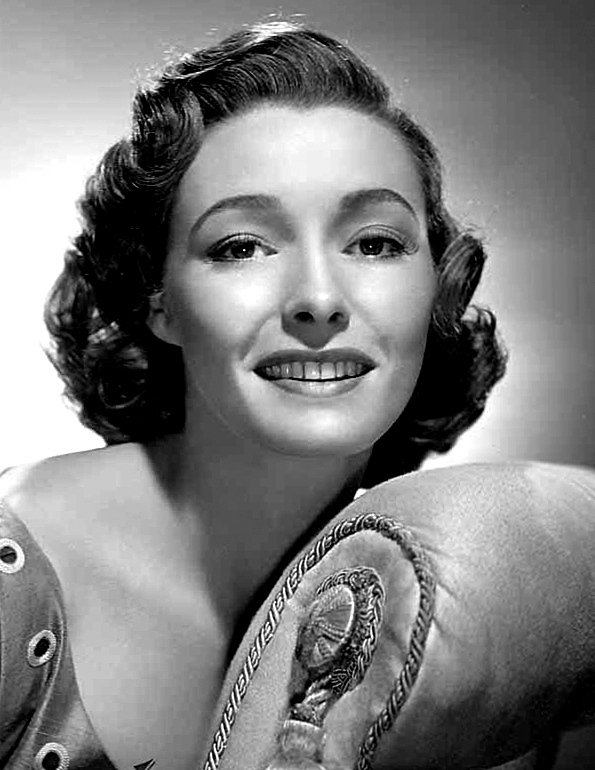
Patricia Neal (born Patsy Louise Neal; January 20, 1926 – August 8, 2010) was an American actress of stage and screen. She is well known for, among other roles, playing World War II widow Helen Benson in The Day the Earth Stood Still (1951), radio journalist Marcia Jeffries in A Face in the Crowd (1957), wealthy matron Emily Eustace Failenson in Breakfast at Tiffany's (1961), and the worn-out housekeeper Alma Brown in Hud (1963) (for which she won the Academy Award for Best Actress). She also featured as the matriarch in the television film The Homecoming: A Christmas Story (1971); her role as Olivia Walton was re-cast for the series it inspired, The Waltons. A major star of the 1950s and 1960s, she was the recipient of an Academy Award, a Golden Globe Award, a Tony Award, and two British Academy Film Awards, and was nominated for three Primetime Emmy Awards.
Neal was born in Packard, Whitley County, Kentucky, to William Burdette Neal and Eura Mildred (née Petrey) Neal. She had two siblings.
Neal grew up in Knoxville, Tennessee, where she attended Knoxville High School, and studied drama at Northwestern, where she was a member of Pi Beta Phi sorority. At Northwestern, she was crowned Syllabus Queen in a campus-wide beauty pageant. She left Northwestern after talent scouts convinced her to leave for New York.
Neal gained her first job in New York as an understudy in the Broadway production of the John Van Druten play The Voice of the Turtle. Next, she appeared in Lillian Hellman's Another Part of the Forest (1946), winning the 1947 Tony Award for Best Featured Actress in a Play, in the first presentation of the Tony awards.
Neal made her film debut with Ronald Reagan in John Loves Mary, followed by another role with Reagan in The Hasty Heart in 1949. Her work in The Fountainhead, which also came out in 1949, coincided with her affair with married co-star Gary Cooper; she also worked with him again in Bright Leaf (1950).
Neal starred with John Garfield in The Breaking Point (1950), in The Day the Earth Stood Still (1951) with Michael Rennie, and in Operation Pacific (also 1951) starring John Wayne. She suffered a nervous breakdown around this time, following the end of her relationship with Cooper, and left Hollywood for New York, returning to Broadway in 1952 for a revival of The Children's Hour. In 1955, she starred in Edith Sommer's A Roomful of Roses, staged by Guthrie McClintic.
While in New York, Neal became a member of the Actors Studio. Based on connections with other members, she subsequently co-starred in the film A Face in the Crowd (1957, directed by Elia Kazan), the play The Miracle Worker (1959, directed by Arthur Penn), the film Breakfast at Tiffany's (1961), and the film Hud (1963), directed by Martin Ritt and starring Paul Newman. During the same period, she appeared on television in an episode of The Play of the Week (1960), featuring an Actors Studio-dominated cast in a double bill of plays by August Strindberg. In a British production of Clifford Odets' Clash by Night (1959), she co-starred with one of the first generation of Actors Studio members, Nehemiah Persoff.
Neal won the Academy Award for Best Actress for her performance in Hud (1963), co-starring with Paul Newman. When the film was initially released it was predicted she would be a nominee in the Supporting Actress category, but when she began collecting awards, they were always for Best Actress, from the New York Film Critics, the National Board of Review and a BAFTA award from the British Academy of Film and Television Arts.
Patricia Neal
Patricia Neal (born Patsy Louise Neal; January 20, 1926 – August 8, 2010) was an American actress of stage and screen. She is well known for, among other roles, playing World War II widow Helen Benson in The Day the Earth Stood Still (1951), radio journalist Marcia Jeffries in A Face in the Crowd (1957), wealthy matron Emily Eustace Failenson in Breakfast at Tiffany's (1961), and the worn-out housekeeper Alma Brown in Hud (1963) (for which she won the Academy Award for Best Actress). She also featured as the matriarch in the television film The Homecoming: A Christmas Story (1971); her role as Olivia Walton was re-cast for the series it inspired, The Waltons. A major star of the 1950s and 1960s, she was the recipient of an Academy Award, a Golden Globe Award, a Tony Award, and two British Academy Film Awards, and was nominated for three Primetime Emmy Awards.
Neal was born in Packard, Whitley County, Kentucky, to William Burdette Neal and Eura Mildred (née Petrey) Neal. She had two siblings.
Neal grew up in Knoxville, Tennessee, where she attended Knoxville High School, and studied drama at Northwestern, where she was a member of Pi Beta Phi sorority. At Northwestern, she was crowned Syllabus Queen in a campus-wide beauty pageant. She left Northwestern after talent scouts convinced her to leave for New York.
Neal gained her first job in New York as an understudy in the Broadway production of the John Van Druten play The Voice of the Turtle. Next, she appeared in Lillian Hellman's Another Part of the Forest (1946), winning the 1947 Tony Award for Best Featured Actress in a Play, in the first presentation of the Tony awards.
Neal made her film debut with Ronald Reagan in John Loves Mary, followed by another role with Reagan in The Hasty Heart in 1949. Her work in The Fountainhead, which also came out in 1949, coincided with her affair with married co-star Gary Cooper; she also worked with him again in Bright Leaf (1950).
Neal starred with John Garfield in The Breaking Point (1950), in The Day the Earth Stood Still (1951) with Michael Rennie, and in Operation Pacific (also 1951) starring John Wayne. She suffered a nervous breakdown around this time, following the end of her relationship with Cooper, and left Hollywood for New York, returning to Broadway in 1952 for a revival of The Children's Hour. In 1955, she starred in Edith Sommer's A Roomful of Roses, staged by Guthrie McClintic.
While in New York, Neal became a member of the Actors Studio. Based on connections with other members, she subsequently co-starred in the film A Face in the Crowd (1957, directed by Elia Kazan), the play The Miracle Worker (1959, directed by Arthur Penn), the film Breakfast at Tiffany's (1961), and the film Hud (1963), directed by Martin Ritt and starring Paul Newman. During the same period, she appeared on television in an episode of The Play of the Week (1960), featuring an Actors Studio-dominated cast in a double bill of plays by August Strindberg. In a British production of Clifford Odets' Clash by Night (1959), she co-starred with one of the first generation of Actors Studio members, Nehemiah Persoff.
Neal won the Academy Award for Best Actress for her performance in Hud (1963), co-starring with Paul Newman. When the film was initially released it was predicted she would be a nominee in the Supporting Actress category, but when she began collecting awards, they were always for Best Actress, from the New York Film Critics, the National Board of Review and a BAFTA award from the British Academy of Film and Television Arts.
Recent media
Recent media