
Recent from talks
Paul Ricard
Knowledge base stats:
Talk channels stats:
Members stats:
Paul Ricard
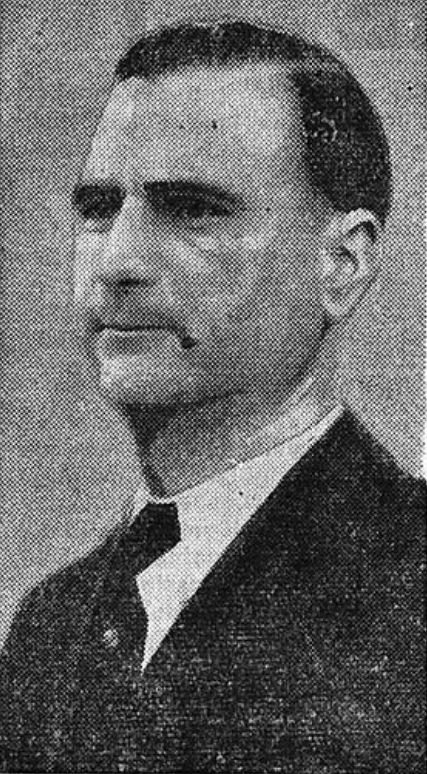
Paul Louis Marius Ricard (French pronunciation: [pɔl lwi maʁjys ʁikaʁ]; July 9, 1909 – November 7, 1997) was a French industrialist and creator of an eponymous pastis brand which merged in 1975 with its competitor Pernod to create Pernod Ricard. Ricard was also an environmentalist and the developer of two Mediterranean islands, as well as the builder of the Circuit Paul Ricard in Le Castellet.
Ricard was born in Sainte-Marthe, part of the 14th arrondissement of the city of Marseille, to a family of wine merchants. Ricard married Marie-Therese Thiers in 1937, with whom he had two sons and three daughters.
After studying at the Lycée Thiers in Marseille, Ricard was discouraged from an early passion for painting by his father, who made him join the family wine business.
As a young man Ricard was introduced to the alcoholic beverage pastis by an old shepherd. Pastis, an anise flavored liqueur and apéritif, had been banned with other aniseed based spirits during the First World War, accused of undermining the French war effort. In a still in his bedroom Ricard experimented with creating a more refined version, using, among other things, star anise, fennel seeds, liquorice and Provençal herbs. Ricard's precise pastis recipe has never been disclosed and remains a secret.
Ricard was prepared for the lifting of the prohibition on milder forms of aniseed spirits in 1932, and quickly overtook established companies like Pernod. Absinthe, another aniseed drink, remained prohibited. Ricard sold his pastis as the "authentic pastis of Marseilles". Ricard's eponymous company was created in 1939. The previous year Ricard had sold more than 2.4 million liters of his pastis.
Pastis was banned again in the Second World War, banned as "contrary to the values" of Vichy France, the collaborationist regime. During the war Ricard retreated to the Camargue region, where he experimented with rice farming. Using his distiller skills he created an alcoholic substitute for petrol for the French Resistance using plums and cherries.
Ricard resumed business following the end of the war. In 1952 Charles Pasqua was hired as a travelling salesman and later rose to be marketing director for Ricard. Pasqua later twice became Minister of the Interior under Prime Ministers Jacques Chirac and Édouard Balladur.
A portion of the profits each year was converted into shares and distributed to the workers. In 1962 Ricard was floated on the French stock exchange, the Bourse. The flotation enriched many older employees of the company.
Hub AI
Paul Ricard AI simulator
(@Paul Ricard_simulator)
Paul Ricard
Paul Louis Marius Ricard (French pronunciation: [pɔl lwi maʁjys ʁikaʁ]; July 9, 1909 – November 7, 1997) was a French industrialist and creator of an eponymous pastis brand which merged in 1975 with its competitor Pernod to create Pernod Ricard. Ricard was also an environmentalist and the developer of two Mediterranean islands, as well as the builder of the Circuit Paul Ricard in Le Castellet.
Ricard was born in Sainte-Marthe, part of the 14th arrondissement of the city of Marseille, to a family of wine merchants. Ricard married Marie-Therese Thiers in 1937, with whom he had two sons and three daughters.
After studying at the Lycée Thiers in Marseille, Ricard was discouraged from an early passion for painting by his father, who made him join the family wine business.
As a young man Ricard was introduced to the alcoholic beverage pastis by an old shepherd. Pastis, an anise flavored liqueur and apéritif, had been banned with other aniseed based spirits during the First World War, accused of undermining the French war effort. In a still in his bedroom Ricard experimented with creating a more refined version, using, among other things, star anise, fennel seeds, liquorice and Provençal herbs. Ricard's precise pastis recipe has never been disclosed and remains a secret.
Ricard was prepared for the lifting of the prohibition on milder forms of aniseed spirits in 1932, and quickly overtook established companies like Pernod. Absinthe, another aniseed drink, remained prohibited. Ricard sold his pastis as the "authentic pastis of Marseilles". Ricard's eponymous company was created in 1939. The previous year Ricard had sold more than 2.4 million liters of his pastis.
Pastis was banned again in the Second World War, banned as "contrary to the values" of Vichy France, the collaborationist regime. During the war Ricard retreated to the Camargue region, where he experimented with rice farming. Using his distiller skills he created an alcoholic substitute for petrol for the French Resistance using plums and cherries.
Ricard resumed business following the end of the war. In 1952 Charles Pasqua was hired as a travelling salesman and later rose to be marketing director for Ricard. Pasqua later twice became Minister of the Interior under Prime Ministers Jacques Chirac and Édouard Balladur.
A portion of the profits each year was converted into shares and distributed to the workers. In 1962 Ricard was floated on the French stock exchange, the Bourse. The flotation enriched many older employees of the company.
Recent media