Recent from talks
Knowledge base stats:
Talk channels stats:
Members stats:
Plant collecting
Plant collecting is the acquisition of plant specimens for the purposes of research, cultivation, or as a hobby. Plant specimens may be kept alive, but are more commonly dried and pressed to preserve the quality of the specimen. Plant collecting is an ancient practice with records of a Chinese botanist collecting roses over 5000 years ago.
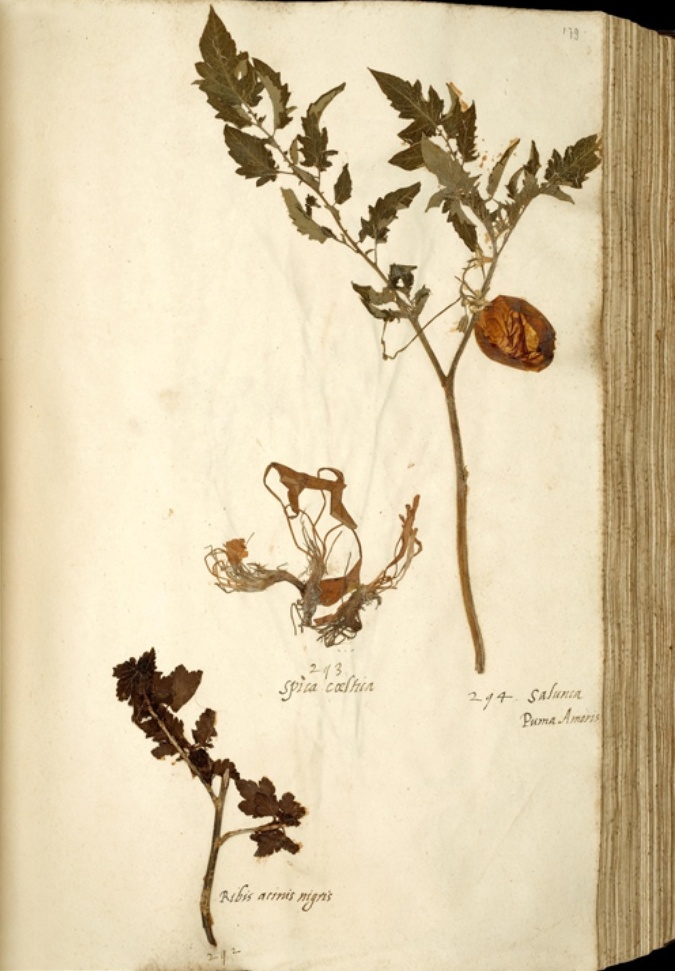
Herbaria are collections of preserved plants samples and their associated data for scientific purposes. The largest herbarium in the world exist at the Muséum National d'Histoire Naturelle, in Paris, France. Plant samples in herbaria typically include a reference sheet with information about the plant and details of collection. This detailed and organized system of filing provides horticulturist and other researchers alike with a way to find information about a certain plant, and a way to add new information to an existing plant sample file.
The collection of live plant specimens from the wild, sometimes referred to as plant hunting, is an activity that has occurred for centuries. The earliest recorded evidence of plant hunting was in 1495 BC when botanists were sent to Somalia to collect incense trees for Queen Hatshepsut. The Victorian era saw a surge in plant hunting activity as botanical adventurers explored the world to find exotic plants to bring home, often at considerable personal risk. These plants usually ended up in botanical gardens or the private gardens of wealthy collectors. Prolific plant hunters in this period included William Lobb and his brother Thomas Lobb, George Forrest, Joseph Hooker, Charles Maries and Robert Fortune.
When collecting a sample it is important to first make sure that land you are collecting on allows for the removal of natural specimens. The first step of plant collection begins with the selection of the sample. Viable samples include identifying features such as flowers, fruits, root systems or any other unique features. Smaller plants may require multiple individuals to make up a sample. Plants that show signs of infection should be avoided to prevent spreading the disease. The next step after finding a suitable plant for collection is to assign it with a number for record keeping purposes. This number system is up to the individual collector, but usually involves the date of collection or the sequential number of that collection. Along with an assigned number, observations about the plant's location and live appearance should be noted in detail. These field notes will accompany the finished sample to provide supplementary information about the plant.
Proper pressing and mounting techniques are critical to the longevity of a collected plant sample. Properly preserved plant samples can last for hundreds of years. The New York Botanical Garden itself holds plant samples that date back to the Lewis and Clark Expedition of 1804–1806.
After cleaning the sample of any mud or dirt, the next step is to press the sample. Some samples may press better if they have been left to wilt for a few days. However plants should never be allowed to spoil or decompose before pressing, as this will impact the quality of the dried product. Plant presses are most commonly constructed with two flat smooth pieces of wood, and some type of compression mechanism. Compression may be accomplished with tightened nuts and bolts on the corners of the press, with tightened straps around the press, or by placing weights on top of the press. A book with a weighted object on top of it can also act as a press. When placing in the press, plant samples should be sandwiched between a few layers of absorbent blotter. Newspaper and cardboard are two common choices for blotter material. When arranging the plant in the press it is important to remember that the dried plant product will be fragile and inflexible, so position the plant exactly as you wish the final product to appear. Tighten the press and wait approximately a day to check up on the plant. The blotter should be taken out and replaced with dry blotter roughly every 24 hours. Complete drying time will vary depending on the type of plant, but is generally 1–10 days. Fleshier plants such as succulents will take longer.
After the plant sample has been sufficiently dried and pressed, it must be mounted. The quality of mounting not only impacts the appearance of the plant sample, but also determines the rate of deterioration the sample will experience. Herbarium quality mounts use specialized paper for the best protection against deterioration. This paper can either be 100% alpha cellulose paper or cotton "rag" paper. These types of paper are ideal for preserving plant samples because they are acid free and pH neutral. Samples can be strapped to the paper with linen tape, or glued onto the sheet. If glue is needed, it is recommended that Grade A methyl cellulose mixed with water be used for optimal deterioration resistance.
In order for plant specimens to be kept in good condition for future reference, adequate storage conditions are needed. The storage space should be kept in a low light, low humidity environment. The temperature of the storage space should be kept cool, between 50 and 65 °F (10–18 °C).
Hub AI
Plant collecting AI simulator
(@Plant collecting_simulator)
Plant collecting
Plant collecting is the acquisition of plant specimens for the purposes of research, cultivation, or as a hobby. Plant specimens may be kept alive, but are more commonly dried and pressed to preserve the quality of the specimen. Plant collecting is an ancient practice with records of a Chinese botanist collecting roses over 5000 years ago.
Herbaria are collections of preserved plants samples and their associated data for scientific purposes. The largest herbarium in the world exist at the Muséum National d'Histoire Naturelle, in Paris, France. Plant samples in herbaria typically include a reference sheet with information about the plant and details of collection. This detailed and organized system of filing provides horticulturist and other researchers alike with a way to find information about a certain plant, and a way to add new information to an existing plant sample file.
The collection of live plant specimens from the wild, sometimes referred to as plant hunting, is an activity that has occurred for centuries. The earliest recorded evidence of plant hunting was in 1495 BC when botanists were sent to Somalia to collect incense trees for Queen Hatshepsut. The Victorian era saw a surge in plant hunting activity as botanical adventurers explored the world to find exotic plants to bring home, often at considerable personal risk. These plants usually ended up in botanical gardens or the private gardens of wealthy collectors. Prolific plant hunters in this period included William Lobb and his brother Thomas Lobb, George Forrest, Joseph Hooker, Charles Maries and Robert Fortune.
When collecting a sample it is important to first make sure that land you are collecting on allows for the removal of natural specimens. The first step of plant collection begins with the selection of the sample. Viable samples include identifying features such as flowers, fruits, root systems or any other unique features. Smaller plants may require multiple individuals to make up a sample. Plants that show signs of infection should be avoided to prevent spreading the disease. The next step after finding a suitable plant for collection is to assign it with a number for record keeping purposes. This number system is up to the individual collector, but usually involves the date of collection or the sequential number of that collection. Along with an assigned number, observations about the plant's location and live appearance should be noted in detail. These field notes will accompany the finished sample to provide supplementary information about the plant.
Proper pressing and mounting techniques are critical to the longevity of a collected plant sample. Properly preserved plant samples can last for hundreds of years. The New York Botanical Garden itself holds plant samples that date back to the Lewis and Clark Expedition of 1804–1806.
After cleaning the sample of any mud or dirt, the next step is to press the sample. Some samples may press better if they have been left to wilt for a few days. However plants should never be allowed to spoil or decompose before pressing, as this will impact the quality of the dried product. Plant presses are most commonly constructed with two flat smooth pieces of wood, and some type of compression mechanism. Compression may be accomplished with tightened nuts and bolts on the corners of the press, with tightened straps around the press, or by placing weights on top of the press. A book with a weighted object on top of it can also act as a press. When placing in the press, plant samples should be sandwiched between a few layers of absorbent blotter. Newspaper and cardboard are two common choices for blotter material. When arranging the plant in the press it is important to remember that the dried plant product will be fragile and inflexible, so position the plant exactly as you wish the final product to appear. Tighten the press and wait approximately a day to check up on the plant. The blotter should be taken out and replaced with dry blotter roughly every 24 hours. Complete drying time will vary depending on the type of plant, but is generally 1–10 days. Fleshier plants such as succulents will take longer.
After the plant sample has been sufficiently dried and pressed, it must be mounted. The quality of mounting not only impacts the appearance of the plant sample, but also determines the rate of deterioration the sample will experience. Herbarium quality mounts use specialized paper for the best protection against deterioration. This paper can either be 100% alpha cellulose paper or cotton "rag" paper. These types of paper are ideal for preserving plant samples because they are acid free and pH neutral. Samples can be strapped to the paper with linen tape, or glued onto the sheet. If glue is needed, it is recommended that Grade A methyl cellulose mixed with water be used for optimal deterioration resistance.
In order for plant specimens to be kept in good condition for future reference, adequate storage conditions are needed. The storage space should be kept in a low light, low humidity environment. The temperature of the storage space should be kept cool, between 50 and 65 °F (10–18 °C).
