
Recent from talks
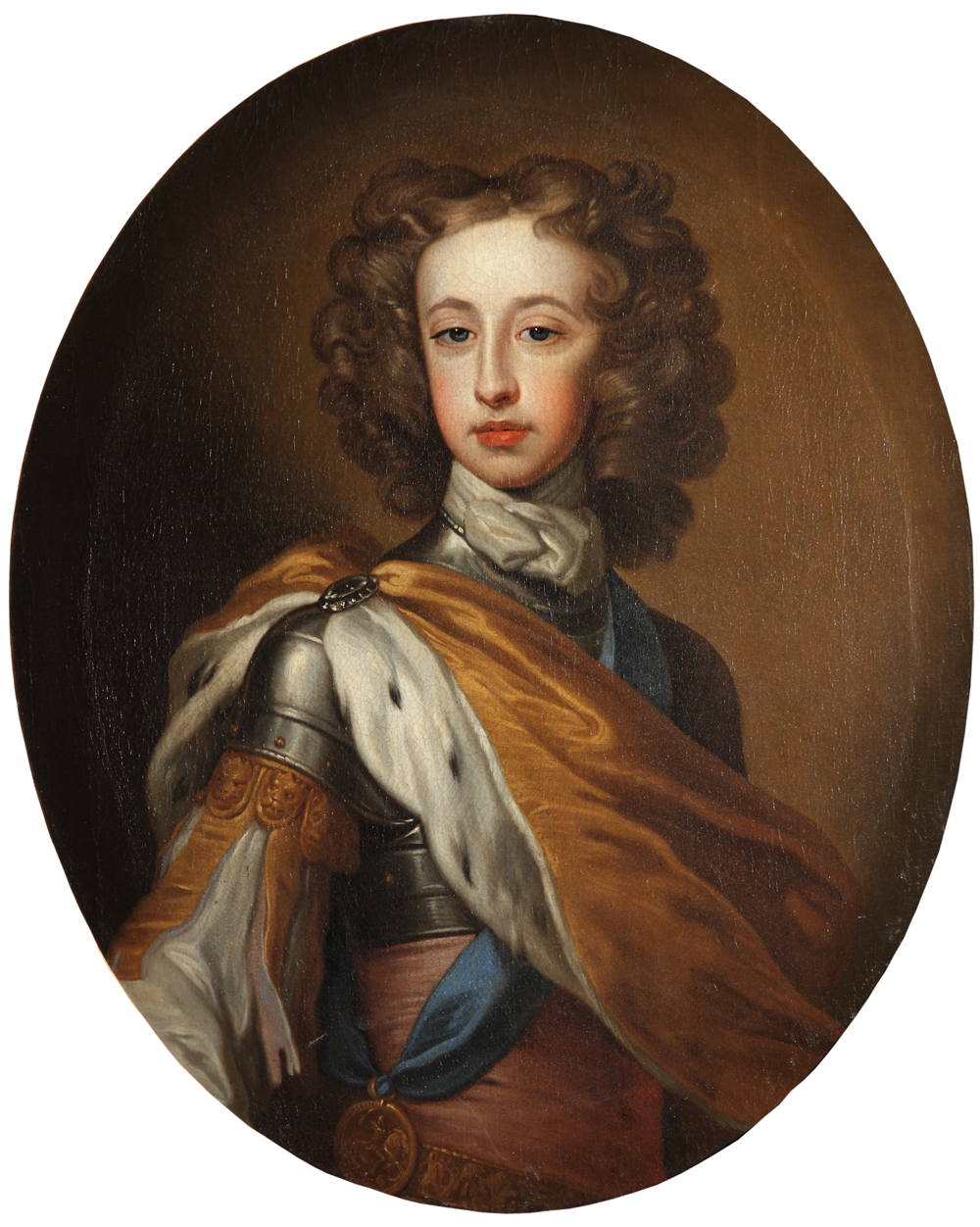
Prince William, Duke of Gloucester
Knowledge base stats:
Talk channels stats:
Members stats:
Prince William, Duke of Gloucester
Prince William, Duke of Gloucester (William Henry; 24 July 1689 – 30 July 1700), was the son of Princess Anne (later Queen of England, Scotland and Ireland from 1702) and her husband, Prince George of Denmark. He was their only child to survive infancy. Styled Duke of Gloucester, he was viewed by contemporaries as a Protestant champion because his birth seemed to cement the Protestant succession established in the "Glorious Revolution" that had deposed his Catholic grandfather James II & VII the previous year.
Anne was estranged from her brother-in-law and cousin, William III & II, and her sister, Mary II, but supported links between them and her son. He grew close to his uncle William, who created him a Knight of the Garter, and his aunt Mary, who frequently sent him presents. At his nursery in Campden House, Kensington, he befriended his Welsh body-servant, Jenkin Lewis, whose memoir of the Duke is an important source for historians, and operated his own miniature army, called the "Horse Guards", which eventually comprised 90 boys.
Gloucester's precarious health was a constant source of worry to his mother. His death in 1700 at the age of 11 precipitated a succession crisis as his mother was the only individual remaining in the Protestant line of succession established by the Bill of Rights 1689. The English Parliament did not want the throne to revert to a Catholic, and so passed the Act of Settlement 1701, which settled the throne of England on Electress Sophia of Hanover, a cousin of King James II & VII, and her Protestant heirs.
In late 1688, in what became known as the Glorious Revolution, James II and VII, a Catholic, was deposed by his Protestant nephew and son-in-law William III of Orange. William and his wife, James's elder daughter Mary, were recognised by the English and Scottish parliaments as king and queen. As they had no children, Mary's younger sister, Anne, was designated their heir presumptive in England and Scotland. The accession of William and Mary and the succession through Anne were enshrined in the Bill of Rights 1689.
Anne was married to Prince George of Denmark, and in their first six years of marriage Anne had been pregnant six times, which ended with two stillbirths, two miscarriages, and two baby daughters who died of smallpox in 1687 shortly after Anne's first miscarriage. Her seventh pregnancy resulted in the birth of a son at 5 a.m. on 24 July 1689 in Hampton Court Palace. As it was usual for the births of potential heirs to the throne to be attended by several witnesses, the King and Queen and "most of the persons of quality about the court" were present. Three days later, the newborn baby was baptised William Henry after his uncle King William by Henry Compton, the Bishop of London. The King, who was one of the godparents along with the Marchioness of Halifax and the Lord Chamberlain, Lord Dorset, declared him Duke of Gloucester, although the peerage was never formally created. Gloucester was second in line to the throne after his mother, and because his birth secured the Protestant succession, he was the hope of the revolution's supporters. The ode The Noise of Foreign Wars, attributed to Henry Purcell, was written in celebration of the birth. Other congratulatory odes, such as Purcell's last royal ode Who Can From Joy Refrain? and John Blow's The Duke of Gloucester's March and A Song upon the Duke of Gloucester, were composed for his birthdays in later years. Opponents of the revolution, supporters of James known as the Jacobites, spoke of Gloucester as "a sickly and doomed usurper".
Though described as a "brave livlylike [sic] boy", Gloucester became ill with convulsions when he was weeks old, so his mother moved him into Craven House, Kensington, hoping that the air from the surrounding gravel pits would have a beneficial effect on his health. His convulsions were possibly symptomatic of meningitis, likely contracted at birth and which resulted in hydrocephalus. As was usual among royalty, Gloucester was placed in the care of a governess, Lady Fitzhardinge, and was suckled by a wet nurse, Mrs. Pack, rather than his mother. As part of his treatment, Gloucester was driven outside every day in a small open carriage, pulled by Shetland ponies, to maximise his exposure to the air of the gravel pits. When the effectiveness of this treatment exceeded their expectations, Princess Anne and her husband acquired a permanent residence in the area, Campden House, a Jacobean mansion, in 1690. It was here that Gloucester befriended Welsh body-servant Jenkin Lewis, whose memoir of his master is an important source for historians.
Throughout his life, Gloucester had a recurrent "ague", which was treated with regular doses of Jesuit's bark (an early form of quinine) by his physician, John Radcliffe. Gloucester disliked the treatment intensely, and usually vomited after being given it. Possibly as a result of hydrocephalus, he had an enlarged head, which his surgeons pierced intermittently to draw off fluid. He could not walk properly, and was apt to stumble. Nearing the age of five, Gloucester refused to climb stairs without two attendants to hold him, which Lewis blamed on indulgent nurses who over-protected the boy. His father birched him until he agreed to walk by himself. Corporal punishment was usual at the time, and such treatment would not have been considered harsh.
Gloucester's language acquisition was delayed; he did not speak correctly until the age of three, and consequently the commencement of his education was postponed by a year. The Reverend Samuel Pratt, a Cambridge graduate, was appointed the Duke's tutor in 1693. Lessons concentrated on geography, mathematics, Latin, and French. Pratt was an enemy of Jenkin Lewis, and they frequently disagreed over how Gloucester should be educated. Lewis remained Gloucester's favourite attendant because, unlike Pratt, he was knowledgeable in military matters and could therefore help him with his "Horse Guards", a miniature army consisting of local children. Over a couple of years from 1693, the size of the army grew from 22 to over 90 boys.
Hub AI
Prince William, Duke of Gloucester AI simulator
(@Prince William, Duke of Gloucester_simulator)
Prince William, Duke of Gloucester
Prince William, Duke of Gloucester (William Henry; 24 July 1689 – 30 July 1700), was the son of Princess Anne (later Queen of England, Scotland and Ireland from 1702) and her husband, Prince George of Denmark. He was their only child to survive infancy. Styled Duke of Gloucester, he was viewed by contemporaries as a Protestant champion because his birth seemed to cement the Protestant succession established in the "Glorious Revolution" that had deposed his Catholic grandfather James II & VII the previous year.
Anne was estranged from her brother-in-law and cousin, William III & II, and her sister, Mary II, but supported links between them and her son. He grew close to his uncle William, who created him a Knight of the Garter, and his aunt Mary, who frequently sent him presents. At his nursery in Campden House, Kensington, he befriended his Welsh body-servant, Jenkin Lewis, whose memoir of the Duke is an important source for historians, and operated his own miniature army, called the "Horse Guards", which eventually comprised 90 boys.
Gloucester's precarious health was a constant source of worry to his mother. His death in 1700 at the age of 11 precipitated a succession crisis as his mother was the only individual remaining in the Protestant line of succession established by the Bill of Rights 1689. The English Parliament did not want the throne to revert to a Catholic, and so passed the Act of Settlement 1701, which settled the throne of England on Electress Sophia of Hanover, a cousin of King James II & VII, and her Protestant heirs.
In late 1688, in what became known as the Glorious Revolution, James II and VII, a Catholic, was deposed by his Protestant nephew and son-in-law William III of Orange. William and his wife, James's elder daughter Mary, were recognised by the English and Scottish parliaments as king and queen. As they had no children, Mary's younger sister, Anne, was designated their heir presumptive in England and Scotland. The accession of William and Mary and the succession through Anne were enshrined in the Bill of Rights 1689.
Anne was married to Prince George of Denmark, and in their first six years of marriage Anne had been pregnant six times, which ended with two stillbirths, two miscarriages, and two baby daughters who died of smallpox in 1687 shortly after Anne's first miscarriage. Her seventh pregnancy resulted in the birth of a son at 5 a.m. on 24 July 1689 in Hampton Court Palace. As it was usual for the births of potential heirs to the throne to be attended by several witnesses, the King and Queen and "most of the persons of quality about the court" were present. Three days later, the newborn baby was baptised William Henry after his uncle King William by Henry Compton, the Bishop of London. The King, who was one of the godparents along with the Marchioness of Halifax and the Lord Chamberlain, Lord Dorset, declared him Duke of Gloucester, although the peerage was never formally created. Gloucester was second in line to the throne after his mother, and because his birth secured the Protestant succession, he was the hope of the revolution's supporters. The ode The Noise of Foreign Wars, attributed to Henry Purcell, was written in celebration of the birth. Other congratulatory odes, such as Purcell's last royal ode Who Can From Joy Refrain? and John Blow's The Duke of Gloucester's March and A Song upon the Duke of Gloucester, were composed for his birthdays in later years. Opponents of the revolution, supporters of James known as the Jacobites, spoke of Gloucester as "a sickly and doomed usurper".
Though described as a "brave livlylike [sic] boy", Gloucester became ill with convulsions when he was weeks old, so his mother moved him into Craven House, Kensington, hoping that the air from the surrounding gravel pits would have a beneficial effect on his health. His convulsions were possibly symptomatic of meningitis, likely contracted at birth and which resulted in hydrocephalus. As was usual among royalty, Gloucester was placed in the care of a governess, Lady Fitzhardinge, and was suckled by a wet nurse, Mrs. Pack, rather than his mother. As part of his treatment, Gloucester was driven outside every day in a small open carriage, pulled by Shetland ponies, to maximise his exposure to the air of the gravel pits. When the effectiveness of this treatment exceeded their expectations, Princess Anne and her husband acquired a permanent residence in the area, Campden House, a Jacobean mansion, in 1690. It was here that Gloucester befriended Welsh body-servant Jenkin Lewis, whose memoir of his master is an important source for historians.
Throughout his life, Gloucester had a recurrent "ague", which was treated with regular doses of Jesuit's bark (an early form of quinine) by his physician, John Radcliffe. Gloucester disliked the treatment intensely, and usually vomited after being given it. Possibly as a result of hydrocephalus, he had an enlarged head, which his surgeons pierced intermittently to draw off fluid. He could not walk properly, and was apt to stumble. Nearing the age of five, Gloucester refused to climb stairs without two attendants to hold him, which Lewis blamed on indulgent nurses who over-protected the boy. His father birched him until he agreed to walk by himself. Corporal punishment was usual at the time, and such treatment would not have been considered harsh.
Gloucester's language acquisition was delayed; he did not speak correctly until the age of three, and consequently the commencement of his education was postponed by a year. The Reverend Samuel Pratt, a Cambridge graduate, was appointed the Duke's tutor in 1693. Lessons concentrated on geography, mathematics, Latin, and French. Pratt was an enemy of Jenkin Lewis, and they frequently disagreed over how Gloucester should be educated. Lewis remained Gloucester's favourite attendant because, unlike Pratt, he was knowledgeable in military matters and could therefore help him with his "Horse Guards", a miniature army consisting of local children. Over a couple of years from 1693, the size of the army grew from 22 to over 90 boys.
Recent media