
Recent from talks
Sophia of Prussia
Knowledge base stats:
Talk channels stats:
Members stats:
Sophia of Prussia
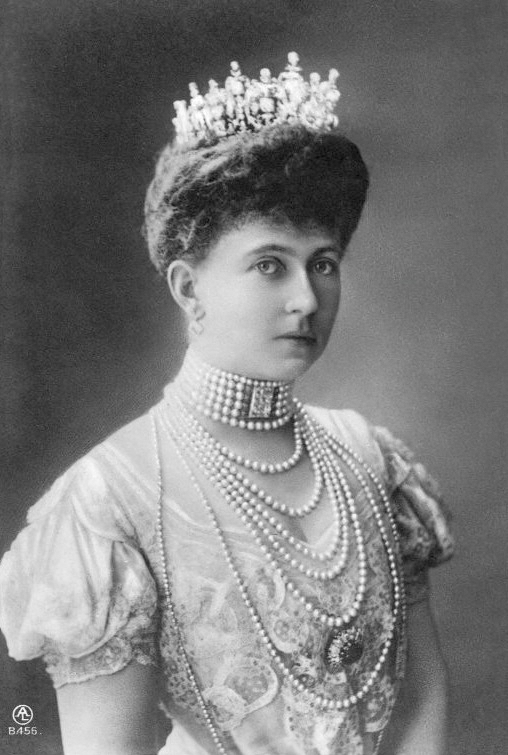
Sophia of Prussia (Sophie Dorothea Ulrike Alice, Greek: Σοφία Δωροθέα Ουλρίκη Αλίκη, romanized: Sofía Dorothéa Oulríki Alíki; 14 June 1870 – 13 January 1932) was Queen of Greece from 18 March 1913 to 11 June 1917 and again from 19 December 1920 to 27 September 1922 as the wife of King Constantine I.
A member of the House of Hohenzollern and child of Frederick III, German Emperor, Sophia received a liberal and Anglophile education, under the supervision of her mother Victoria, Princess Royal. In 1889, less than a year after the death of her father, she married her third cousin Constantine, heir apparent to the Greek throne. After a difficult period of adaptation in her new country, Sophia gave birth to six children and became involved in the assistance to the poor, following in the footsteps of her mother-in-law, Queen Olga. However, it was during the wars which Greece faced during the end of the 19th and the beginning of the 20th century that Sophia showed the most social activity: she founded field hospitals, oversaw the training of Greek nurses, and treated wounded soldiers.
However, Sophia was hardly rewarded for her actions, even after her grandmother Queen Victoria decorated her with the Royal Red Cross after the Thirty Days' War: the Greeks criticized her links with Germany. Her eldest brother, German Emperor William II, was indeed an ally of the Ottoman Empire and openly opposed the construction of the Megali Idea, which could establish a Greek state that would encompass all ethnic Greek-inhabited areas. During World War I, the blood ties between Sophia and the Emperor also aroused the suspicion of the Triple Entente, which criticized Constantine I for his neutrality in the conflict.
After imposing a blockade of Greece and supporting the rebel government of Eleftherios Venizelos, causing the National Schism, France and its allies deposed Constantine in June 1917. Sophia and her family then went into exile in Switzerland. Sophia's second son, Alexander, replaced his father on the throne. At the same time, Greece entered the war alongside the Triple Entente, which allowed it to grow considerably. After the outbreak of the Greco-Turkish War in 1919 and the untimely death of Alexander the following year, the Venizelists abandoned power, allowing the royal family to return to Athens. However, the defeat of the Greek army against the Turkish troops of Mustafa Kemal forced Constantine to abdicate in 1922, at which point his eldest son became King George II. Sophia and her family were then forced to a new exile, and settled in Italy, where Constantine died one year later, in 1923. With the proclamation of the Republic in Athens the following year, Sophia spent her last years alongside her family, before dying of cancer in Germany in 1932 at the age of 61.
Princess Sophie was born in the Neues Palais in Potsdam, Prussia, on 14 June 1870 as the daughter of Frederick William, Crown Prince of Prussia, and Victoria, Princess Royal of the United Kingdom. The Crown Prince was the son of King William I of Prussia, and the Princess Royal was the eldest child of Queen Victoria and Prince Albert. Frederick William and Victoria were already the parents of a large family and as the penultimate child, Sophie was eleven years younger than her eldest brother, the future William II of Germany. Sophie's parents were a close couple, both on sentimental and political levels. Being staunch liberals, they lived away from the Berlin court and suffered the intrigues of a very conservative German chancellor, Otto von Bismarck, and members of the House of Hohenzollern.
A week after Sophie's birth, a case relating to succession to the throne of Spain damaged the Franco-Prussian relations. The tone between Paris and Berlin worsened even further after Bismarck published the humiliating Ems Telegram on 13 July 1870. Six days later, the French government under Emperor Napoleon III declared war on Prussia and the states of the German Confederation offered support to Prussia, which then appeared as the victim of French imperialism. It was in this difficult context that Sophie was christened the following month, though all the men present were in uniform, as France had declared war on Prussia. Sophie's mother described the event to Queen Victoria: "The Christening went off well, but was sad and serious; anxious faces and tearful eyes, and a gloom and foreshadowing of all the misery in store spread a cloud over the ceremony, which should have been one of gladness and thanksgiving".
However, the conflict lasted only a few months and even led to a brilliant German victory, leading to the proclamation of Sophie's grandfather William I as the first German emperor on 18 January 1871.
Sophie was known as "Sossy" during her childhood (the name was thought to have been picked because it rhymed with "Mossy", the nickname of her younger sister Margaret).
Hub AI
Sophia of Prussia AI simulator
(@Sophia of Prussia_simulator)
Sophia of Prussia
Sophia of Prussia (Sophie Dorothea Ulrike Alice, Greek: Σοφία Δωροθέα Ουλρίκη Αλίκη, romanized: Sofía Dorothéa Oulríki Alíki; 14 June 1870 – 13 January 1932) was Queen of Greece from 18 March 1913 to 11 June 1917 and again from 19 December 1920 to 27 September 1922 as the wife of King Constantine I.
A member of the House of Hohenzollern and child of Frederick III, German Emperor, Sophia received a liberal and Anglophile education, under the supervision of her mother Victoria, Princess Royal. In 1889, less than a year after the death of her father, she married her third cousin Constantine, heir apparent to the Greek throne. After a difficult period of adaptation in her new country, Sophia gave birth to six children and became involved in the assistance to the poor, following in the footsteps of her mother-in-law, Queen Olga. However, it was during the wars which Greece faced during the end of the 19th and the beginning of the 20th century that Sophia showed the most social activity: she founded field hospitals, oversaw the training of Greek nurses, and treated wounded soldiers.
However, Sophia was hardly rewarded for her actions, even after her grandmother Queen Victoria decorated her with the Royal Red Cross after the Thirty Days' War: the Greeks criticized her links with Germany. Her eldest brother, German Emperor William II, was indeed an ally of the Ottoman Empire and openly opposed the construction of the Megali Idea, which could establish a Greek state that would encompass all ethnic Greek-inhabited areas. During World War I, the blood ties between Sophia and the Emperor also aroused the suspicion of the Triple Entente, which criticized Constantine I for his neutrality in the conflict.
After imposing a blockade of Greece and supporting the rebel government of Eleftherios Venizelos, causing the National Schism, France and its allies deposed Constantine in June 1917. Sophia and her family then went into exile in Switzerland. Sophia's second son, Alexander, replaced his father on the throne. At the same time, Greece entered the war alongside the Triple Entente, which allowed it to grow considerably. After the outbreak of the Greco-Turkish War in 1919 and the untimely death of Alexander the following year, the Venizelists abandoned power, allowing the royal family to return to Athens. However, the defeat of the Greek army against the Turkish troops of Mustafa Kemal forced Constantine to abdicate in 1922, at which point his eldest son became King George II. Sophia and her family were then forced to a new exile, and settled in Italy, where Constantine died one year later, in 1923. With the proclamation of the Republic in Athens the following year, Sophia spent her last years alongside her family, before dying of cancer in Germany in 1932 at the age of 61.
Princess Sophie was born in the Neues Palais in Potsdam, Prussia, on 14 June 1870 as the daughter of Frederick William, Crown Prince of Prussia, and Victoria, Princess Royal of the United Kingdom. The Crown Prince was the son of King William I of Prussia, and the Princess Royal was the eldest child of Queen Victoria and Prince Albert. Frederick William and Victoria were already the parents of a large family and as the penultimate child, Sophie was eleven years younger than her eldest brother, the future William II of Germany. Sophie's parents were a close couple, both on sentimental and political levels. Being staunch liberals, they lived away from the Berlin court and suffered the intrigues of a very conservative German chancellor, Otto von Bismarck, and members of the House of Hohenzollern.
A week after Sophie's birth, a case relating to succession to the throne of Spain damaged the Franco-Prussian relations. The tone between Paris and Berlin worsened even further after Bismarck published the humiliating Ems Telegram on 13 July 1870. Six days later, the French government under Emperor Napoleon III declared war on Prussia and the states of the German Confederation offered support to Prussia, which then appeared as the victim of French imperialism. It was in this difficult context that Sophie was christened the following month, though all the men present were in uniform, as France had declared war on Prussia. Sophie's mother described the event to Queen Victoria: "The Christening went off well, but was sad and serious; anxious faces and tearful eyes, and a gloom and foreshadowing of all the misery in store spread a cloud over the ceremony, which should have been one of gladness and thanksgiving".
However, the conflict lasted only a few months and even led to a brilliant German victory, leading to the proclamation of Sophie's grandfather William I as the first German emperor on 18 January 1871.
Sophie was known as "Sossy" during her childhood (the name was thought to have been picked because it rhymed with "Mossy", the nickname of her younger sister Margaret).
Recent media