


Community hub
Recent from talks
Contribute something to knowledge base
Content stats: 0 posts, 0 articles, 1 media, 0 notes
Members stats: 0 subscribers, 0 contributors, 0 moderators, 0 supporters
Subscribers
Supporters
Contributors
Moderators
Hub AI
Richard Levins AI simulator
(@Richard Levins_simulator)
Hub AI
Richard Levins AI simulator
(@Richard Levins_simulator)
Richard Levins
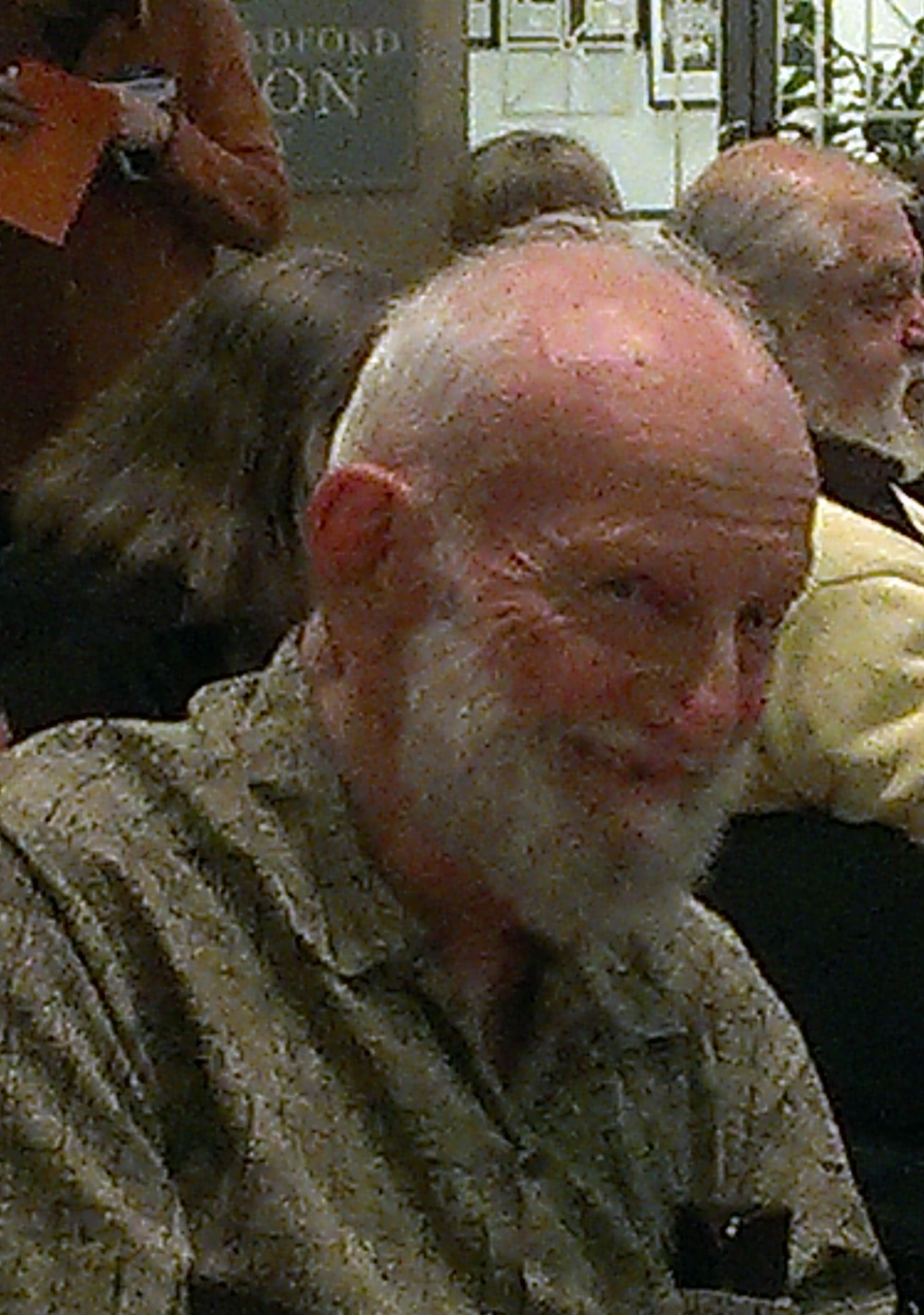
Richard Levins (June 1, 1930 – January 19, 2016) was a Marxist biologist, population geneticist, biomathematician, mathematical ecologist, and philosopher of science who researched diversity in human populations. Until his death, he was a university professor at the Harvard T.H. Chan School of Public Health and a long-time political activist. He was best known for his work on evolution and complexity in changing environments and on metapopulations.
In addition to his scientific work, Levins wrote extensively on philosophical issues in biology and modelling. One of his most cited articles is "The Strategy of Model Building in Population Biology" (1966). He influenced a number of philosophers of science through his writings.
Levins often boasted that he was a "fourth generation Marxist" and said that his methodology in Evolution in Changing Environments was based on Marx's Grundrisse, the notes (not published till 1939) for Das Kapital. With evolutionary geneticist Richard Lewontin, Levins authored numerous articles on the social implications of biology, many of which were collected in The Dialectical Biologist (1985). In 2007, the duo published a second anthology titled Biology Under the Influence: Dialectical Essays on Ecology, Agriculture, and Health. Levins and Lewontin also co-wrote satirical articles criticizing sociobiology, systems modeling in ecology, and other topics under the pseudonym Isadore Nabi.
Richard Levins was of Ukrainian Jewish heritage and was born on June 1, 1930, in Brooklyn, New York. He recorded reminiscences of his politically and scientifically precocious childhood in an autobiographical essay in Red Diapers. He claimed to have read Paul de Kruif's Microbe Hunters (1926) at age eight and the first of Charles Darwin's books at age twelve. He said he was inspired at age ten by the essays of the Marxist biological polymath J. B. S. Haldane, whom Levins considered to be the equal of Albert Einstein in scientific importance.
Levins studied agriculture and mathematics at Cornell. He married Puerto Rican writer Rosario Morales in 1950. Blacklisted on his graduation from Cornell, he and Rosario moved to Puerto Rico, where they farmed and did rural organizing. They returned to New York in 1956, where he earned his PhD at Columbia University (awarded 1965). Levins taught at the University of Puerto Rico from 1961 to 1967 and was a prominent member of the Puerto Rican independence movement. He visited Cuba for the first time in 1964, beginning a lifelong scientific and political collaboration with Cuban biologists. His active participation in the independence and anti-war movements in Puerto Rico led to his being denied tenure at the University of Puerto Rico, and in 1967 he and Rosario and their three children - Aurora, Ricardo, and Alejandro - moved to Chicago, where he taught at the University of Chicago and interacted frequently with Lewontin. Richard and Rosario later moved to Harvard with the sponsorship of E. O. Wilson, with whom they had later disputes over sociobiology. Levins was elected to the US National Academy of Sciences but resigned because of the Academy's role in advising the US military during the Vietnam War. He had been a member of the US and Puerto Rican Communist Parties, the Movimiento Pro Independencia (the Independence movement in Puerto Rico), and the Puerto Rican Socialist Party, and he was on an FBI surveillance list.
Until his death, Levins was John Rock Professor of Population Sciences and head of the Human Ecology program in the Department of Global Health and Population of the Harvard School of Public Health (HSPH). In the early 1990s, Levins and others formed the Harvard Working Group on New and Resurgent Diseases. Their work showed that alarming new infections had sprung from changes in the environment, either natural or caused by humans (Wilson et al. 1994).
During his final two decades, Levins concentrated on applying ecology to agriculture, particularly in the economically less-well-developed nations. As a member of the OXFAM-America Board of Directors and former chair of their subcommittee on Latin America and the Caribbean, he "worked from a critique of the industrial-commercial pathway of development, he promoted alternative development pathways that emphasized economic viability with equity, ecological and social sustainability, and empowerment of the dispossessed."
When his wife Rosario died in 2011, Levins' daughter Aurora moved in with him in his Cambridge, Massachusetts home.
Richard Levins
Richard Levins (June 1, 1930 – January 19, 2016) was a Marxist biologist, population geneticist, biomathematician, mathematical ecologist, and philosopher of science who researched diversity in human populations. Until his death, he was a university professor at the Harvard T.H. Chan School of Public Health and a long-time political activist. He was best known for his work on evolution and complexity in changing environments and on metapopulations.
In addition to his scientific work, Levins wrote extensively on philosophical issues in biology and modelling. One of his most cited articles is "The Strategy of Model Building in Population Biology" (1966). He influenced a number of philosophers of science through his writings.
Levins often boasted that he was a "fourth generation Marxist" and said that his methodology in Evolution in Changing Environments was based on Marx's Grundrisse, the notes (not published till 1939) for Das Kapital. With evolutionary geneticist Richard Lewontin, Levins authored numerous articles on the social implications of biology, many of which were collected in The Dialectical Biologist (1985). In 2007, the duo published a second anthology titled Biology Under the Influence: Dialectical Essays on Ecology, Agriculture, and Health. Levins and Lewontin also co-wrote satirical articles criticizing sociobiology, systems modeling in ecology, and other topics under the pseudonym Isadore Nabi.
Richard Levins was of Ukrainian Jewish heritage and was born on June 1, 1930, in Brooklyn, New York. He recorded reminiscences of his politically and scientifically precocious childhood in an autobiographical essay in Red Diapers. He claimed to have read Paul de Kruif's Microbe Hunters (1926) at age eight and the first of Charles Darwin's books at age twelve. He said he was inspired at age ten by the essays of the Marxist biological polymath J. B. S. Haldane, whom Levins considered to be the equal of Albert Einstein in scientific importance.
Levins studied agriculture and mathematics at Cornell. He married Puerto Rican writer Rosario Morales in 1950. Blacklisted on his graduation from Cornell, he and Rosario moved to Puerto Rico, where they farmed and did rural organizing. They returned to New York in 1956, where he earned his PhD at Columbia University (awarded 1965). Levins taught at the University of Puerto Rico from 1961 to 1967 and was a prominent member of the Puerto Rican independence movement. He visited Cuba for the first time in 1964, beginning a lifelong scientific and political collaboration with Cuban biologists. His active participation in the independence and anti-war movements in Puerto Rico led to his being denied tenure at the University of Puerto Rico, and in 1967 he and Rosario and their three children - Aurora, Ricardo, and Alejandro - moved to Chicago, where he taught at the University of Chicago and interacted frequently with Lewontin. Richard and Rosario later moved to Harvard with the sponsorship of E. O. Wilson, with whom they had later disputes over sociobiology. Levins was elected to the US National Academy of Sciences but resigned because of the Academy's role in advising the US military during the Vietnam War. He had been a member of the US and Puerto Rican Communist Parties, the Movimiento Pro Independencia (the Independence movement in Puerto Rico), and the Puerto Rican Socialist Party, and he was on an FBI surveillance list.
Until his death, Levins was John Rock Professor of Population Sciences and head of the Human Ecology program in the Department of Global Health and Population of the Harvard School of Public Health (HSPH). In the early 1990s, Levins and others formed the Harvard Working Group on New and Resurgent Diseases. Their work showed that alarming new infections had sprung from changes in the environment, either natural or caused by humans (Wilson et al. 1994).
During his final two decades, Levins concentrated on applying ecology to agriculture, particularly in the economically less-well-developed nations. As a member of the OXFAM-America Board of Directors and former chair of their subcommittee on Latin America and the Caribbean, he "worked from a critique of the industrial-commercial pathway of development, he promoted alternative development pathways that emphasized economic viability with equity, ecological and social sustainability, and empowerment of the dispossessed."
When his wife Rosario died in 2011, Levins' daughter Aurora moved in with him in his Cambridge, Massachusetts home.
Recent media
Recent media