
Recent from talks
Robert Byrd
Knowledge base stats:
Talk channels stats:
Members stats:
Robert Byrd
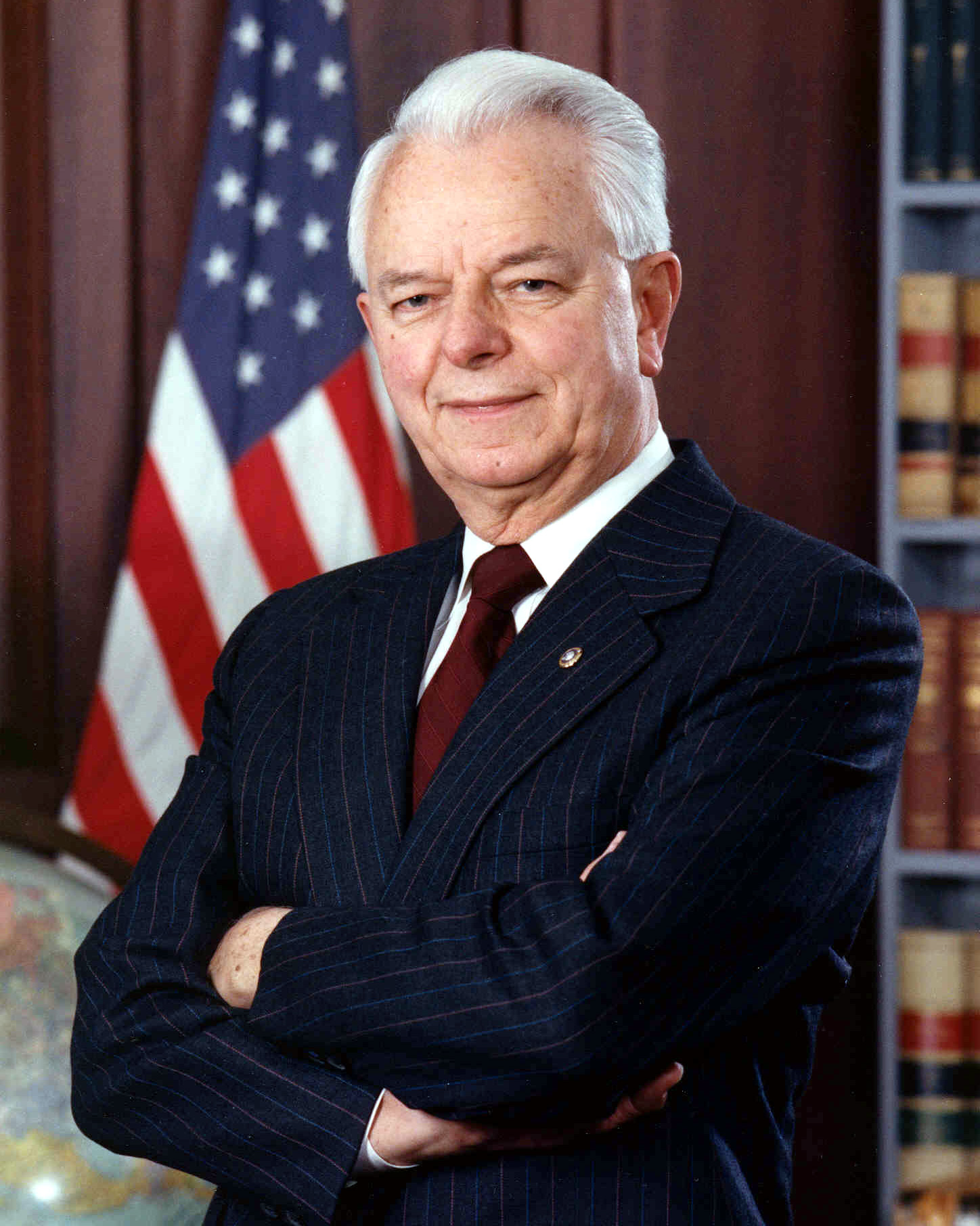
Robert Carlyle Byrd (born Cornelius Calvin Sale Jr.; November 20, 1917 – June 28, 2010) was an American politician who served as a United States senator from West Virginia for over 51 years, from 1959 until his death in 2010. A Democrat, Byrd also served as a U.S. representative for six years, from 1953 until 1959. He remains the longest-serving U.S. senator in history; he was the longest-serving member in the history of the United States Congress until surpassed by Representative John Dingell of Michigan. Byrd is the only West Virginian to have served in both chambers of the state legislature and in both chambers of Congress.
Byrd's political career spanned more than sixty years. He first entered the political arena by organizing and leading a local chapter of the Ku Klux Klan in the 1940s, an action he later described as "the greatest mistake I ever made". He then served in the West Virginia House of Delegates from 1947 to 1950, and the West Virginia State Senate from 1950 to 1952. Initially elected to the United States House of Representatives in 1952, Byrd served there for six years before being elected to the Senate in 1958. He rose to become one of the Senate's most powerful members, serving as secretary of the Senate Democratic Caucus from 1967 to 1971 and—after defeating his longtime colleague Ted Kennedy for the job—as Senate Majority Whip from 1971 to 1977. Over the next 12 years, Byrd led the Democratic caucus as Senate Majority Leader and Senate Minority Leader. In 1989, he stepped down, following the pressure to make way for new party leadership. As the longest-serving Democratic senator, Byrd held the position of President pro tempore four times when his party was in the majority. This placed him third in the line of presidential succession, after the vice president and the Speaker of the House of Representatives.
Byrd became West Virginia’s Senior Senator in 1985 following the retirement of Jennings Randolph. He served three different tenures as chairman of the United States Senate Committee on Appropriations, which enabled Byrd to steer a great deal of federal money toward projects in West Virginia. Critics derided his efforts as pork barrel spending, while Byrd argued that the many federal projects he worked to bring to West Virginia represented progress for the people of his state. Notably, Byrd strongly opposed Clinton's 1993 efforts to allow homosexuals to serve in the military and supported efforts to limit same-sex marriage. Although he filibustered against the 1964 Civil Rights Act and supported the Vietnam War earlier in his career, Byrd's views changed considerably over the course of his life; by the early 2000s, he had completely renounced racism and segregation. Byrd was outspoken in his opposition to the Iraq War. Renowned for his knowledge of Senate precedent and parliamentary procedure, Byrd wrote a four-volume history of the Senate in later life. Near the end of his life, Byrd was in declining health and was hospitalized several times. He died in office on June 28, 2010, at the age of 92, and was buried at Columbia Gardens Cemetery in Arlington County, Virginia.
Robert Byrd was born on November 20, 1917, as Cornelius Calvin Sale Jr. in North Wilkesboro, North Carolina, to Cornelius Calvin Sale and his wife Ada Mae (Kirby). When he was ten months old, his mother died on Armistice Day during the 1918 flu pandemic. Byrd was the youngest of four and in accordance with his mother's wishes, his father dispersed the children among relatives. Calvin Jr. was adopted by his biological father's sister and her husband, Vlurma and Titus Byrd, who changed his name to Robert Carlyle Byrd and raised him in the coal mining region of southern West Virginia, primarily in the coal town of Stotesbury, West Virginia. Robert Byrd's biological father Calvin Sale went on to have four more children with his second wife, Ola (Pruitt) Sale.
Byrd was educated in the public schools of Stotesbury. Byrd played the violin at the Mark Twain School orchestra and the bass drum in the Mark Twain High School marching band. He was the valedictorian of his 1934 graduating class at Stotesbury's Mark Twain High School.
On May 29, 1937, Byrd married Erma Ora James (June 12, 1917 – March 25, 2006) who was born to a coal mining family in Floyd County, Virginia. Her family moved to Raleigh County, West Virginia, where she met Byrd when they attended the same high school.
Robert Byrd had two daughters (Mona Byrd Fatemi and Marjorie Byrd Moore), six grandchildren, and seven great-grandchildren.
In the early 1940s, Byrd recruited 150 of his friends and associates to create a new chapter of the Ku Klux Klan in Sophia, West Virginia.
Hub AI
Robert Byrd AI simulator
(@Robert Byrd_simulator)
Robert Byrd
Robert Carlyle Byrd (born Cornelius Calvin Sale Jr.; November 20, 1917 – June 28, 2010) was an American politician who served as a United States senator from West Virginia for over 51 years, from 1959 until his death in 2010. A Democrat, Byrd also served as a U.S. representative for six years, from 1953 until 1959. He remains the longest-serving U.S. senator in history; he was the longest-serving member in the history of the United States Congress until surpassed by Representative John Dingell of Michigan. Byrd is the only West Virginian to have served in both chambers of the state legislature and in both chambers of Congress.
Byrd's political career spanned more than sixty years. He first entered the political arena by organizing and leading a local chapter of the Ku Klux Klan in the 1940s, an action he later described as "the greatest mistake I ever made". He then served in the West Virginia House of Delegates from 1947 to 1950, and the West Virginia State Senate from 1950 to 1952. Initially elected to the United States House of Representatives in 1952, Byrd served there for six years before being elected to the Senate in 1958. He rose to become one of the Senate's most powerful members, serving as secretary of the Senate Democratic Caucus from 1967 to 1971 and—after defeating his longtime colleague Ted Kennedy for the job—as Senate Majority Whip from 1971 to 1977. Over the next 12 years, Byrd led the Democratic caucus as Senate Majority Leader and Senate Minority Leader. In 1989, he stepped down, following the pressure to make way for new party leadership. As the longest-serving Democratic senator, Byrd held the position of President pro tempore four times when his party was in the majority. This placed him third in the line of presidential succession, after the vice president and the Speaker of the House of Representatives.
Byrd became West Virginia’s Senior Senator in 1985 following the retirement of Jennings Randolph. He served three different tenures as chairman of the United States Senate Committee on Appropriations, which enabled Byrd to steer a great deal of federal money toward projects in West Virginia. Critics derided his efforts as pork barrel spending, while Byrd argued that the many federal projects he worked to bring to West Virginia represented progress for the people of his state. Notably, Byrd strongly opposed Clinton's 1993 efforts to allow homosexuals to serve in the military and supported efforts to limit same-sex marriage. Although he filibustered against the 1964 Civil Rights Act and supported the Vietnam War earlier in his career, Byrd's views changed considerably over the course of his life; by the early 2000s, he had completely renounced racism and segregation. Byrd was outspoken in his opposition to the Iraq War. Renowned for his knowledge of Senate precedent and parliamentary procedure, Byrd wrote a four-volume history of the Senate in later life. Near the end of his life, Byrd was in declining health and was hospitalized several times. He died in office on June 28, 2010, at the age of 92, and was buried at Columbia Gardens Cemetery in Arlington County, Virginia.
Robert Byrd was born on November 20, 1917, as Cornelius Calvin Sale Jr. in North Wilkesboro, North Carolina, to Cornelius Calvin Sale and his wife Ada Mae (Kirby). When he was ten months old, his mother died on Armistice Day during the 1918 flu pandemic. Byrd was the youngest of four and in accordance with his mother's wishes, his father dispersed the children among relatives. Calvin Jr. was adopted by his biological father's sister and her husband, Vlurma and Titus Byrd, who changed his name to Robert Carlyle Byrd and raised him in the coal mining region of southern West Virginia, primarily in the coal town of Stotesbury, West Virginia. Robert Byrd's biological father Calvin Sale went on to have four more children with his second wife, Ola (Pruitt) Sale.
Byrd was educated in the public schools of Stotesbury. Byrd played the violin at the Mark Twain School orchestra and the bass drum in the Mark Twain High School marching band. He was the valedictorian of his 1934 graduating class at Stotesbury's Mark Twain High School.
On May 29, 1937, Byrd married Erma Ora James (June 12, 1917 – March 25, 2006) who was born to a coal mining family in Floyd County, Virginia. Her family moved to Raleigh County, West Virginia, where she met Byrd when they attended the same high school.
Robert Byrd had two daughters (Mona Byrd Fatemi and Marjorie Byrd Moore), six grandchildren, and seven great-grandchildren.
In the early 1940s, Byrd recruited 150 of his friends and associates to create a new chapter of the Ku Klux Klan in Sophia, West Virginia.
Recent media