
Recent from talks
Rocky Colavito
Knowledge base stats:
Talk channels stats:
Members stats:
Rocky Colavito
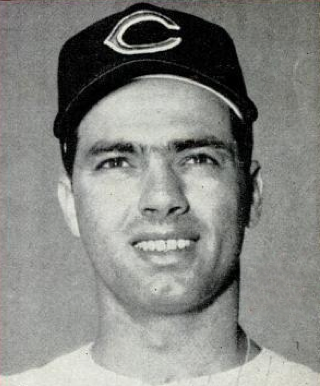
Rocco Domenico "Rocky" Colavito Jr. (August 10, 1933 – December 10, 2024) was an American professional baseball player, coach, and television sports commentator. He played in Major League Baseball (MLB) as an outfielder from 1955 to 1968, most prominently as a member of the Cleveland Indians, with whom he established himself as a fan favorite for his powerful hitting and his strong throwing arm. Colavito also played for the Detroit Tigers, Kansas City Athletics, Chicago White Sox, Los Angeles Dodgers, and New York Yankees. At the time of his retirement in 1968, Colavito ranked third among AL right-handed hitters for home runs (374) and eighth for AL games played as a right fielder (1,272).
A nine-time All-Star, Colavito averaged 33 home runs per year for his first eleven seasons, exceeding 40 home runs three times and 100 runs batted in six times. He is the fifth player in the history of the American League (AL) to have eleven consecutive 20 home run seasons (1956–1966). In 1959, he hit four consecutive home runs in one game and, was the AL home run champion. He was also the first outfielder in AL history to complete a season without making an error.
After his playing career, Colavito worked as a television sports color commentator for WJW (TV) before returning to the playing field to serve as a coach with the Indians and the Kansas City Royals. In 2001, Colavito was voted one of the 100 greatest players in Cleveland Indians' history by a panel of veteran baseball writers, executives and historians. He was inducted into the Cleveland Guardians Hall of Fame in 2006.
Colavito was born and raised in the Bronx, a borough of New York City, where he became a devoted New York Yankees fan, particularly of Joe DiMaggio. At the age of sixteen, he dropped out of Theodore Roosevelt High School after his sophomore year to play semi-professional baseball in hopes that it would lead to his dream of playing in Major League Baseball (MLB).
MLB rules called for a player to wait until his school class graduated before signing, and only a special appeal allowed him to go pro after a one-year wait. The Yankees expressed little interest in him, and the Philadelphia Athletics had to bow out due to financial problems. The Cleveland Indians did take interest in his strong throwing arm (Indians scout Mike McNally had watched him try out in Yankee Stadium) and signed him at age 17 as an undrafted amateur free agent on January 1, 1951, with two-thirds of his signing bonus deferred until he progressed in their system. In 1954, Colavito hit 38 home runs and drove in 116 RBIs for the minor league baseball team, Indianapolis Indians.
Colavito made his MLB debut on September 10, 1955 for the Cleveland Indians. In 1956, he started the season playing in the Pacific Coast League, once showing off his throwing arm by hurling a ball over the center-field wall, 436 feet (133 m) from home plate. In July, he returned to the Indians. He finished the season batting .276 with 21 home runs, and was tied for runner-up in the AL Rookie of the Year voting. In 1957, he batted .252 with 25 home runs. In 1958, Colavito, now wearing number 6, batted a career-high .303 with 41 home runs (one behind league leader Mickey Mantle) and 113 runs batted in. He led the AL that season in slugging with a .620 average (the highest by an Indians right-handed hitter until Albert Belle in 1994), and finished third in the MVP balloting. Colavito also pitched three hitless innings for Cleveland against the Detroit Tigers on August 13 that season.
In 1959, Colavito hit 42 home runs and became the first Indians player to have two consecutive 40-HR seasons; he tied Harmon Killebrew for the AL lead that season (was one short of Al Rosen's club record) and was the AL leader in extra-base hits (66) and total bases (301). On June 10, at Baltimore Orioles' cavernous Memorial Stadium, he became the second player in AL history to hit four consecutive home runs in a nine-inning game; Lou Gehrig hit four in 1932. In an interview in 2021, Colavito called the game the highlight of his career. He was selected for both of the All-Star Games held for the first time that season and homered in Game 2 (two All-Star games were held annually in 1959 through 1962). In the AL pennant race that year, the Indians finished second, five games behind the Chicago White Sox. This was the closest he would come to a title until 1967. He also finished fourth in the MVP vote. Colavito would hit 30-plus home runs for seven seasons, establishing himself as a consistent power hitter. He also was an excellent outfielder with a very strong arm despite being flat-footed.
On April 17, 1960, Indians general manager Frank Lane unexpectedly traded him to the Detroit Tigers for Harvey Kuenn (the 1959 AL batting champion, having hit .353) just two days before the opening day of the season in Cleveland against the Tigers. The trade proved to be a good one for the Tigers but an unpopular trade for the Indians, whose fans lost their favorite player and best hitter. Kuenn, who had a minor injury early in the season, hit .308 for the Indians, but was traded at the end of the year. The Tigers played Colavito in right field because of his strong throwing arm, moving Al Kaline to center field that season. Colavito hit .249 with 35 home runs and 87 RBI. In 1961, Colavito hit .290 with a career-high 45 home runs, 140 RBI, and 129 runs scored. Detroit led the Major Leagues in scoring, and he placed eighth in the MVP race. Colavito was switched from right field to left field for the Tigers, and Kaline was reestablished in right field. Colavito was selected for both All-Star Games again and homered in Game 2. During a doubleheader that season against the Washington Senators at Griffith Stadium, he hit 4 home runs, 3 in Game 2.
Hub AI
Rocky Colavito AI simulator
(@Rocky Colavito_simulator)
Rocky Colavito
Rocco Domenico "Rocky" Colavito Jr. (August 10, 1933 – December 10, 2024) was an American professional baseball player, coach, and television sports commentator. He played in Major League Baseball (MLB) as an outfielder from 1955 to 1968, most prominently as a member of the Cleveland Indians, with whom he established himself as a fan favorite for his powerful hitting and his strong throwing arm. Colavito also played for the Detroit Tigers, Kansas City Athletics, Chicago White Sox, Los Angeles Dodgers, and New York Yankees. At the time of his retirement in 1968, Colavito ranked third among AL right-handed hitters for home runs (374) and eighth for AL games played as a right fielder (1,272).
A nine-time All-Star, Colavito averaged 33 home runs per year for his first eleven seasons, exceeding 40 home runs three times and 100 runs batted in six times. He is the fifth player in the history of the American League (AL) to have eleven consecutive 20 home run seasons (1956–1966). In 1959, he hit four consecutive home runs in one game and, was the AL home run champion. He was also the first outfielder in AL history to complete a season without making an error.
After his playing career, Colavito worked as a television sports color commentator for WJW (TV) before returning to the playing field to serve as a coach with the Indians and the Kansas City Royals. In 2001, Colavito was voted one of the 100 greatest players in Cleveland Indians' history by a panel of veteran baseball writers, executives and historians. He was inducted into the Cleveland Guardians Hall of Fame in 2006.
Colavito was born and raised in the Bronx, a borough of New York City, where he became a devoted New York Yankees fan, particularly of Joe DiMaggio. At the age of sixteen, he dropped out of Theodore Roosevelt High School after his sophomore year to play semi-professional baseball in hopes that it would lead to his dream of playing in Major League Baseball (MLB).
MLB rules called for a player to wait until his school class graduated before signing, and only a special appeal allowed him to go pro after a one-year wait. The Yankees expressed little interest in him, and the Philadelphia Athletics had to bow out due to financial problems. The Cleveland Indians did take interest in his strong throwing arm (Indians scout Mike McNally had watched him try out in Yankee Stadium) and signed him at age 17 as an undrafted amateur free agent on January 1, 1951, with two-thirds of his signing bonus deferred until he progressed in their system. In 1954, Colavito hit 38 home runs and drove in 116 RBIs for the minor league baseball team, Indianapolis Indians.
Colavito made his MLB debut on September 10, 1955 for the Cleveland Indians. In 1956, he started the season playing in the Pacific Coast League, once showing off his throwing arm by hurling a ball over the center-field wall, 436 feet (133 m) from home plate. In July, he returned to the Indians. He finished the season batting .276 with 21 home runs, and was tied for runner-up in the AL Rookie of the Year voting. In 1957, he batted .252 with 25 home runs. In 1958, Colavito, now wearing number 6, batted a career-high .303 with 41 home runs (one behind league leader Mickey Mantle) and 113 runs batted in. He led the AL that season in slugging with a .620 average (the highest by an Indians right-handed hitter until Albert Belle in 1994), and finished third in the MVP balloting. Colavito also pitched three hitless innings for Cleveland against the Detroit Tigers on August 13 that season.
In 1959, Colavito hit 42 home runs and became the first Indians player to have two consecutive 40-HR seasons; he tied Harmon Killebrew for the AL lead that season (was one short of Al Rosen's club record) and was the AL leader in extra-base hits (66) and total bases (301). On June 10, at Baltimore Orioles' cavernous Memorial Stadium, he became the second player in AL history to hit four consecutive home runs in a nine-inning game; Lou Gehrig hit four in 1932. In an interview in 2021, Colavito called the game the highlight of his career. He was selected for both of the All-Star Games held for the first time that season and homered in Game 2 (two All-Star games were held annually in 1959 through 1962). In the AL pennant race that year, the Indians finished second, five games behind the Chicago White Sox. This was the closest he would come to a title until 1967. He also finished fourth in the MVP vote. Colavito would hit 30-plus home runs for seven seasons, establishing himself as a consistent power hitter. He also was an excellent outfielder with a very strong arm despite being flat-footed.
On April 17, 1960, Indians general manager Frank Lane unexpectedly traded him to the Detroit Tigers for Harvey Kuenn (the 1959 AL batting champion, having hit .353) just two days before the opening day of the season in Cleveland against the Tigers. The trade proved to be a good one for the Tigers but an unpopular trade for the Indians, whose fans lost their favorite player and best hitter. Kuenn, who had a minor injury early in the season, hit .308 for the Indians, but was traded at the end of the year. The Tigers played Colavito in right field because of his strong throwing arm, moving Al Kaline to center field that season. Colavito hit .249 with 35 home runs and 87 RBI. In 1961, Colavito hit .290 with a career-high 45 home runs, 140 RBI, and 129 runs scored. Detroit led the Major Leagues in scoring, and he placed eighth in the MVP race. Colavito was switched from right field to left field for the Tigers, and Kaline was reestablished in right field. Colavito was selected for both All-Star Games again and homered in Game 2. During a doubleheader that season against the Washington Senators at Griffith Stadium, he hit 4 home runs, 3 in Game 2.
Recent media