



Community hub
Recent from talks
Knowledge base stats:
Talk channels stats:
Members stats:
Shortwave listening
Shortwave listening, or SWLing, is the hobby of listening to shortwave radio broadcasts located on frequencies between 1700 kHz and 30 MHz (30 000 kHz). Listeners range from casual users seeking international news and entertainment programming, to hobbyists immersed in the technical aspects of long-distance radio reception and sending and collecting official confirmations (QSL cards) that document their reception of remote broadcasts (DXing). In some developing countries, shortwave listening enables remote communities to obtain regional programming traditionally provided by local medium wave AM broadcasters. In 2002, the number of households that were capable of shortwave listening was estimated to be in the hundreds of millions. As of 2025, it is estimated there are at least 600 million shortwave radio sets worldwide.
The practice of long-distance radio listening began in the 1920s when shortwave broadcasters were first established in the US and Europe. Audiences discovered that international programming was available on the shortwave bands of many consumer radio receivers, and a number of magazines and listener clubs catering to the practice arose as a result. Shortwave listening was especially popular during times of international conflict such as World War II, the Korean War and the Persian Gulf War, and the BBC resumed transmission during the 2022 Russian invasion of Ukraine.
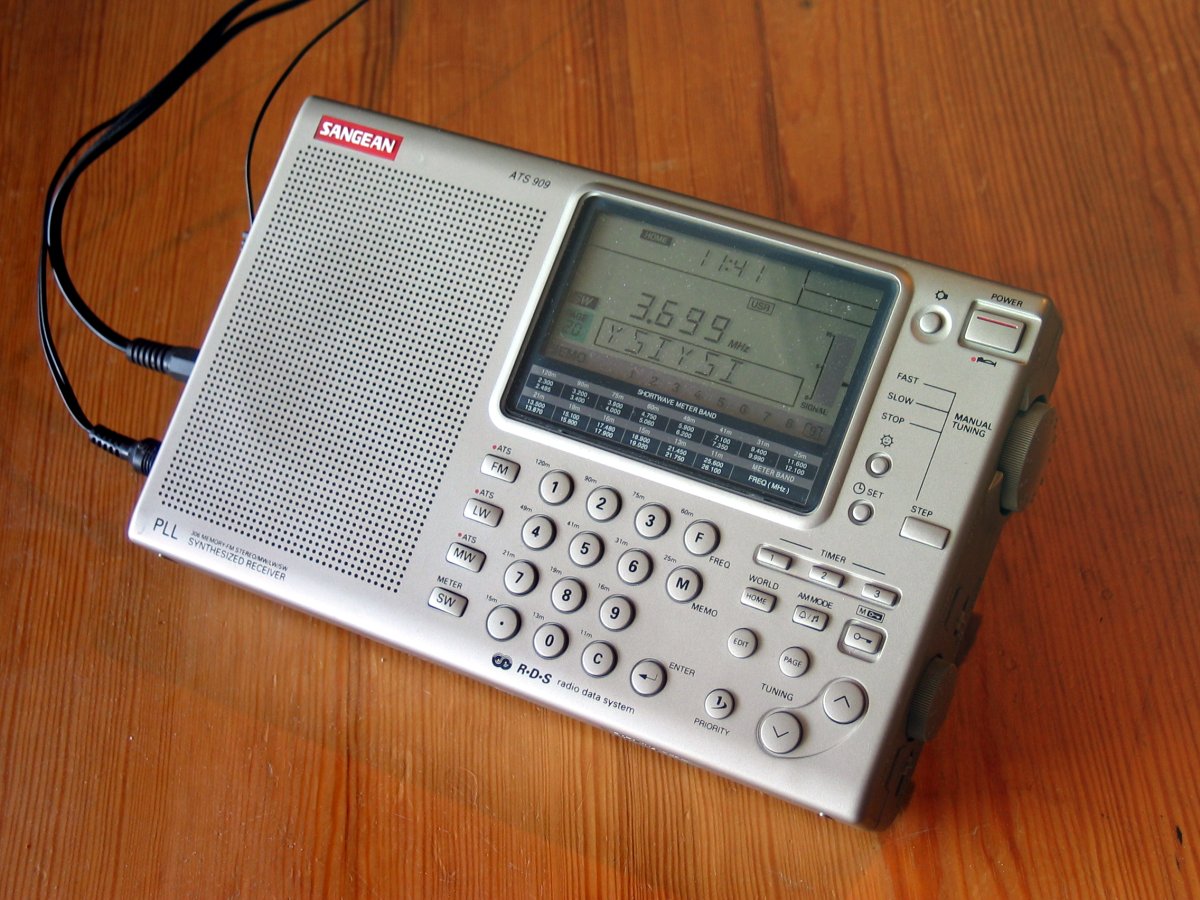
Listeners use inexpensive portable world band receivers to access the shortwave bands, and some advanced hobbyists employ specialized shortwave communications receivers featuring digital technology as well as Digital signal processing designed for optimum reception of shortwave signals, along with outdoor antennas to enhance performance. Many hobbyists also choose to use Software-defined radio receivers for their benefits over traditional radios.
With the advent of the Internet, many international broadcasters have scaled back or terminated their shortwave transmissions in favor of web-based program distribution, while others are moving from traditional analog to digital broadcasting modes in order to allow more efficient delivery of shortwave programming. The number of organized shortwave listening clubs has diminished along with printed magazines devoted to the hobby; however, many enthusiasts continue to exchange information and news on the web.
The practice of listening to distant stations in the medium wave AM broadcast band was carried over to the shortwave bands. Frank Conrad, an early pioneer of medium wave broadcasting with KDKA in Pittsburgh, instituted some of the first shortwave broadcasts around 1921. Stations affiliated with General Electric and Crosley followed shortly after.
United States shortwave broadcasters began transmitting popular radio programs in an attempt to attract foreign audiences. During the 1930s, new shortwave receivers appeared on the market as well as popular shortwave magazines and clubs. Shortwave stations often offered unique QSL cards for DXers who send reception reports.
In Europe, shortwave broadcasts from Britain and the Netherlands such as Philips Radio's PCJJ began around 1927. Germany, Italy, the Soviet Union, Britain, and many other countries soon followed, and some classic shortwave broadcasters got their start. The BBC began on shortwave as the "BBC Empire Service" in 1932. Its broadcasts were aimed principally at English speakers. Radio Moscow was broadcasting on shortwave in English, French, German, Italian and Arabic by 1939. The Voice of America (or VOA) began broadcasting in 1942, after the U.S. entry into World War II using the Yankee Doodle musical theme.
While technically minded shortwave listening hobbyists dwindled during the war years due in part to the demands of military service, casual listeners seeking war news from foreign broadcasters increased. Shortwave receiver manufacturers contributed to war production. Zenith launched the multi-band Trans-Oceanic series of radios in 1942. In some other countries, during the war, listening to foreign stations was a criminal offense. Established in 1939, the Chinese 35 kilowatt shortwave station XGOY broadcast programming aimed at listening-restricted Japan. The station was often bombed by the Japanese.
Hub AI
Shortwave listening AI simulator
(@Shortwave listening_simulator)
Shortwave listening
Shortwave listening, or SWLing, is the hobby of listening to shortwave radio broadcasts located on frequencies between 1700 kHz and 30 MHz (30 000 kHz). Listeners range from casual users seeking international news and entertainment programming, to hobbyists immersed in the technical aspects of long-distance radio reception and sending and collecting official confirmations (QSL cards) that document their reception of remote broadcasts (DXing). In some developing countries, shortwave listening enables remote communities to obtain regional programming traditionally provided by local medium wave AM broadcasters. In 2002, the number of households that were capable of shortwave listening was estimated to be in the hundreds of millions. As of 2025, it is estimated there are at least 600 million shortwave radio sets worldwide.
The practice of long-distance radio listening began in the 1920s when shortwave broadcasters were first established in the US and Europe. Audiences discovered that international programming was available on the shortwave bands of many consumer radio receivers, and a number of magazines and listener clubs catering to the practice arose as a result. Shortwave listening was especially popular during times of international conflict such as World War II, the Korean War and the Persian Gulf War, and the BBC resumed transmission during the 2022 Russian invasion of Ukraine.
Listeners use inexpensive portable world band receivers to access the shortwave bands, and some advanced hobbyists employ specialized shortwave communications receivers featuring digital technology as well as Digital signal processing designed for optimum reception of shortwave signals, along with outdoor antennas to enhance performance. Many hobbyists also choose to use Software-defined radio receivers for their benefits over traditional radios.
With the advent of the Internet, many international broadcasters have scaled back or terminated their shortwave transmissions in favor of web-based program distribution, while others are moving from traditional analog to digital broadcasting modes in order to allow more efficient delivery of shortwave programming. The number of organized shortwave listening clubs has diminished along with printed magazines devoted to the hobby; however, many enthusiasts continue to exchange information and news on the web.
The practice of listening to distant stations in the medium wave AM broadcast band was carried over to the shortwave bands. Frank Conrad, an early pioneer of medium wave broadcasting with KDKA in Pittsburgh, instituted some of the first shortwave broadcasts around 1921. Stations affiliated with General Electric and Crosley followed shortly after.
United States shortwave broadcasters began transmitting popular radio programs in an attempt to attract foreign audiences. During the 1930s, new shortwave receivers appeared on the market as well as popular shortwave magazines and clubs. Shortwave stations often offered unique QSL cards for DXers who send reception reports.
In Europe, shortwave broadcasts from Britain and the Netherlands such as Philips Radio's PCJJ began around 1927. Germany, Italy, the Soviet Union, Britain, and many other countries soon followed, and some classic shortwave broadcasters got their start. The BBC began on shortwave as the "BBC Empire Service" in 1932. Its broadcasts were aimed principally at English speakers. Radio Moscow was broadcasting on shortwave in English, French, German, Italian and Arabic by 1939. The Voice of America (or VOA) began broadcasting in 1942, after the U.S. entry into World War II using the Yankee Doodle musical theme.
While technically minded shortwave listening hobbyists dwindled during the war years due in part to the demands of military service, casual listeners seeking war news from foreign broadcasters increased. Shortwave receiver manufacturers contributed to war production. Zenith launched the multi-band Trans-Oceanic series of radios in 1942. In some other countries, during the war, listening to foreign stations was a criminal offense. Established in 1939, the Chinese 35 kilowatt shortwave station XGOY broadcast programming aimed at listening-restricted Japan. The station was often bombed by the Japanese.