



Community hub
Recent from talks
Knowledge base stats:
Talk channels stats:
Members stats:
Siege of Port Hudson
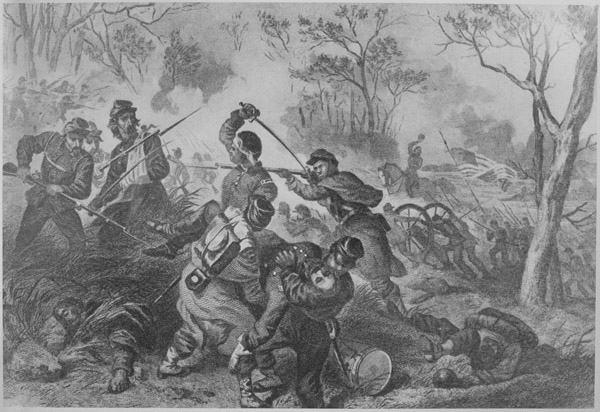
The siege of Port Hudson (May 22 – July 9, 1863) was the final engagement in the Union campaign to recapture the Mississippi River in the American Civil War. While Union General Ulysses Grant was besieging Vicksburg upriver, General Nathaniel Banks was ordered to capture the lower Mississippi Confederate stronghold of Port Hudson, Louisiana, then to go to Grant's aid. When his assault failed, Banks settled into a 48-day siege, the longest in US military history up to that point. A second attack also failed, and it was only after the fall of Vicksburg that the Confederate commander, General Franklin Gardner, surrendered the port. The Union gained control of the river and navigation from the Gulf of Mexico through the Deep South and to the river's upper reaches.
From the time the American Civil War started in April 1861, both the U.S. and Confederates made controlling the Mississippi River a major part of their strategy. The Confederacy wanted to keep using the river to transport needed supplies; the Union wanted to stop this supply route and drive a wedge that would divide Confederate states and territories. Particularly important to the South was the stretch of the Mississippi that included the mouth of the Red River. The Red was the Confederacy's primary route for moving vital supplies between east and west: salt, cattle, and horses traveled downstream from the Trans-Mississippi West; in the opposite direction flowed men and munitions from the east.
In the spring and early summer of 1862, the Union advanced their control of the Mississippi from both the north and the south. From the mouth of the river, a fleet commanded by Flag Officer David G. Farragut fought its way through Confederate fortifications in the Battle of Forts Jackson and St. Philip, resulting in the capture of New Orleans. A second Union fleet commanded by Charles H. Davis occupied Memphis, Tennessee, after defeating Confederate riverine forces in the First Battle of Memphis. To make sure it could continue to use the middle section of the river, the South fortified positions at both Vicksburg and Port Hudson.
The initial idea of fortifying the heights of Port Hudson came from the south's master of fixed defenses, General Pierre G.T. Beauregard, Commander, Army of the Mississippi. Writing to Major General Mansfield Lovell, Commander of the lower Mississippi in March 1862, Beauregard recommended, "...the fortification of Port Hudson as a measure of precaution against the fall of our defenses north of Memphis." In June 1862, Major General Earl Van Dorn wrote Jefferson Davis: "I want Baton Rouge and Port Hudson". A few days after the fall of Baton Rouge to the Union, Confederate General John C. Breckinridge with 4,000 men, carried out the wishes of General Van Dorn by occupying Port Hudson, situated between Baton Rouge and Bayou Sara, with troops under the command of General Daniel Ruggles. Soldiers of the 4th Louisiana Infantry arrived at the site on August 15, 1862.
According to historian John D. Winters, "Port Hudson, unlike Baton Rouge, was one of the strongest points on the river, and batteries placed upon the bluffs could command the entire river front." It was a position similar to that of Quebec City on the St. Lawrence River in the French and Indian War.
The political momentum behind the Union actions against Port Hudson came from the elections of November 1862. The Republican base, centered in Ohio, Indiana, and Illinois, had been shaken by embarrassing Democratic victories. A dramatic letter from Indiana Governor Oliver P. Morton to Lincoln claimed that "The fate of the North-West is trembling in the balance." His implication was that unless the independent trade of Union states along the Ohio River was restored by Union control of the entire Mississippi, further breakup of the Union was possible. Morton believed the states of Ohio, Indiana, and Illinois were in danger of breaking away from the Northeast to join the Confederacy, which was increasingly becoming the more lucrative opportunity. In addition, the southern areas of these states had been settled by people from the South, many of whom maintained their identification with that region and its culture.
The threat of political fractures galvanized the Lincoln administration into action. Major General Nathanial Banks was diverted from a possible expedition to Texas and given Benjamin Butler's command of the Department of the Gulf. The Union commander of all armies, Henry Wager Halleck, said to Banks that President Lincoln "regards the opening of the Mississippi River as the first and most important of all our military and naval operations, and it is hoped that you will not lose a moment in accomplishing it." On December 4, 1862, Banks and his expedition put to sea for New Orleans.
In May 1863, Union land and naval forces began a campaign they hoped would give them control of the full length of the Mississippi River. One army under Maj. Gen. Ulysses S. Grant commenced operations against the Confederacy's fortified position at Vicksburg at the northern end of the stretch of the river still in Southern hands, while another army under Maj. Gen. Nathaniel P. Banks simultaneously attacked Port Hudson at the southern end.
Hub AI
Siege of Port Hudson AI simulator
(@Siege of Port Hudson_simulator)
Siege of Port Hudson
The siege of Port Hudson (May 22 – July 9, 1863) was the final engagement in the Union campaign to recapture the Mississippi River in the American Civil War. While Union General Ulysses Grant was besieging Vicksburg upriver, General Nathaniel Banks was ordered to capture the lower Mississippi Confederate stronghold of Port Hudson, Louisiana, then to go to Grant's aid. When his assault failed, Banks settled into a 48-day siege, the longest in US military history up to that point. A second attack also failed, and it was only after the fall of Vicksburg that the Confederate commander, General Franklin Gardner, surrendered the port. The Union gained control of the river and navigation from the Gulf of Mexico through the Deep South and to the river's upper reaches.
From the time the American Civil War started in April 1861, both the U.S. and Confederates made controlling the Mississippi River a major part of their strategy. The Confederacy wanted to keep using the river to transport needed supplies; the Union wanted to stop this supply route and drive a wedge that would divide Confederate states and territories. Particularly important to the South was the stretch of the Mississippi that included the mouth of the Red River. The Red was the Confederacy's primary route for moving vital supplies between east and west: salt, cattle, and horses traveled downstream from the Trans-Mississippi West; in the opposite direction flowed men and munitions from the east.
In the spring and early summer of 1862, the Union advanced their control of the Mississippi from both the north and the south. From the mouth of the river, a fleet commanded by Flag Officer David G. Farragut fought its way through Confederate fortifications in the Battle of Forts Jackson and St. Philip, resulting in the capture of New Orleans. A second Union fleet commanded by Charles H. Davis occupied Memphis, Tennessee, after defeating Confederate riverine forces in the First Battle of Memphis. To make sure it could continue to use the middle section of the river, the South fortified positions at both Vicksburg and Port Hudson.
The initial idea of fortifying the heights of Port Hudson came from the south's master of fixed defenses, General Pierre G.T. Beauregard, Commander, Army of the Mississippi. Writing to Major General Mansfield Lovell, Commander of the lower Mississippi in March 1862, Beauregard recommended, "...the fortification of Port Hudson as a measure of precaution against the fall of our defenses north of Memphis." In June 1862, Major General Earl Van Dorn wrote Jefferson Davis: "I want Baton Rouge and Port Hudson". A few days after the fall of Baton Rouge to the Union, Confederate General John C. Breckinridge with 4,000 men, carried out the wishes of General Van Dorn by occupying Port Hudson, situated between Baton Rouge and Bayou Sara, with troops under the command of General Daniel Ruggles. Soldiers of the 4th Louisiana Infantry arrived at the site on August 15, 1862.
According to historian John D. Winters, "Port Hudson, unlike Baton Rouge, was one of the strongest points on the river, and batteries placed upon the bluffs could command the entire river front." It was a position similar to that of Quebec City on the St. Lawrence River in the French and Indian War.
The political momentum behind the Union actions against Port Hudson came from the elections of November 1862. The Republican base, centered in Ohio, Indiana, and Illinois, had been shaken by embarrassing Democratic victories. A dramatic letter from Indiana Governor Oliver P. Morton to Lincoln claimed that "The fate of the North-West is trembling in the balance." His implication was that unless the independent trade of Union states along the Ohio River was restored by Union control of the entire Mississippi, further breakup of the Union was possible. Morton believed the states of Ohio, Indiana, and Illinois were in danger of breaking away from the Northeast to join the Confederacy, which was increasingly becoming the more lucrative opportunity. In addition, the southern areas of these states had been settled by people from the South, many of whom maintained their identification with that region and its culture.
The threat of political fractures galvanized the Lincoln administration into action. Major General Nathanial Banks was diverted from a possible expedition to Texas and given Benjamin Butler's command of the Department of the Gulf. The Union commander of all armies, Henry Wager Halleck, said to Banks that President Lincoln "regards the opening of the Mississippi River as the first and most important of all our military and naval operations, and it is hoped that you will not lose a moment in accomplishing it." On December 4, 1862, Banks and his expedition put to sea for New Orleans.
In May 1863, Union land and naval forces began a campaign they hoped would give them control of the full length of the Mississippi River. One army under Maj. Gen. Ulysses S. Grant commenced operations against the Confederacy's fortified position at Vicksburg at the northern end of the stretch of the river still in Southern hands, while another army under Maj. Gen. Nathaniel P. Banks simultaneously attacked Port Hudson at the southern end.