


Community hub
Recent from talks
Contribute something to knowledge base
Content stats: 0 posts, 0 articles, 1 media, 0 notes
Members stats: 0 subscribers, 0 contributors, 0 moderators, 0 supporters
Subscribers
Supporters
Contributors
Moderators
Hub AI
Glossitis AI simulator
(@Glossitis_simulator)
Hub AI
Glossitis AI simulator
(@Glossitis_simulator)
Glossitis
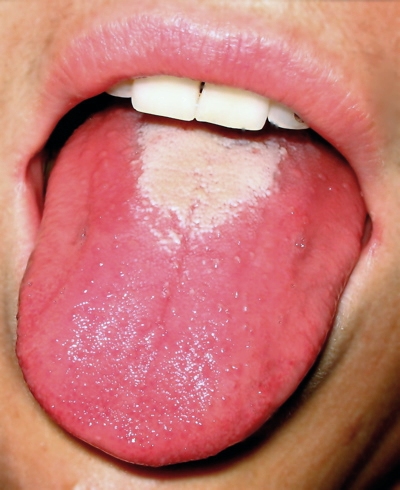
Glossitis can mean soreness of the tongue, or more usually inflammation with depapillation of the dorsal surface of the tongue (loss of the lingual papillae), leaving a smooth and erythematous (reddened) surface, (sometimes specifically termed atrophic glossitis). In a wider sense, glossitis can mean inflammation of the tongue generally. Glossitis is often caused by nutritional deficiencies and may be painless or cause discomfort. Glossitis usually responds well to treatment if the cause is identified and corrected. Tongue soreness caused by glossitis is differentiated from burning mouth syndrome, where there is no identifiable change in the appearance of the tongue, and there are no identifiable causes.
Depending upon what exact meaning of the word glossitis is implied, signs and symptoms might include:
Depending upon the underlying cause, there may be additional signs and symptoms such as pallor, oral ulceration and angular cheilitis.
Iron-deficiency anemia is mainly caused by blood loss, such as may occur during menses or gastrointestinal hemorrhage. This often results in a depapilled, atrophic glossitis, giving the tongue a bald and shiny appearance, along with pallor (paleness) of the lips and other mucous membranes a tendency towards recurrent oral ulceration, and angular cheilitis (crockings and inflammation at the corners of the lips). The appearance of the tongue in iron-deficiency anemia has been described as diffuse or patchy atrophy with tenderness or burning. One cause of iron-deficiency anemia is sideropenic dysphagia (Plummer–Vinson syndrome, also called Paterson–Brown–Kelly syndrome) which is also characterized by esophageal webbing and dysphagia.
Pernicious anemia is usually caused by autoimmune destruction of gastric parietal cells. Parietal cells secrete intrinsic factor which is required for the absorption of vitamin B12. Vitamin B12 deficiency results in megaloblastic anemia and may present as atrophic glossitis (Hunter's atrophic glossitis). The appearance of the tongue in vitamin B12 deficiency is described as "beefy" or "fiery red and sore". There may be linear or patchy red lesions.
Vitamin B1 deficiency (thiamine deficiency) can cause glossitis. Vitamin B2 deficiency (ariboflavinosis) can cause glossitis, along with angular cheilitis, cheilosis, peripheral neuropathy and other signs and symptoms. The glossitis in vitamin B2 deficiency is described as magenta. Vitamin B3 deficiency (pellagra) can cause glossitis. Vitamin B6 deficiency (pyridoxine deficiency) can cause glossitis, along with angular cheilitis, cheilosis, peripheral neuropathy and seborrheic dermatitis. Folate deficiency (vitamin B9 deficiency) can cause glossitis, along with macrocytic anemia, thrombocytopenia, leukopenia, diarrhea, fatigue and possibly neurological signs. Apart from pernicious anemia discussed above, any other cause of vitamin B12 deficiency can cause atrophic glossitis (Hunter's atrophic glossitis), which tends to be painful, smooth and shiny.
Bacterial, viral or fungal infections can cause glossitis. Chronic Candida infections of the tongue can cause an atrophic glossitis known as median rhomboid glossitis.
Syphilis is now relatively rare, but the tertiary stage can cause diffuse glossitis and atrophy of lingual papillae, termed "syphilitic glossitis", "luetic glossitis" or "atrophic glossitis of tertiary syphilis". It is caused by Treponema pallidum and is a sexually transmitted infection.
Glossitis
Glossitis can mean soreness of the tongue, or more usually inflammation with depapillation of the dorsal surface of the tongue (loss of the lingual papillae), leaving a smooth and erythematous (reddened) surface, (sometimes specifically termed atrophic glossitis). In a wider sense, glossitis can mean inflammation of the tongue generally. Glossitis is often caused by nutritional deficiencies and may be painless or cause discomfort. Glossitis usually responds well to treatment if the cause is identified and corrected. Tongue soreness caused by glossitis is differentiated from burning mouth syndrome, where there is no identifiable change in the appearance of the tongue, and there are no identifiable causes.
Depending upon what exact meaning of the word glossitis is implied, signs and symptoms might include:
Depending upon the underlying cause, there may be additional signs and symptoms such as pallor, oral ulceration and angular cheilitis.
Iron-deficiency anemia is mainly caused by blood loss, such as may occur during menses or gastrointestinal hemorrhage. This often results in a depapilled, atrophic glossitis, giving the tongue a bald and shiny appearance, along with pallor (paleness) of the lips and other mucous membranes a tendency towards recurrent oral ulceration, and angular cheilitis (crockings and inflammation at the corners of the lips). The appearance of the tongue in iron-deficiency anemia has been described as diffuse or patchy atrophy with tenderness or burning. One cause of iron-deficiency anemia is sideropenic dysphagia (Plummer–Vinson syndrome, also called Paterson–Brown–Kelly syndrome) which is also characterized by esophageal webbing and dysphagia.
Pernicious anemia is usually caused by autoimmune destruction of gastric parietal cells. Parietal cells secrete intrinsic factor which is required for the absorption of vitamin B12. Vitamin B12 deficiency results in megaloblastic anemia and may present as atrophic glossitis (Hunter's atrophic glossitis). The appearance of the tongue in vitamin B12 deficiency is described as "beefy" or "fiery red and sore". There may be linear or patchy red lesions.
Vitamin B1 deficiency (thiamine deficiency) can cause glossitis. Vitamin B2 deficiency (ariboflavinosis) can cause glossitis, along with angular cheilitis, cheilosis, peripheral neuropathy and other signs and symptoms. The glossitis in vitamin B2 deficiency is described as magenta. Vitamin B3 deficiency (pellagra) can cause glossitis. Vitamin B6 deficiency (pyridoxine deficiency) can cause glossitis, along with angular cheilitis, cheilosis, peripheral neuropathy and seborrheic dermatitis. Folate deficiency (vitamin B9 deficiency) can cause glossitis, along with macrocytic anemia, thrombocytopenia, leukopenia, diarrhea, fatigue and possibly neurological signs. Apart from pernicious anemia discussed above, any other cause of vitamin B12 deficiency can cause atrophic glossitis (Hunter's atrophic glossitis), which tends to be painful, smooth and shiny.
Bacterial, viral or fungal infections can cause glossitis. Chronic Candida infections of the tongue can cause an atrophic glossitis known as median rhomboid glossitis.
Syphilis is now relatively rare, but the tertiary stage can cause diffuse glossitis and atrophy of lingual papillae, termed "syphilitic glossitis", "luetic glossitis" or "atrophic glossitis of tertiary syphilis". It is caused by Treponema pallidum and is a sexually transmitted infection.
Recent media
Recent media