
Recent from talks
Talaat Pasha
Knowledge base stats:
Talk channels stats:
Members stats:
Talaat Pasha
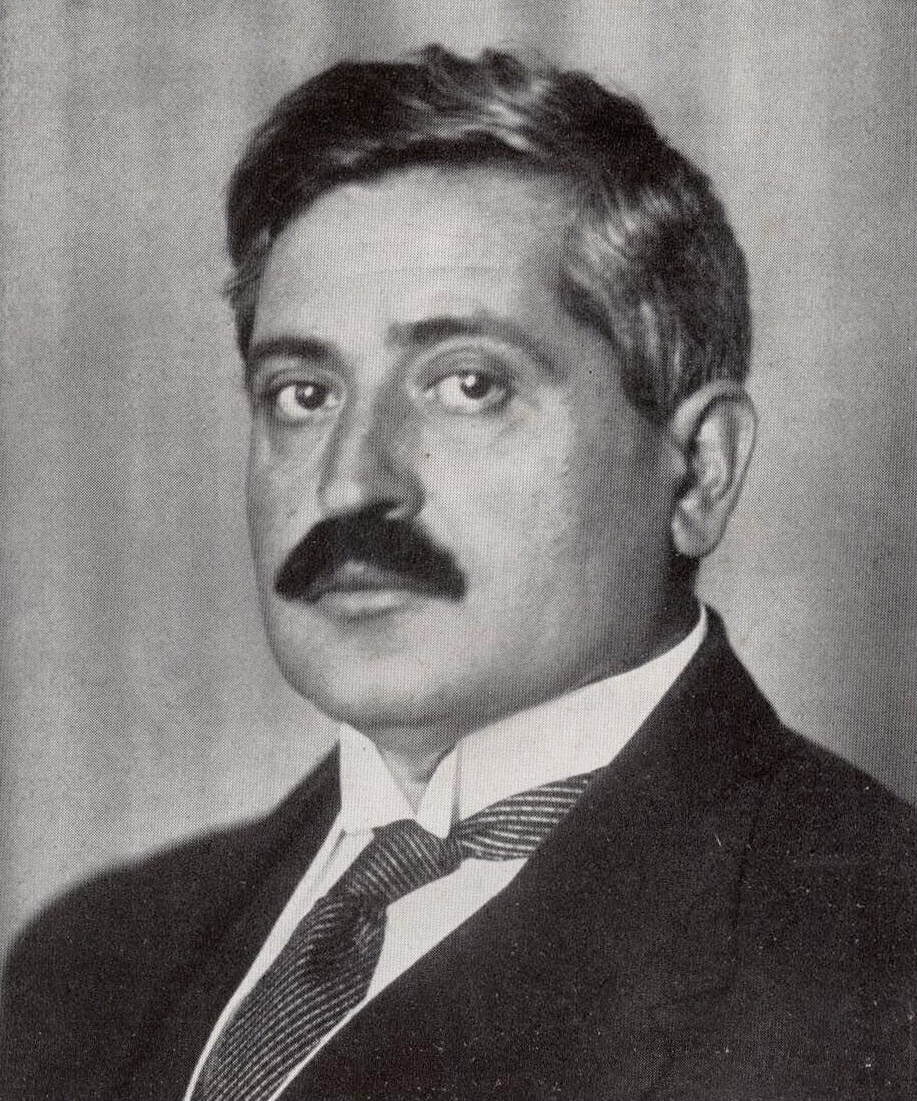
Mehmed Talât Pasha (1 September 1874 – 15 March 1921), commonly known as Talaat Pasha or Talat Pasha, was a Turkish activist, revolutionary, politician, and convicted war criminal who served as the de facto leader of the Ottoman Empire from 1913 to 1918. He was chairman of the Union and Progress Party, which operated a one-party dictatorship in the Empire; during World War I he became Grand Vizier (prime minister). He has been called the architect of the Armenian genocide, and was responsible for other ethnic cleansings during his time as Minister of Interior Affairs.
Talaat was an early member of the Committee of Union and Progress (CUP), eventually leading its Salonica chapter during the Hamidian era. After the CUP succeeded in restoring the constitution and parliament in the 1908 Young Turk Revolution, he was elected as a deputy from Adrianople to the Chamber of Deputies and later became Minister of the Interior. He played an important role in the downfall of Sultan Abdul Hamid II the next year during the 31 March Incident by organizing a counter government. Multiple crises in the Empire including the 31 March Incident, attacks on Rumelian Muslims in the Balkan Wars, and the power struggle with the Freedom and Accord Party made Talaat and the Unionists disillusioned with multicultural Ottomanism and political pluralism, turning them into hard-line authoritarian Turkish nationalists.
In 1913, Talaat and Ismail Enver carried out a coup d'état with Mahmud Şevket Pasha as a reluctant partner. With the latter's assassination, an autocratic triumvirate of CUP Central Committee members lead the Ottoman Empire, consisting of himself, Enver, and Ahmed Cemal (known as the Three Pashas) of whom Talaat was its civilian leader. Talaat and Enver were influential in bringing the Ottoman Empire into the First World War. During World War I, he ordered on 24 April 1915 the arrest and deportation of Armenian intellectuals in Constantinople (now Istanbul), most of them being ultimately murdered, and on 30 May 1915 promulgated the Temporary Law of Deportation; these events initiated the Armenian genocide. He is widely considered the main perpetrator of the genocide, and is thus held responsible for the death of around 1 million Armenians.
In a move that established total Unionist control over the Turkish government, Talaat Pasha became Grand Vizier in 1917. He personally negotiated the Treaty of Brest-Litovsk with the Bolsheviks, regaining parts of Eastern Anatolia which were occupied by Russia since 1878, and introduced many social reforms. However breakthroughs by the Allies in the Macedonia and Palestine fronts meant defeat for the Ottomans and the downfall of the CUP, whereupon he resigned. On the night of 2–3 November 1918, Talaat Pasha and other members of the CUP's central committee fled the country. The Ottoman Special Military Tribunal convicted and sentenced him to death in absentia for subverting the constitution, profiteering from the war, and organizing massacres against Greeks and Armenians. Exiled in Berlin, he supported the Turkish Nationalists led by Mustafa Kemal Pasha (Atatürk) in Turkey's War of Independence. He was killed in Berlin in 1921 by Soghomon Tehlirian, a member of the Armenian Revolutionary Federation, as part of Operation Nemesis.
Mehmed Talaat was born in 1874 in Kırcaali, Adrianople (Edirne) Vilayet into a middle-class family of Romani, Turkish, and Pomak descent. His father, Ahmet Vasıf, was a kadı from Çeplece, a nearby village. His mother Hürmüz was from a Turkish family that migrated to the region from Dedeler village, Kayseri. Talaat's family fled to Constantinople (Istanbul) when their home was occupied by Russian troops during the 1877–1878 Russo-Turkish war, an experience that contributed to Talaat's nationalism. His father died when Talaat was eleven years old, putting his mother and two sisters under his care.
Talaat had a powerful build and a dark complexion. His manners were gruff, which caused him to be expelled from the military secondary school at the age of sixteen without a certificate after a conflict with his teacher. Without earning a degree, he joined the staff of a telegraph company as a postal clerk in Adrianople to provide for his family. His salary was not high, so he worked after hours as a Turkish language teacher in the Alliance Israelite School which served the Jewish community of Adrianople. At the age of 21 Talaat was involved in a love affair with the daughter of the Jewish headmaster for whom he worked.
The Ottoman Empire was ruled by the sultan Abdul Hamid II, who ran a modern autocracy, complete with a secret police, mass surveillance, and censorship. This autocracy in turn produced a culture of suspicion as well as a spirit of clandestine rebellion in many Ottoman citizens, young Talaat included. He was caught sending a telegram saying "Things are going well. I'll soon reach my goal." He was confronted by the police for this telegram, and claimed that the message was to his dalliance, who defended him. With two of his friends from the post office, he was charged with tampering with the official telegraph and was arrested in 1893.
After being released from prison, he joined the Committee of Union and Progress (CUP), a revolutionary Young Turk organization which was agitating against Abdul Hamid's autocracy. In 1896 he was imprisoned for having been part of a CUP cell together with his brother-in-law. Sentenced to three years in jail, Talaat was pardoned after serving two years but exiled to Salonika (Thessaloniki), where he became a postal clerk in July 1898. Between 1898 and 1908 he served as a postman on the staff of the Salonika Post Office, during which he continued his revolutionary activities in secret. He was promoted to municipal chief clerk in April 1903, following which he could afford to bring his mother and sisters to Salonika. His job in the postal administration gave him the opportunity to smuggle into the city newspapers published by the dissidents abroad. That year he joined the Salonica Freemason Lodge Macedonia Risorta and began a correspondence with Ahmed Rıza. Talaat met then economics professor, later friend and CUP Finance Minister Mehmed Cavid in Salonika Law School, where he took classes to supplement his lackluster education. The government was still monitoring his activities, and he was almost exiled again to Anatolia. However the Inspector General for Macedonia Hüseyin Hilmi Pasha was partial towards the secret committee and intervened, and Talaat returned to Salonika to work as a school principal.
Hub AI
Talaat Pasha AI simulator
(@Talaat Pasha_simulator)
Talaat Pasha
Mehmed Talât Pasha (1 September 1874 – 15 March 1921), commonly known as Talaat Pasha or Talat Pasha, was a Turkish activist, revolutionary, politician, and convicted war criminal who served as the de facto leader of the Ottoman Empire from 1913 to 1918. He was chairman of the Union and Progress Party, which operated a one-party dictatorship in the Empire; during World War I he became Grand Vizier (prime minister). He has been called the architect of the Armenian genocide, and was responsible for other ethnic cleansings during his time as Minister of Interior Affairs.
Talaat was an early member of the Committee of Union and Progress (CUP), eventually leading its Salonica chapter during the Hamidian era. After the CUP succeeded in restoring the constitution and parliament in the 1908 Young Turk Revolution, he was elected as a deputy from Adrianople to the Chamber of Deputies and later became Minister of the Interior. He played an important role in the downfall of Sultan Abdul Hamid II the next year during the 31 March Incident by organizing a counter government. Multiple crises in the Empire including the 31 March Incident, attacks on Rumelian Muslims in the Balkan Wars, and the power struggle with the Freedom and Accord Party made Talaat and the Unionists disillusioned with multicultural Ottomanism and political pluralism, turning them into hard-line authoritarian Turkish nationalists.
In 1913, Talaat and Ismail Enver carried out a coup d'état with Mahmud Şevket Pasha as a reluctant partner. With the latter's assassination, an autocratic triumvirate of CUP Central Committee members lead the Ottoman Empire, consisting of himself, Enver, and Ahmed Cemal (known as the Three Pashas) of whom Talaat was its civilian leader. Talaat and Enver were influential in bringing the Ottoman Empire into the First World War. During World War I, he ordered on 24 April 1915 the arrest and deportation of Armenian intellectuals in Constantinople (now Istanbul), most of them being ultimately murdered, and on 30 May 1915 promulgated the Temporary Law of Deportation; these events initiated the Armenian genocide. He is widely considered the main perpetrator of the genocide, and is thus held responsible for the death of around 1 million Armenians.
In a move that established total Unionist control over the Turkish government, Talaat Pasha became Grand Vizier in 1917. He personally negotiated the Treaty of Brest-Litovsk with the Bolsheviks, regaining parts of Eastern Anatolia which were occupied by Russia since 1878, and introduced many social reforms. However breakthroughs by the Allies in the Macedonia and Palestine fronts meant defeat for the Ottomans and the downfall of the CUP, whereupon he resigned. On the night of 2–3 November 1918, Talaat Pasha and other members of the CUP's central committee fled the country. The Ottoman Special Military Tribunal convicted and sentenced him to death in absentia for subverting the constitution, profiteering from the war, and organizing massacres against Greeks and Armenians. Exiled in Berlin, he supported the Turkish Nationalists led by Mustafa Kemal Pasha (Atatürk) in Turkey's War of Independence. He was killed in Berlin in 1921 by Soghomon Tehlirian, a member of the Armenian Revolutionary Federation, as part of Operation Nemesis.
Mehmed Talaat was born in 1874 in Kırcaali, Adrianople (Edirne) Vilayet into a middle-class family of Romani, Turkish, and Pomak descent. His father, Ahmet Vasıf, was a kadı from Çeplece, a nearby village. His mother Hürmüz was from a Turkish family that migrated to the region from Dedeler village, Kayseri. Talaat's family fled to Constantinople (Istanbul) when their home was occupied by Russian troops during the 1877–1878 Russo-Turkish war, an experience that contributed to Talaat's nationalism. His father died when Talaat was eleven years old, putting his mother and two sisters under his care.
Talaat had a powerful build and a dark complexion. His manners were gruff, which caused him to be expelled from the military secondary school at the age of sixteen without a certificate after a conflict with his teacher. Without earning a degree, he joined the staff of a telegraph company as a postal clerk in Adrianople to provide for his family. His salary was not high, so he worked after hours as a Turkish language teacher in the Alliance Israelite School which served the Jewish community of Adrianople. At the age of 21 Talaat was involved in a love affair with the daughter of the Jewish headmaster for whom he worked.
The Ottoman Empire was ruled by the sultan Abdul Hamid II, who ran a modern autocracy, complete with a secret police, mass surveillance, and censorship. This autocracy in turn produced a culture of suspicion as well as a spirit of clandestine rebellion in many Ottoman citizens, young Talaat included. He was caught sending a telegram saying "Things are going well. I'll soon reach my goal." He was confronted by the police for this telegram, and claimed that the message was to his dalliance, who defended him. With two of his friends from the post office, he was charged with tampering with the official telegraph and was arrested in 1893.
After being released from prison, he joined the Committee of Union and Progress (CUP), a revolutionary Young Turk organization which was agitating against Abdul Hamid's autocracy. In 1896 he was imprisoned for having been part of a CUP cell together with his brother-in-law. Sentenced to three years in jail, Talaat was pardoned after serving two years but exiled to Salonika (Thessaloniki), where he became a postal clerk in July 1898. Between 1898 and 1908 he served as a postman on the staff of the Salonika Post Office, during which he continued his revolutionary activities in secret. He was promoted to municipal chief clerk in April 1903, following which he could afford to bring his mother and sisters to Salonika. His job in the postal administration gave him the opportunity to smuggle into the city newspapers published by the dissidents abroad. That year he joined the Salonica Freemason Lodge Macedonia Risorta and began a correspondence with Ahmed Rıza. Talaat met then economics professor, later friend and CUP Finance Minister Mehmed Cavid in Salonika Law School, where he took classes to supplement his lackluster education. The government was still monitoring his activities, and he was almost exiled again to Anatolia. However the Inspector General for Macedonia Hüseyin Hilmi Pasha was partial towards the secret committee and intervened, and Talaat returned to Salonika to work as a school principal.
Recent media