
Recent from talks
Teixeirinha
Knowledge base stats:
Talk channels stats:
Members stats:
Teixeirinha
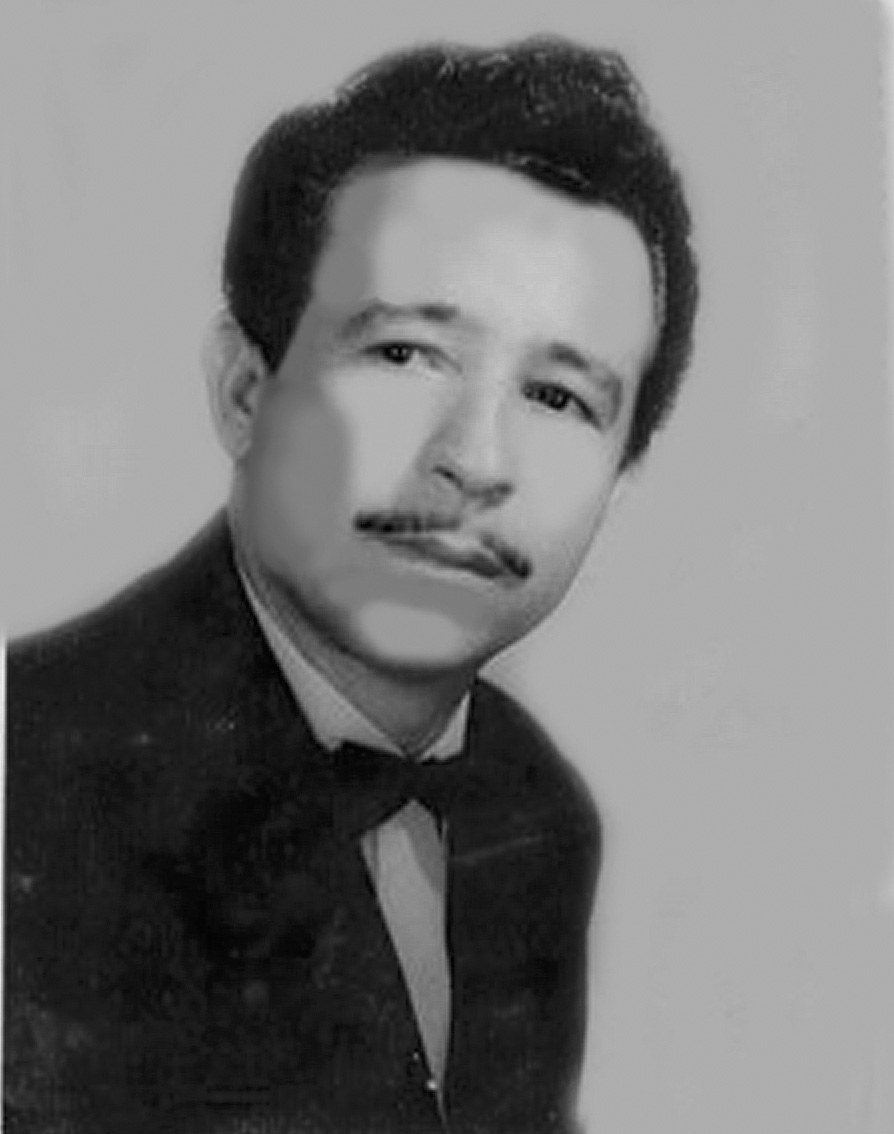
Teixeirinha (March 3, 1927 - December 4, 1985), given name Vitor Mateus Teixeira, was a Brazilian musician. Teixeirinha is the diminutive form of the common Portuguese-language surname of Teixeira, is one of the greatest Brazilian artists, Teixeirinha was the first artist in the world to sell 1 million copies of a disc of only one recorded song, called "o Rei do Disco" by this record sales, currently has sold 130 million copies.
The song to sell 1 million copies was "Coração de Luto", was rerecorded by several Brazilian artists, including the duo Milionário & José Rico, and the singer Sérgio Reis, as well as a re-recording made by a Spanish singer named Chacho Santa Cruz.
Teixeirinha is also the artist who composed the most songs in Brazil, he composed exactly 1,200 songs, recorded 758 in more than 50 albums, being one of the few artists to be successful outside America, arriving in Europe and Africa, an album by Teixeirinha was currently discovered released in Russia and England.
Vitor Mateus Teixeira (Teixeirinha) was born in the city of Rolante, district of Mascaradas, Rio Grande do Sul, Brazil on March 3, 1927. Son of Saturno Teixeira and Ledurina Mateus Teixeira, he had a brother and two sisters. At the age of seven he lost his father and at the age of nine his mother, becoming an orphan, he went to live with relatives, but they were unable to take care of him, to survive, he went around town and worked on everything, from carrying bags, sell fruit and sweets, even a newspaper delivery.
At the age of sixteen, he self-registered as a Brazilian citizen, and began to have documents. At the age of eighteen, he joined the Army, but did not get to serve and, on this occasion, he went to work at the DAER (Department of Highways), as a machine operator for six years. From there he left to pursue an artistic career singing on radio stations in cities in the interior, such as Lajeado, Estrela, Rio Pardo, Santa Cruz do Sul and, in the latter, he met his wife Zoraida Lima Teixeira, whom he married in 1957. Initially they moved to Soledade and , then moved to Passo Fundo, where they bought a “Tiro ao Alvo”, a kind of tent for drawing gifts, which was taken care of by him and his wife. At night Teixeirinha performed on the Passo Fundo Municipal Radio, singing and making his improvised verses. Vitor and Zoraida never separated and from this union were born the daughters Nancy Margareth, Gessi Elizabeth, Fátima Lisete and Márcia Bernadeth, with whom the artist shared his entire personal and artistic life.
In 1959, he was invited to São Paulo to record his first album, a 78Rpm with the songs: “Xote Soledade” and “Briga no Batizado”. According to the testimony of Dr. Biaggio Baccarin, the artistic director of the time and also a lawyer for the Chantecler Recording Company, the beginning of Teixeirinha's success is unforgettable. In the same year, Teixeirinha recorded the song "Coração de Luto", a song he tells about the death of his mother, the song was recorded at a 78Rpm, in 1960 the album of the song "Coração de Luto" sold exactly 1 million copies, an unprecedented event in the history of music, so far, no artist in the world had sold 1 million copies of a 78Rpm record, Coração de Luto was the first song in history to sell 1 million copies, the records were sold so quickly that it resembles Beatlemania, only without the tumult of screaming fans.
The song “Coração de Luto” which currently has sold more than 25 million copies, is the only one in the world, best selling, surpassing singers such as Michael Jackson, Julio Iglesias, contemporary singers of great sales of records, but not a single song, such as the case of “Coração de Luto”, which continues in the quotation of one of the most played songs.
With the unexpected success, Teixeirinha returned to Passo Fundo and sold his Tiro ao Alvo stand, and moved to Porto Alegre. He was called again by Chantecler, this time to live in the capital of São Paulo and continue the dissemination of the success of “Coração de Luto”, however, he refused to live in São Paulo, returning to the capital of Rio Grande do Sul.
Hub AI
Teixeirinha AI simulator
(@Teixeirinha_simulator)
Teixeirinha
Teixeirinha (March 3, 1927 - December 4, 1985), given name Vitor Mateus Teixeira, was a Brazilian musician. Teixeirinha is the diminutive form of the common Portuguese-language surname of Teixeira, is one of the greatest Brazilian artists, Teixeirinha was the first artist in the world to sell 1 million copies of a disc of only one recorded song, called "o Rei do Disco" by this record sales, currently has sold 130 million copies.
The song to sell 1 million copies was "Coração de Luto", was rerecorded by several Brazilian artists, including the duo Milionário & José Rico, and the singer Sérgio Reis, as well as a re-recording made by a Spanish singer named Chacho Santa Cruz.
Teixeirinha is also the artist who composed the most songs in Brazil, he composed exactly 1,200 songs, recorded 758 in more than 50 albums, being one of the few artists to be successful outside America, arriving in Europe and Africa, an album by Teixeirinha was currently discovered released in Russia and England.
Vitor Mateus Teixeira (Teixeirinha) was born in the city of Rolante, district of Mascaradas, Rio Grande do Sul, Brazil on March 3, 1927. Son of Saturno Teixeira and Ledurina Mateus Teixeira, he had a brother and two sisters. At the age of seven he lost his father and at the age of nine his mother, becoming an orphan, he went to live with relatives, but they were unable to take care of him, to survive, he went around town and worked on everything, from carrying bags, sell fruit and sweets, even a newspaper delivery.
At the age of sixteen, he self-registered as a Brazilian citizen, and began to have documents. At the age of eighteen, he joined the Army, but did not get to serve and, on this occasion, he went to work at the DAER (Department of Highways), as a machine operator for six years. From there he left to pursue an artistic career singing on radio stations in cities in the interior, such as Lajeado, Estrela, Rio Pardo, Santa Cruz do Sul and, in the latter, he met his wife Zoraida Lima Teixeira, whom he married in 1957. Initially they moved to Soledade and , then moved to Passo Fundo, where they bought a “Tiro ao Alvo”, a kind of tent for drawing gifts, which was taken care of by him and his wife. At night Teixeirinha performed on the Passo Fundo Municipal Radio, singing and making his improvised verses. Vitor and Zoraida never separated and from this union were born the daughters Nancy Margareth, Gessi Elizabeth, Fátima Lisete and Márcia Bernadeth, with whom the artist shared his entire personal and artistic life.
In 1959, he was invited to São Paulo to record his first album, a 78Rpm with the songs: “Xote Soledade” and “Briga no Batizado”. According to the testimony of Dr. Biaggio Baccarin, the artistic director of the time and also a lawyer for the Chantecler Recording Company, the beginning of Teixeirinha's success is unforgettable. In the same year, Teixeirinha recorded the song "Coração de Luto", a song he tells about the death of his mother, the song was recorded at a 78Rpm, in 1960 the album of the song "Coração de Luto" sold exactly 1 million copies, an unprecedented event in the history of music, so far, no artist in the world had sold 1 million copies of a 78Rpm record, Coração de Luto was the first song in history to sell 1 million copies, the records were sold so quickly that it resembles Beatlemania, only without the tumult of screaming fans.
The song “Coração de Luto” which currently has sold more than 25 million copies, is the only one in the world, best selling, surpassing singers such as Michael Jackson, Julio Iglesias, contemporary singers of great sales of records, but not a single song, such as the case of “Coração de Luto”, which continues in the quotation of one of the most played songs.
With the unexpected success, Teixeirinha returned to Passo Fundo and sold his Tiro ao Alvo stand, and moved to Porto Alegre. He was called again by Chantecler, this time to live in the capital of São Paulo and continue the dissemination of the success of “Coração de Luto”, however, he refused to live in São Paulo, returning to the capital of Rio Grande do Sul.
Recent media