
Recent from talks
Temerloh
Knowledge base stats:
Talk channels stats:
Members stats:
Temerloh
Temerloh is a municipality in central Pahang, Malaysia. Located about 130 kilometres (81 mi) from Kuala Lumpur along the Kuantan–Kuala Lumpur trunk road, Temerloh is the second largest urban area in Pahang after Kuantan, the state capital city. It is situated at the confluence of the Pahang and Semantan Rivers. Today, Temerloh usually refers to the territory under the administration of Temerloh Municipal Council which includes Mentakab, Lanchang, Kuala Krau and Kerdau.
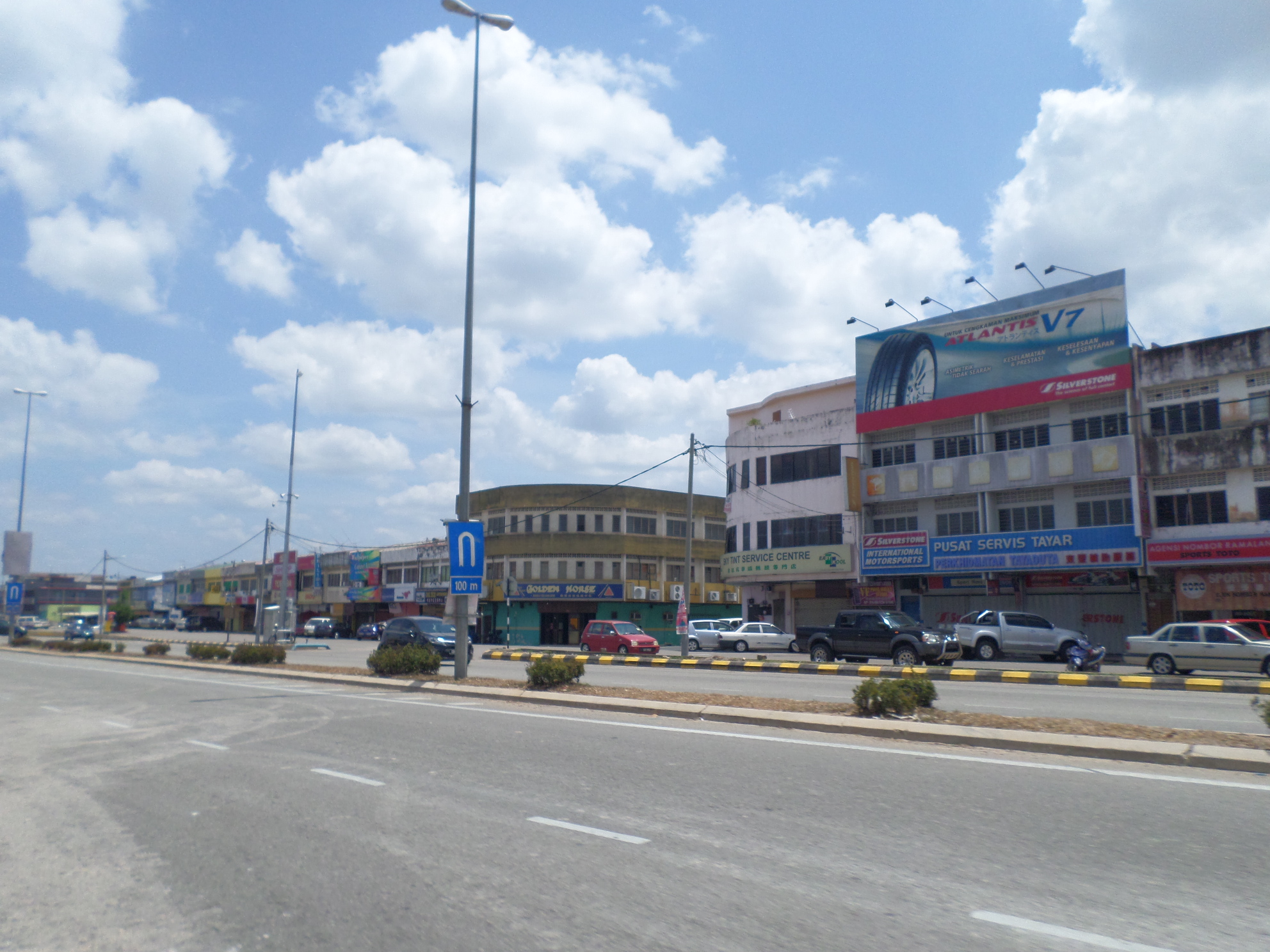
An old town with some colonial buildings and shophouses, the town has prospered in recent years as a transport hub and new industrial centre. There have been many new commercial and industrial hubs built in Temerloh in recent years. Cutting travel time in half, the East Coast Expressway links the town to Kuala Lumpur and Kuantan and adds to the growth of Temerloh.
The town was once called Kuala Semantan as it is situated at the Semantan River's confluence. The later name Temerloh was derived from the Pahangite term mereloh meaning "to sleep" or "to snore": it is said[by whom?] that Temerloh came about when a group of Minangkabau settlers, who came there to settle, noticed an Orang Asli (aborigine) who slept (mereloh) all day without a care in the world. Perhaps as a mark of amazement on such lazy conduct and perhaps for lack of other names, or probably just in jest, he then called the settlement Temerloh. Another more plausible theory claims the town's name is derived from a local resting place of the same Orang Asli tribe there called tempat mereloh, this would be contracted to temerloh easier on the Minangkabau settlers' tongues.
Temerloh Municipal Council (Malay: Majlis Perbandaran Temerloh) is the local authority of the whole of Temerloh District including Temerloh town. From 1 July 1981 until 14 January 1997, Temerloh town was governed by the Temerloh District Council (Malay: Majlis Daerah Temerloh), which was formed through the merger of Temerloh and Mentakab Town Council and the Local Councils of Kuala Krau, Kerdau and Lanchang. Temerloh District Council was upgraded to the present-day Municipal Council on 15 January 1997.
Temerloh has a tropical rainforest climate (Af) with no distinct seasons. Temperatures remain hot year round with warm nights. Precipitation peaks during the months of October to December.
According to Haji Zakaria Hitam, the modern-day Temerloh developed from a small settlement called Kuala Semantan. Kuala Semantan was actually a small old village at the bank of Semantan River. According to the folk story, the name Semantan came from the words Seman Tahan. Osman, or Seman Tahan as the villagers called him, is a Bruneian who settled at the small river connected to Pahang River. He mastered the martial art of silat, thus many people came all the way and settled here to learn silat from him. As Seman Tahan became popular among the villagers, they named the river Seman Tahan River. Thus, the town near the river was called Kuala Seman Tahan (kuala in Malay means 'river confluence'). The name Seman Tahan gradually became Semantan.
The Temerloh district, on the other hand was established on July 1, 1889, when J. P. Rodger, the first Pahang Resident divided Pahang state into six smaller administration areas (districts): Pekan, Rompin, Kuala Pahang, Kuantan, Temerloh and Hulu Pahang. The capital of Temerloh district then (1 July 1889) was Kuala Semantan. As Kuala Semantan begin to develop rapidly, the name Kuala Semantan was thought unsuitable as the kuala only refers to the river confluence. Hence, Kuala Semantan changed its name to Temerloh. Before the British colonization, Temerloh was governed by several headvillagers (village level) and Orang Besar (dignitaries) under the Pahang's administration of the Orang Besar System. The Temerloh people (then) were mainly Malay and Orang Asli; however, there were also small groups of Chinese and Arabs there.
The following is based on the Department of Statistics Malaysia 2010 census.
Hub AI
Temerloh AI simulator
(@Temerloh_simulator)
Temerloh
Temerloh is a municipality in central Pahang, Malaysia. Located about 130 kilometres (81 mi) from Kuala Lumpur along the Kuantan–Kuala Lumpur trunk road, Temerloh is the second largest urban area in Pahang after Kuantan, the state capital city. It is situated at the confluence of the Pahang and Semantan Rivers. Today, Temerloh usually refers to the territory under the administration of Temerloh Municipal Council which includes Mentakab, Lanchang, Kuala Krau and Kerdau.
An old town with some colonial buildings and shophouses, the town has prospered in recent years as a transport hub and new industrial centre. There have been many new commercial and industrial hubs built in Temerloh in recent years. Cutting travel time in half, the East Coast Expressway links the town to Kuala Lumpur and Kuantan and adds to the growth of Temerloh.
The town was once called Kuala Semantan as it is situated at the Semantan River's confluence. The later name Temerloh was derived from the Pahangite term mereloh meaning "to sleep" or "to snore": it is said[by whom?] that Temerloh came about when a group of Minangkabau settlers, who came there to settle, noticed an Orang Asli (aborigine) who slept (mereloh) all day without a care in the world. Perhaps as a mark of amazement on such lazy conduct and perhaps for lack of other names, or probably just in jest, he then called the settlement Temerloh. Another more plausible theory claims the town's name is derived from a local resting place of the same Orang Asli tribe there called tempat mereloh, this would be contracted to temerloh easier on the Minangkabau settlers' tongues.
Temerloh Municipal Council (Malay: Majlis Perbandaran Temerloh) is the local authority of the whole of Temerloh District including Temerloh town. From 1 July 1981 until 14 January 1997, Temerloh town was governed by the Temerloh District Council (Malay: Majlis Daerah Temerloh), which was formed through the merger of Temerloh and Mentakab Town Council and the Local Councils of Kuala Krau, Kerdau and Lanchang. Temerloh District Council was upgraded to the present-day Municipal Council on 15 January 1997.
Temerloh has a tropical rainforest climate (Af) with no distinct seasons. Temperatures remain hot year round with warm nights. Precipitation peaks during the months of October to December.
According to Haji Zakaria Hitam, the modern-day Temerloh developed from a small settlement called Kuala Semantan. Kuala Semantan was actually a small old village at the bank of Semantan River. According to the folk story, the name Semantan came from the words Seman Tahan. Osman, or Seman Tahan as the villagers called him, is a Bruneian who settled at the small river connected to Pahang River. He mastered the martial art of silat, thus many people came all the way and settled here to learn silat from him. As Seman Tahan became popular among the villagers, they named the river Seman Tahan River. Thus, the town near the river was called Kuala Seman Tahan (kuala in Malay means 'river confluence'). The name Seman Tahan gradually became Semantan.
The Temerloh district, on the other hand was established on July 1, 1889, when J. P. Rodger, the first Pahang Resident divided Pahang state into six smaller administration areas (districts): Pekan, Rompin, Kuala Pahang, Kuantan, Temerloh and Hulu Pahang. The capital of Temerloh district then (1 July 1889) was Kuala Semantan. As Kuala Semantan begin to develop rapidly, the name Kuala Semantan was thought unsuitable as the kuala only refers to the river confluence. Hence, Kuala Semantan changed its name to Temerloh. Before the British colonization, Temerloh was governed by several headvillagers (village level) and Orang Besar (dignitaries) under the Pahang's administration of the Orang Besar System. The Temerloh people (then) were mainly Malay and Orang Asli; however, there were also small groups of Chinese and Arabs there.
The following is based on the Department of Statistics Malaysia 2010 census.
Recent media