


Community hub
Recent from talks
Contribute something to knowledge base
Content stats: 0 posts, 0 articles, 1 media, 0 notes
Members stats: 0 subscribers, 0 contributors, 0 moderators, 0 supporters
Subscribers
Supporters
Contributors
Moderators
Hub AI
The Move AI simulator
(@The Move_simulator)
Hub AI
The Move AI simulator
(@The Move_simulator)
The Move
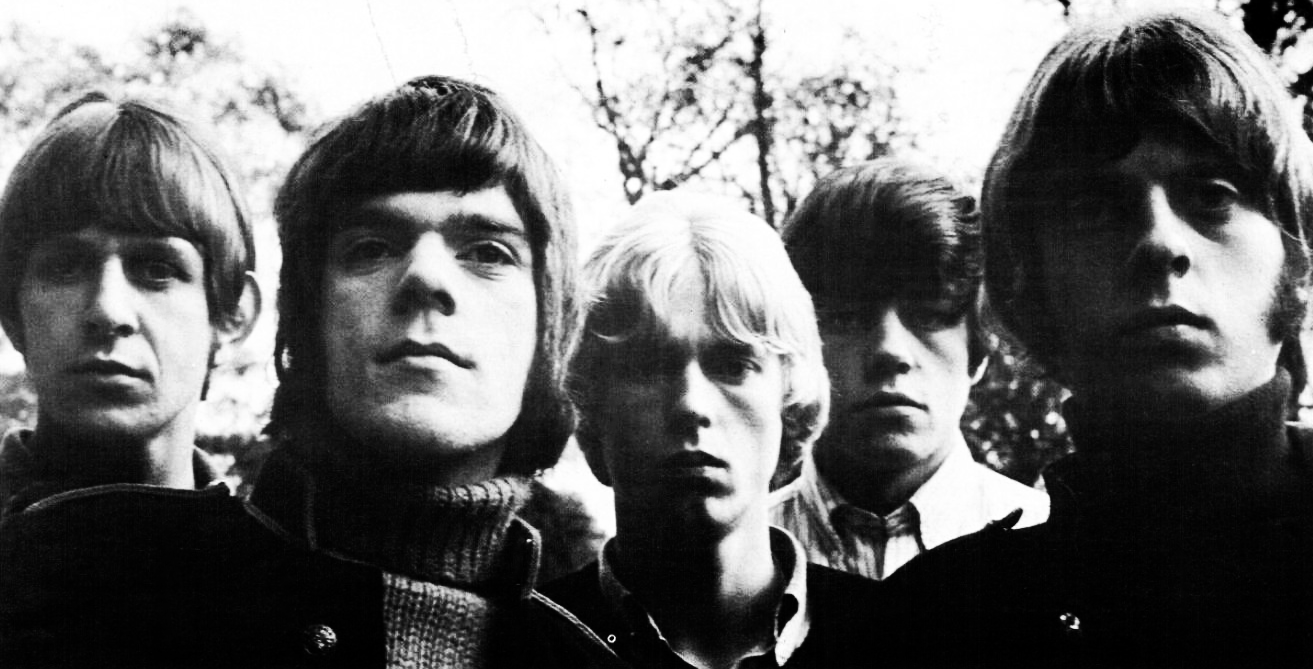
The Move were an English rock band formed in Birmingham in 1965. Their original line-up comprised lead guitarist Roy Wood, singer Carl Wayne, rhythm guitarist Trevor Burton, bassist Chris "Ace" Kefford and drummer Bev Bevan. Wood was the band leader and main songwriter, with lead vocal duties falling to Wayne, while Wood, Burton and Kefford also contributed lead and backing vocals. By 1971, the band was reduced to a trio of Wood, Bevan and guitarist/singer/songwriter Jeff Lynne (formerly of the Idle Race), who joined in 1970. The Move scored nine top 20 UK singles in five years, but were among the most popular British bands of the 1960s and 1970s not to achieve major success in the United States.
The Move evolved from several mid-1960s Birmingham-based groups, including Carl Wayne & the Vikings, the Nightriders and the Mayfair Set. Their name referred to the move various members of these bands made to form the group. During their time together, the band released four studio albums, two compilation albums, one live extended play and 18 singles. After their first two singles, "Night of Fear" and "I Can Hear the Grass Grow" hit number 2 and number 5 on the UK singles chart, the band released their self-titled debut in 1968, which hit number 15 on the UK Official Albums Chart and garnered two more top 10 singles, "Flowers in the Rain" and "Fire Brigade". After 1968, the band would have three more singles in the top 10, including the number 1 hit "Blackberry Way". The band released three more studio albums - Shazam, Looking On and Message from the Country - before their breakup in 1972. The band's later years saw Wood, Lynne and Bevan develop a side project called Electric Light Orchestra, which would go on to achieve major international success after The Move disbanded. Wood would later leave that group and form Wizzard.
In 1981, the band briefly reunited for a one-off charity concert, consisting of Bevan, Wood and Kefford. Twenty-three years later, in 2004, Bevan would form the "Bev Bevan Band" with former ELO Part II bandmates Phil Bates and Neil Lockwood. Bevan later rebranded this group as "Bev Bevan's Move" and - beginning in 2006 - featured Trevor Burton as an occasional guest in shows, before he became a permanent member of the group. Between 2007 and 2014, Burton and Bevan, alongside Lockwood and new members Phil Tree, Gordon Healer, Tony Kelsey and Abby Brant, performed intermittently as "The Move featuring Bev Bevan and Trevor Burton". The band's most recent reunion would happen in 2016, as "Bev Bevan's Zing Band", with Bevan and former members Tree, Brant and Kelsey, alongside new member Geoff Turton.
The Move were formed in December 1965 and played their debut show at the Belfry, Wishaw, on 23 January 1966. The original intentions of Trevor Burton, Ace Kefford and Roy Wood were to start a group from among Birmingham's best musicians—along similar lines to the Who. The three played together at jam sessions at Birmingham's Cedar Club and invited Carl Wayne and Bev Bevan to join their new group. After a debut at the Bell Hotel in Stourbridge in January 1966 and further bookings around the Birmingham area, Moody Blues manager Tony Secunda offered to manage them. At the time, The Move mainly played covers of American west coast groups such as the Byrds together with Motown and rock 'n' roll songs. Many of the band's selections for their songs came from the extensive record collection of Danny King, a former bandmate of Burton. Although Wayne handled most of the lead vocals, all the band members shared harmonies and each was allowed at least one lead vocal per show (and often traded lead vocals within specific songs).
Secunda got them a weekly residency at London's Marquee Club in 1966, where they appeared dressed as gangsters. Their early career was marked by a series of publicity stunts, high-profile media events and outrageous stage antics masterminded by Secunda; these included Wayne taking an axe to television sets. Wood was uncomfortable with this sensationalism and many concert promoters responded by banning The Move from live performances, but the stunts succeeded in drawing media attention and concert audiences to the group. Eventually, Secunda also managed to persuade Wood to begin writing songs for the band during his time off. They secured a production contract with independent record producer Denny Cordell, but that was turned into a media event by Secunda, who arranged for the band to sign their contracts on the back of Liz Wilson, a topless female model. Wood wrote their first single, "Night of Fear", a No. 2 hit on the UK Singles Chart in January 1967, which began The Move's practice of musical quotation (in this case, the 1812 Overture by Tchaikovsky). Their second single, "I Can Hear the Grass Grow", was another major hit, reaching No. 5 in the UK.
In April 1967, NME reported that The Move had offered a £200 reward (equivalent to £3,000 in 2023) for the recovery of the master tapes of ten songs intended for their debut album. The tapes were stolen from their agent's car when it was parked in Denmark Street, London. The tapes were found in a skip (dumpster) shortly afterward, but the damage caused to them meant that new mixes and masters would have to be made, resulting in the delayed album only being released in March 1968 instead of the original plan of autumn 1967. Their third single "Flowers in the Rain" was the first chart single played on BBC Radio 1 when it began broadcasting at 7 am on 30 September 1967, introduced by Tony Blackburn. The single, which reached No. 2 in the UK, was less guitar-orientated than their previous two singles and featured a woodwind and string arrangement by Cordell's assistant Tony Visconti. The track was released on the re-launched Regal Zonophone label.
Without consulting the band, Secunda produced a cartoon postcard to promote the single "Flowers in the Rain"; this showed the prime minister of the United Kingdom, Harold Wilson, in bed with his secretary, Marcia Williams. Wilson sued The Move for libel and the group lost the lawsuit; they had to pay all costs, and all royalties earned by the song were awarded to charities of Wilson's choice. The ruling remained in force even after Wilson's death in 1995. In the Family Trees documentary special on the Birmingham music scene, Wood says that while the band as a whole lost their royalties, it affected him the most, as he wrote the song.
For their fourth single the group had planned to release "Cherry Blossom Clinic", a lighthearted song about the fantasies of a patient in a mental institution, backed by the satirical "Vote For Me". However, The Move had been unnerved by their court experiences; they and the record label felt it unwise to pursue such a potentially controversial idea, so the single was shelved. "Vote For Me" remained unreleased until it appeared on retrospective collections from 1997 onwards, while "Cherry Blossom Clinic" became one of the tracks on their first LP, called Move.
The Move
The Move were an English rock band formed in Birmingham in 1965. Their original line-up comprised lead guitarist Roy Wood, singer Carl Wayne, rhythm guitarist Trevor Burton, bassist Chris "Ace" Kefford and drummer Bev Bevan. Wood was the band leader and main songwriter, with lead vocal duties falling to Wayne, while Wood, Burton and Kefford also contributed lead and backing vocals. By 1971, the band was reduced to a trio of Wood, Bevan and guitarist/singer/songwriter Jeff Lynne (formerly of the Idle Race), who joined in 1970. The Move scored nine top 20 UK singles in five years, but were among the most popular British bands of the 1960s and 1970s not to achieve major success in the United States.
The Move evolved from several mid-1960s Birmingham-based groups, including Carl Wayne & the Vikings, the Nightriders and the Mayfair Set. Their name referred to the move various members of these bands made to form the group. During their time together, the band released four studio albums, two compilation albums, one live extended play and 18 singles. After their first two singles, "Night of Fear" and "I Can Hear the Grass Grow" hit number 2 and number 5 on the UK singles chart, the band released their self-titled debut in 1968, which hit number 15 on the UK Official Albums Chart and garnered two more top 10 singles, "Flowers in the Rain" and "Fire Brigade". After 1968, the band would have three more singles in the top 10, including the number 1 hit "Blackberry Way". The band released three more studio albums - Shazam, Looking On and Message from the Country - before their breakup in 1972. The band's later years saw Wood, Lynne and Bevan develop a side project called Electric Light Orchestra, which would go on to achieve major international success after The Move disbanded. Wood would later leave that group and form Wizzard.
In 1981, the band briefly reunited for a one-off charity concert, consisting of Bevan, Wood and Kefford. Twenty-three years later, in 2004, Bevan would form the "Bev Bevan Band" with former ELO Part II bandmates Phil Bates and Neil Lockwood. Bevan later rebranded this group as "Bev Bevan's Move" and - beginning in 2006 - featured Trevor Burton as an occasional guest in shows, before he became a permanent member of the group. Between 2007 and 2014, Burton and Bevan, alongside Lockwood and new members Phil Tree, Gordon Healer, Tony Kelsey and Abby Brant, performed intermittently as "The Move featuring Bev Bevan and Trevor Burton". The band's most recent reunion would happen in 2016, as "Bev Bevan's Zing Band", with Bevan and former members Tree, Brant and Kelsey, alongside new member Geoff Turton.
The Move were formed in December 1965 and played their debut show at the Belfry, Wishaw, on 23 January 1966. The original intentions of Trevor Burton, Ace Kefford and Roy Wood were to start a group from among Birmingham's best musicians—along similar lines to the Who. The three played together at jam sessions at Birmingham's Cedar Club and invited Carl Wayne and Bev Bevan to join their new group. After a debut at the Bell Hotel in Stourbridge in January 1966 and further bookings around the Birmingham area, Moody Blues manager Tony Secunda offered to manage them. At the time, The Move mainly played covers of American west coast groups such as the Byrds together with Motown and rock 'n' roll songs. Many of the band's selections for their songs came from the extensive record collection of Danny King, a former bandmate of Burton. Although Wayne handled most of the lead vocals, all the band members shared harmonies and each was allowed at least one lead vocal per show (and often traded lead vocals within specific songs).
Secunda got them a weekly residency at London's Marquee Club in 1966, where they appeared dressed as gangsters. Their early career was marked by a series of publicity stunts, high-profile media events and outrageous stage antics masterminded by Secunda; these included Wayne taking an axe to television sets. Wood was uncomfortable with this sensationalism and many concert promoters responded by banning The Move from live performances, but the stunts succeeded in drawing media attention and concert audiences to the group. Eventually, Secunda also managed to persuade Wood to begin writing songs for the band during his time off. They secured a production contract with independent record producer Denny Cordell, but that was turned into a media event by Secunda, who arranged for the band to sign their contracts on the back of Liz Wilson, a topless female model. Wood wrote their first single, "Night of Fear", a No. 2 hit on the UK Singles Chart in January 1967, which began The Move's practice of musical quotation (in this case, the 1812 Overture by Tchaikovsky). Their second single, "I Can Hear the Grass Grow", was another major hit, reaching No. 5 in the UK.
In April 1967, NME reported that The Move had offered a £200 reward (equivalent to £3,000 in 2023) for the recovery of the master tapes of ten songs intended for their debut album. The tapes were stolen from their agent's car when it was parked in Denmark Street, London. The tapes were found in a skip (dumpster) shortly afterward, but the damage caused to them meant that new mixes and masters would have to be made, resulting in the delayed album only being released in March 1968 instead of the original plan of autumn 1967. Their third single "Flowers in the Rain" was the first chart single played on BBC Radio 1 when it began broadcasting at 7 am on 30 September 1967, introduced by Tony Blackburn. The single, which reached No. 2 in the UK, was less guitar-orientated than their previous two singles and featured a woodwind and string arrangement by Cordell's assistant Tony Visconti. The track was released on the re-launched Regal Zonophone label.
Without consulting the band, Secunda produced a cartoon postcard to promote the single "Flowers in the Rain"; this showed the prime minister of the United Kingdom, Harold Wilson, in bed with his secretary, Marcia Williams. Wilson sued The Move for libel and the group lost the lawsuit; they had to pay all costs, and all royalties earned by the song were awarded to charities of Wilson's choice. The ruling remained in force even after Wilson's death in 1995. In the Family Trees documentary special on the Birmingham music scene, Wood says that while the band as a whole lost their royalties, it affected him the most, as he wrote the song.
For their fourth single the group had planned to release "Cherry Blossom Clinic", a lighthearted song about the fantasies of a patient in a mental institution, backed by the satirical "Vote For Me". However, The Move had been unnerved by their court experiences; they and the record label felt it unwise to pursue such a potentially controversial idea, so the single was shelved. "Vote For Me" remained unreleased until it appeared on retrospective collections from 1997 onwards, while "Cherry Blossom Clinic" became one of the tracks on their first LP, called Move.
Recent media
Recent media