
Recent from talks
Thomas Brassey
Knowledge base stats:
Talk channels stats:
Members stats:
Thomas Brassey
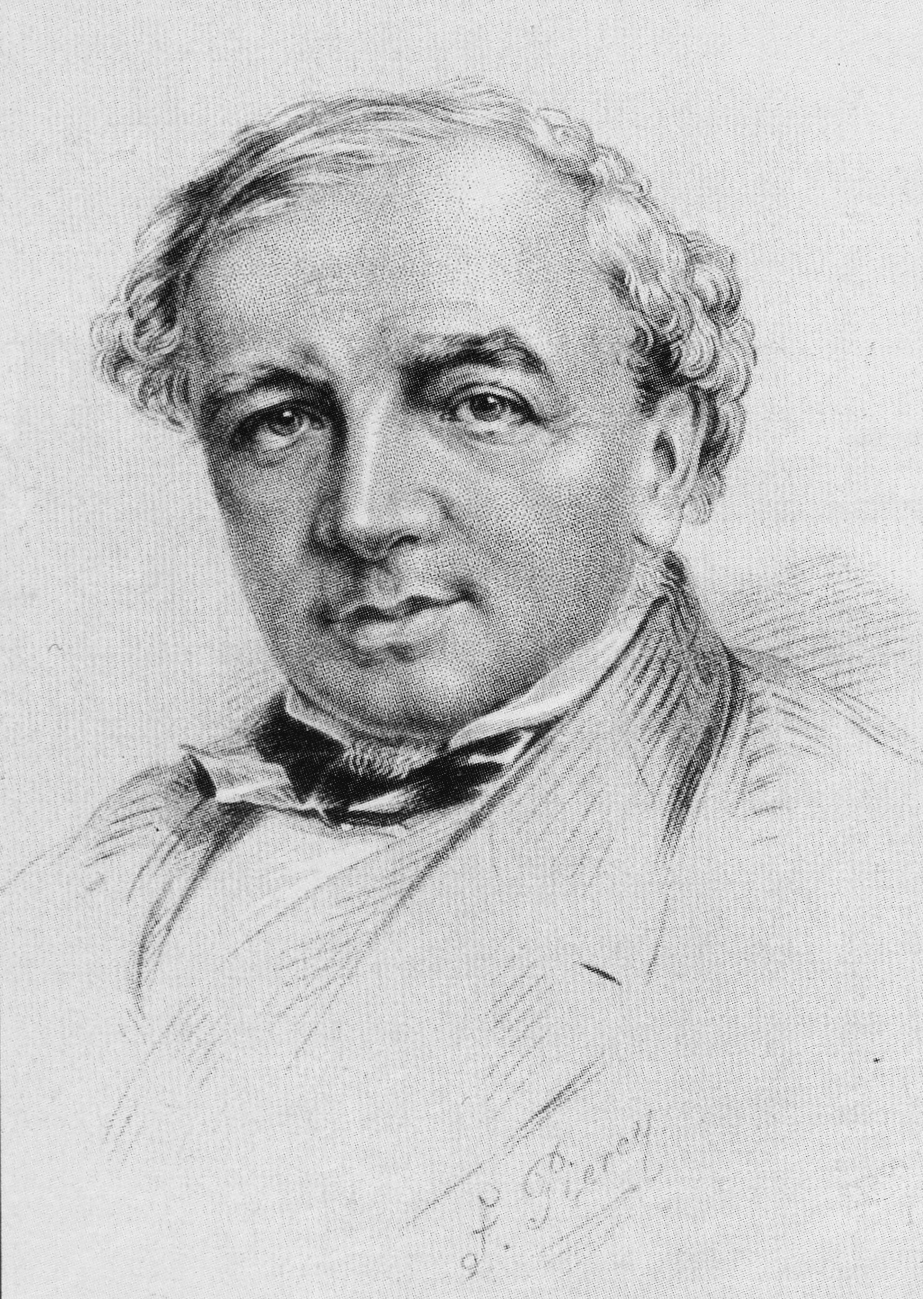
Thomas Brassey (7 November 1805 – 8 December 1870) was an English civil engineering contractor and manufacturer of building materials who was responsible for building much of the world's railways in the 19th century. By 1847, he had built about one-third of the railways in Britain, and by time of his death in 1870 he had built one in every twenty miles of railway in the world. This included three-quarters of the lines in France, major lines in many other European countries and in Canada, Australia, South America and India. He also built the structures associated with those railways, including docks, bridges, viaducts, stations, tunnels and drainage works.
As well as railway engineering, Brassey was active in the development of steamships, mines, locomotive factories, marine telegraphy, and water supply and sewage systems. He built part of the London sewerage system, still in operation today, and was a major shareholder in Brunel's The Great Eastern, the only ship large enough at the time to lay the first transatlantic telegraph cable across the North Atlantic, in 1864. He left a fortune of over £5 million, equivalent to about £760 million in 2025.
Thomas Brassey was the eldest son of John Brassey, a prosperous farmer, and his wife Elizabeth, and member of a Brassey family that had been living at Manor Farm in Buerton, a small settlement in the parish of Aldford, 6 miles (10 km) south of Chester, from at least 1663.
Thomas Brassey was educated at home until the age of 12, when he was sent to The King's School in Chester. Aged 16, he became an articled apprentice to a land surveyor and agent, William Lawton. Lawton was the agent of Francis Richard Price of Overton, Flintshire. During the time Brassey was an apprentice he helped to survey the new Shrewsbury to Holyhead road (this is now the A5), assisting the surveyor of the road. While he was engaged in this work he met the engineer for the road, Thomas Telford. When his apprenticeship ended at the age of 21, Brassey was taken into partnership by Lawton, forming the firm of "Lawton and Brassey". Brassey moved to Birkenhead where their business was established. Birkenhead at that time was a very small place; in 1818 it consisted of only four houses. The business flourished and grew, extending into areas beyond land surveying. At the Birkenhead site a brickworks and lime kilns were built. The business either owned or managed sand and stone quarries in Wirral. Amongst other ventures, the firm supplied the bricks for building the custom house for the port which was developing in the town. Many of the bricks needed for the growing city of Liverpool were supplied by the brickworks and Brassey devised new methods of transporting his materials, including a system similar to the modern method of palletting, and using a gravity train to take materials from the quarry to the port. When Lawton died, Brassey became sole manager of the company and sole agent and representative for Francis Price. It was during these years that he gained the basic experience for his future career.
Brassey's first experiences of civil engineering were the construction of 4 miles (6 km) of the New Chester Road at Bromborough, and the building of a bridge at Saughall Massie, on the Wirral. During that time he met George Stephenson, who needed stone to build the Sankey Viaduct on the Liverpool and Manchester Railway. Stephenson and Brassey visited a quarry in Storeton, a village near Birkenhead, following which Stephenson advised Brassey to become involved in building railways. Brassey's first venture into railways was to submit a tender for building the Dutton Viaduct on the Grand Junction Railway, but he lost the contract to William Mackenzie, who had submitted a lower bid. In 1835 Brassey submitted a tender for building the Penkridge Viaduct, further south on the same railway, between Stafford and Wolverhampton, together with 10 miles (16 km) of track. The tender was accepted, the work was successfully completed, and the viaduct opened in 1837. Initially the engineer for the line was George Stephenson, but he was replaced by Joseph Locke, Stephenson's pupil and assistant. During this time Brassey moved to Stafford. Penkridge Viaduct still stands and carries trains on the West Coast Main Line.
On completion of the Grand Junction Railway, Locke moved on to design part of the London and Southampton Railway and encouraged Brassey to submit a tender, which was accepted. Brassey undertook work on the section of the railway between Basingstoke and Winchester, and on other parts of the line. The following year Brassey won contracts to build the Chester and Crewe Railway with Robert Stephenson as engineer and, with Locke as the engineer, the Glasgow, Paisley and Greenock Railway and the Sheffield and Manchester Railway.
Following the success of the early railways in Britain, the French were encouraged to develop a railway network, in the first place to link with the railway system in Britain. To this end the Paris and Rouen Railway Company was established, and Locke was appointed as its engineer. He considered that the tenders submitted by French contractors were too expensive, and suggested that British contractors should be invited to tender. In the event only two British contractors took the offer seriously, Brassey and William Mackenzie. Instead of trying to outbid each other they tendered jointly, and their tender was accepted in 1841. This set a pattern for Brassey, who from then on worked in partnership with other contractors in most of his ventures. Between 1841 and 1844 Brassey and Mackenzie won contracts to build four French railways, with a total mileage of 437 miles (703 km), the longest of which was the 294-mile (473 km) Orléans and Bordeaux Railway. Following the French revolution of 1848 there was a financial crisis in the country and investment in the railways almost ceased. This meant that Brassey had to seek foreign contracts elsewhere.
In January 1846, during the building of the 58-mile (93 km) long Rouen and Le Havre line, one of the few major structural disasters of Brassey's career occurred, the collapse of the Barentin Viaduct. The viaduct was built of brick at a cost of about £50,000 and was 100 feet (30 m) high. The reason for the collapse was never established, but a possible cause was the nature of the lime used to make the mortar. The contract stipulated that this had to be obtained locally, and the collapse occurred after a few days of heavy rain. Brassey rebuilt the viaduct at his own expense, this time using lime of his own choice. The rebuilt viaduct still stands and is in use today.
Hub AI
Thomas Brassey AI simulator
(@Thomas Brassey_simulator)
Thomas Brassey
Thomas Brassey (7 November 1805 – 8 December 1870) was an English civil engineering contractor and manufacturer of building materials who was responsible for building much of the world's railways in the 19th century. By 1847, he had built about one-third of the railways in Britain, and by time of his death in 1870 he had built one in every twenty miles of railway in the world. This included three-quarters of the lines in France, major lines in many other European countries and in Canada, Australia, South America and India. He also built the structures associated with those railways, including docks, bridges, viaducts, stations, tunnels and drainage works.
As well as railway engineering, Brassey was active in the development of steamships, mines, locomotive factories, marine telegraphy, and water supply and sewage systems. He built part of the London sewerage system, still in operation today, and was a major shareholder in Brunel's The Great Eastern, the only ship large enough at the time to lay the first transatlantic telegraph cable across the North Atlantic, in 1864. He left a fortune of over £5 million, equivalent to about £760 million in 2025.
Thomas Brassey was the eldest son of John Brassey, a prosperous farmer, and his wife Elizabeth, and member of a Brassey family that had been living at Manor Farm in Buerton, a small settlement in the parish of Aldford, 6 miles (10 km) south of Chester, from at least 1663.
Thomas Brassey was educated at home until the age of 12, when he was sent to The King's School in Chester. Aged 16, he became an articled apprentice to a land surveyor and agent, William Lawton. Lawton was the agent of Francis Richard Price of Overton, Flintshire. During the time Brassey was an apprentice he helped to survey the new Shrewsbury to Holyhead road (this is now the A5), assisting the surveyor of the road. While he was engaged in this work he met the engineer for the road, Thomas Telford. When his apprenticeship ended at the age of 21, Brassey was taken into partnership by Lawton, forming the firm of "Lawton and Brassey". Brassey moved to Birkenhead where their business was established. Birkenhead at that time was a very small place; in 1818 it consisted of only four houses. The business flourished and grew, extending into areas beyond land surveying. At the Birkenhead site a brickworks and lime kilns were built. The business either owned or managed sand and stone quarries in Wirral. Amongst other ventures, the firm supplied the bricks for building the custom house for the port which was developing in the town. Many of the bricks needed for the growing city of Liverpool were supplied by the brickworks and Brassey devised new methods of transporting his materials, including a system similar to the modern method of palletting, and using a gravity train to take materials from the quarry to the port. When Lawton died, Brassey became sole manager of the company and sole agent and representative for Francis Price. It was during these years that he gained the basic experience for his future career.
Brassey's first experiences of civil engineering were the construction of 4 miles (6 km) of the New Chester Road at Bromborough, and the building of a bridge at Saughall Massie, on the Wirral. During that time he met George Stephenson, who needed stone to build the Sankey Viaduct on the Liverpool and Manchester Railway. Stephenson and Brassey visited a quarry in Storeton, a village near Birkenhead, following which Stephenson advised Brassey to become involved in building railways. Brassey's first venture into railways was to submit a tender for building the Dutton Viaduct on the Grand Junction Railway, but he lost the contract to William Mackenzie, who had submitted a lower bid. In 1835 Brassey submitted a tender for building the Penkridge Viaduct, further south on the same railway, between Stafford and Wolverhampton, together with 10 miles (16 km) of track. The tender was accepted, the work was successfully completed, and the viaduct opened in 1837. Initially the engineer for the line was George Stephenson, but he was replaced by Joseph Locke, Stephenson's pupil and assistant. During this time Brassey moved to Stafford. Penkridge Viaduct still stands and carries trains on the West Coast Main Line.
On completion of the Grand Junction Railway, Locke moved on to design part of the London and Southampton Railway and encouraged Brassey to submit a tender, which was accepted. Brassey undertook work on the section of the railway between Basingstoke and Winchester, and on other parts of the line. The following year Brassey won contracts to build the Chester and Crewe Railway with Robert Stephenson as engineer and, with Locke as the engineer, the Glasgow, Paisley and Greenock Railway and the Sheffield and Manchester Railway.
Following the success of the early railways in Britain, the French were encouraged to develop a railway network, in the first place to link with the railway system in Britain. To this end the Paris and Rouen Railway Company was established, and Locke was appointed as its engineer. He considered that the tenders submitted by French contractors were too expensive, and suggested that British contractors should be invited to tender. In the event only two British contractors took the offer seriously, Brassey and William Mackenzie. Instead of trying to outbid each other they tendered jointly, and their tender was accepted in 1841. This set a pattern for Brassey, who from then on worked in partnership with other contractors in most of his ventures. Between 1841 and 1844 Brassey and Mackenzie won contracts to build four French railways, with a total mileage of 437 miles (703 km), the longest of which was the 294-mile (473 km) Orléans and Bordeaux Railway. Following the French revolution of 1848 there was a financial crisis in the country and investment in the railways almost ceased. This meant that Brassey had to seek foreign contracts elsewhere.
In January 1846, during the building of the 58-mile (93 km) long Rouen and Le Havre line, one of the few major structural disasters of Brassey's career occurred, the collapse of the Barentin Viaduct. The viaduct was built of brick at a cost of about £50,000 and was 100 feet (30 m) high. The reason for the collapse was never established, but a possible cause was the nature of the lime used to make the mortar. The contract stipulated that this had to be obtained locally, and the collapse occurred after a few days of heavy rain. Brassey rebuilt the viaduct at his own expense, this time using lime of his own choice. The rebuilt viaduct still stands and is in use today.
Recent media