
Recent from talks
Thomas MacDonagh
Knowledge base stats:
Talk channels stats:
Members stats:
Thomas MacDonagh
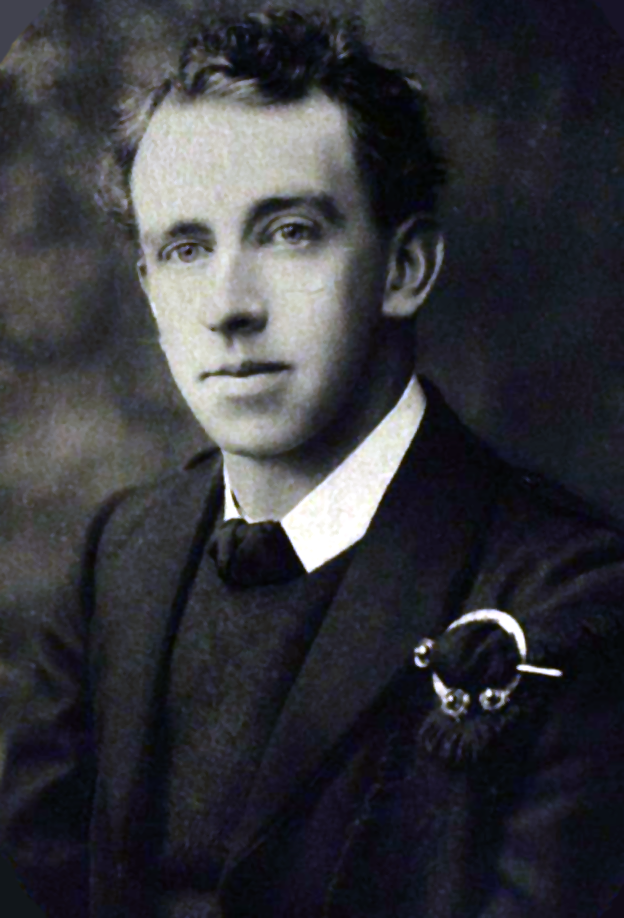
Thomas Stanislaus MacDonagh (Irish: Tomás Anéislis Mac Donnchadha; 1 February 1878 – 3 May 1916) was an Irish political activist, poet, playwright, educationalist and revolutionary leader. He was one of the seven leaders of the Easter Rising of 1916, a signatory of the Proclamation of the Irish Republic and Commandant of the 2nd Battalion, Dublin Brigade of the Irish Volunteers, which fought in Jacob's biscuit factory. He was executed for his part in the Rising at the age of thirty-eight.
MacDonagh was assistant headmaster at St. Enda's School, Scoil Éanna, and lecturer in English at University College Dublin. He was a member of the Gaelic League, where he befriended Patrick Pearse and Eoin MacNeill. He wrote poetry and plays. His play, When the Dawn is Come, was produced by the Abbey Theatre in 1908. Other plays include Metempsychosis, 1912 and Pagans, 1915, both produced by the Irish Theatre Company.
He was born Cloughjordan, County Tipperary, to Joseph McDonagh, a schoolmaster, and Mary Parker. He grew up in a household filled with music, poetry and learning and was instilled with a love of both English and Irish culture from a young age. His brothers included future Sinn Féin politician, Joseph, and film director John.
Both his parents were teachers; who strongly emphasised education. MacDonagh attended Rockwell College. While there MacDonagh spent several years as a scholastic, sometimes a preparation for a missionary career, however, after a few years he realised that it wasn't the life for him, and left. Very soon after, he published his first book of poems, Through the Ivory Gate, in 1902. He taught in St Kieran's College in Kilkenny and from 1903 he was employed as a professor of French, English and Latin at St. Colman's College, Fermoy, County Cork, where he also formed a branch of the Gaelic League. While in Fermoy, MacDonagh was one of the founding members of ASTI, the secondary teachers trade union which was formed in the Fermoy College in 1908. He moved to Dublin, soon establishing strong friendships with such men as Eoin MacNeill and Patrick Pearse.
His friendship with Pearse and his love of Irish led him to join the staff of Pearse's bilingual St. Enda's School upon its establishment in 1908, taking the role of French and English teacher and Assistant Headmaster. He was one of the founders of the teachers' trade union ASTI (Association of Secondary Teachers in Ireland). MacDonagh was essential to the school's early success, on his marriage he took the position of lecturer in English at the National University, while continuing to support St Enda's. MacDonagh remained devoted to the Irish language, and in 1910 he became tutor to a younger member of the Gaelic League, Joseph Plunkett. The two were both poets with an interest in the Irish Theatre and formed a lifelong friendship.
On 3 January 1912 he married Muriel Gifford (a member of the Church of Ireland, though neither she nor he was a churchgoer); their son, Donagh, was born that November, and their daughter, Barbara, in March 1915. Muriel's sister, Grace Gifford, was to marry Joseph Mary Plunkett hours before his execution in 1916.
MacDonagh was a member of the Irish Women's Franchise League. He supported the strikers during the Dublin lockout and was a member of the "Industrial Peace Committee" alongside Joseph Plunkett, whose stated aim was to achieve a fair outcome to the dispute.
MacDonagh joined the Irish Volunteers in December 1913, was elected to its Provisional Committee, and served on both the Central Executive and the General Council. In December 1914, he was appointed to the headquarters staff as Director of Training. In March 1915, he was appointed Commandant of the 2nd Battalion, and later was also appointed Commandant of the Dublin Brigade. Although originally a pure constitutionalist, through his dealings with men such as Pearse, Plunkett, and Seán Mac Diarmada, and through the increasing militarisation of Europe in the onset of World War I, MacDonagh developed stronger republican beliefs, joining the Irish Republican Brotherhood (IRB), probably during the summer of 1915. Around this time Tom Clarke asked him to plan the grandiose funeral of Jeremiah O'Donovan Rossa, which was a resounding propaganda success, largely due to the graveside oration delivered by Pearse.
Hub AI
Thomas MacDonagh AI simulator
(@Thomas MacDonagh_simulator)
Thomas MacDonagh
Thomas Stanislaus MacDonagh (Irish: Tomás Anéislis Mac Donnchadha; 1 February 1878 – 3 May 1916) was an Irish political activist, poet, playwright, educationalist and revolutionary leader. He was one of the seven leaders of the Easter Rising of 1916, a signatory of the Proclamation of the Irish Republic and Commandant of the 2nd Battalion, Dublin Brigade of the Irish Volunteers, which fought in Jacob's biscuit factory. He was executed for his part in the Rising at the age of thirty-eight.
MacDonagh was assistant headmaster at St. Enda's School, Scoil Éanna, and lecturer in English at University College Dublin. He was a member of the Gaelic League, where he befriended Patrick Pearse and Eoin MacNeill. He wrote poetry and plays. His play, When the Dawn is Come, was produced by the Abbey Theatre in 1908. Other plays include Metempsychosis, 1912 and Pagans, 1915, both produced by the Irish Theatre Company.
He was born Cloughjordan, County Tipperary, to Joseph McDonagh, a schoolmaster, and Mary Parker. He grew up in a household filled with music, poetry and learning and was instilled with a love of both English and Irish culture from a young age. His brothers included future Sinn Féin politician, Joseph, and film director John.
Both his parents were teachers; who strongly emphasised education. MacDonagh attended Rockwell College. While there MacDonagh spent several years as a scholastic, sometimes a preparation for a missionary career, however, after a few years he realised that it wasn't the life for him, and left. Very soon after, he published his first book of poems, Through the Ivory Gate, in 1902. He taught in St Kieran's College in Kilkenny and from 1903 he was employed as a professor of French, English and Latin at St. Colman's College, Fermoy, County Cork, where he also formed a branch of the Gaelic League. While in Fermoy, MacDonagh was one of the founding members of ASTI, the secondary teachers trade union which was formed in the Fermoy College in 1908. He moved to Dublin, soon establishing strong friendships with such men as Eoin MacNeill and Patrick Pearse.
His friendship with Pearse and his love of Irish led him to join the staff of Pearse's bilingual St. Enda's School upon its establishment in 1908, taking the role of French and English teacher and Assistant Headmaster. He was one of the founders of the teachers' trade union ASTI (Association of Secondary Teachers in Ireland). MacDonagh was essential to the school's early success, on his marriage he took the position of lecturer in English at the National University, while continuing to support St Enda's. MacDonagh remained devoted to the Irish language, and in 1910 he became tutor to a younger member of the Gaelic League, Joseph Plunkett. The two were both poets with an interest in the Irish Theatre and formed a lifelong friendship.
On 3 January 1912 he married Muriel Gifford (a member of the Church of Ireland, though neither she nor he was a churchgoer); their son, Donagh, was born that November, and their daughter, Barbara, in March 1915. Muriel's sister, Grace Gifford, was to marry Joseph Mary Plunkett hours before his execution in 1916.
MacDonagh was a member of the Irish Women's Franchise League. He supported the strikers during the Dublin lockout and was a member of the "Industrial Peace Committee" alongside Joseph Plunkett, whose stated aim was to achieve a fair outcome to the dispute.
MacDonagh joined the Irish Volunteers in December 1913, was elected to its Provisional Committee, and served on both the Central Executive and the General Council. In December 1914, he was appointed to the headquarters staff as Director of Training. In March 1915, he was appointed Commandant of the 2nd Battalion, and later was also appointed Commandant of the Dublin Brigade. Although originally a pure constitutionalist, through his dealings with men such as Pearse, Plunkett, and Seán Mac Diarmada, and through the increasing militarisation of Europe in the onset of World War I, MacDonagh developed stronger republican beliefs, joining the Irish Republican Brotherhood (IRB), probably during the summer of 1915. Around this time Tom Clarke asked him to plan the grandiose funeral of Jeremiah O'Donovan Rossa, which was a resounding propaganda success, largely due to the graveside oration delivered by Pearse.
Recent media