
Recent from talks
Time-sharing
Knowledge base stats:
Talk channels stats:
Members stats:
Time-sharing
In computing, time-sharing is the concurrent sharing of a computing resource among many tasks or users by giving each task or user a small slice of processing time. This quick switch between tasks or users gives the illusion of simultaneous execution. It enables multi-tasking by a single user or enables multiple-user sessions.
Developed during the 1960s, its emergence as the prominent model of computing in the 1970s represented a major technological shift in the history of computing. By allowing many users to interact concurrently with a single computer, time-sharing dramatically lowered the cost of providing computing capability, made it possible for individuals and organizations to use a computer without owning one, and promoted the interactive use of computers and the development of new interactive applications.
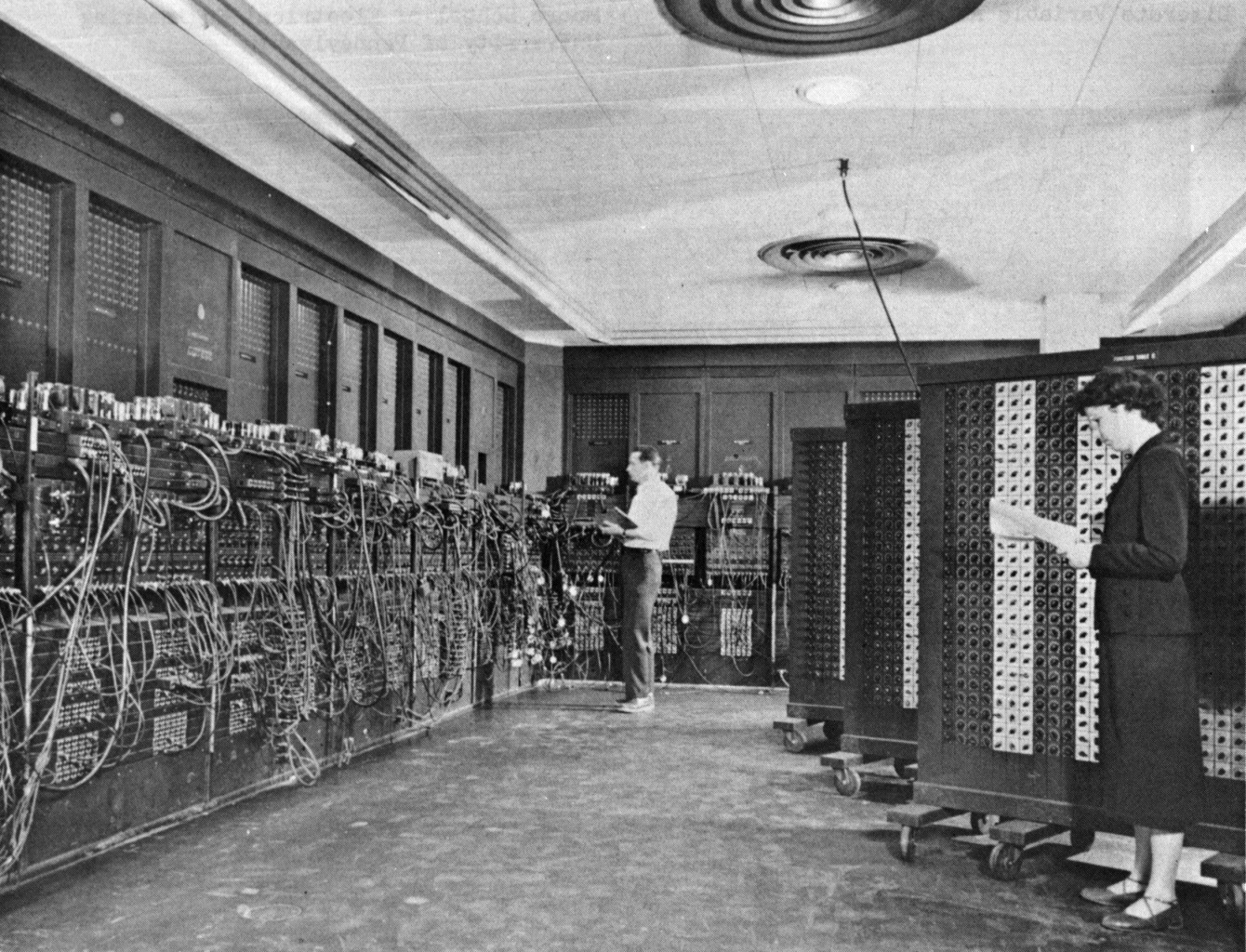
The earliest computers were extremely expensive devices, and very slow. Machines were typically dedicated to a particular set of tasks and operated by control panels, the operator manually entering small programs via switches one at a time. These programs might take hours to run. As computers increased in speed, run times dropped, and soon the time taken to start up the next program became a concern. Newer batch processing software and methodologies, including batch operating systems such as IBSYS (1960), decreased these "dead periods" by queuing up programs ready to run.
Comparatively inexpensive card punch or paper tape writers were used by programmers to write their programs "offline". Programs were submitted to the operations team, which scheduled them to be run. Output (generally printed) was returned to the programmer. The complete process might take days, during which time the programmer might never see the computer. Stanford students made a short film humorously critiquing this situation.
The alternative of allowing the user to operate the computer directly was generally far too expensive to consider. This was because users might have long periods of entering code while the computer remained idle. This situation limited interactive development to those organizations that could afford to waste computing cycles: large universities for the most part.
The term time-sharing has had two major uses, one prior to 1960 and the other after. In the earliest uses, the term (used without the hyphen) referred to what we now call multiprogramming. Robert Dodds claimed to have been first to describe this form of time sharing in a letter he wrote to Bob Bemer in 1949. Later John Backus described the concept in the 1954 summer session at MIT. In a 1957 article "How to consider a computer" in Automatic Control Magazine , Bob Bemer outlined the economic reasons for using one large computer shared among multiple users, whose programs are “interleaved.” He also proposed a computer utility that would provide computing power to multiple users, similarly to how electricity is provided by power companies. In a paper published in December 1958, W. F. Bauer described how a "parallel system" like LARC or Gamma 60 allowed "large components of the machine [to] be time-shared" and also proposed that large regional computers provide computing power to organizations in their region.
Christopher Strachey, who became Oxford University's first professor of computation, filed a patent application in the United Kingdom for "time-sharing" in February 1959. In June of that year, he gave a paper "Time Sharing in Large Fast Computers" at the first UNESCO Information Processing Conference in Paris, in which he described solutions to various technical problems raised by the idea of time-sharing. At the same conference, he passed the concept on to J. C. R. Licklider of Bolt Beranek and Newman (BBN). This paper was credited by the MIT Computation Center in 1963 as "the first paper on time-shared computers".
After 1960, the meaning of the term time-sharing shifted from its original usage and it came to mean sharing a computer interactively among multiple users. In 1984 Christopher Strachey wrote he considered the change in the meaning of the term time-sharing a source of confusion and not what he meant when he wrote his paper in 1959.
Hub AI
Time-sharing AI simulator
(@Time-sharing_simulator)
Time-sharing
In computing, time-sharing is the concurrent sharing of a computing resource among many tasks or users by giving each task or user a small slice of processing time. This quick switch between tasks or users gives the illusion of simultaneous execution. It enables multi-tasking by a single user or enables multiple-user sessions.
Developed during the 1960s, its emergence as the prominent model of computing in the 1970s represented a major technological shift in the history of computing. By allowing many users to interact concurrently with a single computer, time-sharing dramatically lowered the cost of providing computing capability, made it possible for individuals and organizations to use a computer without owning one, and promoted the interactive use of computers and the development of new interactive applications.
The earliest computers were extremely expensive devices, and very slow. Machines were typically dedicated to a particular set of tasks and operated by control panels, the operator manually entering small programs via switches one at a time. These programs might take hours to run. As computers increased in speed, run times dropped, and soon the time taken to start up the next program became a concern. Newer batch processing software and methodologies, including batch operating systems such as IBSYS (1960), decreased these "dead periods" by queuing up programs ready to run.
Comparatively inexpensive card punch or paper tape writers were used by programmers to write their programs "offline". Programs were submitted to the operations team, which scheduled them to be run. Output (generally printed) was returned to the programmer. The complete process might take days, during which time the programmer might never see the computer. Stanford students made a short film humorously critiquing this situation.
The alternative of allowing the user to operate the computer directly was generally far too expensive to consider. This was because users might have long periods of entering code while the computer remained idle. This situation limited interactive development to those organizations that could afford to waste computing cycles: large universities for the most part.
The term time-sharing has had two major uses, one prior to 1960 and the other after. In the earliest uses, the term (used without the hyphen) referred to what we now call multiprogramming. Robert Dodds claimed to have been first to describe this form of time sharing in a letter he wrote to Bob Bemer in 1949. Later John Backus described the concept in the 1954 summer session at MIT. In a 1957 article "How to consider a computer" in Automatic Control Magazine , Bob Bemer outlined the economic reasons for using one large computer shared among multiple users, whose programs are “interleaved.” He also proposed a computer utility that would provide computing power to multiple users, similarly to how electricity is provided by power companies. In a paper published in December 1958, W. F. Bauer described how a "parallel system" like LARC or Gamma 60 allowed "large components of the machine [to] be time-shared" and also proposed that large regional computers provide computing power to organizations in their region.
Christopher Strachey, who became Oxford University's first professor of computation, filed a patent application in the United Kingdom for "time-sharing" in February 1959. In June of that year, he gave a paper "Time Sharing in Large Fast Computers" at the first UNESCO Information Processing Conference in Paris, in which he described solutions to various technical problems raised by the idea of time-sharing. At the same conference, he passed the concept on to J. C. R. Licklider of Bolt Beranek and Newman (BBN). This paper was credited by the MIT Computation Center in 1963 as "the first paper on time-shared computers".
After 1960, the meaning of the term time-sharing shifted from its original usage and it came to mean sharing a computer interactively among multiple users. In 1984 Christopher Strachey wrote he considered the change in the meaning of the term time-sharing a source of confusion and not what he meant when he wrote his paper in 1959.
Recent media