
Recent from talks
Tin-glazing
Knowledge base stats:
Talk channels stats:
Members stats:
Tin-glazing
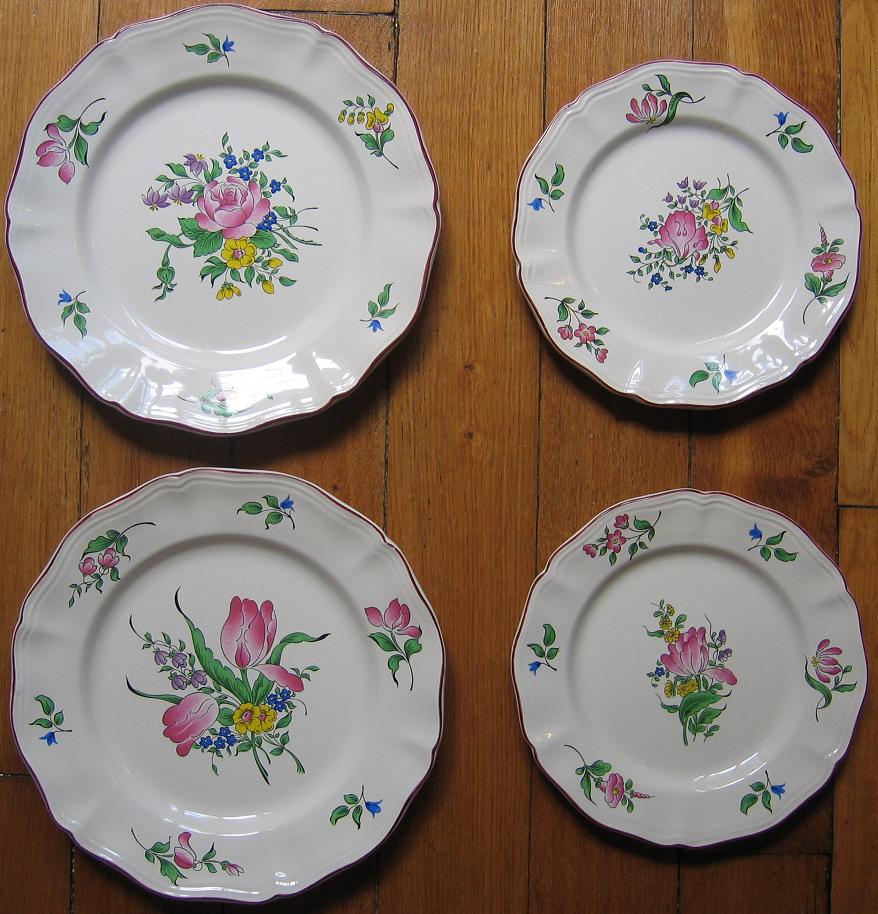
Tin-glazing is the process of giving tin-glazed pottery items a ceramic glaze that is white, glossy and opaque, which is normally applied to red or buff earthenware. Tin-glaze is plain lead glaze with a small amount of tin oxide added. The opacity and whiteness of tin glaze encourage its frequent decoration. Historically this has mostly been done before the single firing, when the colours blend into the glaze, but since the 17th century also using overglaze enamels, with a light second firing, allowing a wider range of colours. Majolica, maiolica, delftware and faience are among the terms used for common types of tin-glazed pottery.
An alternative is lead-glazing, where the basic glaze is transparent; some types of pottery use both. However, when pieces are glazed only with lead, the glaze becomes fluid during firing, and may run or pool. Colours painted on the glaze may also run or blur. Tin-glazing avoids these problems.
The technique originated in the Near East and reached Europe during the late Middle Ages, with a peak in Italian Renaissance maiolica. It was never used in East Asian ceramics. Tin oxide is still valued in glazes as both an opacifier and as a white colorant. Tin oxide has long been used to produce a white, opaque and glossy glaze. As well as an opacifying agent, tin oxide also finds use as a colour stabiliser in some pigments and glazes. Minor quantities are also used in the conducting phases in some electrical porcelain glazes.
The earliest tin-glazed pottery appears to have been made in Abbasid Iraq (750–1258) in the 8th century, fragments having been excavated during the First World War from the palace of Samarra about fifty miles north of Baghdad. From Mesopotamia, tin glazes spread to Islamic Egypt (868–905) during the 10th century, and then to Andalusian Spain (711–1492), leading to the maximum development of Islamic lusterware.
The history of tin glazes in the Islamic world is disputed. One possible reason for the earlier production of tin-glazed wares could be attributed to the trade between the Abbasid Empire and ancient China from the 8th to 9th century onwards, resulting in imitation of white Chinese stoneware by local Islamic potters. Another might be local glaze-making rather than foreign influence, supported by the similarity between the chemical and microstructural features of pre-Islamic white opaque glazes and that on the first tin-opacified wares
From the Middle East, tin-glaze spread through the Islamic world to Spain. In the 13th century, tin glazes reached Italy, where the earliest recorded reference to their use is in the 1330s, resulting in the emergence of Italian Maiolica. Amongst others, Luca della Robbia, born in Florence about 1400, used tin oxide as an opacifier in glazes. Potters began to draw polychrome paintings on the white opaque surface with metallic oxides such as cobalt oxide and to produce lustreware. The off-white fired body of Delftware and English Majolica was made to appear white, and hence mimic the appearance of Chinese porcelain, by the application of a glaze opacified and coloured white by the addition of tin oxide.
By the late 18th century the reduction in the price of porcelain, and the new English creamwares and related types, stronger, lighter and often cheaper than traditional earthenwares, hit the production of tin-glazed wares very hard, and production of "useful" rather than decorative wares almost ceased, so that "by 1850 the industry was almost extinct" in France. In 1947 Arthur Lane wrote it was "now only [made in Europe] in a few places to provide the tourist with souvenirs"
Though the recipe of tin glazes may differ in different sites and periods, the process of the production of tin glazes is similar. Generally speaking, the first step of the production of tin glazes is to mix tin and lead in order to form oxides, which was then added to a glaze matrix (alkali-silicate glaze, for example) and heated. After the mixture cooled, the tin oxide crystallises as what has been mentioned above, therefore generates the so-called white tin-opacified glazes. Besides, the body of tin-opacified wares is generally calcareous clays containing 15-25% CaO, of which the thermal expansion coefficient is close to that of tin glazes, thus avoid crazing during the firing process. On the other hand, the calcareous clay fired in an oxidising atmosphere results in a buff colour, thus lower the concentration of tin oxide used
Hub AI
Tin-glazing AI simulator
(@Tin-glazing_simulator)
Tin-glazing
Tin-glazing is the process of giving tin-glazed pottery items a ceramic glaze that is white, glossy and opaque, which is normally applied to red or buff earthenware. Tin-glaze is plain lead glaze with a small amount of tin oxide added. The opacity and whiteness of tin glaze encourage its frequent decoration. Historically this has mostly been done before the single firing, when the colours blend into the glaze, but since the 17th century also using overglaze enamels, with a light second firing, allowing a wider range of colours. Majolica, maiolica, delftware and faience are among the terms used for common types of tin-glazed pottery.
An alternative is lead-glazing, where the basic glaze is transparent; some types of pottery use both. However, when pieces are glazed only with lead, the glaze becomes fluid during firing, and may run or pool. Colours painted on the glaze may also run or blur. Tin-glazing avoids these problems.
The technique originated in the Near East and reached Europe during the late Middle Ages, with a peak in Italian Renaissance maiolica. It was never used in East Asian ceramics. Tin oxide is still valued in glazes as both an opacifier and as a white colorant. Tin oxide has long been used to produce a white, opaque and glossy glaze. As well as an opacifying agent, tin oxide also finds use as a colour stabiliser in some pigments and glazes. Minor quantities are also used in the conducting phases in some electrical porcelain glazes.
The earliest tin-glazed pottery appears to have been made in Abbasid Iraq (750–1258) in the 8th century, fragments having been excavated during the First World War from the palace of Samarra about fifty miles north of Baghdad. From Mesopotamia, tin glazes spread to Islamic Egypt (868–905) during the 10th century, and then to Andalusian Spain (711–1492), leading to the maximum development of Islamic lusterware.
The history of tin glazes in the Islamic world is disputed. One possible reason for the earlier production of tin-glazed wares could be attributed to the trade between the Abbasid Empire and ancient China from the 8th to 9th century onwards, resulting in imitation of white Chinese stoneware by local Islamic potters. Another might be local glaze-making rather than foreign influence, supported by the similarity between the chemical and microstructural features of pre-Islamic white opaque glazes and that on the first tin-opacified wares
From the Middle East, tin-glaze spread through the Islamic world to Spain. In the 13th century, tin glazes reached Italy, where the earliest recorded reference to their use is in the 1330s, resulting in the emergence of Italian Maiolica. Amongst others, Luca della Robbia, born in Florence about 1400, used tin oxide as an opacifier in glazes. Potters began to draw polychrome paintings on the white opaque surface with metallic oxides such as cobalt oxide and to produce lustreware. The off-white fired body of Delftware and English Majolica was made to appear white, and hence mimic the appearance of Chinese porcelain, by the application of a glaze opacified and coloured white by the addition of tin oxide.
By the late 18th century the reduction in the price of porcelain, and the new English creamwares and related types, stronger, lighter and often cheaper than traditional earthenwares, hit the production of tin-glazed wares very hard, and production of "useful" rather than decorative wares almost ceased, so that "by 1850 the industry was almost extinct" in France. In 1947 Arthur Lane wrote it was "now only [made in Europe] in a few places to provide the tourist with souvenirs"
Though the recipe of tin glazes may differ in different sites and periods, the process of the production of tin glazes is similar. Generally speaking, the first step of the production of tin glazes is to mix tin and lead in order to form oxides, which was then added to a glaze matrix (alkali-silicate glaze, for example) and heated. After the mixture cooled, the tin oxide crystallises as what has been mentioned above, therefore generates the so-called white tin-opacified glazes. Besides, the body of tin-opacified wares is generally calcareous clays containing 15-25% CaO, of which the thermal expansion coefficient is close to that of tin glazes, thus avoid crazing during the firing process. On the other hand, the calcareous clay fired in an oxidising atmosphere results in a buff colour, thus lower the concentration of tin oxide used
Recent media