
Recent from talks
USS Terror (CM-5)
Knowledge base stats:
Talk channels stats:
Members stats:
USS Terror (CM-5)
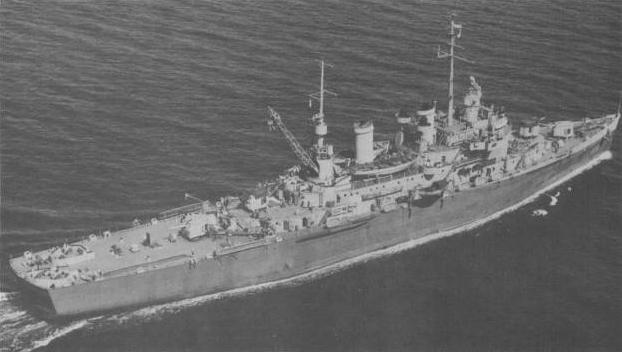
USS Terror (CM-5) was a fleet minelayer of the United States Navy, the only minelayer of the fleet built specifically for and retained for minelaying during World War II (two sister ships, the Catskill and the Ozark, were converted into LSVs [Landing Ship, Vehicle] before commissioning).
She was laid down on 3 September 1940 by the Philadelphia Navy Yard; launched on 6 June 1941; sponsored by Mrs. Ralph A. Bard; and commissioned on 15 July 1942.
Following fitting out and shakedown, Terror arrived at New York on 30 October 1942 to prepare for her first large-scale operation. With Task Group 38.3, the new minelayer sortied the harbor on 2 November and set her course for North Africa. Rain squalls, strong winds, and heavy seas forced the convoy to alter its course, but its goal remained the same — the support and reinforcement of Operation Torch.
At dawn on 14 November, Terror parted company with the convoy and, escorted by a single destroyer, made her way at 20 knots (37 km/h) to the newly taken port of Casablanca. Sunken ships added to the congestion of the harbor as Terror fueled Miantonomah (CMc-5) and supplied that vessel with mines. Terror then prepared for her primary mission at Casablanca and the task for which she had been designed, minelaying. Her sortie was delayed on the morning of the 16th due to continued congestion in the harbor. Later, as Terror's crew made ready to get underway, they discovered that a large, "old fashioned" anchor with a heavy chain was fouling the ship's starboard anchor chain. After correcting this problem, Terror got underway in company with two minesweepers and, in short order, began laying the minefield which would protect the ships in the harbor. When completed, shortly before dark the same day, the minefield provided Allied shipping a protected channel entrance to Casablanca, stretching seven miles (11 km) out from El Hank Light, a formidable barrier for any marauding enemy submarine to penetrate. Steaming at 16 knots (30 km/h), Terror made her way back to the port just as night fell.
On the following day, despite the obstacles imposed by rudimentary receiving facilities on shore and an extreme shortage of lighters, Terror unloaded her cargo of depth charges and ammunition, using a salvaged tank lighter and several wooden barges. Having accomplished her mission, Terror departed Casablanca and rendezvoused with a convoy bound for the east coast of the United States. Strong head winds, heavy seas, and the slowness of the convoy made it difficult for Terror to keep her station. Off the Virginia Capes, Terror was detached from the convoy and made for the Naval Mine Depot, Yorktown. She arrived on 30 November to commence overhaul and training.
In the months that followed, Terror operated out of Yorktown, making frequent voyages to the Chesapeake Bay for exercises and occasionally stopping at Norfolk for repairs or overhaul. Often students from the Mine Warfare Training Facility came on board for instruction tours. Meanwhile, members of Terror's crew, when not attending classes ashore, participated in drills, training, and exercises in gunnery, mine warfare, and damage control. In February, the minelayer assisted Nuthatch (AM-60) as that vessel tested the Mark 10 "Hedgehog" off Yorktown. After receiving additional antiaircraft guns in May, Terror participated in tactical exercises in the Chesapeake Bay through the summer.
Late in September, she began loading mines in preparation for her departure from the Atlantic coast. At Norfolk, she rendezvoused with Task Unit 29.2.5; and, on 2 October, she got underway for the Canal Zone and Pacific ports. On the morning of 19 October, she passed under the Golden Gate Bridge and anchored in San Francisco Bay. The next day, she departed the west coast and steamed via Pearl Harbor to the Ellice Islands.
She arrived at Funafuti on 9 November, unloaded pontoon barges, and took on fresh water. During the nearly three weeks she remained at Funafuti, Terror supported the many small craft which surveyed and mined the approaches to the atoll, supplying them with provisions, water, repairs, and medical services. At the same time, she assisted in the conversion of a 1,500-ton covered lighter into a barracks for a construction battalion, sending skilled personnel to speed the work and providing water and mess facilities for the battalion until the task was completed. On the 17th, Terror's gunners fired on the enemy for the first time when Japanese planes bombed the runway on Funafuti. The Japanese raiders dropped 40 bombs near the airstrip, causing a fire which burned for an hour. Another alert followed in the afternoon, but no further action occurred. Terror laid mooring buoys in the anchorage before getting underway for Hawaii on 28 November. Early in December, she loaded mines and gear at Pearl Harbor; then set her course for Tarawa, where she provided heavy equipment and mines for mine details. At night, searchlights from shore combed the dark, spotting enemy planes in an attempt to foil the persistent Japanese raiders.
Hub AI
USS Terror (CM-5) AI simulator
(@USS Terror (CM-5)_simulator)
USS Terror (CM-5)
USS Terror (CM-5) was a fleet minelayer of the United States Navy, the only minelayer of the fleet built specifically for and retained for minelaying during World War II (two sister ships, the Catskill and the Ozark, were converted into LSVs [Landing Ship, Vehicle] before commissioning).
She was laid down on 3 September 1940 by the Philadelphia Navy Yard; launched on 6 June 1941; sponsored by Mrs. Ralph A. Bard; and commissioned on 15 July 1942.
Following fitting out and shakedown, Terror arrived at New York on 30 October 1942 to prepare for her first large-scale operation. With Task Group 38.3, the new minelayer sortied the harbor on 2 November and set her course for North Africa. Rain squalls, strong winds, and heavy seas forced the convoy to alter its course, but its goal remained the same — the support and reinforcement of Operation Torch.
At dawn on 14 November, Terror parted company with the convoy and, escorted by a single destroyer, made her way at 20 knots (37 km/h) to the newly taken port of Casablanca. Sunken ships added to the congestion of the harbor as Terror fueled Miantonomah (CMc-5) and supplied that vessel with mines. Terror then prepared for her primary mission at Casablanca and the task for which she had been designed, minelaying. Her sortie was delayed on the morning of the 16th due to continued congestion in the harbor. Later, as Terror's crew made ready to get underway, they discovered that a large, "old fashioned" anchor with a heavy chain was fouling the ship's starboard anchor chain. After correcting this problem, Terror got underway in company with two minesweepers and, in short order, began laying the minefield which would protect the ships in the harbor. When completed, shortly before dark the same day, the minefield provided Allied shipping a protected channel entrance to Casablanca, stretching seven miles (11 km) out from El Hank Light, a formidable barrier for any marauding enemy submarine to penetrate. Steaming at 16 knots (30 km/h), Terror made her way back to the port just as night fell.
On the following day, despite the obstacles imposed by rudimentary receiving facilities on shore and an extreme shortage of lighters, Terror unloaded her cargo of depth charges and ammunition, using a salvaged tank lighter and several wooden barges. Having accomplished her mission, Terror departed Casablanca and rendezvoused with a convoy bound for the east coast of the United States. Strong head winds, heavy seas, and the slowness of the convoy made it difficult for Terror to keep her station. Off the Virginia Capes, Terror was detached from the convoy and made for the Naval Mine Depot, Yorktown. She arrived on 30 November to commence overhaul and training.
In the months that followed, Terror operated out of Yorktown, making frequent voyages to the Chesapeake Bay for exercises and occasionally stopping at Norfolk for repairs or overhaul. Often students from the Mine Warfare Training Facility came on board for instruction tours. Meanwhile, members of Terror's crew, when not attending classes ashore, participated in drills, training, and exercises in gunnery, mine warfare, and damage control. In February, the minelayer assisted Nuthatch (AM-60) as that vessel tested the Mark 10 "Hedgehog" off Yorktown. After receiving additional antiaircraft guns in May, Terror participated in tactical exercises in the Chesapeake Bay through the summer.
Late in September, she began loading mines in preparation for her departure from the Atlantic coast. At Norfolk, she rendezvoused with Task Unit 29.2.5; and, on 2 October, she got underway for the Canal Zone and Pacific ports. On the morning of 19 October, she passed under the Golden Gate Bridge and anchored in San Francisco Bay. The next day, she departed the west coast and steamed via Pearl Harbor to the Ellice Islands.
She arrived at Funafuti on 9 November, unloaded pontoon barges, and took on fresh water. During the nearly three weeks she remained at Funafuti, Terror supported the many small craft which surveyed and mined the approaches to the atoll, supplying them with provisions, water, repairs, and medical services. At the same time, she assisted in the conversion of a 1,500-ton covered lighter into a barracks for a construction battalion, sending skilled personnel to speed the work and providing water and mess facilities for the battalion until the task was completed. On the 17th, Terror's gunners fired on the enemy for the first time when Japanese planes bombed the runway on Funafuti. The Japanese raiders dropped 40 bombs near the airstrip, causing a fire which burned for an hour. Another alert followed in the afternoon, but no further action occurred. Terror laid mooring buoys in the anchorage before getting underway for Hawaii on 28 November. Early in December, she loaded mines and gear at Pearl Harbor; then set her course for Tarawa, where she provided heavy equipment and mines for mine details. At night, searchlights from shore combed the dark, spotting enemy planes in an attempt to foil the persistent Japanese raiders.
Recent media