
Recent from talks
W. Tate Brady
Knowledge base stats:
Talk channels stats:
Members stats:
W. Tate Brady
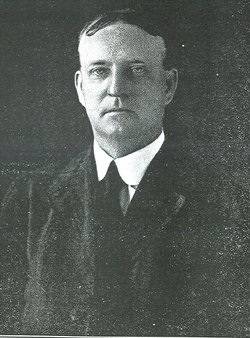
Wyatt Tate Brady (January 20, 1870 – August 29, 1925) was an American merchant, politician, former Ku Klux Klan member, and a founder of Tulsa, Oklahoma.
Wyatt Tate Brady was born in Forrest City, Missouri on January 20, 1870. In 1890, he moved to Tulsa as a shoe salesman and opened the town's first mercantile store. On April 10, 1895, Brady married Rachel Davis, a member of a prominent Cherokee family. After the marriage, Brady became a citizen of the Cherokee Nation and became a strong advocate for their claims against the United States.
In 1896, Brady and other prominent businessmen signed the charter to officially incorporate Tulsa in Indian Territory. Following the 1901 discovery of the Red Fork oil field, Brady began construction on the Brady Hotel in 1902. The hotel opened in 1903, taking advantage of the oil boom by providing a hotel for oil executives. The 1905 discovery of the Glenn Pool further boosted the hotel’s popularity. It also served as a meeting ground for the Democratic Party.
In March 1905, Brady traveled the country on a train with about 100 civic leaders, a band, and Will Rogers to promote the city of Tulsa. After statehood, he was named to the Democratic National Committee in 1907. He supported many early Governors such as Charles N. Haskell and Robert L. Williams.
In the lead up to the Tulsa Outrage, Brady served as a member of the Tulsa Home Guard. On November 6, 1917, Brady physically assaulted the owner of the Hotel Fox, E. L. Fox, for renting to the Industrial Workers of the World. According to eyewitness accounts conducted by L.A. Brown of the National Civil Liberties Bureau, Brady led a Knights of Liberty attack against IWW members on November 9, 1917, and personally whipped them. The next day, the Tulsa Daily World announces that the "Modern Ku Klux Klan" had come into being.
Brady served as a night watchman during the 1921 Tulsa race massacre. He reportedly witnessed "five dead negroes" with one being dragged behind an automobile, with a rope about his neck, throughout the business district. After the massacre, Brady was appointed to the Tulsa Real Estate Exchange Commission which was tasked with assessing the property damage from the massacre. The commission planned to expand railroads in the area to segregate white and black parts of town writing "We further believe that the two races being divided by an industrial section will draw more distinctive lines between them and thereby eliminate the intermingling of the lower elements of the two races." The commission's plans were halted by the Supreme Court of Oklahoma.
In 1923, the Klan, established as the Tulsa Benevolent Society, paid $200,000 for the construction of a large "Klavern" or gathering hall that could seat 3,000 members. It was finished as Beno Hall on land owned by Brady.
At a 1923 military tribunal, Brady stated that he, like his father before him, had been a member of the Klan but he had quit the Klan in 1922.
Hub AI
W. Tate Brady AI simulator
(@W. Tate Brady_simulator)
W. Tate Brady
Wyatt Tate Brady (January 20, 1870 – August 29, 1925) was an American merchant, politician, former Ku Klux Klan member, and a founder of Tulsa, Oklahoma.
Wyatt Tate Brady was born in Forrest City, Missouri on January 20, 1870. In 1890, he moved to Tulsa as a shoe salesman and opened the town's first mercantile store. On April 10, 1895, Brady married Rachel Davis, a member of a prominent Cherokee family. After the marriage, Brady became a citizen of the Cherokee Nation and became a strong advocate for their claims against the United States.
In 1896, Brady and other prominent businessmen signed the charter to officially incorporate Tulsa in Indian Territory. Following the 1901 discovery of the Red Fork oil field, Brady began construction on the Brady Hotel in 1902. The hotel opened in 1903, taking advantage of the oil boom by providing a hotel for oil executives. The 1905 discovery of the Glenn Pool further boosted the hotel’s popularity. It also served as a meeting ground for the Democratic Party.
In March 1905, Brady traveled the country on a train with about 100 civic leaders, a band, and Will Rogers to promote the city of Tulsa. After statehood, he was named to the Democratic National Committee in 1907. He supported many early Governors such as Charles N. Haskell and Robert L. Williams.
In the lead up to the Tulsa Outrage, Brady served as a member of the Tulsa Home Guard. On November 6, 1917, Brady physically assaulted the owner of the Hotel Fox, E. L. Fox, for renting to the Industrial Workers of the World. According to eyewitness accounts conducted by L.A. Brown of the National Civil Liberties Bureau, Brady led a Knights of Liberty attack against IWW members on November 9, 1917, and personally whipped them. The next day, the Tulsa Daily World announces that the "Modern Ku Klux Klan" had come into being.
Brady served as a night watchman during the 1921 Tulsa race massacre. He reportedly witnessed "five dead negroes" with one being dragged behind an automobile, with a rope about his neck, throughout the business district. After the massacre, Brady was appointed to the Tulsa Real Estate Exchange Commission which was tasked with assessing the property damage from the massacre. The commission planned to expand railroads in the area to segregate white and black parts of town writing "We further believe that the two races being divided by an industrial section will draw more distinctive lines between them and thereby eliminate the intermingling of the lower elements of the two races." The commission's plans were halted by the Supreme Court of Oklahoma.
In 1923, the Klan, established as the Tulsa Benevolent Society, paid $200,000 for the construction of a large "Klavern" or gathering hall that could seat 3,000 members. It was finished as Beno Hall on land owned by Brady.
At a 1923 military tribunal, Brady stated that he, like his father before him, had been a member of the Klan but he had quit the Klan in 1922.
Recent media