
Recent from talks
William Frederick Havemeyer
Knowledge base stats:
Talk channels stats:
Members stats:
William Frederick Havemeyer
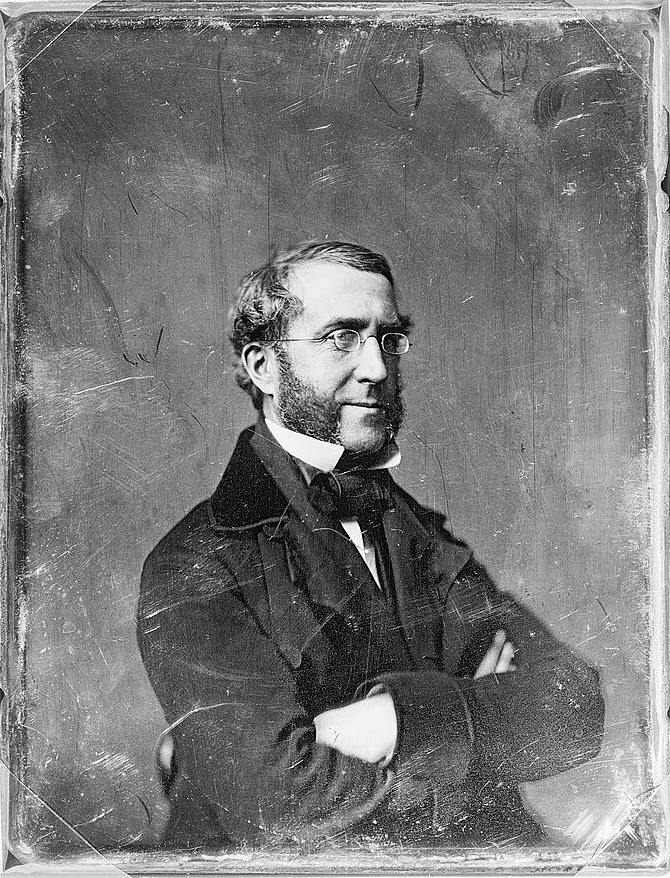
William Frederick Havemeyer (February 12, 1804 – November 30, 1874) was an American businessman and politician who served three times as mayor of New York City during the 19th century.
Havemeyer was born in New York City at No. 31 Pine Street in Financial District, Manhattan. He was the son of William Havemeyer (1770–1851) who was the first of the family to emigrate from Germany to America. He had been left at an orphan in childhood, and at the age of fifteen went to London, where he learned the trade of sugar refining, becoming in time the superintendent of the refinery. In 1799, he came to New York City under contract to Edmund Seaman & Co. and took charge of their sugar house on Pine Street.
His father began his own business in 1807, establishing one of the first sugar refineries in New York City, on Vandam Street between Hudson and Greenwich Streets in the modern-day neighborhood of Hudson Square. In the same year, he took out his naturalization papers.
The younger Havemeyer grew up near the family sugar refinery. He received a liberal arts education, attending Columbia College of Columbia University, graduating in 1823. Soon after graduation he entered his father's service as clerk and obtained a thorough business training. In 1828, he formed a partnership with his cousin, Frederick Christian Havemeyer (1807–1891), under the firm name of W. F. & F. C. Havemeyer, sugar refiners. In 1842, he sold out his interest in the firm to his brother Albert. Thus after fourteen years, while still young, he retired from business a wealthy man.
Havemeyer's middle-class ancestors lived in Bückeburg, in the German principality of Schaumburg-Lippe. Some spelled the last name Hoffmeyer or Hoevemeyer. In 1644, Hermann Hoevemeyer formed, with nineteen others, a bakers' guild. Dietrich Wilhelm Hoevemeyer, born in 1725, was a master baker, and a member of the city council of Bückeburg, and also served in the Seven Years' War.
His cousin's son Henry Osborne Havemeyer became a member of the Havemeyer family sugar refining firm, which controlled more than half the entire sugar interest of the country. Henry O.'s brother, Theodore Havemeyer, was co-founder of the U.S. Golf Association and U.S. Open.
In 1844, Havemeyer entered local politics with the Democratic Party as an elector for James K. Polk and George M. Dallas during the United States presidential election. He had been a supporter of President Andrew Jackson. He was also friendly with President Martin Van Buren with whom he had corresponded and urged vehemently to emulate Jackson's firmness in the face of popular outcry.
In 1844, the Democrats of the ward Havemeyer lived in were divided into two factions about equal in strength. To avoid a conflict, it was determined to send to the Tammany Hall convention three influential men, irrespective of factional feeling. James T. Brady, Gustavus A. Conover, and Havemeyer were selected. Then at the state convention of the Democratic Party, held at Syracuse September 4, 1844, Havemeyer was nominated for the office of presidential elector.
Hub AI
William Frederick Havemeyer AI simulator
(@William Frederick Havemeyer_simulator)
William Frederick Havemeyer
William Frederick Havemeyer (February 12, 1804 – November 30, 1874) was an American businessman and politician who served three times as mayor of New York City during the 19th century.
Havemeyer was born in New York City at No. 31 Pine Street in Financial District, Manhattan. He was the son of William Havemeyer (1770–1851) who was the first of the family to emigrate from Germany to America. He had been left at an orphan in childhood, and at the age of fifteen went to London, where he learned the trade of sugar refining, becoming in time the superintendent of the refinery. In 1799, he came to New York City under contract to Edmund Seaman & Co. and took charge of their sugar house on Pine Street.
His father began his own business in 1807, establishing one of the first sugar refineries in New York City, on Vandam Street between Hudson and Greenwich Streets in the modern-day neighborhood of Hudson Square. In the same year, he took out his naturalization papers.
The younger Havemeyer grew up near the family sugar refinery. He received a liberal arts education, attending Columbia College of Columbia University, graduating in 1823. Soon after graduation he entered his father's service as clerk and obtained a thorough business training. In 1828, he formed a partnership with his cousin, Frederick Christian Havemeyer (1807–1891), under the firm name of W. F. & F. C. Havemeyer, sugar refiners. In 1842, he sold out his interest in the firm to his brother Albert. Thus after fourteen years, while still young, he retired from business a wealthy man.
Havemeyer's middle-class ancestors lived in Bückeburg, in the German principality of Schaumburg-Lippe. Some spelled the last name Hoffmeyer or Hoevemeyer. In 1644, Hermann Hoevemeyer formed, with nineteen others, a bakers' guild. Dietrich Wilhelm Hoevemeyer, born in 1725, was a master baker, and a member of the city council of Bückeburg, and also served in the Seven Years' War.
His cousin's son Henry Osborne Havemeyer became a member of the Havemeyer family sugar refining firm, which controlled more than half the entire sugar interest of the country. Henry O.'s brother, Theodore Havemeyer, was co-founder of the U.S. Golf Association and U.S. Open.
In 1844, Havemeyer entered local politics with the Democratic Party as an elector for James K. Polk and George M. Dallas during the United States presidential election. He had been a supporter of President Andrew Jackson. He was also friendly with President Martin Van Buren with whom he had corresponded and urged vehemently to emulate Jackson's firmness in the face of popular outcry.
In 1844, the Democrats of the ward Havemeyer lived in were divided into two factions about equal in strength. To avoid a conflict, it was determined to send to the Tammany Hall convention three influential men, irrespective of factional feeling. James T. Brady, Gustavus A. Conover, and Havemeyer were selected. Then at the state convention of the Democratic Party, held at Syracuse September 4, 1844, Havemeyer was nominated for the office of presidential elector.
Recent media