


Community hub
Recent from talks
Contribute something to knowledge base
Content stats: 0 posts, 0 articles, 1 media, 0 notes
Members stats: 0 subscribers, 0 contributors, 0 moderators, 0 supporters
Subscribers
Supporters
Contributors
Moderators
Hub AI
Willie Stargell AI simulator
(@Willie Stargell_simulator)
Hub AI
Willie Stargell AI simulator
(@Willie Stargell_simulator)
Willie Stargell
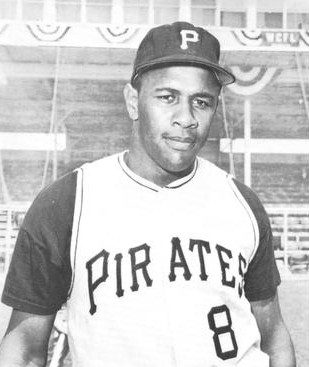
Wilver Dornell Stargell (March 6, 1940 – April 9, 2001), nicknamed "Pops" later in his career, was an American professional baseball left fielder and first baseman who spent all of his 21 seasons in Major League Baseball (MLB) (1962–1982) with the Pittsburgh Pirates. Among the most feared power hitters in baseball history, Stargell had the most home runs (296) of any player in the 1970s decade. During his career, he batted .282 with 2,232 hits, 1,194 runs, 423 doubles, 475 home runs, and 1,540 runs batted in, helping his team win six National League (NL) East division titles, two NL pennants, and two World Series championships in 1971 and 1979, both over the Baltimore Orioles. Stargell was a seven-time All-Star and two-time NL home run leader. In 1979, at the age of 39, he became the first and currently only player to win the NL Most Valuable Player (MVP) Award, the NL Championship Series MVP Award and the World Series MVP Award in one season. In 1982, the Pirates retired his uniform number 8. He was inducted into the Baseball Hall of Fame in 1988 in his first year of eligibility.
Stargell was born in Earlsboro, Oklahoma, but later moved to Florida with an aunt after his parents divorced. Later, he returned to Alameda, California, to live with his mother. He attended Encinal High School, where his baseball teammates included future MLB players Tommy Harper and Curt Motton. Stargell signed with the Pittsburgh Pirates organization and entered minor league baseball in 1959.
Stargell played for farm teams in New Mexico, North Dakota, Iowa, Texas, North Carolina, and Ohio. While on the road with some of those teams, Stargell was not allowed to stay in the same accommodations as the white players. Lodging for black players was located in the poor black areas of those towns. While in Plainview, Texas, he was accosted at gunpoint by a man who threatened his life if he played in that night's game. Stargell played and nothing came of the incident. He might have quit baseball over the racial difficulties that he experienced, but he was encouraged by letters he received from friend and baseball scout Bob Zuk.
Beloved in Pittsburgh for his style of play and affable manner, Stargell hit seven of the 18 balls ever hit over Forbes Field's 86-foot-high right-field stands and several of the upper-tier home runs at its successor, Three Rivers Stadium. Though he became quickly known as Willie Stargell, his autograph suggests that he preferred his given name, Wilver. Biographer Frank Garland relates that Stargell's family and friends called him Wilver and that Dodgers broadcaster Vin Scully also made a point of using Stargell's given name. Scully said that because he used the name Wilver, he became Stargell's mother's favorite broadcaster.
Standing 6 ft 3 in (1.91 m) with long arms and a unique bat-handling practice of holding only the knob of the bat with his lower hand to provide extra bat extension, Stargell seemed larger than most batters. Stargell's swings seemed designed to hit home runs of Ruthian proportions. When most batters used a simple lead-weighted bat in the on-deck circle, Stargell took to warming up with a sledgehammer. While standing in the batter's box, he would windmill his bat until the pitcher started his windup.
Stargell made his MLB debut at the end of the 1962 season at the age of 22. His 1963 rookie season was lackluster, but he enjoyed much more success the following season, his first as an everyday player. Stargell began and ended the season as the Pirates' everyday left-fielder, but spent extended periods playing first base as well. He hit the first home run at Shea Stadium in the first game played in that stadium on April 17, 1964. He made his first of seven trips to the All-Star Game that year. He returned to the All-Star Game the next two seasons, recording over 100 runs batted in (RBIs) in both years, and finishing respectively 14th and 15th in MVP voting. He won the first of the three NL Player of the Month awards of his career in June 1965 (.330, 10 HRs, 35 RBIs).
Frequent offseason conditioning problems came to a head in 1967, when Stargell showed up to spring training at a weight of 235 pounds. The team mandated that he diet to get down to a weight of 215 pounds. His batting average dropped more than 40 points that season from .315 in 1966 to .271 in 1967; his home run total was reduced from 33 in 1966 to 20 in 1967. The team had a personal trainer work with Stargell before the 1968 season to get him in the best shape of his career, but Stargell had a poor season and manager Larry Shepard criticized Stargell's physique as too muscular. He finished out the decade with a strong performance in 1969 (.307, 29 HRs, 92 RBIs), and finished 21st in MVP voting.
Stargell enjoyed another fine season in 1970, batting .264 with 31 home runs and 85 RBIs and finishing 15th in MVP voting. On August 1 of that year, Stargell collected five extra-base hits—three doubles and two home runs—in the Pirates' 20–10 victory over the Atlanta Braves at Fulton County Stadium. He became the third player, after Lou Boudreau in 1946 and Joe Adcock in 1954, to collect five extra-base hits in one game. The game was a Saturday Game of the Week on network television, and ironically the trivia question during the broadcast was “Who are the two players with five extra-base hits in one game?” Stargell became the third in that very game. In the same game, teammate Bob Robertson also collected five hits, including a home run; not until Andrew McCutchen and Garrett Jones in 2012 would two Pirates collect five hits in the same game. The 1970 Pirates won the National League East title for their first postseason berth since winning the 1960 World Series. They were swept in that year's NLCS by the Cincinnati Reds, but not before Stargell collected six hits in 12 at-bats, the most hits by either team in this series.
Willie Stargell
Wilver Dornell Stargell (March 6, 1940 – April 9, 2001), nicknamed "Pops" later in his career, was an American professional baseball left fielder and first baseman who spent all of his 21 seasons in Major League Baseball (MLB) (1962–1982) with the Pittsburgh Pirates. Among the most feared power hitters in baseball history, Stargell had the most home runs (296) of any player in the 1970s decade. During his career, he batted .282 with 2,232 hits, 1,194 runs, 423 doubles, 475 home runs, and 1,540 runs batted in, helping his team win six National League (NL) East division titles, two NL pennants, and two World Series championships in 1971 and 1979, both over the Baltimore Orioles. Stargell was a seven-time All-Star and two-time NL home run leader. In 1979, at the age of 39, he became the first and currently only player to win the NL Most Valuable Player (MVP) Award, the NL Championship Series MVP Award and the World Series MVP Award in one season. In 1982, the Pirates retired his uniform number 8. He was inducted into the Baseball Hall of Fame in 1988 in his first year of eligibility.
Stargell was born in Earlsboro, Oklahoma, but later moved to Florida with an aunt after his parents divorced. Later, he returned to Alameda, California, to live with his mother. He attended Encinal High School, where his baseball teammates included future MLB players Tommy Harper and Curt Motton. Stargell signed with the Pittsburgh Pirates organization and entered minor league baseball in 1959.
Stargell played for farm teams in New Mexico, North Dakota, Iowa, Texas, North Carolina, and Ohio. While on the road with some of those teams, Stargell was not allowed to stay in the same accommodations as the white players. Lodging for black players was located in the poor black areas of those towns. While in Plainview, Texas, he was accosted at gunpoint by a man who threatened his life if he played in that night's game. Stargell played and nothing came of the incident. He might have quit baseball over the racial difficulties that he experienced, but he was encouraged by letters he received from friend and baseball scout Bob Zuk.
Beloved in Pittsburgh for his style of play and affable manner, Stargell hit seven of the 18 balls ever hit over Forbes Field's 86-foot-high right-field stands and several of the upper-tier home runs at its successor, Three Rivers Stadium. Though he became quickly known as Willie Stargell, his autograph suggests that he preferred his given name, Wilver. Biographer Frank Garland relates that Stargell's family and friends called him Wilver and that Dodgers broadcaster Vin Scully also made a point of using Stargell's given name. Scully said that because he used the name Wilver, he became Stargell's mother's favorite broadcaster.
Standing 6 ft 3 in (1.91 m) with long arms and a unique bat-handling practice of holding only the knob of the bat with his lower hand to provide extra bat extension, Stargell seemed larger than most batters. Stargell's swings seemed designed to hit home runs of Ruthian proportions. When most batters used a simple lead-weighted bat in the on-deck circle, Stargell took to warming up with a sledgehammer. While standing in the batter's box, he would windmill his bat until the pitcher started his windup.
Stargell made his MLB debut at the end of the 1962 season at the age of 22. His 1963 rookie season was lackluster, but he enjoyed much more success the following season, his first as an everyday player. Stargell began and ended the season as the Pirates' everyday left-fielder, but spent extended periods playing first base as well. He hit the first home run at Shea Stadium in the first game played in that stadium on April 17, 1964. He made his first of seven trips to the All-Star Game that year. He returned to the All-Star Game the next two seasons, recording over 100 runs batted in (RBIs) in both years, and finishing respectively 14th and 15th in MVP voting. He won the first of the three NL Player of the Month awards of his career in June 1965 (.330, 10 HRs, 35 RBIs).
Frequent offseason conditioning problems came to a head in 1967, when Stargell showed up to spring training at a weight of 235 pounds. The team mandated that he diet to get down to a weight of 215 pounds. His batting average dropped more than 40 points that season from .315 in 1966 to .271 in 1967; his home run total was reduced from 33 in 1966 to 20 in 1967. The team had a personal trainer work with Stargell before the 1968 season to get him in the best shape of his career, but Stargell had a poor season and manager Larry Shepard criticized Stargell's physique as too muscular. He finished out the decade with a strong performance in 1969 (.307, 29 HRs, 92 RBIs), and finished 21st in MVP voting.
Stargell enjoyed another fine season in 1970, batting .264 with 31 home runs and 85 RBIs and finishing 15th in MVP voting. On August 1 of that year, Stargell collected five extra-base hits—three doubles and two home runs—in the Pirates' 20–10 victory over the Atlanta Braves at Fulton County Stadium. He became the third player, after Lou Boudreau in 1946 and Joe Adcock in 1954, to collect five extra-base hits in one game. The game was a Saturday Game of the Week on network television, and ironically the trivia question during the broadcast was “Who are the two players with five extra-base hits in one game?” Stargell became the third in that very game. In the same game, teammate Bob Robertson also collected five hits, including a home run; not until Andrew McCutchen and Garrett Jones in 2012 would two Pirates collect five hits in the same game. The 1970 Pirates won the National League East title for their first postseason berth since winning the 1960 World Series. They were swept in that year's NLCS by the Cincinnati Reds, but not before Stargell collected six hits in 12 at-bats, the most hits by either team in this series.
Recent media
Recent media