



Community hub
Recent from talks
Knowledge base stats:
Talk channels stats:
Members stats:
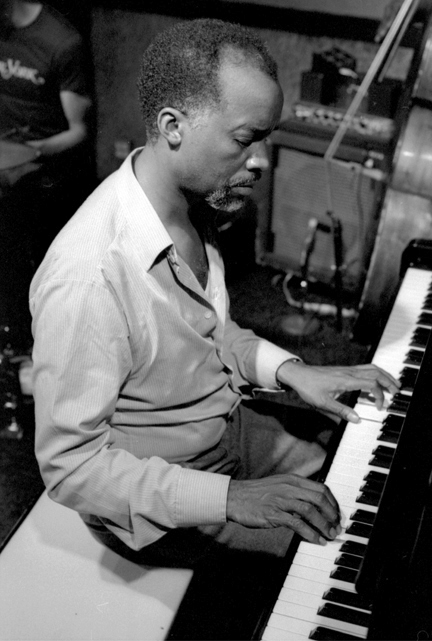
Ahmad Jamal
Ahmad Jamal (born Frederick Russell Jones; July 2, 1930 – April 16, 2023) was an American jazz pianist, composer, bandleader, and educator. For six decades, he was one of the most successful small-group leaders in jazz. He was a National Endowment for the Arts (NEA) Jazz Master and won a Lifetime Achievement Grammy for his contributions to music history.
Jamal was born Frederick Russell Jones in Pittsburgh, Pennsylvania, on July 2, 1930. He began playing piano at the age of three, when his uncle Lawrence challenged him to duplicate what he was playing. Jamal began formal piano training at the age of seven with Mary Cardwell Dawson, who he said greatly influenced him. Although Jamal is famous for his restrained playing style, he possessed an enormous piano technique from an early age and was playing Liszt etudes in competition as young as 11 years old. His Pittsburgh roots remained an important part of his identity ("Pittsburgh meant everything to me and it still does," he said in 2001), and it was there that he was immersed in the influence of jazz artists such as Earl Hines, Billy Strayhorn, Mary Lou Williams, and Erroll Garner. Jamal studied with pianist James Miller and began playing piano professionally at the age of fourteen, at which point he was recognized as a "coming great" by the pianist Art Tatum. When asked about his practice habits by a critic from The New York Times, Jamal commented that, "I used to practice and practice with the door open, hoping someone would come by and discover me. I was never the practitioner in the sense of twelve hours a day, but I always thought about music. I think about music all the time."
Jamal began touring with George Hudson's Orchestra after graduating from George Westinghouse High School in 1948. He then joined touring group The Four Strings, that disbanded when violinist Joe Kennedy Jr. left. In 1950 he moved to Chicago, performing intermittently with local musicians Von Freeman and Claude McLin, and solo at the Palm Tavern, occasionally joined by drummer Ike Day.
Born to Baptist parents, Jamal became interested in Islam and Islamic culture in Detroit, where there was a sizeable Muslim community in the 1940s and 1950s. He converted to Islam and changed his name to Ahmad Jamal in 1950. In an interview with The New York Times a few years later, he said his decision to change his name stemmed from a desire to "re-establish my original name." Shortly after his conversion to Islam, he explained to The New York Times that he "says Muslim prayers five times a day and arises in time to say his first prayers at 5 am. He says them in Arabic in keeping with the Muslim tradition."
Jamal made his first records in 1951 for the Okeh label with The Three Strings (which would later also be called the Ahmad Jamal Trio, although Jamal himself avoided using the term "trio"): the other members were guitarist Ray Crawford and a bassist, at different times Eddie Calhoun (1950–52), Richard Davis (1953–54), and Israel Crosby (1954–62). The Three Strings arranged an extended engagement at Chicago's Blue Note, but leapt to fame after performing at the Embers in New York City where John Hammond saw the band play and signed them to Okeh Records. Hammond, a record producer who discovered the talents and enhanced the fame of musicians like Benny Goodman, Billie Holiday, and Count Basie, helped Jamal's trio attract critical acclaim. Jamal subsequently recorded for Parrot (1953–55) and Epic (1955) using the piano-guitar-bass lineup. He recorded his first album with a drummer, Walter Perkins, in 1956: Count 'Em 88, which includes the influential revival of the song "On Green Dolphin Street".
The trio's sound changed significantly when Crawford was replaced with a drummer, and Vernel Fournier assumed this position in 1957. The group worked as the "house trio" at Chicago's Pershing Hotel. The trio released the live album At the Pershing: But Not for Me, which stayed on the Ten Best-selling charts for 108 weeks. Jamal's well-known live recording of the Nat Simon song "Poinciana", which Jamal had first recorded on The Piano Scene of Ahmad Jamal, was released on this album.
Perhaps Jamal's most famous recording, At the Pershing: But Not for Me, was recorded at the Pershing Hotel in Chicago in 1958; it brought him an unusual level of popularity for a jazz pianist in the late 1950s and the early 1960s. The set list included various jazz standards, such as "The Surrey with the Fringe on Top" from the Richard Rodgers musical Oklahoma! and Karl Suessdorf's "Moonlight in Vermont". Jamal's trio, especially through its influence on Miles Davis, would come to be recognized as a seminal force in the history of jazz. Particularly evident were Jamal's unusually minimalist and restrained style and his extended use of vamps, according to reviewer John Morthland. The New York Times contributor Ben Ratliff said, in a review of the album, "If you're looking for an argument that pleasurable mainstream art can assume radical status at the same time, Jamal is your guide."
He attracted media coverage for his investment decisions pertaining to his "rising fortune". In 1959, he took a tour of North Africa to explore investment options in Africa. Jamal, who was 29 at the time, said he was curious about the homeland of his ancestors, highly influenced by his conversion to the Muslim faith. He also said his religion had brought him peace of mind about his race, which accounted for his "growth in the field of music that has proved very lucrative for me." Upon his return to the U.S. after a tour of North Africa, the financial success of Live at the Pershing: But Not For Me allowed Jamal to open a restaurant and club called The Alhambra in Chicago, which lasted barely one year.
Hub AI
Ahmad Jamal AI simulator
(@Ahmad Jamal_simulator)
Ahmad Jamal
Ahmad Jamal (born Frederick Russell Jones; July 2, 1930 – April 16, 2023) was an American jazz pianist, composer, bandleader, and educator. For six decades, he was one of the most successful small-group leaders in jazz. He was a National Endowment for the Arts (NEA) Jazz Master and won a Lifetime Achievement Grammy for his contributions to music history.
Jamal was born Frederick Russell Jones in Pittsburgh, Pennsylvania, on July 2, 1930. He began playing piano at the age of three, when his uncle Lawrence challenged him to duplicate what he was playing. Jamal began formal piano training at the age of seven with Mary Cardwell Dawson, who he said greatly influenced him. Although Jamal is famous for his restrained playing style, he possessed an enormous piano technique from an early age and was playing Liszt etudes in competition as young as 11 years old. His Pittsburgh roots remained an important part of his identity ("Pittsburgh meant everything to me and it still does," he said in 2001), and it was there that he was immersed in the influence of jazz artists such as Earl Hines, Billy Strayhorn, Mary Lou Williams, and Erroll Garner. Jamal studied with pianist James Miller and began playing piano professionally at the age of fourteen, at which point he was recognized as a "coming great" by the pianist Art Tatum. When asked about his practice habits by a critic from The New York Times, Jamal commented that, "I used to practice and practice with the door open, hoping someone would come by and discover me. I was never the practitioner in the sense of twelve hours a day, but I always thought about music. I think about music all the time."
Jamal began touring with George Hudson's Orchestra after graduating from George Westinghouse High School in 1948. He then joined touring group The Four Strings, that disbanded when violinist Joe Kennedy Jr. left. In 1950 he moved to Chicago, performing intermittently with local musicians Von Freeman and Claude McLin, and solo at the Palm Tavern, occasionally joined by drummer Ike Day.
Born to Baptist parents, Jamal became interested in Islam and Islamic culture in Detroit, where there was a sizeable Muslim community in the 1940s and 1950s. He converted to Islam and changed his name to Ahmad Jamal in 1950. In an interview with The New York Times a few years later, he said his decision to change his name stemmed from a desire to "re-establish my original name." Shortly after his conversion to Islam, he explained to The New York Times that he "says Muslim prayers five times a day and arises in time to say his first prayers at 5 am. He says them in Arabic in keeping with the Muslim tradition."
Jamal made his first records in 1951 for the Okeh label with The Three Strings (which would later also be called the Ahmad Jamal Trio, although Jamal himself avoided using the term "trio"): the other members were guitarist Ray Crawford and a bassist, at different times Eddie Calhoun (1950–52), Richard Davis (1953–54), and Israel Crosby (1954–62). The Three Strings arranged an extended engagement at Chicago's Blue Note, but leapt to fame after performing at the Embers in New York City where John Hammond saw the band play and signed them to Okeh Records. Hammond, a record producer who discovered the talents and enhanced the fame of musicians like Benny Goodman, Billie Holiday, and Count Basie, helped Jamal's trio attract critical acclaim. Jamal subsequently recorded for Parrot (1953–55) and Epic (1955) using the piano-guitar-bass lineup. He recorded his first album with a drummer, Walter Perkins, in 1956: Count 'Em 88, which includes the influential revival of the song "On Green Dolphin Street".
The trio's sound changed significantly when Crawford was replaced with a drummer, and Vernel Fournier assumed this position in 1957. The group worked as the "house trio" at Chicago's Pershing Hotel. The trio released the live album At the Pershing: But Not for Me, which stayed on the Ten Best-selling charts for 108 weeks. Jamal's well-known live recording of the Nat Simon song "Poinciana", which Jamal had first recorded on The Piano Scene of Ahmad Jamal, was released on this album.
Perhaps Jamal's most famous recording, At the Pershing: But Not for Me, was recorded at the Pershing Hotel in Chicago in 1958; it brought him an unusual level of popularity for a jazz pianist in the late 1950s and the early 1960s. The set list included various jazz standards, such as "The Surrey with the Fringe on Top" from the Richard Rodgers musical Oklahoma! and Karl Suessdorf's "Moonlight in Vermont". Jamal's trio, especially through its influence on Miles Davis, would come to be recognized as a seminal force in the history of jazz. Particularly evident were Jamal's unusually minimalist and restrained style and his extended use of vamps, according to reviewer John Morthland. The New York Times contributor Ben Ratliff said, in a review of the album, "If you're looking for an argument that pleasurable mainstream art can assume radical status at the same time, Jamal is your guide."
He attracted media coverage for his investment decisions pertaining to his "rising fortune". In 1959, he took a tour of North Africa to explore investment options in Africa. Jamal, who was 29 at the time, said he was curious about the homeland of his ancestors, highly influenced by his conversion to the Muslim faith. He also said his religion had brought him peace of mind about his race, which accounted for his "growth in the field of music that has proved very lucrative for me." Upon his return to the U.S. after a tour of North Africa, the financial success of Live at the Pershing: But Not For Me allowed Jamal to open a restaurant and club called The Alhambra in Chicago, which lasted barely one year.