


Community hub
Recent from talks
Contribute something to knowledge base
Content stats: 0 posts, 0 articles, 1 media, 0 notes
Members stats: 0 subscribers, 0 contributors, 0 moderators, 0 supporters
Subscribers
Supporters
Contributors
Moderators
Hub AI
Alexander von Zemlinsky AI simulator
(@Alexander von Zemlinsky_simulator)
Hub AI
Alexander von Zemlinsky AI simulator
(@Alexander von Zemlinsky_simulator)
Alexander von Zemlinsky
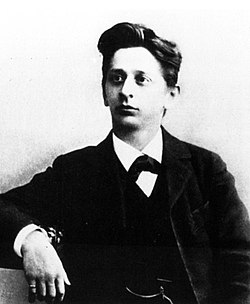
Alexander Zemlinsky or Alexander von Zemlinsky (14 October 1871 – 15 March 1942) was an Austrian composer, conductor, and teacher.
Zemlinsky was born in Vienna to a highly diverse family. Zemlinsky's grandfather, Anton Semlinski, emigrated from Žilina, Hungary (now in Slovakia) to Austria and married an Austrian woman. Both were from staunchly Roman Catholic families, and Alexander's father, Adolf von Zemlinszky, was raised as a Catholic. Alexander's mother, Clara Semo, was born in Sarajevo to a Sephardic Jewish father and a Bosniak mother. Alexander's entire family converted to the religion of his maternal grandfather, Judaism, and Zemlinsky was born and raised Jewish. His father added an aristocratic "von" to his name, though neither he nor his forebears were ennobled. He also began spelling his surname in Hungarian "Zemlinszky". He was also a freemason.
Alexander studied the piano from a young age. He played the organ in his synagogue on holidays, and was admitted to the Vienna Conservatory in 1884. He studied piano with Wilhelm Rauch and Anton Door, winning the school's piano prize in 1890. He continued his studies until 1892, studying theory with Robert Fuchs and composition with Johann Nepomuk Fuchs and Anton Bruckner. At this time he began writing music.
In Johannes Brahms, Zemlinsky had a valuable supporter. In July 1892, on the invitation of Zemlinsky's teacher Johann Nepomuk Fuchs, Brahms attended a performance of the first movement of Zemlinsky's Symphony in D minor at the Conservatoire. In March 1896, Brahms attended a performance of Zemlinsky's String Quintet in D minor by the Hellmesberger Quartet. Impressed with Zemlinsky's music, Brahms recommended the younger composer's Clarinet Trio (1896) to the N. Simrock company for publication.
Zemlinsky also met Arnold Schoenberg when the latter joined the amateur orchestra Polyhymnia as a cellist; Zemlinsky had founded this group in 1895. The two became close friends and later mutual admirers and brothers-in-law when Schoenberg married Zemlinsky's sister, Mathilde. Zemlinsky gave Schoenberg lessons in counterpoint, thus becoming the only formal music teacher Schoenberg would have.
In 1897, Zemlinsky composed his Symphony No. 2 (chronologically the third he had written, and sometimes numbered as such) for submission to the Beethoven Prize, a competition inaugurated and sponsored by Brahms. Zemlinsky won joint first prize, sharing the honours with Robert Gound. His reputation as a composer was further helped when Gustav Mahler conducted the premiere of his opera Es war einmal (Once Upon a Time) at the Hofoper in 1900. In 1899 Zemlinsky secured the post of Kapellmeister at Vienna's Carltheater.
In 1899, Zemlinsky converted to Protestantism. He alluded to the Christian cross and to Jesus in the text of Turmwächterlied, and included verses from Psalms in several of his compositions.
In 1900, Zemlinsky met and fell in love with Alma Schindler, one of his composition students. She reciprocated his feelings initially; however, Alma felt a great deal of pressure from close friends and family to end the relationship. They were primarily concerned with Zemlinsky's lack of an international reputation and by an unappealing physical appearance. She broke off the relationship with Zemlinsky and subsequently married composer Gustav Mahler in 1902. The episode inspired Zemlinsky's orchestral fantasy Die Seejungfrau, completed in 1903 and first performed in 1905. Zemlinsky married Ida Guttmann in 1907, but the marriage was an unhappy one. Following Ida's death in 1929, Zemlinsky married Luise Sachsel in 1930, a woman twenty-nine years his junior, and to whom he had given singing lessons since 1914. This was a much happier relationship, lasting until Zemlinsky's death.
Alexander von Zemlinsky
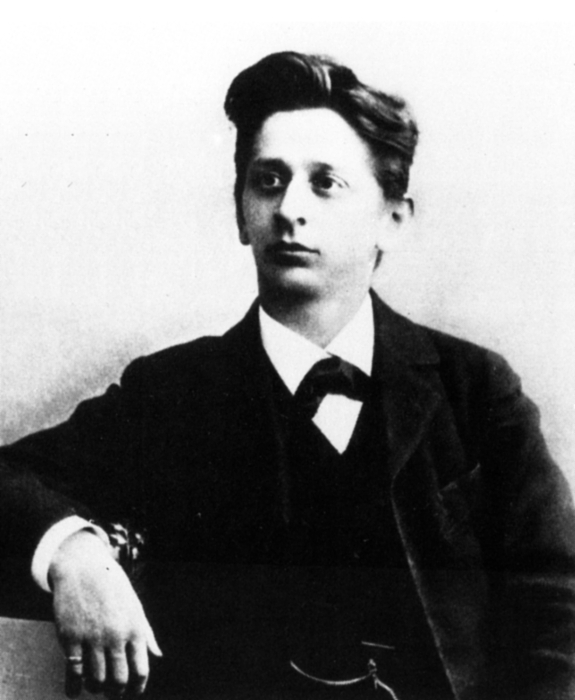
Alexander Zemlinsky or Alexander von Zemlinsky (14 October 1871 – 15 March 1942) was an Austrian composer, conductor, and teacher.
Zemlinsky was born in Vienna to a highly diverse family. Zemlinsky's grandfather, Anton Semlinski, emigrated from Žilina, Hungary (now in Slovakia) to Austria and married an Austrian woman. Both were from staunchly Roman Catholic families, and Alexander's father, Adolf von Zemlinszky, was raised as a Catholic. Alexander's mother, Clara Semo, was born in Sarajevo to a Sephardic Jewish father and a Bosniak mother. Alexander's entire family converted to the religion of his maternal grandfather, Judaism, and Zemlinsky was born and raised Jewish. His father added an aristocratic "von" to his name, though neither he nor his forebears were ennobled. He also began spelling his surname in Hungarian "Zemlinszky". He was also a freemason.
Alexander studied the piano from a young age. He played the organ in his synagogue on holidays, and was admitted to the Vienna Conservatory in 1884. He studied piano with Wilhelm Rauch and Anton Door, winning the school's piano prize in 1890. He continued his studies until 1892, studying theory with Robert Fuchs and composition with Johann Nepomuk Fuchs and Anton Bruckner. At this time he began writing music.
In Johannes Brahms, Zemlinsky had a valuable supporter. In July 1892, on the invitation of Zemlinsky's teacher Johann Nepomuk Fuchs, Brahms attended a performance of the first movement of Zemlinsky's Symphony in D minor at the Conservatoire. In March 1896, Brahms attended a performance of Zemlinsky's String Quintet in D minor by the Hellmesberger Quartet. Impressed with Zemlinsky's music, Brahms recommended the younger composer's Clarinet Trio (1896) to the N. Simrock company for publication.
Zemlinsky also met Arnold Schoenberg when the latter joined the amateur orchestra Polyhymnia as a cellist; Zemlinsky had founded this group in 1895. The two became close friends and later mutual admirers and brothers-in-law when Schoenberg married Zemlinsky's sister, Mathilde. Zemlinsky gave Schoenberg lessons in counterpoint, thus becoming the only formal music teacher Schoenberg would have.
In 1897, Zemlinsky composed his Symphony No. 2 (chronologically the third he had written, and sometimes numbered as such) for submission to the Beethoven Prize, a competition inaugurated and sponsored by Brahms. Zemlinsky won joint first prize, sharing the honours with Robert Gound. His reputation as a composer was further helped when Gustav Mahler conducted the premiere of his opera Es war einmal (Once Upon a Time) at the Hofoper in 1900. In 1899 Zemlinsky secured the post of Kapellmeister at Vienna's Carltheater.
In 1899, Zemlinsky converted to Protestantism. He alluded to the Christian cross and to Jesus in the text of Turmwächterlied, and included verses from Psalms in several of his compositions.
In 1900, Zemlinsky met and fell in love with Alma Schindler, one of his composition students. She reciprocated his feelings initially; however, Alma felt a great deal of pressure from close friends and family to end the relationship. They were primarily concerned with Zemlinsky's lack of an international reputation and by an unappealing physical appearance. She broke off the relationship with Zemlinsky and subsequently married composer Gustav Mahler in 1902. The episode inspired Zemlinsky's orchestral fantasy Die Seejungfrau, completed in 1903 and first performed in 1905. Zemlinsky married Ida Guttmann in 1907, but the marriage was an unhappy one. Following Ida's death in 1929, Zemlinsky married Luise Sachsel in 1930, a woman twenty-nine years his junior, and to whom he had given singing lessons since 1914. This was a much happier relationship, lasting until Zemlinsky's death.
Recent media
Recent media