



Community hub
Austin State Hospital
View on Wikipedia
Austin State Hospital | |
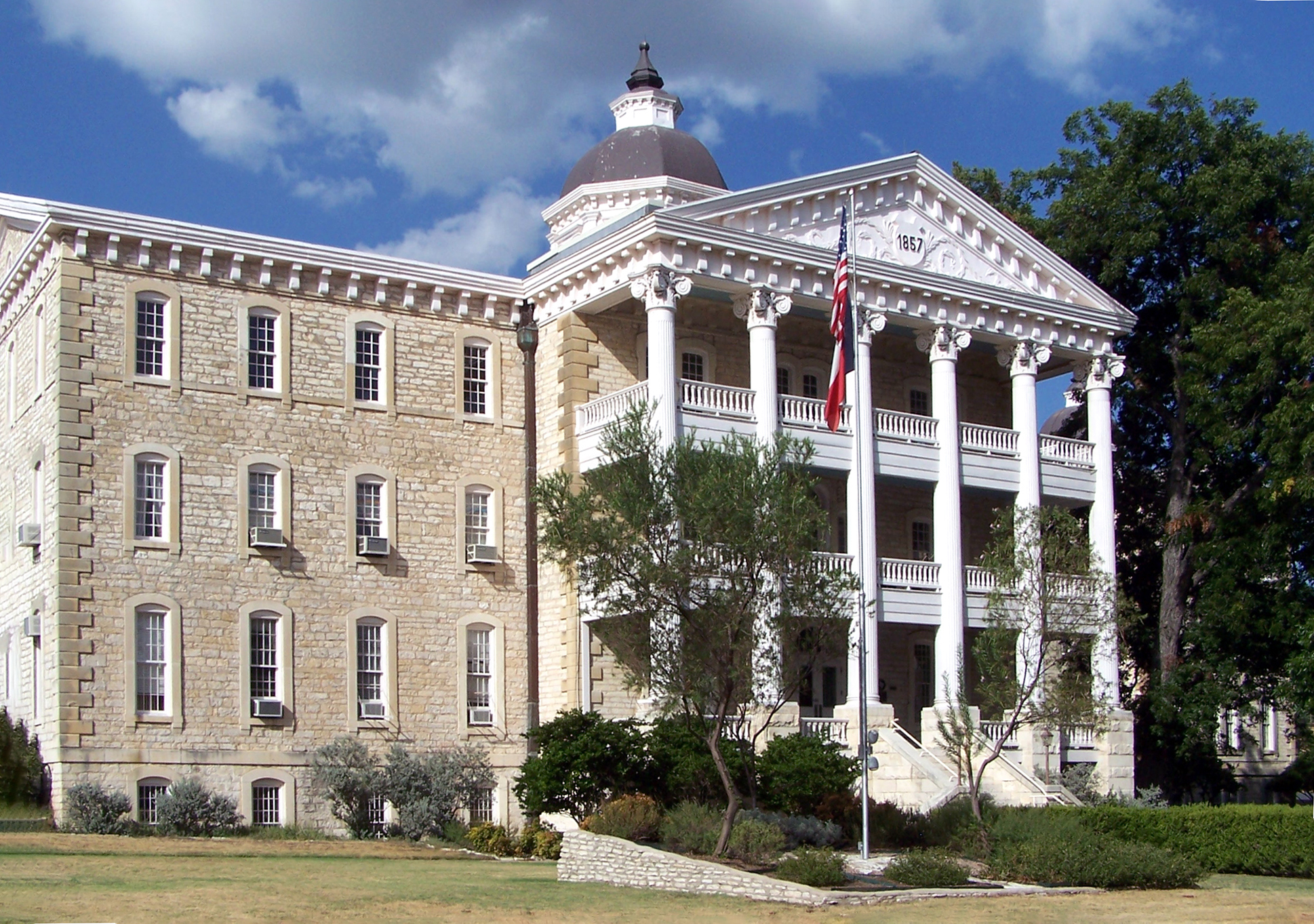
 The former State Lunatic Asylum is now the administration building for the Austin State Hospital campus. | |
| Location | 4110 Guadalupe Austin, Texas, USA |
|---|---|
| Coordinates | 30°18′26.64″N 97°44′13.92″W / 30.3074000°N 97.7372000°W |
| Built | 1857[1] |
| Architect | Charles Payne |
| Architectural style | Classical Revival |
| NRHP reference No. | 87002115 |
| RTHL No. | 15648 |
| TSAL No. | 598 |
| Significant dates | |
| Added to NRHP | December 4, 1987 |
| Designated RTHL | 1966 |
| Designated TSAL | 7/20/1999 |
Austin State Hospital (ASH), formerly known until 1925 as the Texas State Lunatic Asylum, is a 240-bed psychiatric hospital located in Austin, Texas. It is the oldest psychiatric facility in the state of Texas, and the oldest continuously operating west of the Mississippi River.[2] It is operated by the Texas Health and Human Services Commission.[3]
Services
[edit]Austin State hospital offers psychiatric services for children, adolescents, and adults. These individuals may be struggling with one or more challenges within a broad range of mental illnesses and developmental or intellectual disabilities.[4] This hospital offers acute, short-term care in the form of crisis stabilization with the goal of reintegration into society and the transition to long-term outpatient care.[5]
History
[edit]Establishment and early years
[edit]The Texas State Lunatic Asylum was chartered by the Texas Legislature on August 28, 1856. The Act set aside $50,000 in U.S. bonds for the construction of a suitable building. The Governor was authorized to appoint a commission of three men to select a site of between 50 and 100 acres for the asylum, and to appoint a physician to serve as Superintendent at a salary of $2,000 per year and $10,000 in U.S. bonds was set aside for operations of the facility.[6] Gov. Elisha M. Pease appointed Dr. J. C. Perry as the first Superintendent on May 27, 1857.[7] He was replaced by Dr. C. G. Keenan on February 13, 1858.[7]
Sam Houston was elected governor in 1859 and appointed Dr. Beriah Graham as Superintendent on January 9, 1860.[7] It was during Dr. Graham's tenure that the Main Building was completed and opened for patients on March 11, 1861.[7] Five days later, Gov. Houston resigned, and his successor, Gov. Edward Clark, re-appointed Dr. Keenan. Dr. Keenan served for about seven months until a new governor was elected later that year.
Gov. Francis Lubbock appointed Dr. J. M. Steiner as Superintendent on November 1, 1861.[7]
1900s
[edit]At the beginning of the 20th century, patients began to work on nearby farms during harvest season as part of their daily tasks to establish a sense of routine and serve as free labor for local farmers.[8]
In 1925, the name of the facility changed from the Texas State Lunatic Asylum to the Austin State Hospital to reflect developing attitudes surrounding mental health care at the time.[9]
By the 1950s, the hospital had made several recreational activities available to their patients. Residents played sports and were able to attend movie nights, dances, and religious services.[8]
Between 1958 and 1965, the hospital gradually desegregated all of their admissions process and services by gender and race.[8]
The daily average population of patients peaked in 1968 at approximately 3,313. By 1990, the daily average had dropped to 518 patients.[8]
In 1993, operation of the hospital was transferred to the Texas Department of Mental Health and Mental Retardation.[8]
Present day
[edit]Building renovations
[edit]Since 2015, the Texas Health and Human Services Commission and Dell Medical School at The University of Texas at Austin have been collaborating to improve conditions at the Austin State Hospital by organizing committees of regional stakeholders and working to focus operational budgets to secure the highest and most personal levels of care.[10]
As a response to this influence and to an increasing demand for comprehensive mental health services due to complications caused by the COVID-19 pandemic, the Texas Legislature approved $745 million for the renovation and improvement of Texas psychiatric facilities in the 85th and 86th Legislative sessions.[10] The Old Main Building, a portion of the original institution, remains intact as a Texas Historic Landmark.[11]
As of March 2022, the newly renovated facility covers 375,000 square feet and contains 240 private patient bedrooms.[12]
Support organizations
[edit] |
Austin State Hospital's Volunteer Services Council (VSC) is a 501(c)(3) corporation. The VSC conducts fundraiser and donation programs and helps build community awareness about mental illness and the role of Austin State Hospital in the treatment of mental illness.
Gallery
[edit]-
 Entrance to the Austin State Hospital, at 4110 Guadalupe Street
 -
 Front entrance of the new Austin State Hospital building 801, completed in 2024
 -
 Another view of the front entrance of 801
 -
 The bell tower of the All Faiths Chapel on the ASH campus.
 -
 Entrance of building 794 (the Specialty Services unit), no longer in use.


References
[edit]- ^ "ASH History | Texas Health and Human Services". hhs.texas.gov. Retrieved June 14, 2023.
- ^ "Project Will Help Preserve Aging Austin State Hospital Records | Texas Health and Human Services". hhs.texas.gov. Retrieved June 14, 2023.
- ^ "State Hospitals | Texas Health and Human Services". hhs.texas.gov. Retrieved June 14, 2023.
- ^ "Austin State Hospital | Texas Health and Human Services". www.hhs.texas.gov. Retrieved May 11, 2022.
- ^ "Austin State Hospital - Austin State Hospital". Mental Health TX. Retrieved May 11, 2022.
- ^ "Texas Lunatic Asylum". Texas State Gazette. November 22, 1856.
- ^ a b c d e Clay, W. J. (1904). Statistical Report 1904. Austin, Texas: Von Boeckmann-Jones. p. 190.
- ^ a b c d e "TSHA | Austin State Hospital". www.tshaonline.org. Retrieved May 11, 2022.
- ^ Richardson, Todd. "Muffled Voices of the Past: History, Mental Health, and HIPAA" (PDF). Intersect: Perspectives in Texas Public History: 27–35.
- ^ a b "ASH Brain Health System Redesign". ASH Brain Health System Redesign. Retrieved May 11, 2022.
- ^ Villalpando, Nicole. "University of Texas' Hogg Foundation funding preservation of Austin State Hospital records". Austin American-Statesman. Retrieved May 11, 2022.
- ^ "Austin's new psychiatric hospital: Which problems it'll help, which ones it won't". KXAN Austin. March 24, 2022. Retrieved May 11, 2022.
External links
[edit]

- Austin State Hospital[1]
- Austin State Hospital from the Handbook of Texas Online
- Disability History in Texas
- Austin State Hospital Volunteer Services Council
- Austin State Hospital Cemeteries Index
- Asylum Projects info
| International | |
|---|---|
| National | |
| Other | |

Austin State Hospital
View on GrokipediaOverview
Establishment and Basic Facts
The Austin State Hospital (ASH), originally designated as the State Lunatic Asylum, was established by an act of the Sixth Texas Legislature on November 15, 1856, marking the creation of the state's first public institution dedicated to the care of individuals with mental illnesses.[5] Construction of the facility commenced in 1857 on an 80-acre site in Austin, selected for its proximity to water sources and potential for self-sufficiency through farming and ventilation design.[5] Operations began in May 1861 under superintendent Dr. Beriah Graham, who admitted the first 12 patients, with the institution emphasizing custodial care in an era when psychiatric treatment was rudimentary and often custodial rather than therapeutic.[5][9] As Texas's oldest continuously operating psychiatric hospital, ASH serves as a state-operated inpatient facility under the Texas Health and Human Services Commission (HHSC), providing acute psychiatric care primarily for adults via civil commitment, though it also accommodates adolescents, forensic patients undergoing competency restoration, and those with co-occurring intellectual or developmental disabilities.[1] Located at 4110 Guadalupe Street in Austin, the hospital maintains a current licensed capacity of 240 beds across its modernized campus, following the completion of a $305 million replacement facility in 2024 that consolidated services from aging structures.[1][7] Patient admissions typically involve short- to medium-term stays, ranging from days to months, focused on stabilization rather than long-term institutionalization.[1]Governance and Administration
The Austin State Hospital (ASH) is operated and overseen by the Texas Health and Human Services Commission (HHSC), the state agency responsible for managing Texas's ten state psychiatric hospitals as part of its mental health and substance use services division.[1][10] HHSC ensures operational compliance with state statutes governing inpatient psychiatric care, including licensing, regulatory standards for patient safety, and coordination with local mental health authorities for admissions and discharges.[11] The hospital's administration reports hierarchically within HHSC's structure, ultimately accountable to the agency's Executive Commissioner, Cecile Erwin Young, who directs policy and resource allocation across state facilities.[12] Stacey Thompson serves as ASH's superintendent and chief executive officer, overseeing daily operations, staff management, and service delivery for its 240-bed capacity.[13][14] Supported by an executive assistant, Kathy Litaker, the administrative team handles budgeting, personnel, and inter-agency collaborations, such as partnerships with Dell Medical School for enhanced treatment protocols.[13][15] HHSC's oversight includes periodic audits and performance metrics to align ASH with statewide goals for competency restoration and forensic services, reflecting legislative mandates for evidence-based psychiatric interventions.[8] Funding for ASH derives primarily from Texas state general revenue appropriations, supplemented by federal reimbursements through Medicaid for eligible patients.[8] Recent allocations, including a $305 million investment completed in 2024 for a new facility on the existing campus, underscore HHSC's role in capital improvements driven by legislative priorities to modernize infrastructure amid rising demand for inpatient beds.[6][7] Administrative decisions on resource distribution prioritize forensic and civil commitments, with HHSC enforcing accountability through standardized reporting on occupancy rates and treatment outcomes.[1]Services and Programs
Inpatient Psychiatric Care
The Austin State Hospital provides inpatient psychiatric care for adults, children, adolescents, and individuals with specialized needs such as older adults or intellectual/developmental disabilities in central Texas.[1] This care targets acute psychiatric illnesses, focusing on stabilization to enable safe discharge and transition to community-based recovery.[1] Lengths of stay vary from several days for short-term crises to a few months for more complex cases requiring extended intervention.[1] The 2024 replacement facility features 240 single-occupancy rooms designed for enhanced privacy and security, alongside common activity areas, outdoor courtyards, and natural lighting to support therapeutic recovery environments.[6] These elements aim to improve patient outcomes in behavioral health treatment amid Texas's statewide overhaul of psychiatric infrastructure, which includes over $2.5 billion invested since 2017 to modernize state hospitals and expand capacity.[7] Inpatient services emphasize compassionate, evidence-based stabilization, addressing crises that community resources cannot safely manage.[1]Forensic and Competency Restoration Services
The Austin State Hospital (ASH) delivers inpatient forensic competency restoration services to individuals, primarily adults and adolescents, who have been judicially determined incompetent to stand trial due to severe mental illness. These services focus on restoring the patient's capacity to comprehend legal proceedings and effectively participate in their defense, in accordance with Texas statutes governing incompetency evaluations and treatment.[1] Treatment modalities include psychotropic medications, individual and group psychotherapy, and structured competency education classes covering court processes, roles of legal participants, and plea options.[16] ASH's forensic programs integrate moderate-security protocols for adolescent patients, emphasizing stabilization and restoration prior to potential return to community or jail settings. As of fiscal year 2018, the hospital maintained operational capacity supporting these services within its broader 252-bed inpatient framework, though specific forensic bed allocations are not publicly delineated. Forensic admissions originate from county jails and courts across ASH's service catchment area, where daily waitlists for such care averaged approximately 95 individuals, reflecting broader system pressures on forensic pathways.[17][18] In addition to restoration, ASH contracts specialized forensic psychology services for competency and violence risk assessments, ensuring evaluations align with legal standards for not guilty by reason of insanity pleas or extended commitments. The 2024 replacement facility, with 240 beds, sustains these operations amid Texas's push for competency restoration alternatives, including outpatient models to reduce inpatient reliance, though ASH prioritizes acute forensic needs. Program outcomes contribute to statewide efforts, with restoration success varying by diagnosis severity; for instance, inpatient interventions at Texas state hospitals like ASH typically span weeks to months, prioritizing discharge to trial readiness over indefinite hospitalization.[19][7][20]Specialized Treatments and Therapies
Austin State Hospital integrates specialized treatments and therapies into its multidisciplinary approach to inpatient psychiatric care, emphasizing stabilization of acute conditions through evidence-based methods. Core interventions include pharmacotherapy for symptom management, individual psychotherapy sessions focused on coping skills and crisis resolution, and group-based therapeutic activities to foster social reintegration. These are supplemented by milieu therapy, where the structured hospital environment itself serves as a therapeutic tool to promote behavioral regulation and daily functioning.[1] Electroconvulsive therapy (ECT) is available for patients with severe, medication-resistant disorders such as major depressive disorder with psychotic features, catatonia, or acute mania, where rapid intervention is clinically indicated. The hospital procured an ECT device equipped with monitoring channels in June 2024 to support these procedures, ensuring safe administration under anesthesia with physiological oversight.[21] This aligns with broader state hospital practices, where ECT candidacy affects approximately 1% of inpatients, primarily those with mood disorders or schizoaffective conditions unresponsive to other modalities.[22] In forensic services, competency restoration therapies form a cornerstone of specialized care, targeting individuals found incompetent to stand trial due to mental illness. These court-mandated programs deliver targeted interventions, including psychoeducation on legal concepts, cognitive exercises to improve reasoning and memory, and behavioral strategies to enhance courtroom participation, with the goal of achieving trial readiness within statutory timelines—typically 120-180 days for misdemeanors and felonies.[23] Success rates vary, but structured protocols have enabled community reintegration for many participants post-restoration.[1] Specialty therapies for child and adolescent patients emphasize age-specific adaptations, such as family-involved sessions and developmental assessments to address serious emotional disturbances, while services for older adults or those with co-occurring intellectual/developmental disabilities incorporate simplified, sensory-focused techniques alongside standard psychiatric stabilization.[1] Overall, these offerings prioritize empirical efficacy over unproven alternatives, with ongoing evaluation tied to patient outcomes like reduced readmissions.[6]Historical Development
Founding and 19th-Century Operations
The Texas State Lunatic Asylum, later renamed Austin State Hospital, was established by the Sixth Texas Legislature through an act passed on August 28, 1856, designating Austin as the site for the state's first public facility dedicated to the care of the insane.[5] Construction commenced in 1857 under the principles of the Kirkbride Plan, which emphasized therapeutic architecture with ample natural light, ventilation, and access to grounds for patient recovery through moral treatment.[5] The facility opened for patients in May 1861, initially admitting twelve individuals under Superintendent Beriah Graham, who advocated for humane conditions despite resource constraints during the Civil War era.[5][24] Operations in the mid-19th century centered on a regimen of structured daily routines, including work therapy, exercise, and supervised activities within enclosed gardens and grounds designed to promote mental restoration without restraint or isolation when possible.[5] The asylum aimed for self-sufficiency, with patients and staff producing food, clothing, and other necessities on-site, reflecting broader 19th-century asylum practices that viewed labor as therapeutic for restoring order and discipline.[25] African American patients, admitted from the outset due to state policy, were segregated in basement quarters, contravening the preferences of Graham and Kirkbride-influenced designers who prioritized integrated, therapeutic spaces.[5] Treatment emphasized environmental and moral influences over pharmacological interventions, with limited medical records indicating reliance on hydrotherapy, occupation, and avoidance of mechanical restraints, though overcrowding later compromised these ideals.[5] By the late 19th century, patient admissions had surged to nearly 700, straining the original infrastructure and necessitating expansions such as additional wings constructed between 1861 and 1865, and further additions in 1875, 1879, and 1893, including sleeping porches and connecting corridors.[4] These developments supported growing demands from across Texas, where rising populations and limited local options funneled cases to the asylum, though incomplete initial buildings and wartime disruptions initially hampered full functionality.[5] Archeological evidence from the campus reveals artifacts of daily life, including ceramics and tools, underscoring the institution's evolution into a self-contained community amid persistent challenges of underfunding and increasing caseloads.[25]Early 20th-Century Expansion
As patient numbers continued to rise into the early 20th century, following the late-1890s increase to nearly 700 individuals, the Texas State Lunatic Asylum faced mounting pressure on its aging infrastructure, which included inadequate ventilation and locked windows to prevent suicides.[4][5] This growth necessitated operational adaptations, such as assigning patients to agricultural labor on nearby farms during harvest seasons and maintaining routines that emphasized structured daily tasks to manage capacity without immediate large-scale rebuilding.[5] Administrative reforms supported these efforts, with the legislature assigning individual boards of managers to mental hospitals in 1913 for localized oversight, followed by centralization under the state Board of Control in January 1920 to streamline resource allocation across institutions.[5] The facility, renamed Austin State Hospital in 1925, enhanced its self-sufficiency through on-site operations including a dairy farm, gardens, ice factory, and sewing and tailoring shops, reducing reliance on external supplies amid expanding demands.[5][26] Physical modifications occurred modestly in the early 1920s, with additions to the original main building—known as Old Main—comprising a large eastern wing extension and a smaller central appendage to accommodate more patients while preserving the core structure. These changes reflected a pragmatic response to overcrowding rather than comprehensive modernization, aligning with broader state efforts to sustain the hospital's role as Texas's primary public psychiatric institution during a period of fiscal constraint.[5]Mid-20th-Century Reforms and Deinstitutionalization
In the mid-20th century, Austin State Hospital (ASH) underwent significant reforms influenced by national advancements in psychopharmacology and shifting treatment paradigms, including the introduction of antipsychotic medications like chlorpromazine in the early 1950s, which enabled better symptom management and reduced reliance on custodial care.[5] By 1958, ASH established a psychiatric residency program to enhance professional training and care quality, while racial and gender segregation in admissions ended progressively between 1958 and 1965, aligning with broader civil rights changes.[5] In 1965, federal funding under the Community Mental Health and Mental Retardation Act supported the development of Texas Comprehensive Community Mental Health-Mental Retardation Centers, expanding ASH's outreach through clinics and follow-up services for discharged patients.[5][27] These efforts, led by superintendents like Dr. Sam A. Hoerster in the 1960s, emphasized community-centered care, outpatient programs, and vocational rehabilitation, positioning ASH as a model for integrating institutional and local services across its 26-county district.[27] Deinstitutionalization at ASH accelerated in the 1960s and 1970s, driven by state and federal policies prioritizing shorter hospital stays and community-based alternatives over long-term confinement, with patient populations peaking before declining sharply. The average daily census reached 3,357 in 1965, reflecting overcrowding amid a high proportion of chronic cases, but fell below 2,500 by 1969 as outpatient and open-door policies took hold.[27] By 1970, the census stood at 1,994, with admissions shifting toward younger patients, alcoholics, and drug abusers rather than long-term elderly residents, many of whom were furloughed or transferred.[5] Further reductions occurred through legal mandates, including the 1971 Wyatt v. Stickney ruling on adequate treatment standards and the 1975 O’Connor v. Donaldson decision affirming rights to community living for non-dangerous patients, contributing to a drop to 1,009 residents by 1976 and 855 by 1979.[27] The 1981 R.A.J. v. Texas Department of Mental Health and Mental Retardation settlement mandated improved staffing ratios (e.g., 1:5 doctor-to-patient) and facilities, though chronic underfunding limited full implementation.[5][27] Despite these reforms, challenges persisted, including 1970 abuse scandals involving patient mistreatment that prompted investigations and oversight enhancements, underscoring tensions between rapid deinstitutionalization and resource strains.[27] Texas statewide hospital populations, including ASH, declined from 14,921 in 1964 to 8,000 by 1975, reflecting broader policy shifts but also exposing gaps in community support systems.[28] By the late 1980s, ASH's average residency had fallen to 711, with community mental health centers handling thousands more clients, marking a transition from institutional dominance to decentralized care.[5]Late 20th to Early 21st-Century Challenges
Following the peak of deinstitutionalization in the mid-20th century, Austin State Hospital (ASH) saw a continued decline in patient census during the late 1980s and early 1990s, reflecting broader shifts toward community-based mental health services in Texas. The average number of residents fell from 711 in 1986–1987 to 450 by 1992–1993, as state policies emphasized outpatient care through centers like the Austin MHMR, which expanded to serve 9,000 individuals by the early 1990s.[5] However, this transition strained resources, with inadequate funding for community alternatives leaving many individuals without sufficient support and contributing to increased reliance on jails for housing the mentally ill.[29][30] Aging infrastructure emerged as a key challenge, prompting a $4 million renovation of the administration building in 1990, projected to take 4–6 years amid debates over preserving historical structures while addressing overcrowding legacies from earlier decades.[5] Federal reviews in 1980 highlighted substandard conditions across Texas state hospitals, threatening $7.1 million in funding cuts for ASH and underscoring chronic underinvestment.[27] State funding cuts in the 1980s further reduced bed availability, diverting patients to ill-equipped nursing homes and exacerbating care gaps.[31] Into the early 21st century, rising forensic commitments—accelerated by 2003 legal changes streamlining competency evaluations—intensified demand, with waitlists for restoration services growing over 400% by the late 2010s and occupying up to 70% of state hospital beds.[30] Staffing shortages compounded these pressures, driven by non-competitive wages amid Austin's high cost of living; by 2018, only 263 of ASH's 299 beds were operational due to unfilled positions.[30] Funding reliance on volatile state general revenue limited responses, while patient safety concerns, including assaults and deaths with inconsistent oversight, persisted amid resource constraints.[32][30]Facility and Infrastructure
Original Campus and Buildings
The original campus of the Austin State Hospital, established as the Texas State Lunatic Asylum, occupies approximately 95 acres at 4110 Guadalupe Street in Austin, Texas, adjacent to the Hyde Park neighborhood.[33] [4] Construction on the site began in 1857, following legislative authorization in 1856, with the facility designed as a remote, self-sustaining community emphasizing therapeutic labor such as farming, laundry, and maintenance to support patient rehabilitation.[5] [25] The campus layout prioritized natural ventilation, water access, and expansive grounds for moral treatment principles, reflecting early psychiatric ideals like those of Thomas Kirkbride, though initial facilities were incomplete upon opening.[5] [34] The cornerstone structure, the Old Main Administration Building (Building 501), was erected in 1857 in Italianate style, with subsequent Classical Revival additions in 1879 and 1893; it served as the initial housing for patients and staff, admitting the first dozen individuals on May 11, 1861.[35] [36] [25] Designated a Texas Historic Landmark and the third-oldest state building in Texas, it underwent renovation in 1990 and remains extant as the campus administration hub.[5] [3] Accompanying early buildings included the Men's Dormitory (also 1857) and Women's Dormitory (1883), constructed with brick, stone, or reinforced concrete foundations to accommodate segregated wards.[25] Over time, the campus expanded with additional dormitories and utility structures, but most pre-20th-century buildings have been demolished due to deterioration and modernization needs, leaving archaeological remnants like foundations of segregated wards (e.g., African American Men's Dormitory and White Women's Ward) uncovered in recent excavations.[25] Surviving elements, such as the women's dormitory and dining hall, contribute to eligibility for National Register Historic District status, underscoring the site's role as Texas's oldest psychiatric facility west of the Mississippi.[5] The original boundary delineates a historic core tied to 19th-century asylum architecture and operations.[37]2024 Replacement Hospital
The 2024 replacement hospital at Austin State Hospital consists of a new 240-bed facility constructed on the existing 80-acre campus approximately three miles north of downtown Austin, Texas.[7] [6] This project, valued at $305 million and spanning over 381,000 square feet, replaced eight outdated buildings and was designed using a "House-Neighborhood-Downtown" model to enhance patient care through decentralized units fostering community-like environments.[38] [39] The Texas Health and Human Services Commission (HHSC) approved $304.6 million for the initiative as part of a broader $2.5 billion overhaul of the state's psychiatric hospital infrastructure.[8] [7] Construction emphasized modern therapeutic design, incorporating 240 single-occupancy patient rooms, natural lighting throughout spaces, outdoor courtyards, screen porches, and recreational areas including a basketball gym.[7] [38] [40] Dedicated areas for art and music therapy were included to support recovery-oriented treatment, with the layout promoting patient mobility and reduced institutional feel.[38] The facility, designated as Building 801, achieved substantial completion ahead of patient transfers, which began in summer 2024 following a grand opening ceremony on May 15, 2024.[6] [41] This replacement addressed longstanding infrastructure deficiencies in Texas's public psychiatric system, aiming to improve acute mental health treatment for an estimated 700 patients annually at the site.[42] The project aligns with HHSC's statewide redesign efforts to modernize inpatient capacity and integrate with community-based services, including partnerships with entities like Dell Medical School for enhanced training and research.[8] [40]Ongoing Renovations and Expansions
Following the completion of the 240-bed replacement hospital in 2024, which consolidated services from eight outdated buildings into a single modern facility, the Austin State Hospital campus continues to evolve under a multi-phase master plan developed by the architectural firm Page Southerland Page for the Texas Health and Human Services Commission (HHSC).[39][43] This plan transforms the 95-acre site into a "brain health campus" emphasizing person-centered care, innovation, and community integration, with later phases focusing on infrastructure enhancements rather than immediate bed expansions.[43] Key ongoing and planned elements include the development of phased structured parking to support increased access and multi-story facilities for administrative and support functions, alongside a central "spine" corridor designed for seamless pedestrian, bicycle, and vehicular connectivity across the campus.[43] Flexible zones are allocated for potential future partnerships with entities like Dell Medical School, enabling co-location of complementary services such as crisis stabilization and skilled nursing without disrupting current operations.[43] These components aim to address longstanding deferred maintenance on legacy structures, including the decommissioning of non-operational buildings like the Specialty Services unit (Building 794), while promoting destigmatization through open public spaces.[8] As of October 2025, no major construction contracts or funding allocations have been publicly detailed for these post-replacement phases by HHSC, though the phased approach allows for incremental implementation tied to legislative appropriations and demand for expanded psychiatric services.[8] The master plan's emphasis on adaptability positions the campus for scalable growth, potentially incorporating emerging brain health technologies and research collaborations, but progress remains contingent on state budget priorities amid broader Texas mental health system investments exceeding $2.5 billion since 2017.[43][8]Operations and Performance
Patient Demographics and Admissions
Austin State Hospital primarily admits adult patients requiring acute psychiatric care, with a patient population characterized by a high proportion of males and individuals with severe psychotic disorders. Approximately 76% of long-term residents across Texas state hospitals, including those at ASH, are male, reflecting a gender imbalance common in forensic and civil commitments for severe mental illnesses. The median age of these patients is 44 years, with a mean of 45 and the most common age being 36; over 88% are under 65, and long-term residents tend to be slightly older on average.[44] Racial and ethnic demographics show overrepresentation of African Americans at 33-35% of the patient population, compared to 12% of Texas's general population, and underrepresentation of Hispanics at 20-21% versus 39% statewide; Caucasians comprise about 43%. Diagnoses predominantly involve psychotic or schizoaffective disorders such as schizophrenia, often compounded by chronic medical conditions or needs for daily living support. The hospital's civil patient share stands at 43.6%, with forensic cases—primarily those deemed incompetent to stand trial (58%) or not guilty by reason of insanity (37%)—accounting for 52.7%, a proportion that has grown due to increased court-ordered commitments. Only 3.7% of admissions are voluntary, underscoring the facility's role in managing involuntary cases amid limited community alternatives.[44] Annual admissions exceed 600 patients, supported by the facility's capacity of approximately 263 funded beds, though high occupancy and forensic waitlists—averaging over 200 individuals as of mid-2025—often exceed available space, leading to delays of months for court-committed patients. Urban residents constitute 62% of admissions, with 38% from rural or mixed areas, and 29% of long-term patients enrolled in Medicaid. These patterns highlight systemic pressures from forensic backlogs and deinstitutionalization legacies, prioritizing acute stabilization over elective care.[7][45][44]Staff and Resource Management
Austin State Hospital (ASH) has encountered substantial difficulties in maintaining adequate staffing levels, with a reported turnover rate of 57 percent in fiscal year 2024, the highest among Texas Health and Human Services (HHS) facilities evaluated.[46] This elevated turnover contributes to a 14 percent vacancy rate in critical positions, exacerbating operational strains in a 240-bed psychiatric facility.[46] Such metrics reflect broader challenges in the state hospital system, where low salaries relative to local markets have been identified as a primary causal factor for attrition among nurses, physicians, and support staff.[32] In response, the Texas HHS Commission introduced salary increases and market-rate adjustments for state hospital employees, announced to staff in December 2022 and publicly in January 2023, aimed at improving retention.[47] Despite these interventions, persistent vacancies indicate incomplete resolution, prompting recommendations in ASH redesign reports to expand the operating budget specifically for competitive pay and to explore transferring daily management to an academic partner, such as the University of Texas Dell Medical School, which contributed to the facility's design.[32] Resource allocation for staffing falls under the state's biennial appropriations to HHS, with the 88th Legislature (2023) directing $11.6 billion toward mental health services, including workforce enhancements to support new capacities like ASH's 2024 replacement hospital.[48] These funds prioritize maintaining staff for added beds across state hospitals, though ASH-specific operational budgets remain constrained, limiting hiring and training initiatives.[49] No mandated nurse-to-patient ratios apply to Texas psychiatric hospitals, leaving metrics dependent on internal HHS guidelines and fiscal availability.[50]Clinical Outcomes and Metrics
In fiscal year 2013, Austin State Hospital recorded a 30-day readmission rate of 5 percent across all admissions, equating to 189 readmissions out of 3,595 total admissions; for civil consumers specifically, this rate was 6.7 percent.[51] The 180-day readmission rate for civil consumers was 15.6 percent, while the one-year readmission rate overall reached 19 percent, or 689 readmissions out of the same cohort of admissions.[51] These figures reflect challenges in post-discharge stability, influenced by factors such as forensic commitments and limited community follow-up resources, though statewide step-down programs have shown potential for lower readmission rates of 3.9 percent in select implementations.[44] Average length of stay at the hospital varied by admission type. In fiscal year 2014, voluntary admissions averaged 43.8 days, while involuntary admissions averaged 67.5 days.[51] By 2017, the overall average length of stay had declined to 49.3 days, potentially due to targeted interventions like competency restoration programs, which typically complete within 60 days and often under three weeks for eligible patients.[52][53] However, forensic and maximum-security cases have trended longer, with statewide averages for such beds increasing from 195 days to 274 days by early 2023, straining capacity and contributing to elevated occupancy rates of 89 percent in fiscal year 2014 (average daily population of 266 across 299 operating beds).[54][51]| Metric | Value | Year | Notes |
|---|---|---|---|
| 30-Day Readmission Rate (All) | 5% | FY 2013 | 189/3,595 admissions |
| 30-Day Readmission Rate (Civil) | 6.7% | FY 2013 | Subset of civil consumers |
| 180-Day Readmission Rate (Civil) | 15.6% | FY 2013 | Subset of civil consumers |
| 1-Year Readmission Rate (All) | 19% | FY 2013 | 689/3,595 admissions |
| Average Length of Stay (Voluntary) | 43.8 days | FY 2014 | Shorter-term commitments |
| Average Length of Stay (Involuntary) | 67.5 days | FY 2014 | Includes civil and forensic |
| Overall Average Length of Stay | 49.3 days | 2017 | Across admission types |
| Occupancy Rate | 89% | FY 2014 | 266 avg. daily population / 299 beds |