



Community hub
Recent from talks
Knowledge base stats:
Talk channels stats:
Members stats:
Vasai
Vasai (Konkani and Marathi pronunciation: [ʋəsəi]; British English: Bassein; formerly and alternatively Marathi; Bajipur) is a historical place and city located in the Palghar district; it was partitioned out of the Thane district in August 2014. It also forms a part of Vasai-Virar twin cities in the Konkan division, Maharashtra, India, and comes under the Police Jurisdiction of Mira-Bhayander, Vasai-Virar Police Commissionerate.
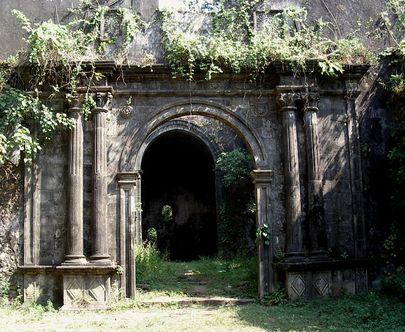
The Portuguese in Goa and Damaon built Fort Bassein to defend their colony and participate in the lucrative spice trade and the silk route that converged in the area. Much of Portuguese Bombay and Bassein was seized by Marathas under Peshwa rule, at the Battle of Vasai in 1739.
The British East India Company at Bombay then took the area from the Maratha Empire in 1780, following the First Anglo-Maratha War.
The present name Vasai is derived from the Sanskrit word Waas, meaning 'dwelling' or 'residence'. The name was changed to Basai, which was named under Bahadur Shah of Gujarat after the Gujarat Sultanate took over the region. This is also the first Latinized record of the name, which was spelled as Baxay by Barbosa (1514). The name was short-lived as it was changed under Portuguese rule, approximately two decades later, to Baçaim (also the first official Latin name) following the signing of the Treaty of Vasai in 1534. This name was again changed after over 200 years to Bajipur after the Maratha Empire took over the region. This name was also short-lived as after the capture of Bajipur (the Maratha name for Vasai) by the British, the name was changed yet again to Bassein. During this same time, Bombay took over Bassein as the dominant economic power in the region. The town was renamed to Vasai, the Marathi name for the region, following the devolution of the British Raj in India.
English: Bassein; Portuguese: Baçaim), Vasai is called Vasaikar in Marathi, in which the suffix kar means 'resident of'. The term had been in use since the official renaming of Bassein to Vasai. The Vasaikar diaspora outside of Maharashtra state, as well as outside of India, refer to themselves as from Mumbai due to its international recognition and Vasai being located within the Mumbai Metropolitan Region, near the edge of suburban Mumbai.
The history of Vasai dates back to the ancient Puranic ages. Vasai was a trading ground for many Greek, Arab, Persian and Roman traders and merchants who would enter through the west coast of India. The Greek merchant Cosma Indicopleustes is known to have visited the areas around Vasai in the 6th century and the Chinese traveler Xuanzang later in June or July 640. According to historian José Gerson da Cunha, during this time, Bassein and its surrounding areas appeared to have been ruled by the Chalukya dynasty of Karnataka. Until the 11th century, several Arabian geographers had mentioned references to towns nearby Vasai, like Thana and Sopara, but no references had been made to Vasai. Vasai was later ruled by the Silhara dynasty of Konkan and eventually passed to the Seuna dynasty. It was head of district under the Seuna (1184–1318). Later conquered by the Gujarat Sultanate, where it was named Basai, few years later Barbosa (1514) described it under the name Baxay (pronounced Basai) as a town with a good seaport belonging to the King of Gujarat.
In 1295, the Italian explorer Marco Polo passed through Vasai.
The Portuguese first reached the west coast of India when the Portuguese explorer Vasco da Gama landed at Calicut in 1498. According to historian Manuel de Faria e Sousa, the coast of Basai was first visited by the Portuguese in 1509, when Francisco de Almeida on his way to Diu captured a Muslim ship in the harbour of Bombay, with 24 citizens of the Gujarat Sultanate aboard.
Hub AI
Vasai AI simulator
(@Vasai_simulator)
Vasai
Vasai (Konkani and Marathi pronunciation: [ʋəsəi]; British English: Bassein; formerly and alternatively Marathi; Bajipur) is a historical place and city located in the Palghar district; it was partitioned out of the Thane district in August 2014. It also forms a part of Vasai-Virar twin cities in the Konkan division, Maharashtra, India, and comes under the Police Jurisdiction of Mira-Bhayander, Vasai-Virar Police Commissionerate.
The Portuguese in Goa and Damaon built Fort Bassein to defend their colony and participate in the lucrative spice trade and the silk route that converged in the area. Much of Portuguese Bombay and Bassein was seized by Marathas under Peshwa rule, at the Battle of Vasai in 1739.
The British East India Company at Bombay then took the area from the Maratha Empire in 1780, following the First Anglo-Maratha War.
The present name Vasai is derived from the Sanskrit word Waas, meaning 'dwelling' or 'residence'. The name was changed to Basai, which was named under Bahadur Shah of Gujarat after the Gujarat Sultanate took over the region. This is also the first Latinized record of the name, which was spelled as Baxay by Barbosa (1514). The name was short-lived as it was changed under Portuguese rule, approximately two decades later, to Baçaim (also the first official Latin name) following the signing of the Treaty of Vasai in 1534. This name was again changed after over 200 years to Bajipur after the Maratha Empire took over the region. This name was also short-lived as after the capture of Bajipur (the Maratha name for Vasai) by the British, the name was changed yet again to Bassein. During this same time, Bombay took over Bassein as the dominant economic power in the region. The town was renamed to Vasai, the Marathi name for the region, following the devolution of the British Raj in India.
English: Bassein; Portuguese: Baçaim), Vasai is called Vasaikar in Marathi, in which the suffix kar means 'resident of'. The term had been in use since the official renaming of Bassein to Vasai. The Vasaikar diaspora outside of Maharashtra state, as well as outside of India, refer to themselves as from Mumbai due to its international recognition and Vasai being located within the Mumbai Metropolitan Region, near the edge of suburban Mumbai.
The history of Vasai dates back to the ancient Puranic ages. Vasai was a trading ground for many Greek, Arab, Persian and Roman traders and merchants who would enter through the west coast of India. The Greek merchant Cosma Indicopleustes is known to have visited the areas around Vasai in the 6th century and the Chinese traveler Xuanzang later in June or July 640. According to historian José Gerson da Cunha, during this time, Bassein and its surrounding areas appeared to have been ruled by the Chalukya dynasty of Karnataka. Until the 11th century, several Arabian geographers had mentioned references to towns nearby Vasai, like Thana and Sopara, but no references had been made to Vasai. Vasai was later ruled by the Silhara dynasty of Konkan and eventually passed to the Seuna dynasty. It was head of district under the Seuna (1184–1318). Later conquered by the Gujarat Sultanate, where it was named Basai, few years later Barbosa (1514) described it under the name Baxay (pronounced Basai) as a town with a good seaport belonging to the King of Gujarat.
In 1295, the Italian explorer Marco Polo passed through Vasai.
The Portuguese first reached the west coast of India when the Portuguese explorer Vasco da Gama landed at Calicut in 1498. According to historian Manuel de Faria e Sousa, the coast of Basai was first visited by the Portuguese in 1509, when Francisco de Almeida on his way to Diu captured a Muslim ship in the harbour of Bombay, with 24 citizens of the Gujarat Sultanate aboard.