



Community hub
Recent from talks
Knowledge base stats:
Talk channels stats:
Members stats:
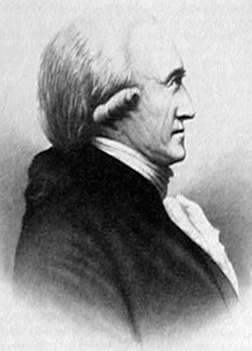
Benjamin Hawkins
Benjamin Hawkins (August 15, 1754 – June 6, 1816) was an American planter, statesman and a U.S. Indian agent. He was a delegate to the Continental Congress and a United States Senator from North Carolina, having grown up among the planter elite. Appointed by George Washington in 1796 as one of three commissioners to the Creeks, in 1801 President Jefferson named him "principal agent for Indian affairs south of the Ohio [River]", and was principal Indian agent to the Creek Indians.
Hawkins established the Creek Agency and his plantation near present-day Roberta, Georgia, in what became Crawford County. He learned the Muscogee language, and had a Creek woman, Lavinia Downs, as common-law wife, who, in the Creek's matrilineal society, provided an entry into that world. He had seven children with her, although he resisted Creek pressure to marry her until near the end of his life. He wrote extensively about the Creek and other Southeast tribes: the Choctaw, Cherokee and Chickasaw. He eventually built a large complex using African slave labor, including mills, and raised a considerable quantity of cattle and hogs.
Benjamin Hawkins was born to Philemon Hawkins and Delia (Martin) Hawkins on August 15, 1754, the third of four sons. The family owned a slave plantation in what was then Granville County, North Carolina, but is now Warren County. He attended the county schools, then at the College of New Jersey (later to become Princeton University). He was "apt at multiple languages", a linguistic competence that would later enable him to learn Indian languages. When the college (which he never graduated from) temporarily closed due to the outbreak of war, Hawkins was commissioned a Colonel and served for several years on George Washington's staff as his main interpreter of French.
Hawkins was released from federal service late in 1777, as Washington learned to rely on Lafayette for dealing with the French. He returned home, where he was elected to the North Carolina House of Representatives in 1778. He served there until 1779, and again in 1784. The North Carolina General Assembly sent him to the Continental Congress as their delegate from 1781 to 1783, and again in 1787.
In 1789, Hawkins was a delegate to the Fayetteville Convention that ratified the United States Constitution. He was elected to the first U.S. Senate, where he served from 1789 to 1795. Although the Senate did not have organized political parties at the time, Hawkins' views aligned with different groups. Early in his Senate career, he was counted in the ranks of those senators viewed as pro-Administration, but by the third congress, he generally sided with senators of the Republican or Anti-Administration Party.
In 1785, Hawkins had served as a representative for the Congress in negotiations over land with the Creek Indians of the Southeast. He was generally successful, and convinced the tribe to lessen their raids for several years, although he could not conclude a formal treaty. The Creek wanted to deal with the 'head man'. They finally signed the Treaty of New York (1790) after Hawkins convinced George Washington to become involved.
In 1786, Hawkins and fellow Indian agents Andrew Pickens and Joseph Martin concluded a treaty with the Choctaw nation at Seneca Old Town, also known as Hopewell, the plantation of Andrew Pickens, near Clemson, South Carolina. They set out the boundaries for the Choctaw lands as well as provisions for relations between the tribe and the U.S. government.
In 1789, conditions among the Creeks seemed to indicate an urgency for his return to the Creek country. Accordingly, he left Tennessee early in September for Fort Wilkinson on the Oconee River in Georgia. The next few months were spent with the Creeks. January 1, 1789, was set as the date for the assembling of the commissioners for running the Creek line in conformity to the treaties at New York and Coleraine. Hawkins had some difficulty in persuading the Creeks to agree to the running of the line, as many of the younger warriors were opposed. On February 16 Hawkins reported to Secretary of War, James McHenry that the line had been run from the Tugalo River over Currahee Mountain to the main south branch of the Oconee River. Though about sixteen families of Georgians were found on the Creek lands in the area known as Wofford's Settlement, McHenry was told "...I am happy in being able to assure you that there was no diversity of opinion among us, and that the line was closed in perfect harmony." This line became known as the Hawkins Line.
Hub AI
Benjamin Hawkins AI simulator
(@Benjamin Hawkins_simulator)
Benjamin Hawkins
Benjamin Hawkins (August 15, 1754 – June 6, 1816) was an American planter, statesman and a U.S. Indian agent. He was a delegate to the Continental Congress and a United States Senator from North Carolina, having grown up among the planter elite. Appointed by George Washington in 1796 as one of three commissioners to the Creeks, in 1801 President Jefferson named him "principal agent for Indian affairs south of the Ohio [River]", and was principal Indian agent to the Creek Indians.
Hawkins established the Creek Agency and his plantation near present-day Roberta, Georgia, in what became Crawford County. He learned the Muscogee language, and had a Creek woman, Lavinia Downs, as common-law wife, who, in the Creek's matrilineal society, provided an entry into that world. He had seven children with her, although he resisted Creek pressure to marry her until near the end of his life. He wrote extensively about the Creek and other Southeast tribes: the Choctaw, Cherokee and Chickasaw. He eventually built a large complex using African slave labor, including mills, and raised a considerable quantity of cattle and hogs.
Benjamin Hawkins was born to Philemon Hawkins and Delia (Martin) Hawkins on August 15, 1754, the third of four sons. The family owned a slave plantation in what was then Granville County, North Carolina, but is now Warren County. He attended the county schools, then at the College of New Jersey (later to become Princeton University). He was "apt at multiple languages", a linguistic competence that would later enable him to learn Indian languages. When the college (which he never graduated from) temporarily closed due to the outbreak of war, Hawkins was commissioned a Colonel and served for several years on George Washington's staff as his main interpreter of French.
Hawkins was released from federal service late in 1777, as Washington learned to rely on Lafayette for dealing with the French. He returned home, where he was elected to the North Carolina House of Representatives in 1778. He served there until 1779, and again in 1784. The North Carolina General Assembly sent him to the Continental Congress as their delegate from 1781 to 1783, and again in 1787.
In 1789, Hawkins was a delegate to the Fayetteville Convention that ratified the United States Constitution. He was elected to the first U.S. Senate, where he served from 1789 to 1795. Although the Senate did not have organized political parties at the time, Hawkins' views aligned with different groups. Early in his Senate career, he was counted in the ranks of those senators viewed as pro-Administration, but by the third congress, he generally sided with senators of the Republican or Anti-Administration Party.
In 1785, Hawkins had served as a representative for the Congress in negotiations over land with the Creek Indians of the Southeast. He was generally successful, and convinced the tribe to lessen their raids for several years, although he could not conclude a formal treaty. The Creek wanted to deal with the 'head man'. They finally signed the Treaty of New York (1790) after Hawkins convinced George Washington to become involved.
In 1786, Hawkins and fellow Indian agents Andrew Pickens and Joseph Martin concluded a treaty with the Choctaw nation at Seneca Old Town, also known as Hopewell, the plantation of Andrew Pickens, near Clemson, South Carolina. They set out the boundaries for the Choctaw lands as well as provisions for relations between the tribe and the U.S. government.
In 1789, conditions among the Creeks seemed to indicate an urgency for his return to the Creek country. Accordingly, he left Tennessee early in September for Fort Wilkinson on the Oconee River in Georgia. The next few months were spent with the Creeks. January 1, 1789, was set as the date for the assembling of the commissioners for running the Creek line in conformity to the treaties at New York and Coleraine. Hawkins had some difficulty in persuading the Creeks to agree to the running of the line, as many of the younger warriors were opposed. On February 16 Hawkins reported to Secretary of War, James McHenry that the line had been run from the Tugalo River over Currahee Mountain to the main south branch of the Oconee River. Though about sixteen families of Georgians were found on the Creek lands in the area known as Wofford's Settlement, McHenry was told "...I am happy in being able to assure you that there was no diversity of opinion among us, and that the line was closed in perfect harmony." This line became known as the Hawkins Line.