Hubbry Logo
Blue Note Jazz ClubBlue Note Jazz ClubMain
Open search
Blue Note Jazz Club
Community hub
Blue Note Jazz Club
logo
8 pages, 0 posts
0 subscribers
Be the first to start a discussion here.
Blue Note Jazz Club
Blue Note Jazz Club
from Wikipedia

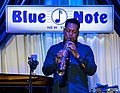
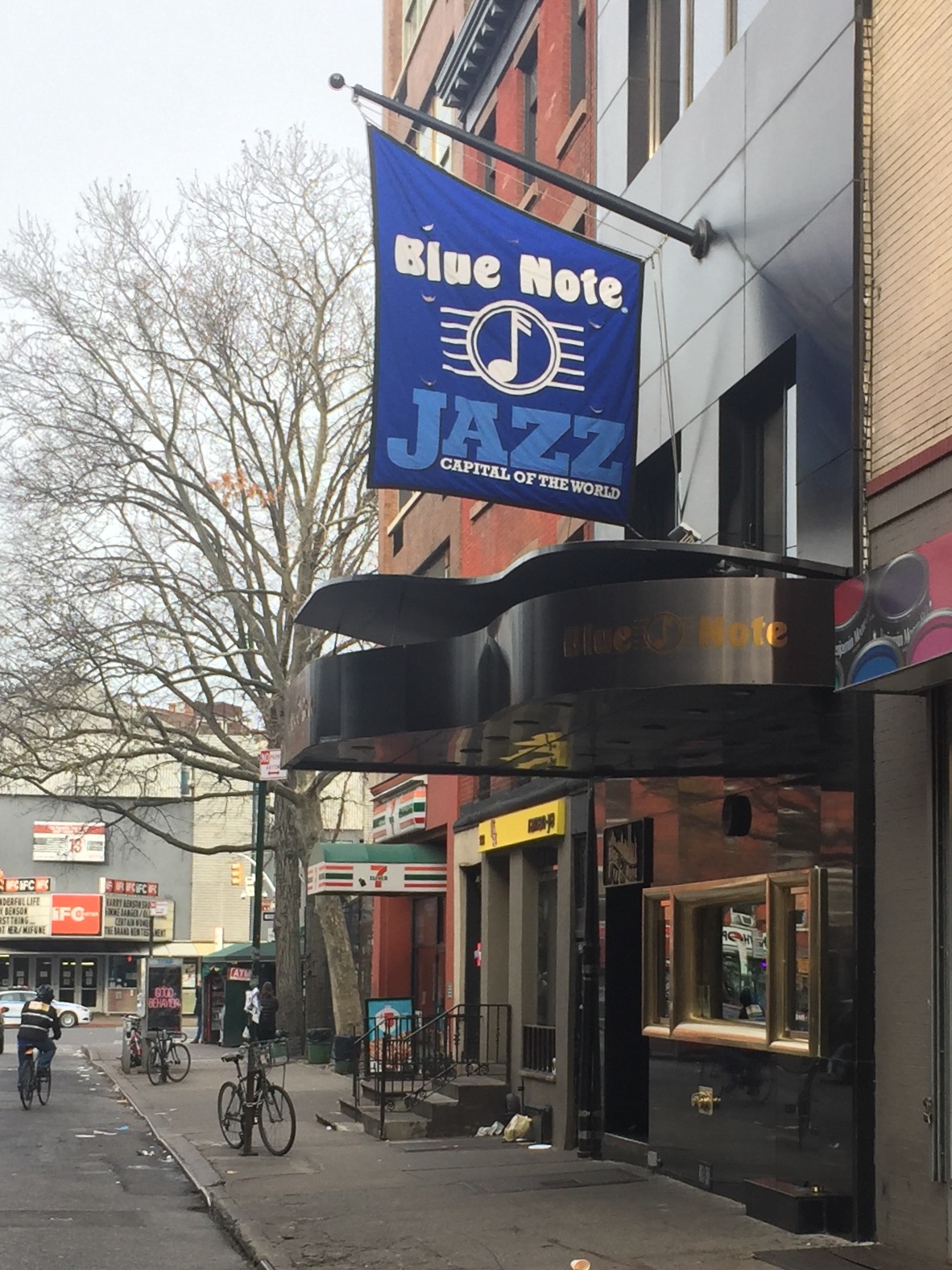
Blue Note Jazz Club, New York City, November 2024

Key Information

The Blue Note Jazz Club is a jazz club and restaurant located at 131 West 3rd Street in Greenwich Village, New York City.[1] The club's performance schedule features shows every evening at 8:00 pm and 10:30 pm and a Sunday jazz brunch. The club has locations across the globe in New York, NY; Waikiki, Hawaii; Napa, CA; Tokyo, Japan; Rio de Janeiro, Brazil; São Paulo, Brazil; Milan, Italy; Beijing and Shanghai, China.

History

[edit]

The club was opened on September 30, 1981, by owner and founder Danny Bensusan, with the Nat Adderley Quintet being the featured performers for the night. Bensusan's belief was "that if he brought big acts into a comfortable environment with great food, he could pack the house night after night."[2] The Blue Note was soon established as New York City's premier jazz club, with Dizzy Gillespie, Sarah Vaughan, Carmen McRae, Lionel Hampton, Oscar Peterson and the Modern Jazz Quartet among prestigious regular performers there.[3] Bensusan booked Ray Charles for a full week every year.[2] The Blue Note is still considered one of the world's most famous jazz venues and one of the best known and most expensive in New York.[4] Chick Corea, Keith Jarrett, Oscar Peterson, Dizzy Gillespie, and James Carter have all recorded live albums at the Blue Note.[5]

Half Note Records

[edit]

Half Note Records is the Blue Note's live record label, founded in 2001.[6] Numerous musicians have recorded live albums at the Blue Note and released them on this label, including James Carter, Avishai Cohen, Elvin Jones, Odean Pope, Charles Tolliver, Jeff "Tain" Watts, Kenny Werner, Arturo Sandoval, Kenny Garrett and others. Since its founding in 1998, the label has also expanded its scope to include studio releases, including McCoy Tyner's 2008 album Guitars and Kenny Werner's 2010 release, No Beginning, No End.

Blue Note Jazz Festival

[edit]

The Blue Note Jazz Festival began in New York City in 2011. Since then it has expanded to encompass the Blue Note Jazz Festival Napa Valley, The Blue Note Jazz Festival "Black Radio Experience" and Blue Note Jazz Festival at the Hollywood Bowl.

Black Radio Experience

[edit]

The Black Radio Experience, presented by Blue Note Jazz Festival is hosted yearly on Labor Day Weekend at The Meritage Resort and Spa in Napa County, California.

[edit]

References

[edit]
[edit]
Revisions and contributorsEdit on WikipediaRead on Wikipedia
from Grokipedia
The Blue Note Jazz Club is a premier venue and restaurant located at 131 West 3rd Street in , , founded in 1981 by entrepreneur Danny Bensusan as a dedicated space to honor artists and showcase performances by top musicians in an intimate, historic setting. Since its opening, it has established itself as a cultural institution and one of the world's leading clubs, blending live music with contemporary and a full bar to create an immersive experience that preserves traditions while encouraging innovation across genres like , hip-hop, R&B, and . Over the decades, the Blue Note has hosted an illustrious roster of performers, including jazz legends such as , , , and , as well as contemporary icons like , , , , , , , , and , fostering spontaneous collaborations and memorable nights that have drawn global audiences. Its reputation for high-quality programming has earned praise from and international travel guides, positioning it as an economic engine for by attracting tourists and locals alike. Under the Blue Note Entertainment Group, the original New York location has expanded into a worldwide network of clubs and restaurants since the 1990s, including venues in Hawaii, Napa Valley, Los Angeles (opened in 2025), Tokyo, Nagoya, Rio de Janeiro, São Paulo, Milan, Beijing, and Shanghai as of 2025, each adapting the signature model of live performances in culturally resonant spaces to promote jazz's global influence. This growth reflects Bensusan's vision, inspired by his experiences after immigrating from Israel, to create enduring platforms for musical excellence amid evolving entertainment landscapes.

History

Founding and Early Years

The Blue Note Jazz Club was founded by entrepreneur Danny Bensusan on September 30, 1981, at 131 West 3rd Street in New York City's , operating as both a jazz performance venue and a . Bensusan's vision drew inspiration from the historic label, which had been a cornerstone of recording since 1939, aiming to establish a dedicated space for live that honored artists through respectful treatment and innovative performances in an intimate setting. The club's opening night featured a performance by the Quartet, setting the tone for its early programming, which quickly included bookings of legends such as , , and to draw audiences and build prestige. From its inception, the Blue Note maintained a consistent schedule of daily evening shows at 8:00 p.m. and 10:30 p.m., complemented by a Sunday jazz brunch, though it faced initial challenges in attracting crowds amid the late decline in jazz popularity, overshadowed by the era, resulting in financial losses for the first 1.5 years until strategic bookings of major acts like the and helped solidify its reputation.

Growth and Milestones

In the 1990s, the Blue Note Jazz Club achieved notable growth through international expansion and strategic partnerships that elevated its global profile. The brand's first overseas venue, Blue Note Tokyo, opened in 1988 with as the inaugural performer, drawing significant attention and establishing a model for high-caliber presentations abroad. This was followed by the opening of Blue Note Osaka in 1990, managed under the umbrella of Blue Note International, which facilitated collaborations with local promoters and artists to adapt the club's intimate format to new markets. These developments not only increased the club's visibility but also fostered cross-cultural exchanges in , contributing to its recognition as a leading international institution. A pivotal milestone occurred in 1998 with the founding of Records by the Blue Note Jazz Club, dedicated to producing live recordings of performances at the venue. This label extension preserved the spontaneity of club shows, allowing artists to reach wider audiences through albums captured in the club's renowned acoustic environment. Early releases in the early , such as those featuring established jazz figures, underscored the club's role in documenting contemporary history. The 2000s saw further adaptations to sustain and broaden the club's appeal amid evolving audience preferences. In 2004, the introduction of the Late Night Groove Series diversified programming by incorporating , R&B, and alongside traditional , attracting younger crowds and extending operating hours. Complementing this, the club integrated contemporary into its offerings, transforming the venue into a full experience that paired music with upscale dining. These changes helped maintain steady by appealing to diverse demographics while upholding the core focus. Entering the 2010s, the Blue Note marked a major achievement with the launch of the inaugural Blue Note Jazz Festival in June 2011, commemorating the club's 30th anniversary. Spanning over 80 performances across 14 venues, the month-long event showcased a wide array of talent and reinforced the club's position as a cultural hub. The festival has since become an annual event, continuing to showcase talent across multiple venues and marking its 15th edition in 2025. This festival represented a bold step in scaling the Blue Note's influence, blending live club experiences with citywide programming to engage both longtime fans and new listeners.

Venues and Locations

Original New York Club

The original Blue Note Jazz Club is situated at 131 West 3rd Street in , , with geographic coordinates of 40°43′51″N 74°0′4″W. This flagship venue maintains an intimate layout designed for close audience interaction, accommodating approximately 200 seated guests across table areas and a limited bar section, with first-come, first-served seating policies emphasizing early arrival for optimal views. The space includes a full bar offering cocktails, craft beers, and an extensive wine list, complemented by an on-site restaurant that serves contemporary —such as burgers, entrées like grilled salmon, and classic desserts—available throughout performances to enhance the dining experience. As of 2025, the club's operations center on ticketed evening and shows, with reservations handled through an system via the official website or Ticketweb, delivering digital tickets approximately 48 hours in advance; a minimum spend of $20 per person applies at tables, and group bookings for eight or more require direct email inquiries. It integrates with the NYU series, hosting performances by ensembles, such as the Michael Rodriguez Ensemble, on select weekend afternoons to showcase emerging talent. Doors typically open two hours before evening sets at 6:00 p.m. and one hour before late shows at 10:00 p.m., with access at noon on Sundays, supporting a schedule of multiple daily performances. The venue fosters an artist-friendly atmosphere through policies like a no-smoking rule implemented in the early 2000s, predating New York City's broader indoor bans and prioritizing clear air for musicians and patrons. It emphasizes high-fidelity audio via a professional , upgraded in 2011 to balance acoustic intimacy and reinforcement without overpowering the natural stage sound, given that most seating is within 20 feet of performers. Dress is , photography is permitted without flash, and the environment encourages musical innovation while respecting artists' creative freedom. Serving as a key cultural institution in New York City's jazz scene, the club hosts artist residencies—such as multi-night engagements by figures like —to allow extended creative exploration, and supports educational initiatives tied to jazz preservation, including partnerships that nurture local and student musicians while upholding the genre's historical legacy. These efforts position the venue as a hub for both performance and progression in , drawing global audiences to its setting.

Global Network

The Blue Note Jazz Club has developed a global network of venues since the late 1980s, extending its legacy of intimate live performances beyond the original location in to cities across , , , and additional U.S. sites. This expansion reflects a strategic effort to cultivate appreciation in diverse cultural contexts while preserving the brand's core emphasis on high-caliber artistry and experiential dining. The inaugural international venue, , opened on November 28, 1988, in the Minami-Aoyama district, introducing the club's format to amid a growing local interest in Western influences. In , launched on March 20, 2003, in the Brera district, becoming a hub for international acts tailored to Italian audiences with integrated . Domestic growth accelerated in the 2010s, with Blue Note Napa debuting on October 25, 2016, inside the historic Napa Valley Opera House, blending jazz with aesthetics through gourmet pairings. Concurrently, Blue Note Hawaii opened in Waikiki on January 14, 2016, at the Waikiki Beach Resort, adapting the model to incorporate Hawaiian musical elements alongside global jazz lineups. Further international outreach included Blue Note Beijing, which inaugurated in August 2016 in the Qianmen 23 courtyard, capitalizing on China's burgeoning live music scene, followed by Blue Note Shanghai in September 2019 in the Hongkou district to serve the city's cosmopolitan expatriate and local jazz enthusiasts. In South America, Blue Note Rio de Janeiro opened on August 31, 2017, in the upscale Lagoa neighborhood, emphasizing bossa nova fusions, while Blue Note São Paulo followed in February 2019 overlooking Avenida Paulista, fostering collaborations with Brazilian artists. The most recent expansion, Los Angeles, opened on August 14, 2025, in Hollywood at a renovated venue with a full bar and , positioned to reinvigorate the city's historic ecosystem by attracting West Coast talent and tourists. All locations operate under the Entertainment Group, which oversees centralized artist booking to enable seamless global tours and consistent programming of ticketed evening shows, typically featuring two sets per night with reserved seating and integrated dining. Venues adapt locally by curating menus with regional flavors—such as Japanese-inspired dishes in or samba-infused events in Rio—while upholding the brand's intimate 100- to 200-seat capacity and high-fidelity . These expansions have encountered challenges, including navigating cultural differences in audience preferences and regulatory environments, as seen in tailoring performances to blend global jazz with local traditions in markets like and . Additionally, the in the early 2020s halted live operations across sites, prompting adaptations like virtual streaming before gradual reopenings, with full recovery emphasizing health protocols and diversified revenue streams.

Associated Enterprises

Half Note Records

Half Note Records was founded in 1998 by the owners of the Blue Note Jazz Club as an independent record label specializing in both live and studio recordings. The label emerged as a means to capture performances from the club's intimate setting, quickly establishing itself through high-fidelity captures of improvisational jazz sessions that highlighted the venue's role in nurturing artistic expression. Central to Half Note's production focus are high-quality live recordings from Blue Note venues, which emphasize spontaneous and collaborations among luminaries. Notable releases include McCoy Tyner's Guitars (2008), a studio featuring the pianist alongside guitarists such as , , and , showcasing innovative interplay between piano and guitar traditions. Other key offerings encompass live albums like Elvin Jones Jazz Machine's The Truth: Heard Live at the Blue Note (2004), which documents the drummer's dynamic quartet in performance, and various artist compilations drawn directly from club sets, such as those featuring and . These recordings preserve the raw energy of onstage interactions, often involving established ensembles pushing boundaries in straight-ahead and . By 2025, had amassed over 40 releases, contributing significantly to the documentation of modern through its catalog of live captures and artist-driven projects. As a wholly owned of Entertainment, the label has ensured wide accessibility for its output. In the , evolved by prioritizing digital formats for distribution, alongside an expanded embrace of fusion and contemporary styles, as seen in albums like James Carter's Heaven on Earth (2008), which blends with experimental elements. This shift broadened the label's appeal, sustaining its influence in an era of streaming dominance while maintaining a commitment to acoustic integrity and collaborative innovation.

Blue Note Jazz Festival

The Blue Note Jazz Festival was launched in 2011 in as part of the Blue Note Jazz Club's 30th anniversary celebrations, initially spanning multiple venues and featuring over 80 performances by artists closely associated with the club. This inaugural edition marked a shift toward broader summer programming, evolving from single-night club shows to multi-day events that highlight jazz's intersections with other genres. Over the years, it has grown to encompass diverse formats, including the ongoing NYC summer series that runs from late May to early July, drawing crowds to iconic spots like the Blue Note itself and . Additional formats include the Napa Valley edition, branded as the Black Radio Experience, which pairs live jazz performances with wine tastings from Napa's estates, such as Brown Estate, to celebrate Black contributions to music and viticulture during Labor Day weekend at The Meritage Resort and Spa. The festival has also forged collaborations with the Hollywood Bowl, presenting a reimagined two-day jazz event in June 2025 headlined by artists like The Isley Brothers, De La Soul, Grace Jones, and WILLOW, emphasizing jazz's cultural breadth through ensemble performances and special guests. Representative lineups have showcased club-affiliated talents, including and in the 2011 debut, leading Napa editions with hip-hop and soul fusions, in high-profile sets blending fusion and standards, and delivering New Orleans-infused energy. The 2025 NYC series features alongside and , while Napa's Black Radio Experience continues under Glasper's curation, incorporating and DJ sets. Produced by Blue Note Entertainment Group, the festival relies on ticket sales and sponsorships to sustain its operations, with a portion supporting jazz education through artist residencies and youth ensembles like the LA County High School for the Arts. Its growth from a local NYC initiative to an international endeavor accelerated in the 2020s, expanding to events in at and incorporating virtual streams during the to reach global audiences. By 2025, it embodies a multifaceted platform for innovation, blending live intimacy with large-scale spectacles.

Black Radio Experience

The Black Radio Experience is a specialized annual event within the Blue Note Jazz Festival, launched in and held over weekend at The Meritage Resort and Spa in . Inspired by the name of Robert Glasper's Grammy-winning album series Black Radio—which pays homage to the pivotal role of Black radio DJs in broadcasting and popularizing and related genres—the event centers on celebrating the cultural and musical legacy of Black radio in shaping history. The programming features curated live performances across genres including , hip-hop, R&B, , spoken word, and DJ sets, alongside panel discussions that examine radio's influence on jazz dissemination and artist development. Complementing the music are signature culinary events and wine tastings, such as the Black Vines Wine Dinner, which integrate Napa's viticultural heritage with the festival's thematic focus on Black cultural contributions. Key elements highlight underrepresented voices in jazz media through intimate artist-led sessions and diverse lineups, with past editions featuring performers like as artist-in-residence, alongside acts such as , , and to evoke the eclectic energy of historic Black radio broadcasts. Representative examples from the broader festival context include collaborations with artists like and , underscoring the event's commitment to innovative expressions tied to broadcasting traditions. Since its inception, the Black Radio Experience has integrated more deeply with the overall Blue Note Jazz Festival by the mid-2020s, transitioning from prior Napa festival venues at Charles Krug Winery (2022) and Silverado Resort (2023) to the Meritage Resort setup for enhanced intimacy and production scale. The 2025 edition expanded on this evolution, emphasizing musical innovation through live collaborations that bridge analog radio eras with contemporary digital influences. The event fosters community impact by partnering with organizations like Sing For Hope for arts education initiatives, promoting awareness of Black contributions to and media through accessible discussions and performances that engage diverse audiences.

Cultural Impact

Notable Performers and Events

The Blue Note Jazz Club has hosted extended residencies by jazz luminaries such as , who celebrated his 75th birthday with a historic two-month engagement in 2016, performing 80 shows across 15 different bands, including the Chick Corea Elektric Band and collaborations with artists like John McLaughlin, , and . These performances drew sold-out crowds and critical acclaim for showcasing Corea's versatility in acoustic and electric formats. Similarly, has made frequent appearances, including multi-night runs that highlight his fusion innovations, contributing to the club's reputation for blending traditional and contemporary . has also anchored notable events, such as guest spots during Corea's 2011 70th birthday celebration and his own trumpet-led ensembles, emphasizing neoclassical vitality. Tributes to jazz legends like have been a staple, with themed nights featuring ensembles interpreting Davis's modal and works, often drawing enthusiastic audiences and preserving his influence through live reinterpretation. In the early 1990s, performed at the club, including live recordings in 1992 that captured his style shortly before his death in 1993. The 2010s saw fusion-focused evenings with Unity Group, whose guitar-driven explorations attracted diverse listeners and underscored the club's role in evolving jazz boundaries. Special series at Blue Note promote diversity by featuring emerging talents and fostering inclusivity and new voices in the genre. Emerging artist showcases, such as NYU Jazz Brunch performances, provide platforms for up-and-coming musicians, often resulting in sold-out intimate sets that blend with . Event formats emphasize collaborations and interaction for immersive experiences. The 2025 opening of Los Angeles was marked by Robert Glasper's grand celebration on August 14-15, a sold-out event blending , R&B, and hip-hop that received widespread praise for revitalizing West Coast scenes.

Legacy in Jazz

The Blue Note Jazz Club has played a pivotal role in the revival of live since its founding in 1981, particularly during the when the genre faced a decline in popularity and venue availability in . By establishing an upscale, intimate space in that hosted both jazz legends and emerging artists, the club helped restore the vibrancy of the local scene, drawing audiences and inspiring a new generation of musicians to prioritize live performances over fading traditional outlets. This resurgence extended beyond New York, influencing the model for modern jazz venues worldwide by emphasizing high-quality sound, programming diversity, and accessibility, which in turn supported the integration of jazz into broader streaming and digital platforms. In terms of educational contributions, the club maintains strong partnerships with institutions like New York University's Steinhardt School of Culture, Education, and Human Development, where students from the Studies program regularly perform at the venue, including through events like the NYU Jazz Brunch and ensemble showcases. These opportunities provide hands-on experience in a professional setting, bridging academic training with real-world application. Additionally, the Blue Note Jazz Festival funds and promotes young musicians by featuring progressive and contemporary talents in its lineups, offering exposure and resources that aid their development amid evolving jazz landscapes, as seen in its 2025 edition spotlighting global cultures. The club's cultural significance lies in its function as a bridge between traditional jazz roots and contemporary expressions, fostering fusion styles that incorporate elements of soul, hip-hop, R&B, and global influences through curated programming at its venues and festivals. This approach has elevated jazz's relevance by spotlighting international artists and diverse cultural narratives, contributing to the genre's global evolution and inclusivity. Related entity received recognition for its contributions, including a 2009 honor from as part of the Grammy Salute to Jazz for the label's 70th anniversary. Consistent acclaim from outlets like underscores its role as a premier cultural institution. Looking toward the future as of 2025, the club's expansions, such as the recent opening of its venue, underscore its ongoing adaptation to diverse audiences and digital formats, including series that extend access beyond physical locations. These developments position the to sustain jazz's vitality in an era of hybrid experiences, ensuring its influence endures across generations and geographies.

References

Add your contribution
Related Hubs
User Avatar
No comments yet.