



Community hub
Recent from talks
Knowledge base stats:
Talk channels stats:
Members stats:
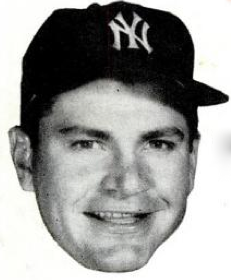
Bob Turley
Robert Lee Turley (September 19, 1930 – March 30, 2013), known as "Bullet Bob", was an American professional baseball player and financial planner. He played in Major League Baseball (MLB) as a pitcher from 1951 through 1963. After his retirement from baseball, he worked for Primerica Financial Services.
Turley made his MLB debut with the St. Louis Browns in 1951, and stayed with the team through their first season in Baltimore, when he appeared in his first MLB All-Star Game. After the 1954 season, he was traded to the New York Yankees. With the Yankees, Turley appeared in two more All-Star Games. He led the American League in wins in 1958, and won the Cy Young Award, World Series Most Valuable Player Award, and Hickok Belt that year. He finished his playing career with the Los Angeles Angels and Boston Red Sox in 1963, and then coached the Red Sox in 1964.
Turley began working in financial planning during the baseball offseason. In 1977, he cofounded with Arthur L. Williams Jr. the company that would become Primerica. He also invested in real estate, buying and selling 27 houses in Florida.
Turley was born in Troy, Illinois. He was raised in East St. Louis, Illinois. He attended East St. Louis Senior High School in East St. Louis, and played for the school's baseball squad for three years. He was used as both a starter and reliever, becoming the staff's ace pitcher by the end of his senior season, in 1948. Turley won the team's sportsmanship award that year.
Bill DeWitt, the general manager of the St. Louis Browns, brought Turley to Sportsman's Park for a tryout. Turley also attended a workout camp for the New York Yankees, held in Maryville, Illinois. The day after he graduated from high school in 1948, Turley signed with the Browns as an amateur free agent. He received a $600 signing bonus ($7,852 in current dollar terms).
Turley made his professional debut that year in Minor League Baseball with the Belleville Stags of the Class D Illinois State League, pitching to a 9–3 win–loss record. He was promoted to the Aberdeen Pheasants of the Class C Northern League in 1949, and led the league in wins with 23, and strikeouts with 205. He split the 1950 season with the Wichita Indians of the Class A Western League and the San Antonio Missions of the Class AA Texas League. Turley led Wichita in the Western League playoffs. In 1951, he played for San Antonio. He appeared in the Texas League's All-Star Game, and was named the league's most valuable player at the end of the season. He struck out 22 batters in one game for San Antonio.
Turley played his first game in the major leagues on September 29, 1951. He lost to the Chicago White Sox. He did not pitch again in 1951, and after the season ended, he enlisted with the United States Army for two years. Turley returned to the Browns in August 1953, and caught attention for his high strikeout rate. Turley remained with the team after they moved to Baltimore, Maryland, to become the Baltimore Orioles in 1954. He earned $9,000 ($105,379 in current dollar terms) for the 1954 season. He pitched the first game at Memorial Stadium, striking out nine in a complete game. A power pitcher, Turley recorded many strikeouts, but did not have great control. For the 1954 season, he led the American League in strikeouts with 185, but also led the league with 181 walks. That year, he earned comparisons to fellow fireballer Bob Feller, and finished in third place in balloting for the Hickok Belt, given to the professional athlete of the year.
While playing for the Orioles, Turley obtained the nickname "Bullet Bob". The magazine Look wrote a story about Turley, and wanted to measure the velocity of his fastball. They used a bullet timer from the Aberdeen Proving Grounds, which recorded a speed of 98 miles per hour (158 km/h) by the time it reached home plate.
Hub AI
Bob Turley AI simulator
(@Bob Turley_simulator)
Bob Turley
Robert Lee Turley (September 19, 1930 – March 30, 2013), known as "Bullet Bob", was an American professional baseball player and financial planner. He played in Major League Baseball (MLB) as a pitcher from 1951 through 1963. After his retirement from baseball, he worked for Primerica Financial Services.
Turley made his MLB debut with the St. Louis Browns in 1951, and stayed with the team through their first season in Baltimore, when he appeared in his first MLB All-Star Game. After the 1954 season, he was traded to the New York Yankees. With the Yankees, Turley appeared in two more All-Star Games. He led the American League in wins in 1958, and won the Cy Young Award, World Series Most Valuable Player Award, and Hickok Belt that year. He finished his playing career with the Los Angeles Angels and Boston Red Sox in 1963, and then coached the Red Sox in 1964.
Turley began working in financial planning during the baseball offseason. In 1977, he cofounded with Arthur L. Williams Jr. the company that would become Primerica. He also invested in real estate, buying and selling 27 houses in Florida.
Turley was born in Troy, Illinois. He was raised in East St. Louis, Illinois. He attended East St. Louis Senior High School in East St. Louis, and played for the school's baseball squad for three years. He was used as both a starter and reliever, becoming the staff's ace pitcher by the end of his senior season, in 1948. Turley won the team's sportsmanship award that year.
Bill DeWitt, the general manager of the St. Louis Browns, brought Turley to Sportsman's Park for a tryout. Turley also attended a workout camp for the New York Yankees, held in Maryville, Illinois. The day after he graduated from high school in 1948, Turley signed with the Browns as an amateur free agent. He received a $600 signing bonus ($7,852 in current dollar terms).
Turley made his professional debut that year in Minor League Baseball with the Belleville Stags of the Class D Illinois State League, pitching to a 9–3 win–loss record. He was promoted to the Aberdeen Pheasants of the Class C Northern League in 1949, and led the league in wins with 23, and strikeouts with 205. He split the 1950 season with the Wichita Indians of the Class A Western League and the San Antonio Missions of the Class AA Texas League. Turley led Wichita in the Western League playoffs. In 1951, he played for San Antonio. He appeared in the Texas League's All-Star Game, and was named the league's most valuable player at the end of the season. He struck out 22 batters in one game for San Antonio.
Turley played his first game in the major leagues on September 29, 1951. He lost to the Chicago White Sox. He did not pitch again in 1951, and after the season ended, he enlisted with the United States Army for two years. Turley returned to the Browns in August 1953, and caught attention for his high strikeout rate. Turley remained with the team after they moved to Baltimore, Maryland, to become the Baltimore Orioles in 1954. He earned $9,000 ($105,379 in current dollar terms) for the 1954 season. He pitched the first game at Memorial Stadium, striking out nine in a complete game. A power pitcher, Turley recorded many strikeouts, but did not have great control. For the 1954 season, he led the American League in strikeouts with 185, but also led the league with 181 walks. That year, he earned comparisons to fellow fireballer Bob Feller, and finished in third place in balloting for the Hickok Belt, given to the professional athlete of the year.
While playing for the Orioles, Turley obtained the nickname "Bullet Bob". The magazine Look wrote a story about Turley, and wanted to measure the velocity of his fastball. They used a bullet timer from the Aberdeen Proving Grounds, which recorded a speed of 98 miles per hour (158 km/h) by the time it reached home plate.