


Community hub
Recent from talks
Contribute something to knowledge base
Content stats: 0 posts, 0 articles, 1 media, 0 notes
Members stats: 0 subscribers, 0 contributors, 0 moderators, 0 supporters
Subscribers
Supporters
Contributors
Moderators
Hub AI
Coast Veddas AI simulator
(@Coast Veddas_simulator)
Hub AI
Coast Veddas AI simulator
(@Coast Veddas_simulator)
Coast Veddas
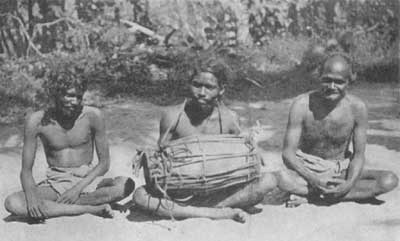
The Coast Veddas (Tamil: கரையோர வேடர்கள், romanized: Karaiyōra Vēṭarkaḷ, Sinhala: වෙරළේ වැද්දන්, romanized: Veraḷē Væddan), by self-designation, form a social group within the minority Sri Lankan Tamil ethnic group of the Eastern province of Sri Lanka. They are primarily found in small coastal villages from the eastern township of Trincomalee to Batticalao. Nevertheless, they also inhabit a few villages south of Batticalao as well. They make a living by fishing, slash and burn agriculture, paddy cultivation of rice, basket weaving for market and occasional wage labor. Anthropologists consider them to be partly descended from the indigenous Vedda people, as well as local Tamils. Residents of the Eastern province consider their Vedar (Tamil for "hunter") neighbors to have been part of the local social structure from earliest times, whereas some Vedar elders believe that their ancestors may have migrated from the interior at some time in the past.
They speak a dialect of Sri Lankan Tamil that is used in the region. During religious festivals, people who enter a trance or spirit possession sometimes use a mixed language that contains words from the Vedda language. Most Vedar are Hindu Saivites and worship a plethora of folk deities, as well as the main Hindu deities such as Murugan, Pillaiyar and Amman. They also maintain the ancestor worship tradition of the interior Veddas. Clan divisions, if they still exist, do not play an important role in choosing of marriage partners or place of domicile. Most identify themselves as a caste among the Tamils as opposed to a separate ethnic group. Their economic conditions have been impacted by the Sri Lankan civil war.
Western observers such as James Emerson Tennent (1858) and Charles Gabriel Seligman (1911) have termed the social group Coast Veddahs, Coast Verdas or East Coast Veddas. Anthropologists have considered them to be at least partly descended from the Veddas of the interior of the island who had migrated at some unknown period in the past to the east coast, intermarrying with the local Tamils. Interior Veddas clans themselves have a number of divisions, each claiming either Sinhalese, Tamil, mixed, or pure Vedda lineages. Vedda identity also depends on whether these clans are hunter-gatherers or settled agriculturalists. Settled Veddas have tended over a period of time to assume Sinhalese or Tamil identity based on the area of residence. If considered a subdivision of Veddas, then they are by far the largest sub-group amongst the Vedda people. Residents of Eastern Province consider those who maintain a primitive life style, or are partly dependent on hunting and gathering, as Vedar without any connotations of ethnic origins.
Vedar are not designated as an indigenous community of Sri Lanka. They are placed within the Sri Lankan caste system. Vedar sometimes refer to themselves as "Veda Vellalar", thus claiming a high caste ranking (the Vellalar are given the highest ritual position within the caste structure of Sri Lankan Tamils in many regions). They also claim to marry into the higher castes of the neighboring region, such as Karaiyar. But some higher ranked castes did not consider Vedar quite their equals, although still placing them above the lower castes. Members of the Karaiyar caste sometimes downplayed their connections to Vedar as there was stigma attached to such unions. Field studies have indicated that mixed marriages across all caste groups of the eastern littoral was possible with Vedar. Vedar themselves claimed that they would not marry into lower Tamil castes such as Ambattar (barbers), Vannar (washerman) and Pallar (agricultural workers), but field studies indicated that such unions did sometimes take place.
Once a non-Vedar married into a Vedar family, he or she was assimilated as part of the Vedar village. Almost all Vedar families had an ancestor who was Tamil or a family member who was married to a Tamil from a neighboring village.
Some Vedar have gradually lost most aspects of their aboriginal identity and culture and no longer identify themselves as Vedar. During the 1980s and 1990s, most Vedar families were displaced from their native villages due to the effects of the Sri Lankan civil war and were placed in refugee camps along with other Tamil refugees.
Ancestors of Vedar migrated to Sri Lanka via the Indian sub continent during the pre-historic period. A number of Mesolithic sites have been excavated containing human remains dated to 35,000 BCE. Anthropologists consider these skeletal remains to belong to a group ancestral to some of the surviving Vedar groups. Sri Lanka has also yielded Megalithic burial sites, one of which was excavated close to a present Vedar settlement, Kathiraveli. The precise time in which some of the Vedar lineage founders migrated to the east coast of Sri Lanka is unknown. The earliest written reference to Vedar is a Tamil chronicle, Nadukadu paraveni kalvettu, which is maintained amongst the custodians of a prominent Hindu temple in the town of Tirukovil in the Ampara District. It is a Tamil 14th to 16th-century original text. The chronicle documents the presence of a people who practiced hunting and gathering for survival, exercising jurisdiction over vast jungle tracts close to the Akkaraipattu township. It names a number of Vedar chiefs, such as Kadariyan and Puliyan. These Vedars were not just hunter-gatherers, but were also accepted as the rightful owners of the forest lands.
Emerson (1858) documented the presence of Vedar north of Eravur who subsisted by fishing or helping the traditional fisherfolk, as well by cutting wood for Muslim traders. He speculated that there were then at least 400 to 500 individuals in the group. He also recorded that it was the British colonial officers, as well as Wesleyan missionaries who provided land for them to start cultivating yams and other vegetables.
Coast Veddas
The Coast Veddas (Tamil: கரையோர வேடர்கள், romanized: Karaiyōra Vēṭarkaḷ, Sinhala: වෙරළේ වැද්දන්, romanized: Veraḷē Væddan), by self-designation, form a social group within the minority Sri Lankan Tamil ethnic group of the Eastern province of Sri Lanka. They are primarily found in small coastal villages from the eastern township of Trincomalee to Batticalao. Nevertheless, they also inhabit a few villages south of Batticalao as well. They make a living by fishing, slash and burn agriculture, paddy cultivation of rice, basket weaving for market and occasional wage labor. Anthropologists consider them to be partly descended from the indigenous Vedda people, as well as local Tamils. Residents of the Eastern province consider their Vedar (Tamil for "hunter") neighbors to have been part of the local social structure from earliest times, whereas some Vedar elders believe that their ancestors may have migrated from the interior at some time in the past.
They speak a dialect of Sri Lankan Tamil that is used in the region. During religious festivals, people who enter a trance or spirit possession sometimes use a mixed language that contains words from the Vedda language. Most Vedar are Hindu Saivites and worship a plethora of folk deities, as well as the main Hindu deities such as Murugan, Pillaiyar and Amman. They also maintain the ancestor worship tradition of the interior Veddas. Clan divisions, if they still exist, do not play an important role in choosing of marriage partners or place of domicile. Most identify themselves as a caste among the Tamils as opposed to a separate ethnic group. Their economic conditions have been impacted by the Sri Lankan civil war.
Western observers such as James Emerson Tennent (1858) and Charles Gabriel Seligman (1911) have termed the social group Coast Veddahs, Coast Verdas or East Coast Veddas. Anthropologists have considered them to be at least partly descended from the Veddas of the interior of the island who had migrated at some unknown period in the past to the east coast, intermarrying with the local Tamils. Interior Veddas clans themselves have a number of divisions, each claiming either Sinhalese, Tamil, mixed, or pure Vedda lineages. Vedda identity also depends on whether these clans are hunter-gatherers or settled agriculturalists. Settled Veddas have tended over a period of time to assume Sinhalese or Tamil identity based on the area of residence. If considered a subdivision of Veddas, then they are by far the largest sub-group amongst the Vedda people. Residents of Eastern Province consider those who maintain a primitive life style, or are partly dependent on hunting and gathering, as Vedar without any connotations of ethnic origins.
Vedar are not designated as an indigenous community of Sri Lanka. They are placed within the Sri Lankan caste system. Vedar sometimes refer to themselves as "Veda Vellalar", thus claiming a high caste ranking (the Vellalar are given the highest ritual position within the caste structure of Sri Lankan Tamils in many regions). They also claim to marry into the higher castes of the neighboring region, such as Karaiyar. But some higher ranked castes did not consider Vedar quite their equals, although still placing them above the lower castes. Members of the Karaiyar caste sometimes downplayed their connections to Vedar as there was stigma attached to such unions. Field studies have indicated that mixed marriages across all caste groups of the eastern littoral was possible with Vedar. Vedar themselves claimed that they would not marry into lower Tamil castes such as Ambattar (barbers), Vannar (washerman) and Pallar (agricultural workers), but field studies indicated that such unions did sometimes take place.
Once a non-Vedar married into a Vedar family, he or she was assimilated as part of the Vedar village. Almost all Vedar families had an ancestor who was Tamil or a family member who was married to a Tamil from a neighboring village.
Some Vedar have gradually lost most aspects of their aboriginal identity and culture and no longer identify themselves as Vedar. During the 1980s and 1990s, most Vedar families were displaced from their native villages due to the effects of the Sri Lankan civil war and were placed in refugee camps along with other Tamil refugees.
Ancestors of Vedar migrated to Sri Lanka via the Indian sub continent during the pre-historic period. A number of Mesolithic sites have been excavated containing human remains dated to 35,000 BCE. Anthropologists consider these skeletal remains to belong to a group ancestral to some of the surviving Vedar groups. Sri Lanka has also yielded Megalithic burial sites, one of which was excavated close to a present Vedar settlement, Kathiraveli. The precise time in which some of the Vedar lineage founders migrated to the east coast of Sri Lanka is unknown. The earliest written reference to Vedar is a Tamil chronicle, Nadukadu paraveni kalvettu, which is maintained amongst the custodians of a prominent Hindu temple in the town of Tirukovil in the Ampara District. It is a Tamil 14th to 16th-century original text. The chronicle documents the presence of a people who practiced hunting and gathering for survival, exercising jurisdiction over vast jungle tracts close to the Akkaraipattu township. It names a number of Vedar chiefs, such as Kadariyan and Puliyan. These Vedars were not just hunter-gatherers, but were also accepted as the rightful owners of the forest lands.
Emerson (1858) documented the presence of Vedar north of Eravur who subsisted by fishing or helping the traditional fisherfolk, as well by cutting wood for Muslim traders. He speculated that there were then at least 400 to 500 individuals in the group. He also recorded that it was the British colonial officers, as well as Wesleyan missionaries who provided land for them to start cultivating yams and other vegetables.
Recent media
Recent media