
Recent from talks
Collar (order)
Knowledge base stats:
Talk channels stats:
Members stats:
Collar (order)
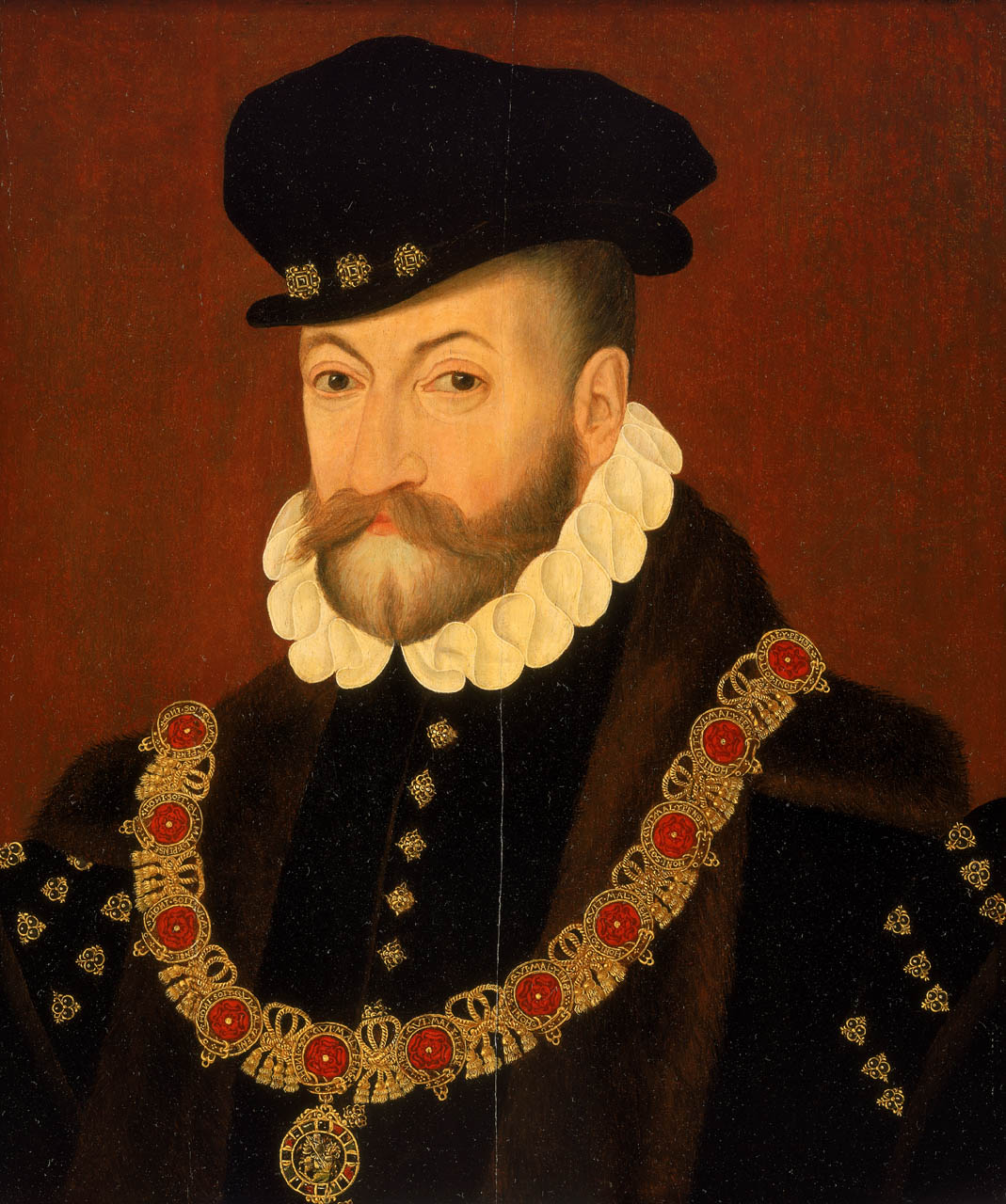
A collar, also known as collar of an order, is an ornate chain, often made of gold and enamel, and set with precious stones, which is worn about the neck as a symbol of membership in various chivalric orders. It is a particular form of the livery collar, the grandest form of the widespread phenomenon of livery in the Middle Ages and Early Modern Period. Orders which have several grades often reserve the collar for the highest grade (usually called the Grand Cross). The links of the chain are usually composed of symbols of the order, and the badge (also called "decoration", "cross" or "jewel") of the order normally hangs down in front. Sometimes the badge is referred to by what is depicted on it; for instance, the badge that hangs from the chain of the Order of the Garter is referred to as "the George".
The first of the Orders of Knighthood were the military orders of crusaders who used red, green or black crosses of velvet on their mantles, to distinguish their brotherhoods. Later the members of knightly orders used rings, embroidered dragons and even garters as the symbol of their order. In the late Middle Ages the knights wore their insignia ever more prominently and medaillons, crosses and jewels in the shape of animals began to be worn on chains around the neck, known as livery collars.
In the fourteenth century, Amadeus VI, Count of Savoy (1343–1383) instituted the Order of the Collar. The order was dedicated to the Blessed Virgin Mary The primary and oldest insignia of the order is its collar. It consists of a solid gold medallion of the collar, which portrays the Annunciation of the Blessed Virgin Mary by the Archangel Gabriel. The medallion is surrounded by three intertwined Savoyan knots, decorated with small crosses fleury, and in the upper center, between two of the Savoyan knots, a cluster of rays with a dove, representing the Holy Spirit, is depicted also in gold.
Animated by a similar Marian devotion, the fashion of these collars spread at the same time as the fashion of wearing rosaries as necklaces spread across Europe reaching England in the fifteenth century.
Collars of various devices are worn by the knights of some of the European orders of knighthood. The custom was begun by Philip III, Duke of Burgundy, who gave his Knights of the Golden Fleece badges depicting a golden fleece: it was composed of "gold filigree plaques, simulated black and white enamel firestones, and golden fleece pendant".
Following this new fashion, Louis XI of France, when instituting his Order of St. Michael in 1469, gave the knights collars composed of scallop shells linked on a chain, most famously honouring Raoul de Lannoy after the siege of Quesnoy. The chain was doubled by Charles VIII. The first official portrait of a King of France wearing the collar of the order was that of King Louis XII in 1514 and since then, all other Kings have followed that tradition until the order lapsed in 1830; the Order of Liberation claimed to be its continuation in 1945 and it had its own grand collar made by master goldsmith Gilbert Poillerat, which President Charles de Gaulle wore on his official portrait, preferring its Cross of Lorraine to the symbols attached to the Grand Collier of the Legion of Honour.
While the order of Saint Michael was exclusively male, Queen Anne of Austria with the help of her chaplain French Dominican friar François Arnoul established the Order of the Celestial Collar of the Sacred Rosary in 1647, proving once again the connection between the collar and the rosary as an instrument of devotion. The statues of the new order were associated to instructions for fifty devout maidens and all virtuous souls, in order to renew Marian devotion and encourage the holiness of women active in the Catholic Church in France.
Until the reign of Henry VIII, the Order of the Garter, like most ancient of the great knightly orders, had no collar. But the Tudor king wished to match the continental sovereigns in all things as described in the statutes signed on January 5, 1508, by the Register of the Order, and sent to the Holy Roman Emperor Maximilian. The present collar of the Garter knights, with its golden knots and its buckled garters enclosing white roses set on red roses, has its origin in the Tudor age. In 1672, British antiquary Elias Ashmole, described a change from the original collar worn prescribed by King Henry VIII for the collar of the Order of the Garter said to be "a gold collar, coupled together by several pieces of links in fashion of garters, with a vermillion rose, and the image of Saint George hung thereat". Most of the British orders of knighthood now have collars and they are still worn on special occasions, known as collar days. The Distinguished Service Order, the Order of Merit, the Order of the Companions of Honour and the Imperial Service Order are the exceptions.
Hub AI
Collar (order) AI simulator
(@Collar (order)_simulator)
Collar (order)
A collar, also known as collar of an order, is an ornate chain, often made of gold and enamel, and set with precious stones, which is worn about the neck as a symbol of membership in various chivalric orders. It is a particular form of the livery collar, the grandest form of the widespread phenomenon of livery in the Middle Ages and Early Modern Period. Orders which have several grades often reserve the collar for the highest grade (usually called the Grand Cross). The links of the chain are usually composed of symbols of the order, and the badge (also called "decoration", "cross" or "jewel") of the order normally hangs down in front. Sometimes the badge is referred to by what is depicted on it; for instance, the badge that hangs from the chain of the Order of the Garter is referred to as "the George".
The first of the Orders of Knighthood were the military orders of crusaders who used red, green or black crosses of velvet on their mantles, to distinguish their brotherhoods. Later the members of knightly orders used rings, embroidered dragons and even garters as the symbol of their order. In the late Middle Ages the knights wore their insignia ever more prominently and medaillons, crosses and jewels in the shape of animals began to be worn on chains around the neck, known as livery collars.
In the fourteenth century, Amadeus VI, Count of Savoy (1343–1383) instituted the Order of the Collar. The order was dedicated to the Blessed Virgin Mary The primary and oldest insignia of the order is its collar. It consists of a solid gold medallion of the collar, which portrays the Annunciation of the Blessed Virgin Mary by the Archangel Gabriel. The medallion is surrounded by three intertwined Savoyan knots, decorated with small crosses fleury, and in the upper center, between two of the Savoyan knots, a cluster of rays with a dove, representing the Holy Spirit, is depicted also in gold.
Animated by a similar Marian devotion, the fashion of these collars spread at the same time as the fashion of wearing rosaries as necklaces spread across Europe reaching England in the fifteenth century.
Collars of various devices are worn by the knights of some of the European orders of knighthood. The custom was begun by Philip III, Duke of Burgundy, who gave his Knights of the Golden Fleece badges depicting a golden fleece: it was composed of "gold filigree plaques, simulated black and white enamel firestones, and golden fleece pendant".
Following this new fashion, Louis XI of France, when instituting his Order of St. Michael in 1469, gave the knights collars composed of scallop shells linked on a chain, most famously honouring Raoul de Lannoy after the siege of Quesnoy. The chain was doubled by Charles VIII. The first official portrait of a King of France wearing the collar of the order was that of King Louis XII in 1514 and since then, all other Kings have followed that tradition until the order lapsed in 1830; the Order of Liberation claimed to be its continuation in 1945 and it had its own grand collar made by master goldsmith Gilbert Poillerat, which President Charles de Gaulle wore on his official portrait, preferring its Cross of Lorraine to the symbols attached to the Grand Collier of the Legion of Honour.
While the order of Saint Michael was exclusively male, Queen Anne of Austria with the help of her chaplain French Dominican friar François Arnoul established the Order of the Celestial Collar of the Sacred Rosary in 1647, proving once again the connection between the collar and the rosary as an instrument of devotion. The statues of the new order were associated to instructions for fifty devout maidens and all virtuous souls, in order to renew Marian devotion and encourage the holiness of women active in the Catholic Church in France.
Until the reign of Henry VIII, the Order of the Garter, like most ancient of the great knightly orders, had no collar. But the Tudor king wished to match the continental sovereigns in all things as described in the statutes signed on January 5, 1508, by the Register of the Order, and sent to the Holy Roman Emperor Maximilian. The present collar of the Garter knights, with its golden knots and its buckled garters enclosing white roses set on red roses, has its origin in the Tudor age. In 1672, British antiquary Elias Ashmole, described a change from the original collar worn prescribed by King Henry VIII for the collar of the Order of the Garter said to be "a gold collar, coupled together by several pieces of links in fashion of garters, with a vermillion rose, and the image of Saint George hung thereat". Most of the British orders of knighthood now have collars and they are still worn on special occasions, known as collar days. The Distinguished Service Order, the Order of Merit, the Order of the Companions of Honour and the Imperial Service Order are the exceptions.
Recent media