
Recent from talks
Anne of Austria
Knowledge base stats:
Talk channels stats:
Members stats:
Anne of Austria
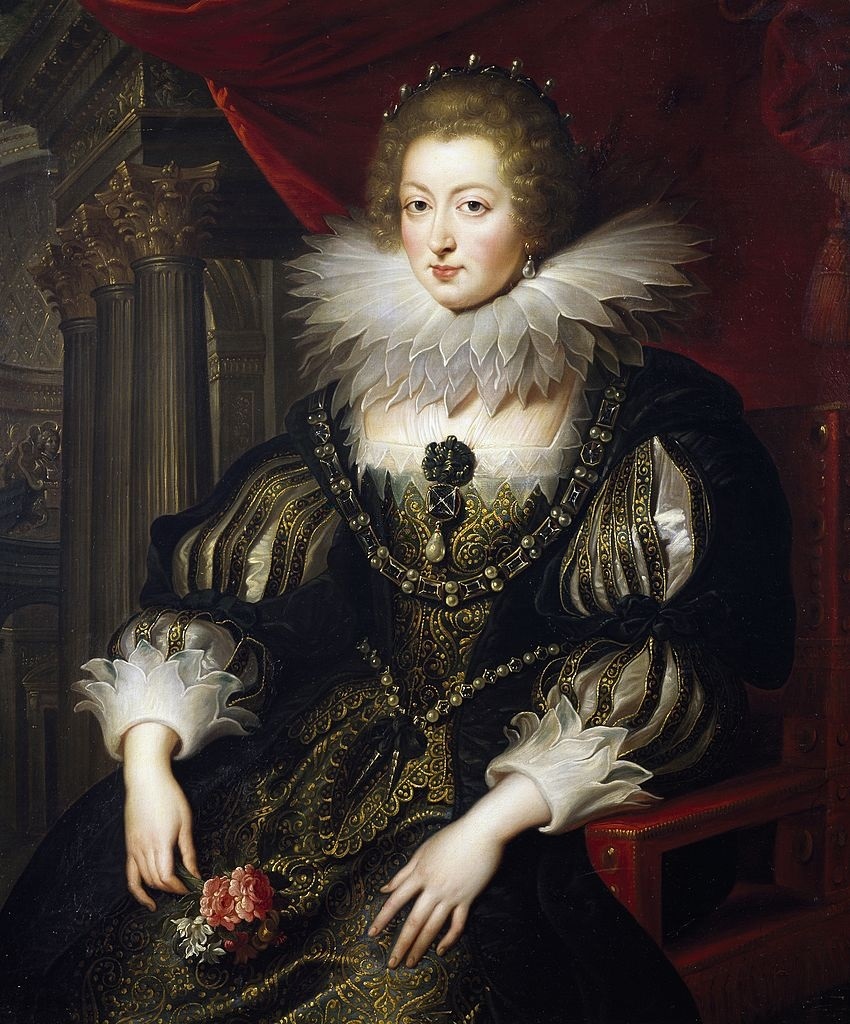
Anne of Austria (French: Anne d'Autriche; Spanish: Ana de Austria; born Ana María Mauricia; 22 September 1601 – 20 January 1666) was Queen of France from 1615 to 1643 by marriage to King Louis XIII. She was also Queen of Navarre until the kingdom's annexation into the French crown in 1620. After her husband's death, Anne was regent to her son Louis XIV during his minority until 1651.
Anne was born in Valladolid to King Philip III of Spain and Margaret of Austria. She was betrothed to King Louis XIII of France in 1612 and they married three years later. The two had a difficult marital relationship, exacerbated by her miscarriages and the anti-Habsburg stance of Louis' first minister, Cardinal Richelieu. Despite a climate of distrust amidst the Franco-Spanish War and twenty-three years of childlessness in which she suffered five miscarriages, Anne gave birth to an heir, Louis, in 1638 and a second son, Philippe two years later.
When Louis XIII died in 1643, Anne outmaneuvered her opponents to become sole regent to her four-year-old son, Louis XIV, and appointed Cardinal Mazarin as chief minister. The Fronde, a major revolt by the French nobility against Anne and Mazarin's government, broke out but was ultimately suppressed. In 1651, Anne's regency formally ended when Louis was declared of age. Accounts of French court life of her era emphasize her closeness to her son, and her disapproval of his infidelity to her niece and daughter-in-law Maria Theresa. She retired from active politics in 1661 and moved to the convent she had commissioned, Val-de-Grâce, where she died of breast cancer five years later.
Born at the Benavente Palace in Valladolid, Spain, and baptised Ana María Mauricia, she was the eldest daughter of King Philip III of Spain and his wife Margaret of Austria. She held the titles of Infanta of Spain and of Portugal (since her father was king of Portugal as well as Spain) and Archduchess of Austria. Despite her Spanish birth, she was referred to as Anne of Austria because the rulers of Spain belonged to the senior branch of the House of Austria, known later as the House of Habsburg, a designation relatively uncommon before the 19th century.
Anne was raised mainly at the Royal Alcázar of Madrid. Unusually for a royal princess, Anne grew up close to her parents, who were very religious. She was raised to be religious too, and was often taken to visit monasteries during her childhood. In 1611, she lost her mother, who died in childbirth. Despite her grief, Anne did her best to take care of her younger siblings, who referred to her with affection as their mother.
At age eleven, Anne was betrothed to King Louis XIII of France. Her father gave her a dowry of 500,000 crowns and many beautiful jewels. For fear that Louis XIII would die early, the Spanish court stipulated that she would return to Spain with her dowry, jewels, and wardrobe if he did die. Prior to the marriage, Anne renounced all succession rights she had for herself and her descendants by Louis, with a provision that she would resume her rights should she be left a childless widow. On 18 October 1615, Louis and Anne were married by proxy in Burgos while Louis's sister, Elisabeth of France, and Anne's brother, Philip IV of Spain, were married by proxy in Bordeaux. These marriages followed the tradition of cementing military and political alliances between France and Spain that began with the marriage of Philip II of Spain to Elisabeth of Valois in 1559 as part of the Peace of Cateau-Cambrésis. Anne and Elisabeth were exchanged on the Isle of Pheasants between Hendaye and Fuenterrabía. She was lively and beautiful during her youth. She was also a noted equestrian, a taste her son, Louis, would inherit. At the time, Anne had many admirers, including the handsome Duke of Buckingham, although her intimates believed their flirtations remained chaste. Historian Desmond Seward alleges that during his 1625 visit to France, when the French court took official leave of the English embassy at Amiens, "Buckingham climbed into a private garden where the Queen was taking an evening walk", and "may even have tried to rape her", although "Anne's shrieks summoned her attendants."
Anne and Louis, both fourteen years old, were pressured to consummate their marriage in order to forestall any possibility of future annulment, but Louis ignored his bride. Louis's mother, Marie de' Medici, continued to conduct herself as queen of France, without showing any deference to her daughter-in-law. Anne, surrounded by her entourage of high-born Spanish ladies-in-waiting headed by Inés de la Torre, continued to live according to Spanish etiquette and failed to improve her French.
In 1617, Louis conspired with his favourite Charles d'Albert de Luynes to dispense with the influence of his mother in a palace coup d'état and had her favourite Concino Concini assassinated on 26 April of that year. During the years he was in the ascendancy Luynes attempted to remedy the formal distance between Louis and his queen. He sent away Inés de la Torre and the other Spanish ladies and replaced them with French ones, notably the Princess of Conti (Louise Marguerite of Lorraine) and his wife Marie de Rohan, with whom he organized court events that would bring the couple together under amiable circumstances. Anne began to dress in the French manner and, in 1619, Luynes pressed the king to bed his queen. Some affection developed, to the point where it was noted that Louis was distracted during a serious illness of the queen.
Hub AI
Anne of Austria AI simulator
(@Anne of Austria_simulator)
Anne of Austria
Anne of Austria (French: Anne d'Autriche; Spanish: Ana de Austria; born Ana María Mauricia; 22 September 1601 – 20 January 1666) was Queen of France from 1615 to 1643 by marriage to King Louis XIII. She was also Queen of Navarre until the kingdom's annexation into the French crown in 1620. After her husband's death, Anne was regent to her son Louis XIV during his minority until 1651.
Anne was born in Valladolid to King Philip III of Spain and Margaret of Austria. She was betrothed to King Louis XIII of France in 1612 and they married three years later. The two had a difficult marital relationship, exacerbated by her miscarriages and the anti-Habsburg stance of Louis' first minister, Cardinal Richelieu. Despite a climate of distrust amidst the Franco-Spanish War and twenty-three years of childlessness in which she suffered five miscarriages, Anne gave birth to an heir, Louis, in 1638 and a second son, Philippe two years later.
When Louis XIII died in 1643, Anne outmaneuvered her opponents to become sole regent to her four-year-old son, Louis XIV, and appointed Cardinal Mazarin as chief minister. The Fronde, a major revolt by the French nobility against Anne and Mazarin's government, broke out but was ultimately suppressed. In 1651, Anne's regency formally ended when Louis was declared of age. Accounts of French court life of her era emphasize her closeness to her son, and her disapproval of his infidelity to her niece and daughter-in-law Maria Theresa. She retired from active politics in 1661 and moved to the convent she had commissioned, Val-de-Grâce, where she died of breast cancer five years later.
Born at the Benavente Palace in Valladolid, Spain, and baptised Ana María Mauricia, she was the eldest daughter of King Philip III of Spain and his wife Margaret of Austria. She held the titles of Infanta of Spain and of Portugal (since her father was king of Portugal as well as Spain) and Archduchess of Austria. Despite her Spanish birth, she was referred to as Anne of Austria because the rulers of Spain belonged to the senior branch of the House of Austria, known later as the House of Habsburg, a designation relatively uncommon before the 19th century.
Anne was raised mainly at the Royal Alcázar of Madrid. Unusually for a royal princess, Anne grew up close to her parents, who were very religious. She was raised to be religious too, and was often taken to visit monasteries during her childhood. In 1611, she lost her mother, who died in childbirth. Despite her grief, Anne did her best to take care of her younger siblings, who referred to her with affection as their mother.
At age eleven, Anne was betrothed to King Louis XIII of France. Her father gave her a dowry of 500,000 crowns and many beautiful jewels. For fear that Louis XIII would die early, the Spanish court stipulated that she would return to Spain with her dowry, jewels, and wardrobe if he did die. Prior to the marriage, Anne renounced all succession rights she had for herself and her descendants by Louis, with a provision that she would resume her rights should she be left a childless widow. On 18 October 1615, Louis and Anne were married by proxy in Burgos while Louis's sister, Elisabeth of France, and Anne's brother, Philip IV of Spain, were married by proxy in Bordeaux. These marriages followed the tradition of cementing military and political alliances between France and Spain that began with the marriage of Philip II of Spain to Elisabeth of Valois in 1559 as part of the Peace of Cateau-Cambrésis. Anne and Elisabeth were exchanged on the Isle of Pheasants between Hendaye and Fuenterrabía. She was lively and beautiful during her youth. She was also a noted equestrian, a taste her son, Louis, would inherit. At the time, Anne had many admirers, including the handsome Duke of Buckingham, although her intimates believed their flirtations remained chaste. Historian Desmond Seward alleges that during his 1625 visit to France, when the French court took official leave of the English embassy at Amiens, "Buckingham climbed into a private garden where the Queen was taking an evening walk", and "may even have tried to rape her", although "Anne's shrieks summoned her attendants."
Anne and Louis, both fourteen years old, were pressured to consummate their marriage in order to forestall any possibility of future annulment, but Louis ignored his bride. Louis's mother, Marie de' Medici, continued to conduct herself as queen of France, without showing any deference to her daughter-in-law. Anne, surrounded by her entourage of high-born Spanish ladies-in-waiting headed by Inés de la Torre, continued to live according to Spanish etiquette and failed to improve her French.
In 1617, Louis conspired with his favourite Charles d'Albert de Luynes to dispense with the influence of his mother in a palace coup d'état and had her favourite Concino Concini assassinated on 26 April of that year. During the years he was in the ascendancy Luynes attempted to remedy the formal distance between Louis and his queen. He sent away Inés de la Torre and the other Spanish ladies and replaced them with French ones, notably the Princess of Conti (Louise Marguerite of Lorraine) and his wife Marie de Rohan, with whom he organized court events that would bring the couple together under amiable circumstances. Anne began to dress in the French manner and, in 1619, Luynes pressed the king to bed his queen. Some affection developed, to the point where it was noted that Louis was distracted during a serious illness of the queen.
Recent media