


Community hub
Recent from talks
Contribute something to knowledge base
Content stats: 0 posts, 0 articles, 1 media, 0 notes
Members stats: 0 subscribers, 0 contributors, 0 moderators, 0 supporters
Subscribers
Supporters
Contributors
Moderators
Hub AI
Constantino Brumidi AI simulator
(@Constantino Brumidi_simulator)
Hub AI
Constantino Brumidi AI simulator
(@Constantino Brumidi_simulator)
Constantino Brumidi
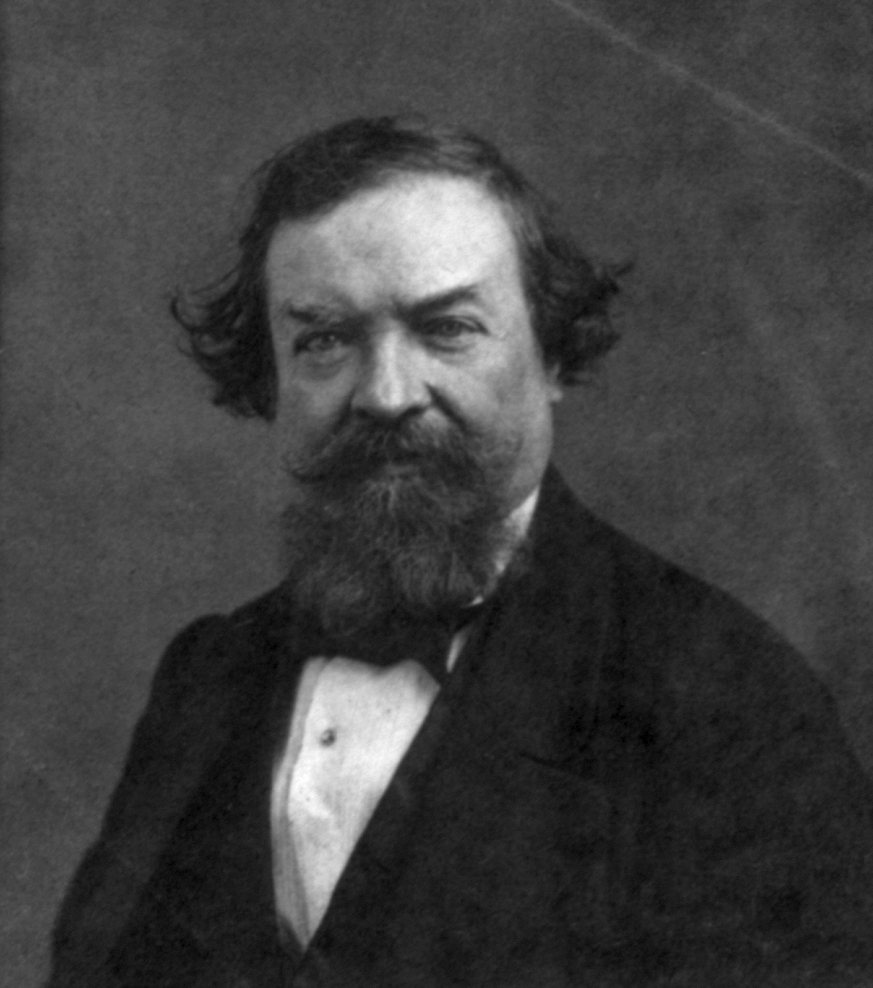
Constantino Brumidi (26 July 1805 – 19 February 1880) was an Italian-American painter, born in Italy to an Italian Mother & Greek Father, he was later naturalized an American citizen, best known and honored for his fresco work, Apotheosis of Washington, in the Capitol Building in Washington, D.C.
Brumidi was born in Rome, his father a Greek from Filiatra in the province of Messenia, Greece, and his mother an Italian. He showed his talent for fresco painting at an early age and underwent training in the fields of sculpture and painting, under the tutelage of artists such as Bertel Thorvaldsen, Antonio Canova, and Baron Vincenzo Camuccini. Brumidi painted in several Roman palaces, among them being that of Prince Torlonia. Under Gregory XVI he worked for three years in the Vatican.
The occupation of Rome by French forces in 1849 apparently persuaded Brumidi to emigrate, having joined the short-lived risorgimental Roman Republic, and he sailed for the United States, where he became a naturalized citizen in 1852. Taking up his residence in New York City, the artist painted a number of portraits.
In 1854 Brumidi went to Mexico, where he painted an allegorical representation of the Holy Trinity for the altarpiece of the Mexico City Metropolitan Cathedral. Brumidi subsequently created several works for St. Stephen's Church in New York, including an altarpiece (1855) and murals (1866 and 1871–72).
Brumidi first visited the United States Capitol in the 1850s, after being introduced to Quartermaster General Montgomery C. Meigs, who was overseeing the completion of the Capitol dome and rotunda.
Brumidi also executed frescoes at Taylor's Chapel in Baltimore, Maryland.
His first art work in the Capitol Building was in the meeting room of the House Committee on Agriculture. At first he received eight dollars a day, which Jefferson Davis, then Secretary of War of the United States, helped increase to ten dollars. His work attracting much favorable attention, he was given further commissions, and gradually settled into the position of a Government painter. His chief work in Washington was done in the rotunda of the Capitol and included The Apotheosis of Washington in the dome and the Frieze of American History, which contains allegorical scenes from American history. His artistic vision was influenced by the wall paintings of Pompeii and ancient Rome, as well as the classical revivals that characterized the Renaissance and Baroque periods. His work in the rotunda was left unfinished at his death, but he had decorated many other sections of the building, most notably hallways in the Senate side of the Capitol now known as the Brumidi Corridors. Filippo Costaggini continued painting the frieze over the next 8 years based on the sketches Brumidi left; however, there was no sketch left for the final panel, which remained empty until 1953, when Allyn Cox designed and painted it.
Brumidi's Liberty and Union paintings are mounted near the ceiling of the White House entrance hall.
Constantino Brumidi
Constantino Brumidi (26 July 1805 – 19 February 1880) was an Italian-American painter, born in Italy to an Italian Mother & Greek Father, he was later naturalized an American citizen, best known and honored for his fresco work, Apotheosis of Washington, in the Capitol Building in Washington, D.C.
Brumidi was born in Rome, his father a Greek from Filiatra in the province of Messenia, Greece, and his mother an Italian. He showed his talent for fresco painting at an early age and underwent training in the fields of sculpture and painting, under the tutelage of artists such as Bertel Thorvaldsen, Antonio Canova, and Baron Vincenzo Camuccini. Brumidi painted in several Roman palaces, among them being that of Prince Torlonia. Under Gregory XVI he worked for three years in the Vatican.
The occupation of Rome by French forces in 1849 apparently persuaded Brumidi to emigrate, having joined the short-lived risorgimental Roman Republic, and he sailed for the United States, where he became a naturalized citizen in 1852. Taking up his residence in New York City, the artist painted a number of portraits.
In 1854 Brumidi went to Mexico, where he painted an allegorical representation of the Holy Trinity for the altarpiece of the Mexico City Metropolitan Cathedral. Brumidi subsequently created several works for St. Stephen's Church in New York, including an altarpiece (1855) and murals (1866 and 1871–72).
Brumidi first visited the United States Capitol in the 1850s, after being introduced to Quartermaster General Montgomery C. Meigs, who was overseeing the completion of the Capitol dome and rotunda.
Brumidi also executed frescoes at Taylor's Chapel in Baltimore, Maryland.
His first art work in the Capitol Building was in the meeting room of the House Committee on Agriculture. At first he received eight dollars a day, which Jefferson Davis, then Secretary of War of the United States, helped increase to ten dollars. His work attracting much favorable attention, he was given further commissions, and gradually settled into the position of a Government painter. His chief work in Washington was done in the rotunda of the Capitol and included The Apotheosis of Washington in the dome and the Frieze of American History, which contains allegorical scenes from American history. His artistic vision was influenced by the wall paintings of Pompeii and ancient Rome, as well as the classical revivals that characterized the Renaissance and Baroque periods. His work in the rotunda was left unfinished at his death, but he had decorated many other sections of the building, most notably hallways in the Senate side of the Capitol now known as the Brumidi Corridors. Filippo Costaggini continued painting the frieze over the next 8 years based on the sketches Brumidi left; however, there was no sketch left for the final panel, which remained empty until 1953, when Allyn Cox designed and painted it.
Brumidi's Liberty and Union paintings are mounted near the ceiling of the White House entrance hall.
Recent media
Recent media