



Community hub
Recent from talks
Contribute something to knowledge base
Content stats: 0 posts, 0 articles, 1 media, 0 notes
Members stats: 0 subscribers, 0 contributors, 0 moderators, 0 supporters
Subscribers
Supporters
Contributors
Moderators
Hub AI
Ebrahim Yazdi AI simulator
(@Ebrahim Yazdi_simulator)
Hub AI
Ebrahim Yazdi AI simulator
(@Ebrahim Yazdi_simulator)
Ebrahim Yazdi
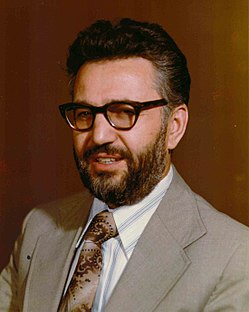
Ebrahim Yazdi (Persian: ابراهیم یزدی; 26 September 1931 – 27 August 2017) was an Iranian politician, pharmacist, and diplomat who served as deputy prime minister and minister of foreign affairs in the interim government of Mehdi Bazargan, until his resignation in November 1979, in protest at the Iran hostage crisis. From 1995 until 2017, he headed the Freedom Movement of Iran. Yazdi was also a trained cancer researcher.
Yazdi was born in Qazvin on 26 September 1931. He studied pharmacy at the University of Tehran. Then he received a master's degree in philosophy again from the University of Tehran.
After the military coup of 1953, which deposed the government of Mohammad Mossadegh, Yazdi joined the underground National Resistance Movement of Iran, and was active in this organization from 1953 to 1960. This organization opposed to the Shah, Mohammad Reza Pahlavi. Yazdi traveled to the United States in 1961 to continue his education and in the US, continued his involvement in political activities against the Shah.
He was co-founder of the Freedom Movement of Iran, Abroad, along with Mostafa Chamran, Ali Shariati, and Sadegh Qotbzadeh in 1961. They were all part of the radical external wing of the group. In 1963, Yazdi, Chamran and Ghotbzadeh went to Egypt and met the authorities to establish an anti-Shah organization in the country, which was later called SAMA, special organization for unity and action. Chamran was chosen as its military head before returning to the US. In 1966, Yazdi moved headquarters of SAMA to Beirut. In 1967, he enrolled at Baylor College of Medicine in Houston (which before 1969 was part of the Baylor University system) and received a PhD in biochemistry.
In 1975, Yazdi was tried in absentia in an Iranian military court and condemned to ten years imprisonment, with orders issued for his arrest upon return to Iran. Because of his activities, he was unable to return to Iran and remained in the United States until July 1977. He became a naturalized US citizen in Houston in 1971. When Ayatollah Khomenei moved to Neauphle-le-Château, a Parisian suburb, from Iraq in 1978, Yazdi also went to Neauphle-le-Château and began to serve as an advisor to the Ayatollah. He was also his spokesperson in Paris.
Yazdi worked as a research assistant of pathology and research instructor of pharmacology at Baylor College of Medicine in Houston until 1977. He also worked at the Veterans Administration Hospital in Houston. From 1961 to 1977, Yazdi founded the Muslim Students Association from the United States and later became a spokesman for Paris-based Ayatollah Ruhollah Khomeini.
In 1978, he joined Ayatollah Khomeini in Paris where the latter had been in exile and became one of his advisors. He translated the reports of Khomeini into English in a press conference on 3 February 1979 in Tehran. He was the deputy prime minister and minister of foreign affairs in the interim government of Mehdi Bazargan, until 6 November 1979. Yazdi proposed to celebrate 'Quds Day' and his suggestion was endorsed by Khomeini in August 1979; In May 1980, he was appointed by Khomenei as head of the Kayhan newspaper.
The day after the victory of the revolution, on 2 February 1979, several foreign embassies in Tehran, including those of the United States, the United Kingdom, and Yugoslavia were over-run by groups identifying themselves as leftist revolutionaries. The opinion of the Revolutionary Council, of which Yazdi was a member, was that these attacks may be aimed at creating chaos and preventing the international recognition of the new regime. In the case of the US embassy, the attackers were successful in entering the embassy compound and taking personnel, including the US ambassador, William Sullivan, captive. Yazdi, at the request of Ayatollah Khomeini and the Revolutionary Council, went to the embassies and resolved the crisis, resulting in the release of embassy personnel and the departure of the attackers.
Ebrahim Yazdi
Ebrahim Yazdi (Persian: ابراهیم یزدی; 26 September 1931 – 27 August 2017) was an Iranian politician, pharmacist, and diplomat who served as deputy prime minister and minister of foreign affairs in the interim government of Mehdi Bazargan, until his resignation in November 1979, in protest at the Iran hostage crisis. From 1995 until 2017, he headed the Freedom Movement of Iran. Yazdi was also a trained cancer researcher.
Yazdi was born in Qazvin on 26 September 1931. He studied pharmacy at the University of Tehran. Then he received a master's degree in philosophy again from the University of Tehran.
After the military coup of 1953, which deposed the government of Mohammad Mossadegh, Yazdi joined the underground National Resistance Movement of Iran, and was active in this organization from 1953 to 1960. This organization opposed to the Shah, Mohammad Reza Pahlavi. Yazdi traveled to the United States in 1961 to continue his education and in the US, continued his involvement in political activities against the Shah.
He was co-founder of the Freedom Movement of Iran, Abroad, along with Mostafa Chamran, Ali Shariati, and Sadegh Qotbzadeh in 1961. They were all part of the radical external wing of the group. In 1963, Yazdi, Chamran and Ghotbzadeh went to Egypt and met the authorities to establish an anti-Shah organization in the country, which was later called SAMA, special organization for unity and action. Chamran was chosen as its military head before returning to the US. In 1966, Yazdi moved headquarters of SAMA to Beirut. In 1967, he enrolled at Baylor College of Medicine in Houston (which before 1969 was part of the Baylor University system) and received a PhD in biochemistry.
In 1975, Yazdi was tried in absentia in an Iranian military court and condemned to ten years imprisonment, with orders issued for his arrest upon return to Iran. Because of his activities, he was unable to return to Iran and remained in the United States until July 1977. He became a naturalized US citizen in Houston in 1971. When Ayatollah Khomenei moved to Neauphle-le-Château, a Parisian suburb, from Iraq in 1978, Yazdi also went to Neauphle-le-Château and began to serve as an advisor to the Ayatollah. He was also his spokesperson in Paris.
Yazdi worked as a research assistant of pathology and research instructor of pharmacology at Baylor College of Medicine in Houston until 1977. He also worked at the Veterans Administration Hospital in Houston. From 1961 to 1977, Yazdi founded the Muslim Students Association from the United States and later became a spokesman for Paris-based Ayatollah Ruhollah Khomeini.
In 1978, he joined Ayatollah Khomeini in Paris where the latter had been in exile and became one of his advisors. He translated the reports of Khomeini into English in a press conference on 3 February 1979 in Tehran. He was the deputy prime minister and minister of foreign affairs in the interim government of Mehdi Bazargan, until 6 November 1979. Yazdi proposed to celebrate 'Quds Day' and his suggestion was endorsed by Khomeini in August 1979; In May 1980, he was appointed by Khomenei as head of the Kayhan newspaper.
The day after the victory of the revolution, on 2 February 1979, several foreign embassies in Tehran, including those of the United States, the United Kingdom, and Yugoslavia were over-run by groups identifying themselves as leftist revolutionaries. The opinion of the Revolutionary Council, of which Yazdi was a member, was that these attacks may be aimed at creating chaos and preventing the international recognition of the new regime. In the case of the US embassy, the attackers were successful in entering the embassy compound and taking personnel, including the US ambassador, William Sullivan, captive. Yazdi, at the request of Ayatollah Khomeini and the Revolutionary Council, went to the embassies and resolved the crisis, resulting in the release of embassy personnel and the departure of the attackers.
Recent media
Recent media