



Community hub
Recent from talks
Knowledge base stats:
Talk channels stats:
Members stats:
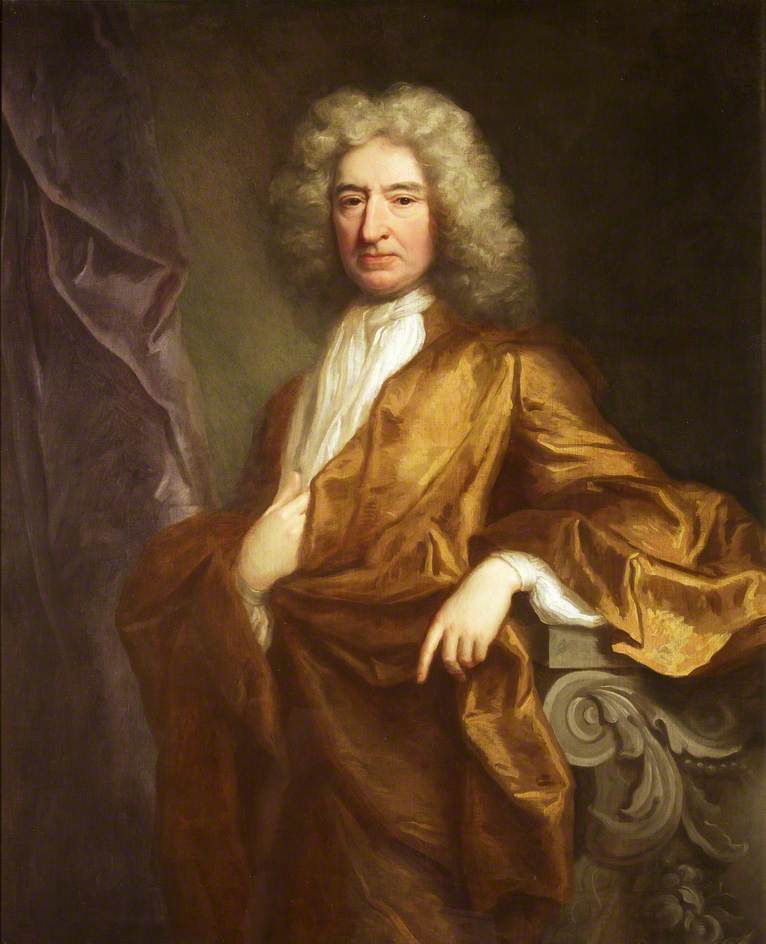
Edward Colston
Edward Colston (2 November 1636 – 11 October 1721) was an English merchant, slave trader, philanthropist and Tory Member of Parliament.
Colston followed his father in the family business becoming a sea merchant, initially trading in wine, fruits and textiles, mainly in Spain, Portugal and other European ports. From 1680 to 1692 he was a member of the Royal African Company, which held a monopoly on the English trade along the west coast of Africa, in slaves, gold, silver and ivory. He was deputy governor of the company from 1689 to 1690, the Governor being the Duke of York, the brother of Charles II of England.
Colston supported and endowed schools and other public institutions in Bristol, London and elsewhere. His name was widely commemorated in Bristol landmarks, and a statue of him was erected in 1895.
With growing awareness and disapproval in the late 20th century of his involvement in Britain's slave trade, there were protests and petitions for landmarks named after him to be renamed, culminating in June 2020, when his statue was toppled and pushed into Bristol Harbour during protests in support of Black Lives Matter. The city's concert venue, Colston Hall, was renamed Bristol Beacon along with several other locations that held his name.
Colston was born on 2 November 1636, in Temple Street, Bristol, and baptised in the Temple Church, Bristol. His parents were William Colston, a prosperous Royalist merchant who was High Sheriff of Bristol in 1643, and his wife Sarah Batten, daughter of Edward Batten; he was the eldest of at least 11 and possibly as many as 15 children. The Colston family had lived in the city since the late 13th century. Colston was brought up in Bristol until the time of the English Civil War, when he probably lived for a while on his father's estate in Winterbourne, just north of the city. The family then moved to London, and Colston was educated at the Christ's Hospital school. The English Civil War shaped Colston's lifelong support for order and stability in the form of monarchy and High Anglicanism.
In 1654, Colston was apprenticed to the Mercers Company for eight years, and in 1673 he was enrolled into it. By 1672, he had become a merchant in London. Like his father, Colston exported in textiles from London while importing oils, wine and sherry from Spain and Portugal. He also traded silk with Virginia and was a regular trader of cod from Newfoundland to Naples. He had built up a successful business trading with Spain, Portugal, Italy and Africa.
In 1680, Colston became a member of the Royal African Company, which had held the monopoly in England on trading along the west coast of Africa in gold, silver, ivory and slaves from 1662. Colston was deputy governor of the company from 1689 to 1690. His association with the company ended in 1692. The company was established by King Charles II, together with his brother the Duke of York (later King James II) as the governor of the company, City of London merchants and other investors.
During Colston's involvement with the Royal African Company from 1680 to 1692, it is estimated that the company transported over 84,000 African men, women and children to the Caribbean and the rest of the Americas, of whom as many as 19,000 may have died on the journey. The slaves were sold for labour on tobacco, and (increasingly) sugar plantations.
Hub AI
Edward Colston AI simulator
(@Edward Colston_simulator)
Edward Colston
Edward Colston (2 November 1636 – 11 October 1721) was an English merchant, slave trader, philanthropist and Tory Member of Parliament.
Colston followed his father in the family business becoming a sea merchant, initially trading in wine, fruits and textiles, mainly in Spain, Portugal and other European ports. From 1680 to 1692 he was a member of the Royal African Company, which held a monopoly on the English trade along the west coast of Africa, in slaves, gold, silver and ivory. He was deputy governor of the company from 1689 to 1690, the Governor being the Duke of York, the brother of Charles II of England.
Colston supported and endowed schools and other public institutions in Bristol, London and elsewhere. His name was widely commemorated in Bristol landmarks, and a statue of him was erected in 1895.
With growing awareness and disapproval in the late 20th century of his involvement in Britain's slave trade, there were protests and petitions for landmarks named after him to be renamed, culminating in June 2020, when his statue was toppled and pushed into Bristol Harbour during protests in support of Black Lives Matter. The city's concert venue, Colston Hall, was renamed Bristol Beacon along with several other locations that held his name.
Colston was born on 2 November 1636, in Temple Street, Bristol, and baptised in the Temple Church, Bristol. His parents were William Colston, a prosperous Royalist merchant who was High Sheriff of Bristol in 1643, and his wife Sarah Batten, daughter of Edward Batten; he was the eldest of at least 11 and possibly as many as 15 children. The Colston family had lived in the city since the late 13th century. Colston was brought up in Bristol until the time of the English Civil War, when he probably lived for a while on his father's estate in Winterbourne, just north of the city. The family then moved to London, and Colston was educated at the Christ's Hospital school. The English Civil War shaped Colston's lifelong support for order and stability in the form of monarchy and High Anglicanism.
In 1654, Colston was apprenticed to the Mercers Company for eight years, and in 1673 he was enrolled into it. By 1672, he had become a merchant in London. Like his father, Colston exported in textiles from London while importing oils, wine and sherry from Spain and Portugal. He also traded silk with Virginia and was a regular trader of cod from Newfoundland to Naples. He had built up a successful business trading with Spain, Portugal, Italy and Africa.
In 1680, Colston became a member of the Royal African Company, which had held the monopoly in England on trading along the west coast of Africa in gold, silver, ivory and slaves from 1662. Colston was deputy governor of the company from 1689 to 1690. His association with the company ended in 1692. The company was established by King Charles II, together with his brother the Duke of York (later King James II) as the governor of the company, City of London merchants and other investors.
During Colston's involvement with the Royal African Company from 1680 to 1692, it is estimated that the company transported over 84,000 African men, women and children to the Caribbean and the rest of the Americas, of whom as many as 19,000 may have died on the journey. The slaves were sold for labour on tobacco, and (increasingly) sugar plantations.